What began in a South Korean suburb with 128 employees now delivers stunning images to over 100 million homes globally. This electronics giant didn’t just ride the wave of innovation – it created entire new currents.
Originally named GoldStar in 1958, the company now known for premium displays started with humble black-and-white sets. By 2023, their OLED screens became the gold standard for home theaters. The journey from analog tubes to paper-thin panels reveals how timing shapes both technology and value.
Understanding yearly releases matters more than you might think. Early adopters of 2016’s groundbreaking 4K models saw prices drop 40% within three years. Meanwhile, 2020’s QNED lineup introduced mini-LED backlighting that outshone competitors’ brightest offerings.
We’ll decode confusing model numbers like “C3” and “G2” to reveal their hidden meanings. You’ll discover why certain years became turning points for color accuracy, gaming performance, and smart features. Whether you’re hunting bargains or future-proofing your setup, this guide lights the way.
Key Takeaways
- LG’s visual tech evolved from 1960s monochrome TVs to industry-leading OLED displays
- The company originated as GoldStar before becoming a consumer electronics leader
- Annual model updates often introduce major picture quality improvements
- Naming conventions (like C-Series vs G-Series) indicate target audiences and features
- Older premium models frequently offer better value than current mid-range options
LG TV Innovations Through the Years
Visual technology has reshaped living rooms worldwide, with one brand consistently pushing boundaries. From transforming bulky boxes into sleek art pieces to redefining color accuracy, these advancements changed how we consume media.

Milestones in TV Technology
In 1998, engineers unveiled the first 60-inch plasma screen – a behemoth that made family movie nights feel cinematic. This breakthrough sparked a visual arms race. By 1999, a partnership with Philips birthed LG Display, now supplying panels for 1 in 4 flat-screens globally.
The real game-changer arrived in 2013. OLED technology brought true black levels and contrast ratios that made older LCDs look washed out. “It was like wiping fog off a window,” remarked an early adopter. Size options exploded the following year with 65-inch and 77-inch variants, proving bigger could indeed be better.
Breakthroughs in Home Entertainment
These innovations did more than upgrade pixels. Families began hosting gaming marathons on responsive displays that kept pace with consoles. Streaming services gained new life through vibrant HDR playback previously reserved for theaters.
Key advancements:
- 1998: Plasma screens enabled wall-mounted designs
- 2013: Self-lit pixels eliminated backlight bleed
- 2014: XL sizes matched modern home theater trends
Through strategic partnerships and bold engineering, living rooms became immersive entertainment hubs. The ripple effects continue shaping how creators film content and how viewers experience stories.
A Brief History of LG and Its TV Legacy
Rebuilding a nation often starts with small sparks of ingenuity. In the late 1950s, a fledgling electronics company emerged from South Korea’s war-torn landscape with a bold vision. This enterprise would later redefine home entertainment, but its beginning was rooted in necessity rather than luxury.
From GoldStar to LG Electronics
Founded as GoldStar in 1958, the organization began crafting radios and appliances when imported goods were unaffordable for most South Korean families. Early products carried the weight of national pride – each device symbolized recovery from conflict. By 1970, public trading fueled rapid expansion, transforming the workshop into an industrial force.
The 1976 milestone of one million annual television units cemented South Korea’s role in global tech manufacturing. Workers perfected assembly lines while engineers pioneered compact designs. A company executive later reflected: “We didn’t just make electronics – we built confidence in our nation’s future.”
| Year | Milestone | Impact |
|---|---|---|
| 1958 | GoldStar founded | Launched domestic electronics production |
| 1970 | Public offering | Accelerated manufacturing capabilities |
| 1994 | Rebranded as LG | Global recognition for innovation |
1994’s strategic rebrand to LG Electronics marked a turning point. The new identity blended technological ambition with approachable messaging through its “Life’s Good” philosophy. Today, this South Korean manufacturer stands shoulder-to-shoulder with industry giants, proving humble origins can spark worldwide revolutions.
Exploring lg tv models by year
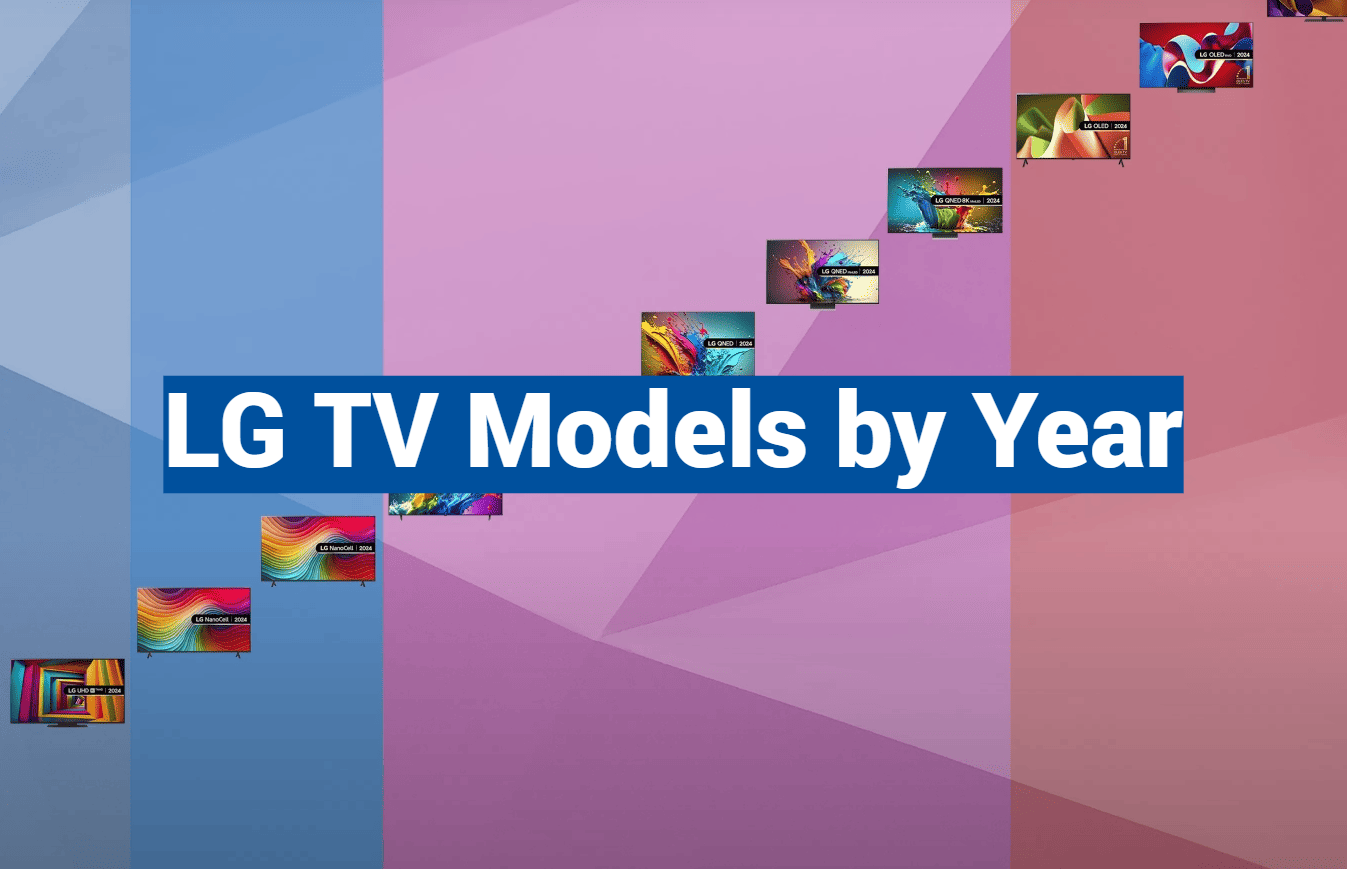
Picture this: A living room where shadows hold secrets and colors pop like fireworks. This vision became reality in 2016 with a groundbreaking C6 release. Its self-lit pixels transformed dark scenes into dimensional masterpieces, sparking a loyal following for the now-iconic C series.
Key Product Releases and Innovations
Each subsequent model year raised the bar. The 2017 iteration delivered HDR brilliance that made sunsets glow. 2018’s version introduced AI upscaling, sharpening old movies like digital magic. By 2019, gamers rejoiced at silky 120Hz motion handling – a first for console-friendly panels.
Tech reviewers praised the progression: “What began as superior contrast evolved into a holistic entertainment powerhouse.” The 2021 overhaul simplified naming conventions, aligning codes with calendar years. This clarity helped shoppers spot the latest OLED TVs instantly.
Modern entries balance premium specs with accessible pricing. From cinematic Dolby Vision to responsive webOS interfaces, the series caters to diverse needs. Whether streaming sitcoms or battling virtual dragons, these products adapt seamlessly – proof that smart engineering outlasts fleeting trends.
Understanding LG TV Model Naming Conventions
The letters and numbers on your screen aren’t random—they’re a roadmap. Decoding these sequences reveals hidden details about performance tiers and technical capabilities. Savvy shoppers use this knowledge to compare features across different product lines effectively.
Breaking Down the SKU Structure
Self-emitting panel units always lead with their display technology. A code like OLED65G4 tells you three things: cutting-edge picture quality, a 65-inch viewing area, and 2024’s premium gallery design. The final digit acts as a time capsule—higher numbers mean newer releases.
Traditional backlit televisions flip this formula. 65QNED85 starts with screen dimensions, followed by quantum dot enhancement details. Lower-tier options might show “UT” instead, indicating basic functionality for budget-conscious buyers.
Differences Between OLED and LED Naming
Series letters separate premium from practical. C-series units balance quality and affordability, while G-series models transform into floating art pieces. “The alphabet climb reflects both price and sophistication,” notes a retail analyst.
Screen size placement matters too. Advanced displays lead with tech type, while conventional units prioritize dimensions. This distinction helps identify target audiences at a glance—cinephiles versus casual viewers. Newer generations simplify comparisons through consistent numbering patterns.
Technology Milestones in LG TV Models
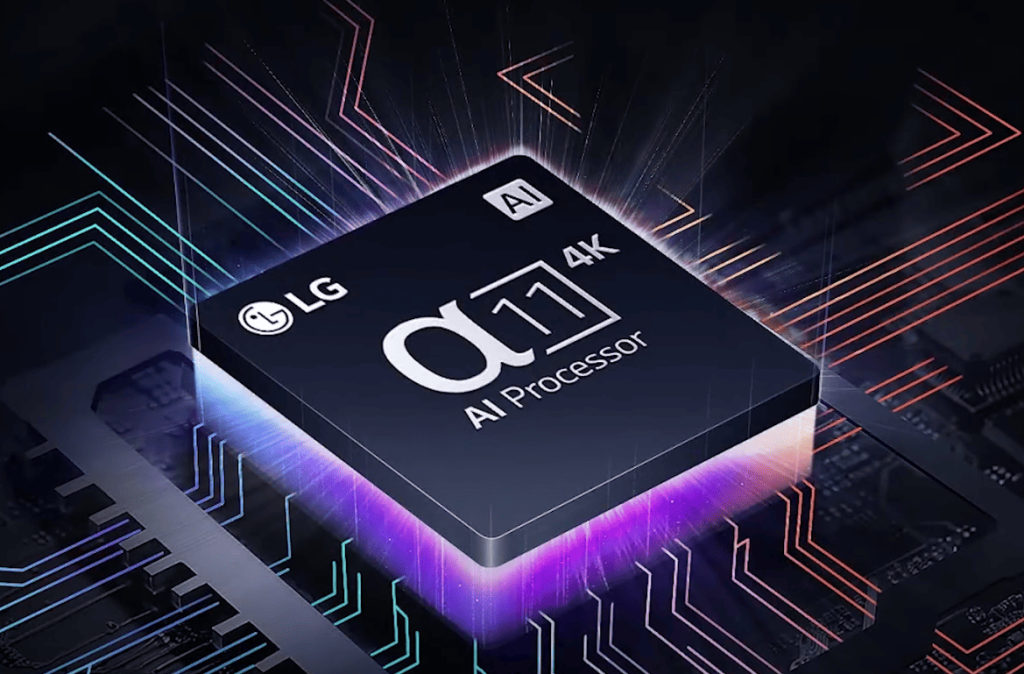
Behind every vibrant screen lies a hidden ecosystem of innovation. The company’s secret weapon? Vertical integration through its display manufacturing arm. This strategic advantage lets engineers test bleeding-edge technology years before rivals.
Innovative Display Technologies
While competitors scramble for panel supplies, this manufacturer controls its destiny. Its subsidiary produces WOLED screens that power both flagship televisions and rival brands. “Owning the factory lets us perfect new tech first,” explains a display analyst. Self-lit pixels debuted here in 2013, followed by brightness-boosting micro-lens arrays in 2022.
This vertical synergy creates tangible benefits. Colors stay accurate for 100,000 hours – enough for 11 years of daily use. Gamers gain near-instant response times, while movie buffs enjoy infinite contrast ratios. Third-party brands using these panels can’t match the originator’s calibration expertise.
Advancements in Smart TV Features
Internet connectivity arrived early here. The 2007 system let users check weather and news – primitive by today’s standards, but revolutionary pre-Netflix. Seven years later, the webOS overhaul changed everything. Its floating ribbon interface became the gold standard for smart TVs.
Modern iterations feel like tech partners. Voice commands adjust settings while AI suggests shows based on viewing habits. Screen-sharing transforms panels into giant smartphone extensions. Through constant refinement, what began as basic web access evolved into an entertainment hub anticipating users’ needs.

Design and Innovation in LG TVs
Modern living spaces demand more than sharp images – they crave harmony between technology and decor. The brand’s approach transforms screens into style statements, blending cutting-edge performance with interior design sensibilities.
When Screens Become Decor
The premium G-series redefines what a display can be. Its gallery design hugs walls like canvas-mounted art, disappearing when showcasing digital paintings or family photos. “We wanted screens to complement spaces, not dominate them,” shares a lead designer.
| Feature | G-Series | C-Series |
|---|---|---|
| Bezel Thickness | 0.2″ | 0.4″ |
| Materials | Anodized aluminum | Reinforced polymer |
| Mounting Style | Flush wall | Standard VESA |
| Stand Options | Floating base | Traditional pedestal |
Thinner profiles emerged as consumers shifted from entertainment centers to minimalist setups. Today’s units feature hairline borders that maximize viewable area while maintaining structural durability. Premium metallic finishes elevate rooms like sculptural elements.
Practical innovation shines through hidden details. Magnetic cable channels tame wire clutter, while adjustable stands accommodate soundbars. These thoughtful touches prove good design solves problems before users notice them.
From curved backs that improve airflow to anti-glare surfaces that maintain aesthetics in sunlit rooms, every choice reflects years of consumer feedback. The result? Televisions that disappear into your lifestyle until the picture comes alive.
Comparing LG to Other Major TV Manufacturers
The battle for screen dominance isn’t just about specs—it’s a chess match of supply chains and consumer psychology. As the world’s second-largest television manufacturer, this electronics giant plays both sides of the board. Their display division powers rivals’ products while their own units showcase technological superiority.
Samsung and the Panel Paradox
An industry insider reveals: “We compete fiercely at retail, but collaborate in component factories.” This unique dynamic lets the manufacturer profit from competitors’ sales while maintaining premium status. Their self-lit displays outperform Samsung’s QLED alternatives in dark room performance, though brightness lovers might disagree.
| Brand | Display Tech | Smart Platform | Best For |
|---|---|---|---|
| LG | Self-lit OLED | webOS | Cinephiles |
| Samsung | Quantum Dot QLED | Tizen | Sunlit rooms |
| Sony | Cognitive Processor | Google TV | Sports fans |
| TCL | Mini-LED | Roku TV | Budget buyers |
Sony’s Precision vs TCL’s Value
While Sony masters color science for purists, TCL delivers impressive specs at friendlier prices. The market leader bridges this gap—their mid-range options often include last year’s premium features. This strategy creates accessible innovation without sacrificing quality.
Each manufacturer carves distinct territory. Samsung dazzles with brightness, Sony perfects motion, TCL simplifies entry points. But for those seeking the complete package—vibrant blacks, intuitive controls, and future-ready tech—one market player consistently checks all boxes.
Impact of Seasonal Sales and Pricing Strategies
Smart shoppers know that timing transforms transactions into triumphs. Retailers strategically plan sales events around cultural moments when upgrade fever peaks. These limited-time offers create urgency while clearing inventory for newer releases.
Understanding Retail SKUs and Discounts
Stores often use exclusive product codes for holiday promotions. A retail manager explains: “Special SKUs let us offer deals without undercutting year-round pricing.” Look for alphanumeric suffixes like “BF” or “CM” indicating Black Friday or Cyber Monday units.
January clearance frequently delivers the deepest cuts. Last year’s premium displays often drop 30% as new models arrive. February brings Presidents’ Day promotions, while July’s Prime Day targets summer upgraders.
Timing Your Purchase for Best Prices
Major sales follow predictable patterns. Post-Super Bowl offers capitalize on leftover sports budgets. Autumn launches create temporary dips in older stock prices before holiday markups.
Set price alerts for desired specs. Many retailers price-match within 30 days if costs drop further. With smart planning, you can secure top-tier tech at mid-range retail costs – no magic required.