

Imagine a movie canvas so vast it weighs over 500 pounds. That’s the reality at Germany’s Traumpalast Leonberg, home to the planet’s largest IMAX screen. This giant stretches nearly 127 feet wide, creating a truly immersive viewing experience.
Understanding the dimensions of these theatrical displays matters more than you might think. Whether you’re a film buff or planning a home setup, knowing the scale helps appreciate the technology behind the magic.
Over the decades, movie houses have evolved dramatically. Early nickelodeons featured modest displays. Today, premium formats demand massive surfaces to meet audience expectations for larger-than-life entertainment.
Many factors determine the final measurements in a commercial venue. Auditorium size, seating capacity, and projection technology all work together. The goal is always optimal viewing conditions for people.
This guide will explore specific measurements, compare standard and premium formats, and discuss what influences size selection. We’ll also share tips for bringing that cinematic feel into your living space.
Key Takeaways
- Standard movie theater screens are typically 45 to 65 feet wide.
- Premium formats like IMAX feature screens often exceeding 72 feet in width.
- The world’s largest cinema screen is in Germany, measuring over 127 feet wide.
- Screen size is determined by auditorium design, technology, and audience seating.
- Understanding these dimensions can help you recreate a similar experience at home.
- Screen evolution has been driven by advancing projection technology and viewer demand.
Understanding Cinema Screen Dimensions
From neighborhood theaters to massive IMAX complexes, screen measurements create distinct viewing environments. The physical scale of these displays directly impacts your movie experience.
Standard Movie Theater Sizes
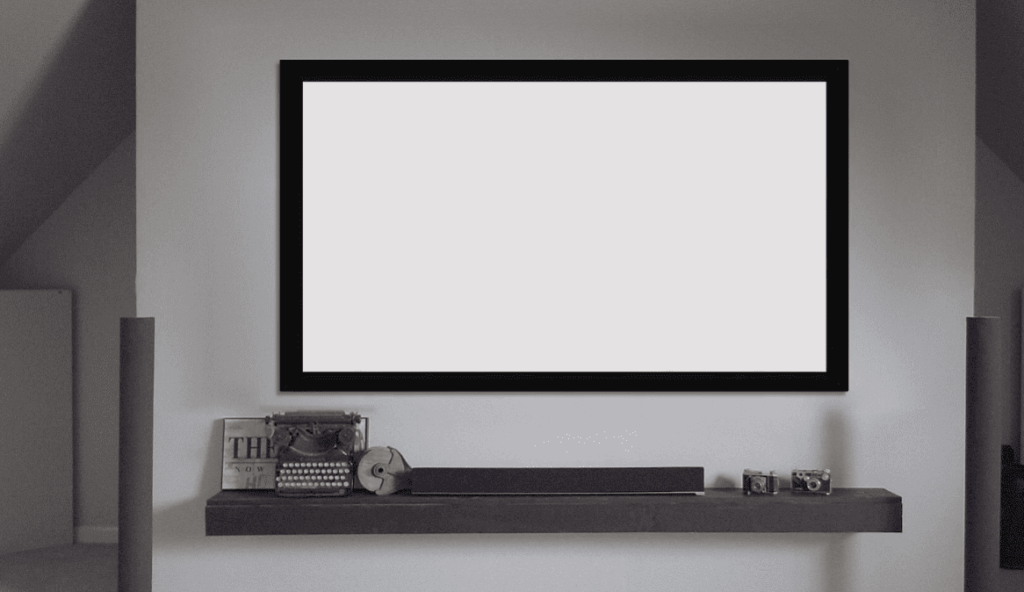
Most local venues feature screens ranging from 45 to 65 feet wide. Heights typically measure 20 to 30 feet. These dimensions ensure quality viewing from every seat.
Aspect ratios determine the final shape. Common formats include 16:9 for modern content and 2.39:1 for widescreen films. Theaters select screen sizes based on room capacity and seating layout.
IMAX and Premium Formats
Premium formats elevate the experience with larger surfaces. IMAX screens often exceed 72 feet in width. They create unparalleled immersion through massive scale.
The world’s largest cinema screen resides in Germany’s Traumpalast Leonberg. It measures approximately 127 feet wide by 69 feet tall. This giant supports 1,800 seats with advanced projection technology.
Beyond sheer size, premium formats offer superior image quality and sound systems. Options like Dolby Cinema and RPX provide varying screen sizes and technological enhancements.
Key Factors Influencing Screen Size and Viewing Experience
The magic of a movie hinges on more than just the projector’s glow; it’s a careful science of space and placement. Getting the viewing distance right is the most critical step for comfort and clarity.
Viewing Distance and Seating Arrangement
Industry experts recommend sitting between 1.5 and 5 times the screen’s width away. This range prevents eye strain and maintains image sharpness.
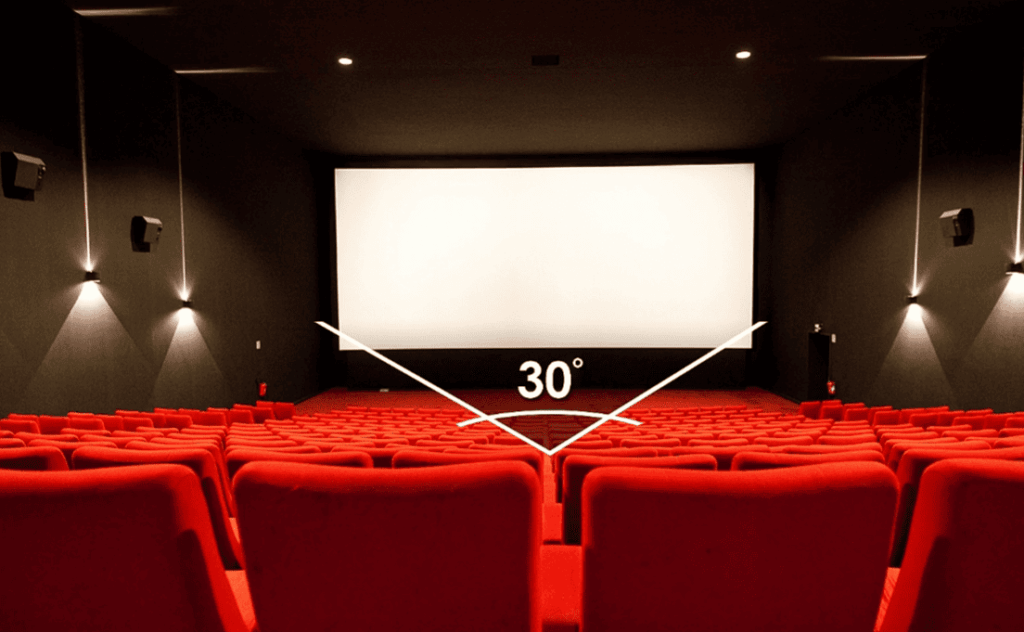
The Society of Motion Picture & Television Engineers (SMPTE) suggests a 30° viewing angle. THX recommends a more immersive 40° angle. These guidelines ensure everyone in the seating area has a great experience.
For the most immersive cinematic experience, the viewer’s field of view should be filled.
Designers must account for multiple rows of seats. The goal is a good view from both the front and back rows. Proper sight lines are essential.
Room Dimensions and Projector Capabilities
The physical room itself creates hard limits. Ceiling height and available wall space determine the maximum practical screen size.
Your projector also dictates the final dimensions. The throw distance—how far the projector must be from the screen—is a key spec. You must match the projector technology to the available space.
| Viewing Guideline | Minimum Distance | Maximum Distance | Purpose |
|---|---|---|---|
| Screen Width | 1.5x width | 5x width | Optimal clarity and comfort |
| Screen Height | 2x height | – | Avoid seeing pixels, reduce strain |
| Viewing Angle | 30° (SMPTE) | 40° (THX) | Immersive experience |
Always measure your room carefully. Consider clearances for the screen and the projector’s throw ratio. This planning ensures a perfect fit for your cinematic setup.
How Big Are Cinema Screens in Inches: A Detailed Look
Converting feet to inches reveals the true magnitude of cinematic presentations that audiences enjoy. The numbers become more tangible when you see the precise measurements.
| Theater Type | Width (Feet) | Width (Inches) | Height (Feet) | Height (Inches) |
|---|---|---|---|---|
| Standard Movie Theater | 45-65 | 540-780 | 20-30 | 240-360 |
| IMAX Theater | 72+ | 864+ | Varies | Varies |
| World Record (Traumpalast) | 127 | 1,527 | 69 | 827 |
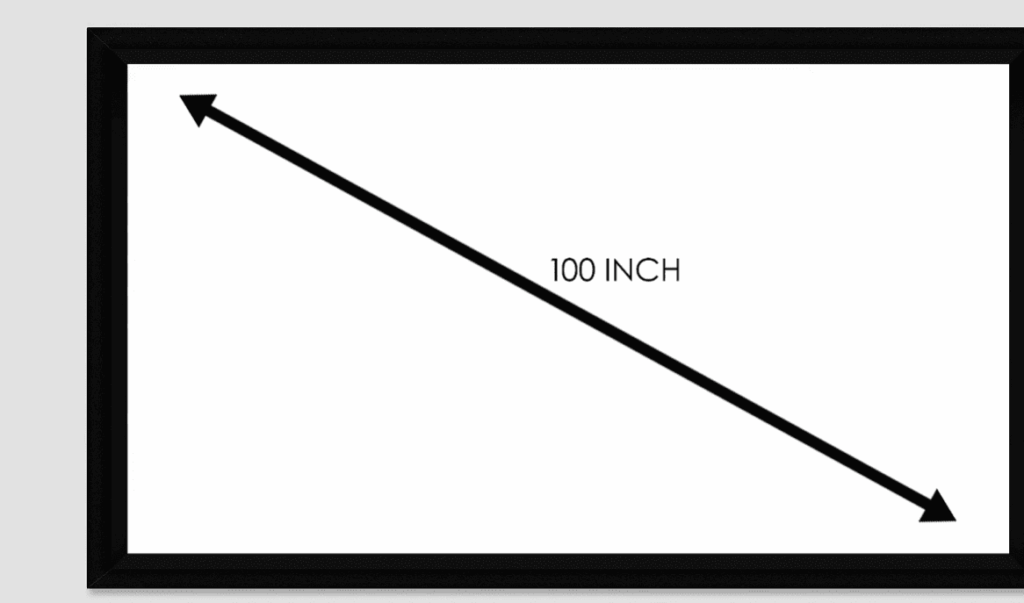
Diagonal measurements describe screen size differently. A 100-inch diagonal 16:9 screen measures about 87 inches wide by 49 inches tall. The same diagonal in 4:3 format gives you 80 inches wide by 60 inches tall.
The massive scale of theatrical displays allows viewers to see incredible detail and feel completely absorbed in the story.
These enormous surfaces make movie-going special. Theater owners invest in large displays to present films optimally. This creates the immersive experience people love.
To understand the scale, imagine a standard screen width spanning 45-65 feet. That’s like six to nine cars parked bumper to bumper. The world’s largest screen stretches wider than a basketball court.
Replicating the Big Screen Magic at Home
Modern home entertainment systems now offer cinematic quality that rivals commercial theaters right in your own living area. Advanced technology makes creating an impressive viewing environment more accessible than ever.
Choosing the Perfect Projector and Screen
Typical home theater setups feature screens measuring 100-120 inches diagonally. These dimensions provide an immersive experience while fitting comfortably in residential spaces.
Selecting the right projector type is crucial for optimal performance. Traditional models require significant distance from the screen surface. Ultra-short-throw options like the AWOL Vision LTV-3500 Pro sit just inches away while projecting stunning 4K images up to 150 inches.
Your screen choice dramatically impacts image quality. Ambient Light Rejecting (ALR) screens reject up to 95% of unwanted light. This technology maintains brightness and contrast even in well-lit living rooms.
Specialized screens like the AWOL Vision Fresnel Daylight ALR support 4K/8K resolution with Active 3D capabilities. Motorized floor-rising models offer convenience for multi-purpose spaces. Proper pairing ensures your home theater delivers exceptional visual performance.
Optimizing Viewing Distance, Aspect Ratios, and Immersion
Achieving true cinematic immersion at home depends on mastering the relationship between your seating position and screen dimensions. Proper calculations ensure comfortable viewing and stunning visual impact.
Calculating Ideal Screen Size Based on Viewing Distance
Use simple formulas to determine your perfect screen size. For immersive viewing with a 40° viewing angle, multiply your viewing distance in inches by 0.835. For mixed-use spaces with a 30° angle, multiply by 0.65.
At a 7-foot distance (84 inches), these calculations yield a 70-inch screen for immersive viewing or 55 inches for mixed entertainment. The 4/6/8 rule helps determine maximum viewing distances based on content type.
Industry standards vary slightly. SMPTE recommends a 30° viewing angle, while THX suggests 36° for optimal immersion. Choose your aspect ratio carefully—16:9 suits modern content, while 2.35:1 works for widescreen films.
Enhancing Your Viewing Experience Through Setup Tips
Projector placement matters greatly. Use the throw ratio formula: Image Width = Throw Distance ÷ Throw Ratio. A projector with a 1.2 throw ratio placed 10 feet away creates an 8.3-foot-wide image.
Consider resolution based on your seating position. Closer viewing benefits from 4K resolution, while distant seats may not show differences between 4K and 1080p images.
Position the screen center at eye level when seated. Control ambient light and optimize audio placement. Proper calibration of brightness and contrast reduces strain on your eyes during extended sessions.
Conclusion
Understanding theatrical display measurements empowers both movie enthusiasts and home theater designers. Commercial venues typically feature surfaces measuring 45-65 feet wide, while premium formats reach even larger dimensions.
Several factors influence optimal screen size selection. Viewing distance, room dimensions, and seating arrangements all contribute to the perfect setup. Proper planning ensures an immersive experience for everyone.
Creating cinema-quality viewing at home is achievable with today’s technology. Screens in the 100-120 inch range, paired with quality projector equipment, can deliver remarkable results. Use the provided formulas to calculate your ideal dimensions.
Carefully measure your available space before making any purchases. Consider aspect ratios, throw distances, and content types. This preparation transforms your living area into an entertainment destination.
Knowledge of display dimensions empowers informed decisions. Whether enjoying commercial venues or creating a personal home theater, proper sizing enhances every viewing session.