
Did you know that some new televisions can display up to 26% more picture than standard models? This incredible leap brings the cinema right into your living room.
Welcome to your guide on two leading home entertainment technologies. If you love movies, you have likely seen their logos. They both promise a stunning viewing experience.
This friendly comparison will help you understand these formats. We will break down the technical details into simple language. You will learn how each one improves your home theater setup.
Whether you are a casual viewer or a serious film fan, this information is valuable. We will explore the unique strengths of each option. Our goal is to help you make the best choice for your needs.
Key Takeaways
- Both technologies deliver a major upgrade from standard high-definition viewing.
- They use different methods to create a more immersive picture.
- The best choice often depends on the specific movies and shows you watch.
- Your existing television or projector plays a big role in the experience.
- Understanding these differences helps you invest wisely in your home cinema.
- Content availability is a key factor to consider for each format.
Understanding Home Entertainment Standards
The journey to today’s stunning home cinema began with fundamental breakthroughs in video technology. To appreciate the current landscape, we must look at two core pillars: picture dynamics and screen proportions.
The Evolution of HDR Technology
High Dynamic Range (HDR) represents a monumental leap in picture quality for the home. Older standard dynamic range (SDR) video struggled with limited brightness and color.
Details in dark shadows or bright skies were often lost. HDR technology solves this by capturing and displaying a much wider spectrum of light and color.
This results in a more realistic and engaging image. It makes you feel like you’re looking through a window, not at a screen.
Importance of Aspect Ratios in Home Theaters
The aspect ratio is the shape of your picture—its width compared to its height. Different formats of film and shows use different ratios.
Some formats are very wide, creating a cinematic, immersive feel. Others are more square, similar to older television shows.
Understanding aspect ratio helps you see how content uses your display’s real estate. This choice directly impacts your viewing immersion right in your home theater.
Exploring Dolby Vision Technology
The secret behind truly lifelike home viewing lies in how content adapts to each moment. This premium format represents a significant advancement in how we experience movies and shows at home.
Dynamic Metadata and 12-bit Color Advantages
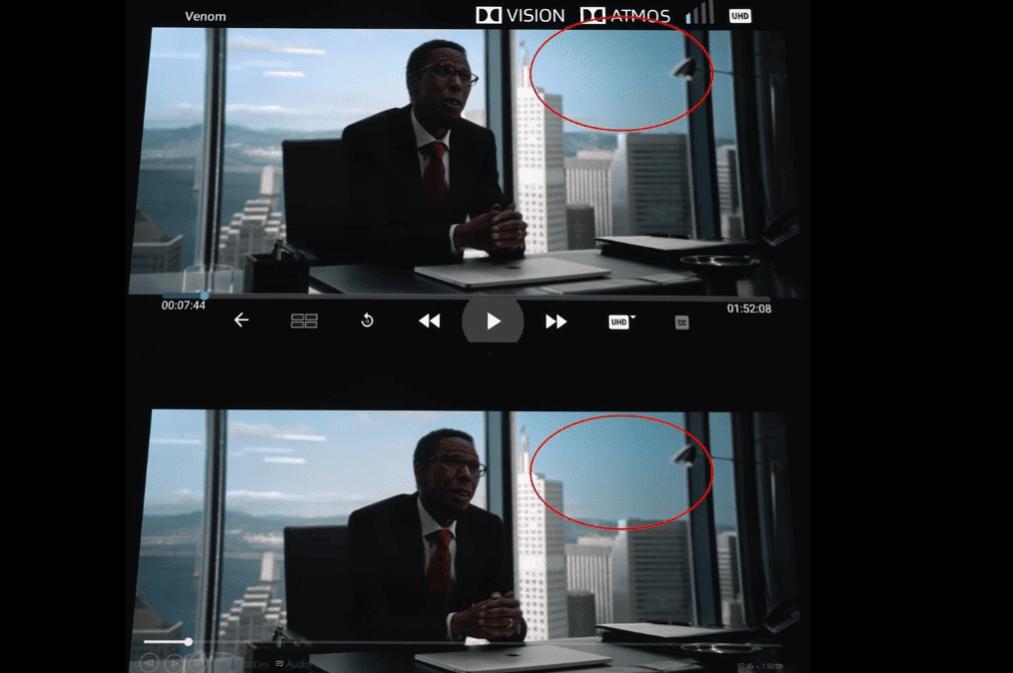
Unlike basic HDR formats that use one setting for an entire film, this technology employs dynamic metadata. It continuously adjusts brightness and contrast for every scene.
The system supports an incredible 12-bit color depth. This allows for over 68 billion distinct shades, creating remarkably smooth gradients.
You’ll notice the difference in skies and shadows where color banding completely disappears. The expanded palette brings a new level of realism to your viewing.
Enhancing Content with Adaptive Image Processing
This format intelligently optimizes picture quality based on your specific display. Whether you own a flagship OLED or a more modest screen, it ensures the best possible performance.
The technology analyzes each frame to reveal fine details in both dark and bright areas. It maintains perfect balance across different types of scenes.
Major streaming services have embraced this approach wholeheartedly. You’ll find supported content on platforms like Netflix, Disney+, and Apple TV+.
Examining IMAX Enhanced Experience
Imagine watching your favorite blockbuster and seeing 26% more of the original filmed image than standard versions offer. This certification program brings the theatrical experience directly to your living room through careful image optimization.
Expanded Aspect Ratio Advantage
The most noticeable benefit is the unique picture shape. Many modern films include scenes shot with special cameras that capture a taller frame.
Standard home releases crop this footage to fit conventional screens. The enhanced version preserves the original dimensions, filling your display more completely.
You see the complete image as directors intended, without losing visual information at the top and bottom. This creates a more immersive viewing experience.
High-Resolution Imaging and Noise Reduction
Content undergoes specialized remastering to improve clarity. Sophisticated algorithms reduce grain and artifacts while enhancing sharpness.
The process optimizes pictures for large screens and projectors. Results show cleaner, more vibrant images with excellent detail preservation.
| Feature | Standard Viewing | Enhanced Experience |
|---|---|---|
| Aspect Ratio | Cropped to fit standard screens | Original 1.90:1 ratio preserved |
| Image Area | Up to 26% less visible content | Full director’s vision displayed |
| Image Processing | Basic optimization | Advanced noise reduction and sharpening |
| Best For | General viewing | Large screens and projectors |
Deep Dive: imax enhanced vs dolby vision Comparison
The true distinction between these advanced entertainment systems lies in their fundamental design philosophies. Each approach prioritizes different elements to create outstanding home viewing.
Visual Detail and Image Quality
When examining picture performance, the technologies take contrasting paths. One format emphasizes frame-by-frame optimization for maximum detail extraction.
This method reveals subtle textures in shadows and highlights. The other approach focuses on delivering a more expansive field of view.
Color reproduction differs significantly between the formats. One offers exceptionally smooth gradients with subtle tonal variations.

Audio System Synergy and Immersive Sound
The audio experience represents another key differentiator. Each format partners with distinct sound technologies to create immersion.
One typically integrates with object-based audio for precise sound placement. The other employs a signature sound certification for theater-like acoustics.
Both deliver exceptional audio quality that complements their visual presentation.
Installation and Hardware Compatibility
Practical considerations greatly influence your experience. Hardware support varies considerably between these formats.
One enjoys broad compatibility across mid-range and premium displays. The other requires more specialized certification for optimal performance.
Content availability also differs, affecting which system delivers more value for your setup.
| Feature | Format A | Format B |
|---|---|---|
| Primary Focus | Pixel-level optimization | Expanded image area |
| Color Depth | 12-bit color support | Optimized color mastering |
| Audio Technology | Object-based immersive audio | Signature theater sound |
| Content Availability | Widespread streaming support | Curated specialty content |
| Hardware Requirements | Broad display compatibility | Certified devices needed |
Visual and Audio Performance in Modern Home Theaters
Today’s premium home entertainment systems deliver their best performance when visual and audio technologies complement each other. This synergy creates the truly immersive viewing experience that transforms movie nights into cinematic events.
HDR Brilliance Across Devices
High Dynamic Range technology has revolutionized how we see content on various screens. It preserves details in both shadows and highlights, creating a more natural visual experience.
Whether you’re using a large television or a projector, HDR ensures consistent quality. The technology adapts to different display capabilities while maintaining its core benefits.
Immersive Sound Technologies: Dolby Atmos and DTS
Modern audio systems have moved beyond traditional surround sound. Dolby Atmos creates a three-dimensional soundscape with precise object placement.
This technology allows sounds to move around you in a complete sphere. The result is an audio experience that matches the visual quality of today’s content.
DTS:X offers similar immersive capabilities with flexible speaker configurations. Both systems work together with advanced visuals to create unforgettable home entertainment.
Content Availability and Streaming Considerations
Choosing between advanced viewing formats often comes down to one simple question: what can I actually watch? The availability of supported content makes all the difference in your daily entertainment experience.
Device Compatibility and Ecosystem Support
Your hardware choices significantly impact which formats you can enjoy. Many modern televisions and streaming devices support one premium system right out of the box.
This widespread compatibility means you’ll find abundant supported content on popular services. The other format requires specifically certified equipment for optimal performance.
High-end laser projector models and premium displays sometimes support both technologies. This gives you flexibility to enjoy different types of movies.
Streaming vs. Physical Media Performance
Streaming services offer incredible convenience for accessing premium content. However, internet bandwidth limitations mean both video and audio undergo compression.
Physical 4K Ultra HD Blu-ray discs deliver the absolute best quality. They feature much higher data rates with less compression.
These discs often include multiple audio formats and sometimes even both picture technologies. This makes them ideal for serious home theater enthusiasts using quality projectors.
The practical reality is that most viewers will find one format more accessible for daily viewing. The other remains a special treat for select blockbuster films.
Optimizing Your Home Theater Setup
Getting the most from your premium entertainment system requires careful attention to how all your components work together. Even the best technology can underperform if not properly aligned. This guide offers practical steps to ensure your investment delivers its full potential.
Practical Tips for Equipment Alignment and Calibration
Understanding your setup’s signal chain is the first step to great performance. Content travels from your source to your audio device and then to your display. A misstep in this path can degrade quality.
Your choice of HDMI cables is critical. For the best way to experience lossless audio, ensure they support HDMI 2.1 with eARC. This feature lets your TV send pristine sound to your sound system.
For those using projectors, a modern laser projector offers superior brightness for HDR video. This is key for appreciating the full range of light and shadow.
| Component | Standard Setup | Optimized Setup |
|---|---|---|
| HDMI Connection | Older cables, basic ARC | HDMI 2.1 certified with eARC |
| Audio Path | Devices connected directly to TV | Source connected to AV receiver first |
| Display Calibration | Factory default settings | Professionally or user-calibrated |
| Room Environment | Uncontrolled ambient light | Light-controlled, optimized acoustics |
Finally, don’t neglect calibration and your room. A quick adjustment of picture settings makes a huge difference. A balanced home theater where no single component is a weak link is the ultimate goal.
Guidance for Choosing the Right Technology for Your Home
Your viewing preferences hold the key to unlocking the ideal cinematic experience at home. This personal decision depends on what you watch and how you enjoy content.
Tailoring Your Experience to Your Viewing Habits
Consider where you stream most of your movies. Major platforms offer extensive libraries with one format’s support. This makes it a practical choice for many viewers.
The other option delivers spectacular wide-screen images for specific blockbusters. Its content selection remains more limited but provides stunning visual impact.
Your equipment also influences the best way to enjoy these technologies. Mid-range displays widely support one format, while the other typically requires premium-certified devices.
| Viewing Preference | Recommended Technology | Key Benefit |
|---|---|---|
| Streaming from multiple services | Widely supported format | Extensive content library |
| Blockbuster film enthusiast | Specialty format | Expanded image area |
| Budget-conscious setup | Mainstream technology | Broader device compatibility |
| Future-proof investment | Dual-format support | Maximum flexibility |
Many high-end displays support both technologies. This gives you the freedom to enjoy different types of content. The best choice enhances your personal viewing experience without creating limitations.
Conclusion
Making the final decision between premium home entertainment formats requires weighing personal preferences against technical capabilities. This guide has provided the essential details to help viewers navigate this choice.
The dolby vision ecosystem offers widespread compatibility and stunning fidelity that works beautifully for daily streaming. Meanwhile, imax enhanced delivers that signature theatrical experience with expanded visuals for blockbuster films.
Your ideal home theater setup depends on what you value most. Some prefer the accessibility of one format, while others seek the immersive quality of the other. The best way forward is to consider your viewing habits and equipment.
Remember that technology should enhance your enjoyment, not complicate it. We respect your privacy and encourage reviewing our policy for more information. Your cinematic vision for home entertainment is unique—choose what creates the most rewarding experience for you.