Did you know the average American home has more televisions than people? With so much screen time, choosing the right display is more important than ever.
Welcome to your guide on two of the most exciting TV technologies available today. Both represent a massive leap forward from standard models. They deliver stunning brightness, richer colors, and a truly immersive viewing experience.
While these advanced systems share a similar foundation, they achieve their spectacular results in different ways. Understanding these core differences is the key to finding your perfect match.
We will break down the technical details and real-world performance. This includes how they handle movies, gaming, and everyday use. We will also look at practical factors like price and eye comfort.
The best choice isn’t the same for everyone. It depends on your room’s lighting, what you watch, and which picture qualities you value most. We will explore options from leading brands to give you clear examples.
By the end, you will know which technology offers the superior contrast, color accuracy, and overall value for your needs. Let’s find the ideal TV for your home.
Key Takeaways
- Both Mini LED and QLED technologies offer a significant picture quality upgrade over traditional LED TVs.
- These displays use different methods to achieve enhanced brightness and color performance.
- The ideal choice depends heavily on your specific viewing environment and content preferences.
- This comparison will cover critical aspects like gaming performance, movie watching, and price points.
- Leading manufacturers like Samsung and TCL offer distinct implementations of these technologies.
- Understanding the core differences will empower you to make a confident and informed purchase.
Introduction to Mini LED and QLED Technologies
Both of these high-performance TV types share a base in LCD technology but take dramatically different paths to enhancement. One focuses on perfecting the source of light, while the other specializes in purifying color. Let’s break down how each one works.

What is Mini LED?
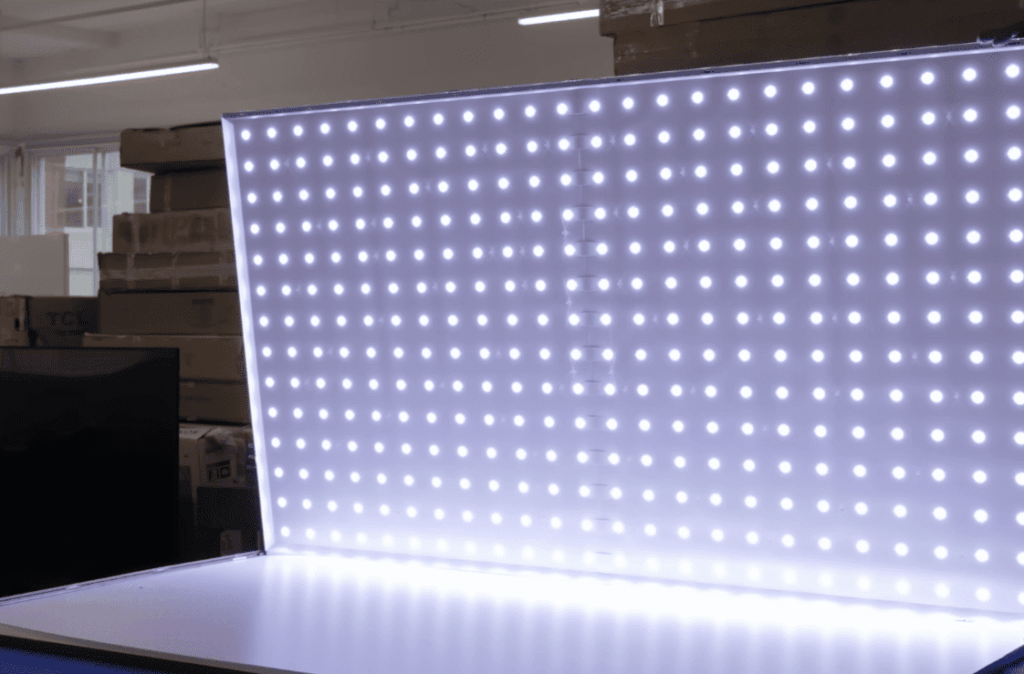
This advanced display technology revolutionizes the backlighting system. Instead of using a few hundred standard-sized LEDs, it employs thousands of tiny lights densely packed across the panel.
This creates many more independent local dimming zones. Each zone can be controlled separately. This allows the screen to show incredibly bright highlights right next to deep, inky blacks within the same scene.
Brands like Samsung combine this precise backlight control with a quantum dot layer in their Neo QLED TVs. This fusion delivers superior brightness and stunning color.
What is QLED?
QLED, which stands for Quantum Light-Emitting Diode, takes a different approach. It places a special film of nano-sized particles between the standard LED backlight and the LCD layer.
These particles, called quantum dots, are the secret. When the backlight hits them, they emit exceptionally pure colors. Larger dots produce red light, while smaller ones create blue.
The result is a display with exceptional color accuracy and vibrancy. While Mini LED refines the backlighting, QLED enhances the color that light produces. Many modern sets, like TCL’s QD-Mini LED, now blend both techniques for the best possible picture.
mini led vs qled: Technical Comparison
Understanding the technical foundation of these displays reveals why they produce such different viewing experiences. The core distinction lies in their approach to managing light and color.
Backlighting Techniques and Quantum Dot Integration
The fundamental difference starts with the backlighting system. Standard models use a simple arrangement of lights, but advanced technology takes this much further.
One approach employs thousands of tiny light sources packed densely together. This creates exceptional precision in illumination control. The other method focuses on color purity through special particles.
These nano-sized quantum dots transform basic light into vibrant, accurate colors. Larger particles produce red hues, while smaller ones create blue. This quantum dot layer sits between the light source and screen.
Local Dimming and Contrast Control
Where these systems truly differ is in local dimming capability. The technology with numerous small lights can create thousands of independent zones.
Each zone can brighten or darken separately. This allows for stunning contrast where bright highlights appear next to deep blacks. The precision minimizes unwanted light bleed around objects.
Advanced algorithms further refine this control. Systems like TCL’s halo reduction technology work with the dense light array. They ensure crisp images with minimal halo effects around bright elements.
This sophisticated local dimming approach brings these displays closer to perfect black levels. It represents a significant leap in contrast performance.
Picture Quality and Image Performance
Picture performance encompasses several critical factors that determine how realistic and engaging content appears on screen. Both technologies excel in different aspects of visual reproduction.
Color Accuracy and HDR Enhancement
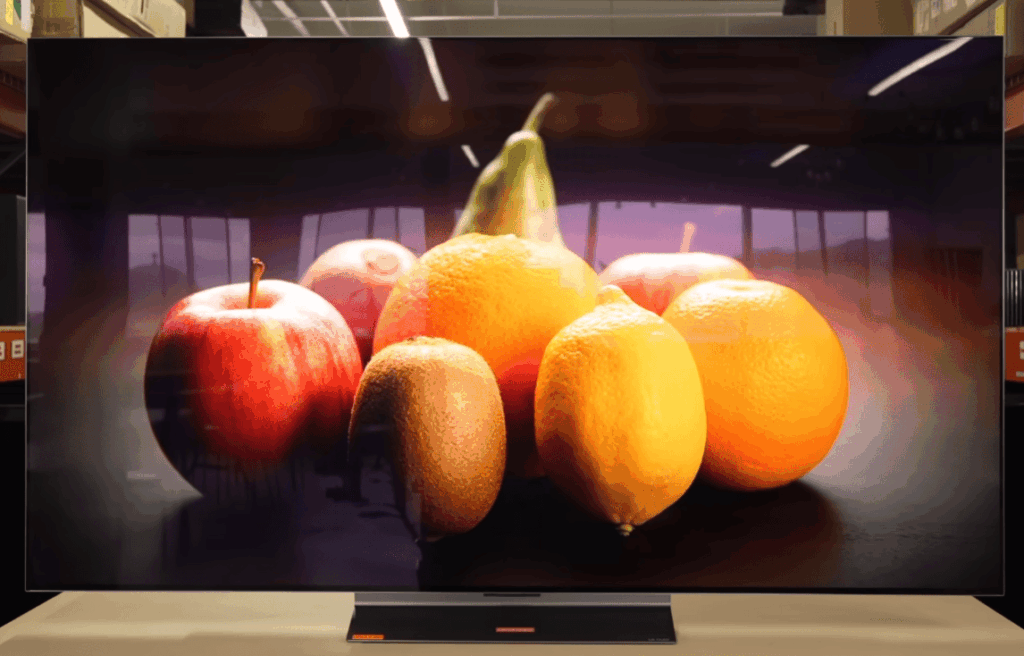
QLED displays shine with exceptional color vibrancy. The quantum dot layer produces pure, accurate hues across the spectrum.
TCL’s P8K model achieves 93% of the DCI-P3 cinema color standard. This ensures rich, saturated colors true to creator intent.
The alternative technology focuses on HDR enhancement. Its precise backlight control delivers spectacular dynamic range.
Bright highlights can exceed 2,000 nits while maintaining deep blacks. This creates lifelike luminosity in high dynamic range content.
Sharpness and Detail Clarity
Superior contrast control helps fine details stand out clearly. Subtle textures in shadows and highlights are preserved perfectly.
Independent testing consistently shows a quality hierarchy: OLED leads, followed by the advanced backlight technology, then standard quantum dot displays.
Premium hybrid models combine both approaches for the most complete visual package available.
| Picture Quality Attribute | QLED Strength | Mini LED Strength |
|---|---|---|
| Color Gamut Coverage | Wide color spectrum with vibrant saturation | Good color reproduction with enhanced contrast |
| Peak Brightness | Strong HDR performance | Superior peak brightness levels |
| Black Level Depth | Standard LED contrast | Exceptional black levels with local dimming |
| Detail Preservation | Good clarity in well-lit scenes | Excellent detail in mixed lighting conditions |
Brightness, Contrast, and Black Levels
The ability to showcase both brilliant highlights and deep shadows separates premium displays from ordinary ones. This fundamental aspect of picture quality determines how realistic and immersive your viewing experience feels.
Enhanced HDR and Brighter Displays
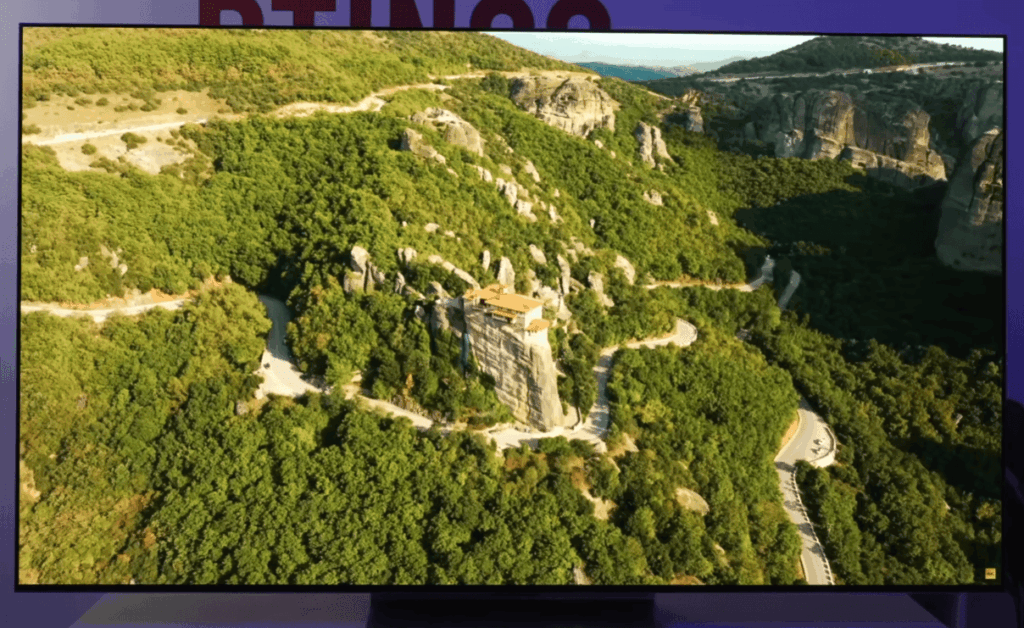
Both technologies deliver impressive luminosity that makes content visible even in brightly lit rooms. Quantum dot technology ensures colors remain vibrant and accurate at high settings, preventing the washed-out appearance of traditional TVs.
The advanced backlighting architecture with thousands of concentrated light sources typically achieves higher peak brightness levels. Flagship models can exceed 2,000-3,000 nits, making HDR elements like sun reflections and explosions truly pop off the screen.
Contrast performance—the ratio between brightest whites and darkest blacks—creates dimensional, lifelike images. While one technology offers respectable contrast ratios, it’s limited by fewer, larger dimming zones that can cause subtle glowing around bright objects.
The superior contrast control comes from thousands of LEDs organized into numerous local dimming zones. This allows brilliant bright areas to appear immediately next to deep blacks with minimal blooming, approaching elite-level contrast performance.
Black level expression is crucial for revealing subtle shadow details in dark scenes. The ability to dim or turn off large numbers of LEDs in dark areas produces deeper, more convincing blacks than standard displays can achieve.
| Performance Attribute | Quantum Dot Display | Advanced Backlight Technology |
|---|---|---|
| Peak Brightness | Strong HDR performance | Superior peak levels (2,000+ nits) |
| Contrast Control | Respectable with some blooming | Excellent with minimal halo effects |
| Black Level Depth | Deep blacks for LED-based displays | Exceptional, near-perfect blacks |
| HDR Impact | Good brightness and color handling | Stunning dynamic range showcase |
Entertainment Experience: Movies and Gaming
Whether you’re escaping into a film or competing in a virtual world, your TV’s performance matters. Both technologies deliver exceptional entertainment, but they excel in different areas of the viewing experience.
Cinematic Movie Viewing Experience
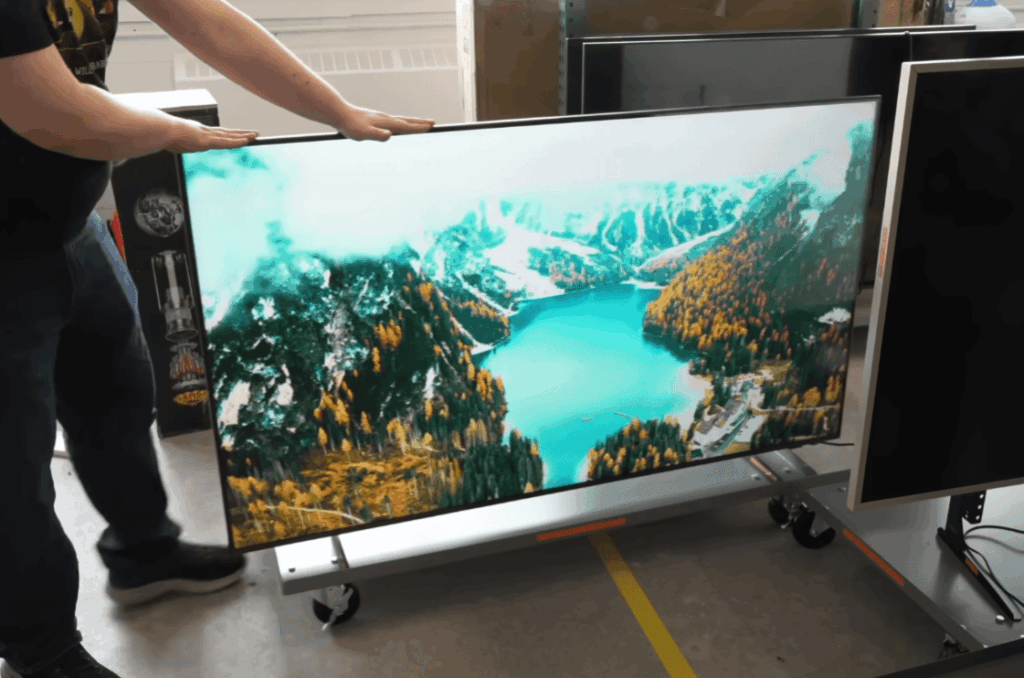
For movie lovers, quantum dot displays create vibrant, engaging visuals. Their rich color saturation brings animated films and colorful dramas to life with remarkable intensity.
The advanced backlight technology offers a different cinematic advantage. Its precise dimming creates stunning contrast in dark scenes. Shadowy thrillers and space epics gain incredible depth and realism.
HDR content especially benefits from this technology. It handles extreme brightness differences beautifully. You see the director’s full creative vision with brilliant highlights alongside deep blacks.
Optimized for Gaming Features
Modern televisions come packed with gaming enhancements. Auto Low Latency Mode (ALLM) automatically switches to game mode when you start playing. Variable Refresh Rate (VRR) syncs the screen with your console to eliminate tearing.
Both types of displays offer fast response times and smooth motion handling. This reduces blur during intense action sequences. Higher-end models often include AI Auto Game Mode for automatic optimization.
The premium backlight technology provides additional gaming advantages. Features like FreeSync Premium support make gameplay exceptionally smooth. The superior contrast makes horror games and open-world adventures look absolutely stunning.
Casual gamers will find excellent performance in more affordable models. Serious enthusiasts may prefer the enhanced capabilities of premium televisions for the ultimate gaming experience.
Durability, Cost, and Viewing Comfort
Beyond stunning visuals, the long-term value of your TV purchase hinges on durability, eye comfort, and overall cost-effectiveness. These practical factors determine how well your investment serves you over years of regular use.
Long-Term Reliability and Eye Comfort
Both advanced display technologies offer excellent durability for extended viewing sessions. Unlike OLED panels that can experience burn-in with static content, these LED-based systems maintain consistent performance over time.
Modern quantum dot materials have significantly improved lifespan. TCL’s Colorful Quantum Crystal technology extends durability by 50% compared to earlier implementations. This prevents color fading and maintains vibrant picture quality.
For eye comfort during long viewing periods, Samsung’s Neo QLED models feature EyeComfort Mode. This automatically adjusts brightness and color temperature to reduce strain. Both technologies handle extended watching well, ensuring a comfortable experience.
Price, Value, and Screen Size Considerations
The more complex backlighting system in premium displays typically commands higher prices. You’re paying for superior contrast, deeper blacks, and enhanced HDR performance. Whether this justifies the cost depends on your viewing habits.
Standard quantum dot models deliver excellent value at more accessible price points. They offer vibrant colors and good brightness for budget-conscious buyers seeking an upgrade from basic LED TVs.
Both technologies are available in a wide range of screen sizes. From compact 55-inch models to massive 85-inch displays, you have more flexibility than with OLED options. This makes finding the perfect fit for your space easier.
| Practical Factor | QLED Advantage | Mini LED Advantage |
|---|---|---|
| Long-Term Durability | Improved quantum dot lifespan | Stable backlight performance |
| Eye Comfort Features | Standard brightness controls | Advanced comfort modes available |
| Price Point | Excellent value for budget | Premium performance at higher cost |
| Size Availability | Wide range of options | Comprehensive size selection |
Consider standard quantum dot technology if you want great picture quality at a reasonable price. Choose the advanced backlight system if you’re a serious enthusiast who values top-tier performance and can justify the investment.
Conclusion
Choosing between these advanced display technologies ultimately comes down to your personal entertainment priorities. Both represent significant upgrades over traditional LED televisions.
The technology with thousands of tiny backlights delivers superior contrast and deeper blacks, making it ideal for serious movie fans and gamers. It excels with HDR content in any lighting condition.
Standard quantum dot displays offer vibrant colors and impressive brightness at more accessible prices. They provide excellent value for bright rooms and general viewing.
Consider your budget, room lighting, and content preferences when deciding. Manufacturers continue to innovate, narrowing the performance gap between these options.
Whichever you choose, you’ll enjoy years of stunning picture quality and immersive viewing experiences. Both technologies deliver exceptional performance that transforms your entertainment.