Lights, camera, action! It’s time to lift the curtain and enter the mesmerizing world of movie magic. Have you ever wondered about the incredible technology that brings the silver screen to life in theaters? Well, prepare to be amazed as this guide takes you on a behind-the-scenes journey into the illuminating world of projectors. This article will uncover the secrets behind the projectors that make theater experiences unforgettable, giving you an exclusive glimpse into the mesmerizing mechanics that work tirelessly behind those dark screens. So, grab your popcorn and get ready to delve deep into the realm of movie enchantment as the article unveils the astonishing projectors that illuminate the big screen like never before.
What are movie theaters?
Movie theaters, also known as cinemas, are captivating commercial venues where motion pictures or movies are showcased on a grand scale, captivating audiences with their larger-than-life presence. These establishments have been prominent for well over a century, standing as timeless sanctuaries of entertainment that transport viewers into captivating worlds and immersive stories.
Throughout their illustrious history, movie theaters have undergone several transformations, adapting to the evolving demands of cinema-goers. However, amidst all the changes, one element has remained steadfast – the indispensable role of projectors in painting the silver screen with enchanting tales. Projectors, serving as the backbone of movie theaters, are the magical contraptions responsible for bringing the captivating art of cinema to life. Without these incredible machines, the mesmerizing allure of movies would simply not be possible.
In the modern era, movie theaters employ a diverse range of projectors, each with its unique technology and capabilities. From advanced digital projectors to classic film projectors, these remarkable devices operate in distinct ways but ultimately share the same noble mission: to project vivid and breathtaking images onto massive screens, ensuring an unforgettable visual experience with unparalleled clarity and quality.
So, take a deep dive into the enthralling world of movie projectors, and unravel the intricate workings and cutting-edge technologies that make them an indispensable cornerstone of the mesmerizing movie theater experience. Allow yourself to be captivated by the sheer wonder and magic they bring, and appreciate the meticulous artistry that goes into creating unforgettable cinematic moments on the grandest of scales.
The technology behind movie projectors
Projectors utilize a sophisticated combination of precisely engineered lenses, advanced light sources, and sophisticated digital or mechanical systems to display captivating images on screens. These remarkable devices have undergone remarkable advancements throughout the years, transitioning from the early days of film projectors to the cutting-edge digital projectors of today.
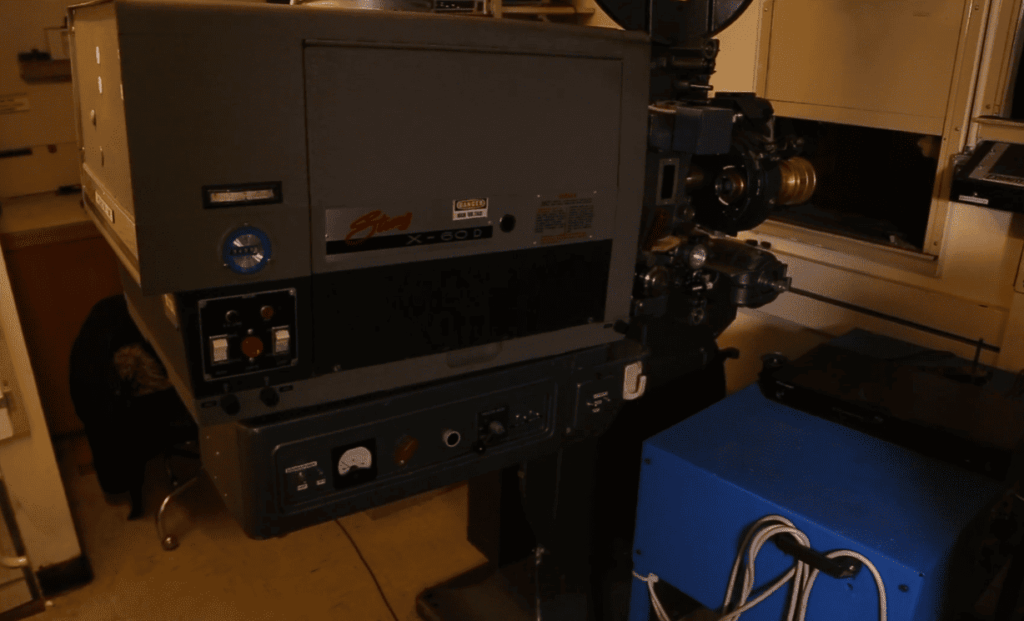
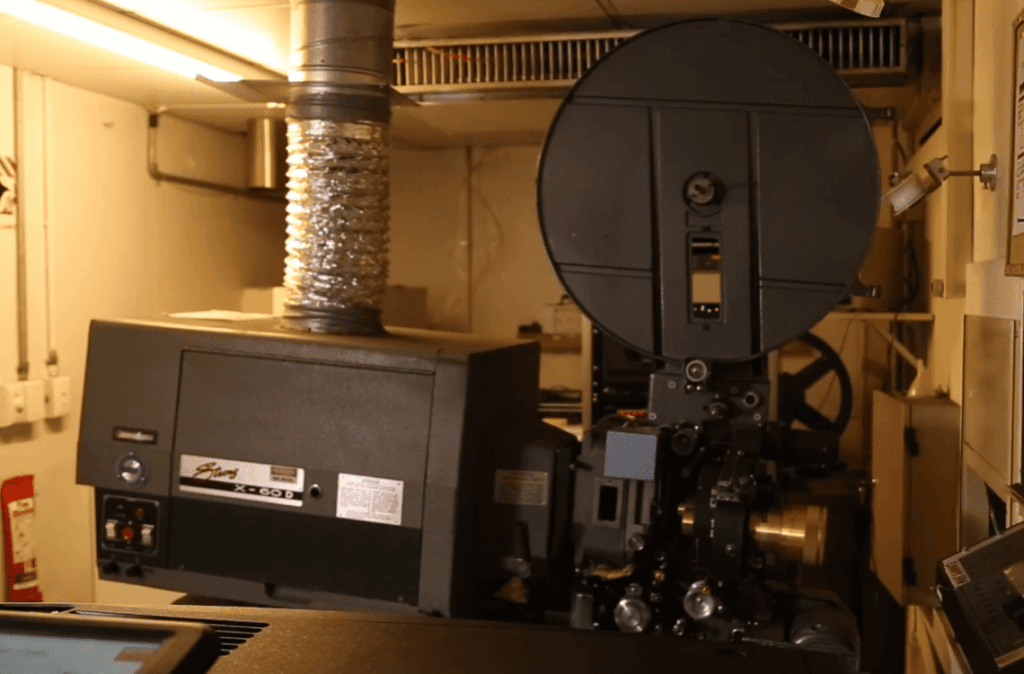
In the realm of film projectors, a continuous loop of film gracefully moves in front of a powerful light source, elegantly passing through a meticulously crafted series of lenses. This harmonious interplay of film and lenses breathes life into the still frames, creating a mesmerizing spectacle of moving images. The projector’s reel spins at a constant speed, perfectly synchronized to allow the frames on the film to dance with fluidity, seamlessly blending together to create the illusion of captivating motion.
Contrastingly, digital projectors harness the power of light to project images from a computer or storage device onto a screen with remarkable precision. Evolving from traditional cathode ray tube (CRT) projectors, these modern marvels employ cutting-edge laser and LED technologies. These advancements in light projection offer higher resolutions, vivid colors, and brighter, more dynamic images that truly captivate the senses.
As technology continues to push the boundaries of innovation, projectors remain steadfast in their fundamental principles, captivating audiences with their ability to bring images to life on the big screen.
Types of projectors available for cinemas
Digital light processing (DLP) projectors
DLP (Digital Light Processing) projectors have long served as the backbone of movie theaters, delivering captivating and immersive experiences to audiences worldwide. These projectors utilize an advanced array of micro-mirrors, with each mirror representing a single pixel, meticulously reflecting light onto the projection screen.
At the heart of DLP projectors lies the digital micromirror device (DMD), an intricate component comprising thousands of tiny mirrors that artfully tilt towards or away from the light source. This precise manipulation produces a stunning interplay of dark and bright pixels, resulting in unrivaled image quality characterized by remarkable contrast, clarity, and sharpness. With their exceptional technology, DLP projectors continue to set the standard for visual excellence and bring stories to life on the big screen.
Liquid crystal display (LCD) projectors
LCD (Liquid Crystal Display) technology, widely utilized in TVs and computer monitors, has expanded its reach to movie theaters in the form of LCD projectors. These sophisticated projectors employ a fascinating mechanism that involves the transmission of light through three distinct LCD panels, each meticulously representing one of the primary colors: red, green, and blue.
The masterful combination of these color representations culminates in the creation of a vibrant, full-color image on the projection screen. Notably, unlike DLP (Digital Light Processing) projectors, LCD projectors boast a durable construction and are less susceptible to maintenance issues, primarily because they don’t rely on intricate moving parts to render an image. This exceptional durability and reliability make LCD projectors an excellent choice for delivering mesmerizing visual experiences in various settings.
Laser projectors
Laser projectors, the cutting-edge innovation in cinema projection technology, have revolutionized the movie-watching experience. By utilizing laser light sources instead of traditional lamps or bulbs, these projectors deliver unparalleled brightness and astonishingly vivid images that truly transport viewers into the heart of the story. With a wider color gamut, colors appear more vibrant and true-to-life on the screen, immersing audiences in a world of visual richness.
Moreover, laser projectors boast a significantly longer lifespan compared to other types of projectors, reducing maintenance costs and ensuring uninterrupted screenings for extended periods. Despite these remarkable advancements, it is worth noting that the higher cost associated with laser projectors has limited their widespread adoption among movie theaters, making them a relatively less popular choice in the industry.
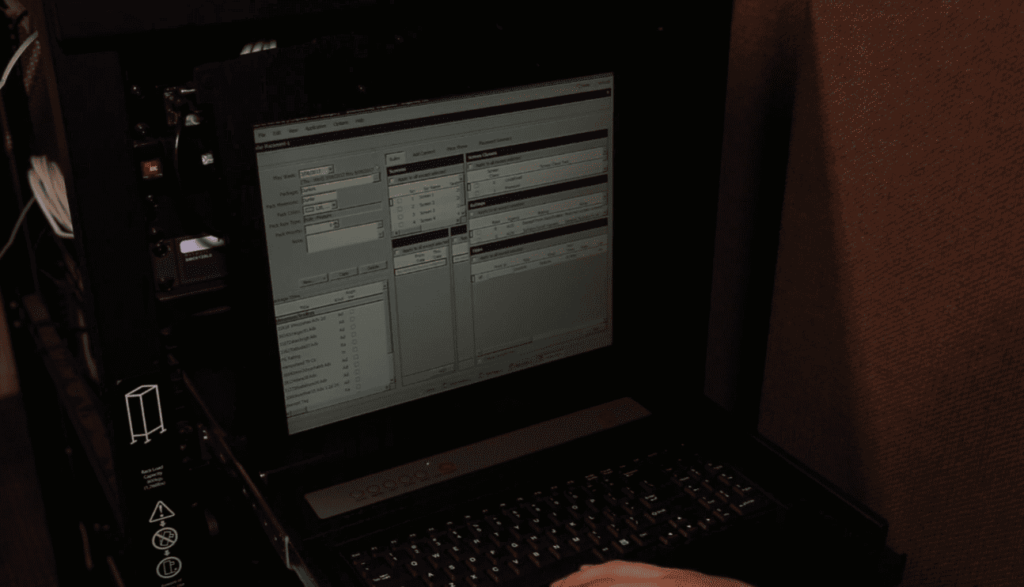
Features Of A Movie Theater Projector
When it comes to the features of a movie theater projector, there are several key elements that contribute to creating an exceptional viewing experience. These include:
Resolution
Resolution, in the context of images, refers to the number of pixels that make up an image. It plays a crucial role in delivering visually captivating experiences on the big screen. The higher the resolution, the more pixels are packed into the image, resulting in sharper and more intricate details. For instance, Digital Light Processing (DLP) and Liquid Crystal Display (LCD) projectors are commonly equipped with resolutions of 2K or 4K, while laser projectors can achieve even more impressive resolutions of up to 8K, providing an even greater level of detail and realism for viewers to immerse themselves in.
Brightness
The brightness of a projector plays a crucial role in determining the vividness and brilliance of the images displayed on the screen. It is measured in lumens, with higher numbers indicating a more intense and vibrant projection. In movie theaters, where creating an immersive cinematic experience is paramount, the standard brightness of projectors typically ranges from 12,000 to 25,000 lumens. This ensures that even in large screening rooms, the projected images are accompanied by ample illumination, allowing viewers to fully immerse themselves in the magic of the movies.
Contrast
In simple terms, contrast in an image refers to the variation between the darkest and brightest portions. It plays a crucial role in enhancing the visual experience by adding depth and dimension to the picture. A high-contrast projector takes this to the next level by precisely reproducing deep blacks and bright whites, resulting in more vibrant and lifelike pictures that truly pop off the screen.
One technology that excels in contrast performance is DLP (Digital Light Processing) projectors. Renowned for their exceptional contrast ratio, often exceeding 2000:1, they offer unparalleled image quality with remarkable clarity and detail. The superior contrast capabilities of DLP projectors make them an ideal choice for those seeking immersive and captivating visuals that bring every scene to life.
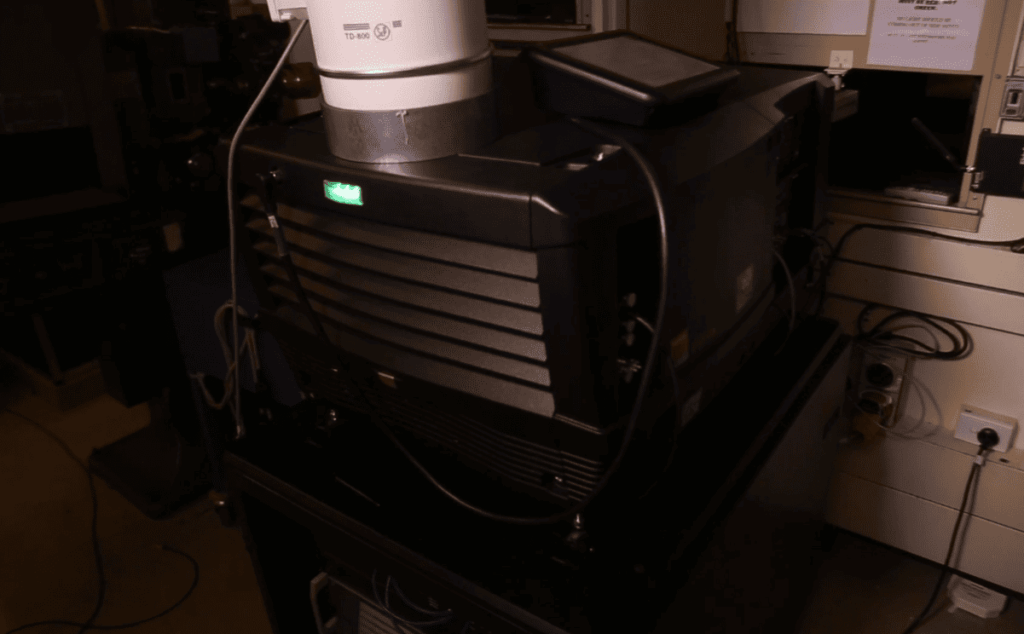
3D Capabilities
With the rise of 3D movies, the ability to project images in 3D has become a crucial and sought-after feature for modern movie theater projectors. Many DLP (Digital Light Processing) and laser projectors come equipped with specialized technology, such as active shutter glasses or polarized filters, that enables them to project high-quality 3D images onto the big screen. This immersive viewing experience not only adds depth and realism to the visuals but also enhances the overall cinematic experience, bringing the action on the screen to life in a way that captivates and enthralls the audience. As a result, this feature has gained significant popularity among moviegoers and is now considered a standard offering in many movie theaters around the world, ensuring that movie enthusiasts can fully immerse themselves in the magic of 3D storytelling.
Screen Size
The size of the screen is a crucial factor to consider when it comes to choosing a movie theater projector. The bigger the screen, the more immersive and grandiose the viewing experience becomes for audiences. This makes it essential for projectors to have sufficient brightness and resolution capabilities to provide clear and vivid images even on larger screens. Projectors with a higher lumen count and resolution, such as laser projectors, are often preferred for larger screens as they can maintain the same level of image quality even on a bigger scale.
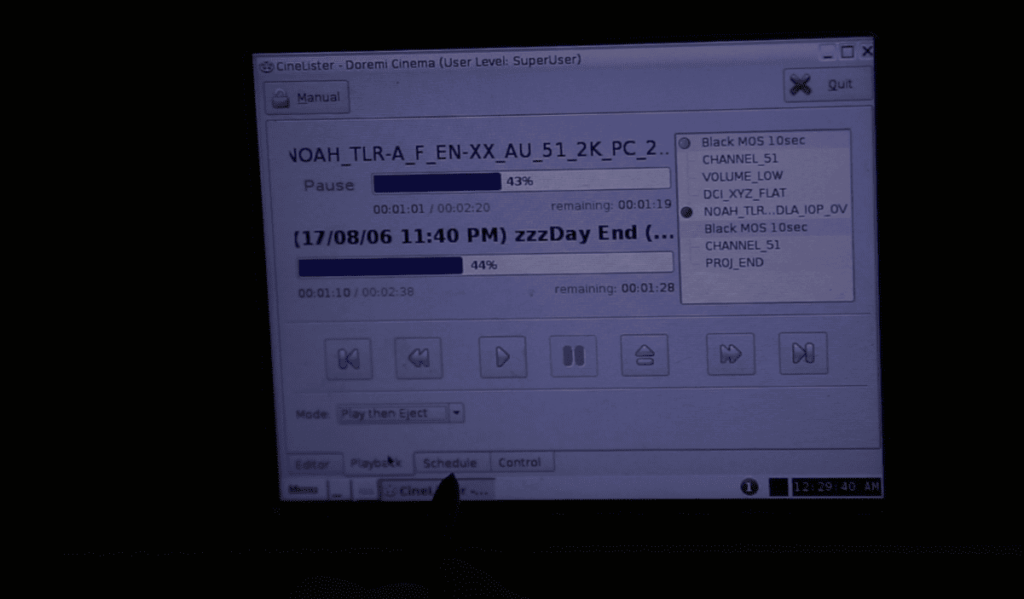
High Frame Rate (HFR) Support
High Frame Rate support refers to the ability of a projector to deliver images at a high frame rate, usually higher than the standard 24 frames per second (fps). This feature enhances the fluidity and smoothness of motion on screen, resulting in more realistic and lifelike visuals. With technological advancements in digital cinema projection, many projectors now support frame rates of up to 120 fps, providing viewers with an even more immersive and captivating viewing experience that truly brings the action on screen to life. This feature is particularly popular in action-packed movies, where smooth and fluid motion plays a crucial role in delivering an exciting and engaging narrative.
Cooling System
The cooling system of a movie theater projector is another crucial feature to consider. As projectors need to run for extended periods during screenings, it is essential to have efficient and reliable cooling mechanisms in place to prevent overheating and ensure the longevity of the device. Laser projectors are particularly known for their advanced cooling systems, which allow them to operate effectively even in high-temperature environments, making them a popular choice for movie theaters located in warmer climates.
Weight and Portability
While movie theater projectors are typically installed in a fixed location, there are instances where they may need to be moved or transported for various reasons. In such cases, the weight and portability of the projector become important factors to consider. Laser projectors, with their compact and lightweight design, have made it easier to transport and install them in different locations without compromising on image quality. This makes them a popular choice for outdoor movie screenings, events, and temporary installations where portability and efficiency are crucial.
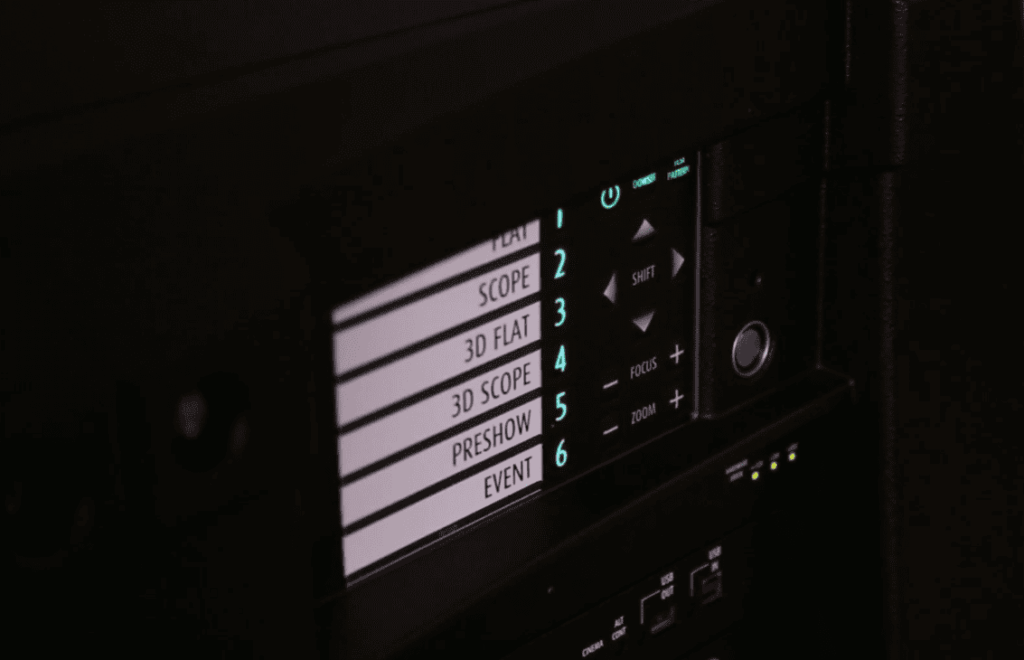
Pricing
With all the advanced features and capabilities offered by modern movie theater projectors, one would assume that they come with a hefty price tag. While this may be true for high-end laser projectors used in large commercial theaters, there are also more affordable options available for smaller or independent cinemas.
With a range of options to choose from and advancements in projection technology leading to lower production costs, movie theater projectors are now more accessible and affordable than ever before, allowing smaller theaters to provide their audiences with an immersive and captivating cinematic experience without breaking the bank.
FAQ
What kind of projector is used in theaters?
Movie theaters typically use DLP (Digital Light Processing) projectors or laser projectors. DLP projectors utilize micro mirrors to reflect light, resulting in exceptional contrast and image quality. On the other hand, laser projectors employ laser diodes to deliver sharp and vibrant visuals. Both types of projectors excel in creating an immersive viewing experience in a theater setting, captivating audiences with stunning visuals and lifelike colors.
Do all movie theaters have 3D capabilities?
Not all movie theaters have 3D capabilities. However, with the increasing popularity of 3D movies, many theaters have recognized the demand and have begun upgrading their projectors to support immersive 3D viewing experiences. This exciting feature has now become a standard offering in most commercial movie theaters, giving moviegoers the opportunity to enjoy movies in stunning 3D and be fully immersed in the action on the big screen. So, whether you’re an avid fan of 3D films or simply curious to experience the next level of cinematic entertainment, you can now expect to find this captivating technology available at your local theater.
How do cooling systems affect projector performance?
Efficient cooling systems are crucial for maintaining the longevity and performance of a projector. As projectors run for extended periods, they generate a significant amount of heat, which can affect the quality and reliability of the device. A well-designed cooling system ensures that the projector operates at an optimal temperature, preventing overheating and potential damage to the internal components. This allows for consistent and reliable performance, ensuring that audiences can fully enjoy their viewing experience without any interruptions or technical difficulties.
Are laser projectors more expensive than traditional projectors?
While laser projectors may have been considered a luxury item in the past, technological advancements and increased competition have led to a decrease in production costs. As a result, laser projectors are now becoming more affordable and accessible for smaller theaters as well. While they may still be pricier compared to traditional projectors, their advanced features and long lifespan make them a more cost-effective option in the long run. Additionally, the enhanced image quality and energy efficiency of laser projectors also result in lower operating costs for theaters, making them a worthwhile investment for both large commercial cinemas and smaller independent theaters alike.
What brand projectors do cinemas use?
Cinemas use a variety of projector brands, with some popular options being Barco, Christie, and Sony. These brands are known for their high-quality projectors that deliver exceptional image quality and performance in commercial settings. However, there are also other reliable and cost-effective options available from lesser-known brands, making the selection process ultimately dependent on the specific needs and budget of the theater. Regardless of the brand, it is essential for theaters to choose a reliable and high-quality projector that can deliver an unforgettable cinematic experience for their audiences.
Do movie theaters use 4K projectors?
Yes, many movie theaters have adopted 4K projectors as the standard for their screenings. With an impressive resolution of 4096 x 2160 pixels, 4K projectors offer four times the resolution of traditional Full HD (1920 x 1080) projectors, resulting in incredibly sharp and detailed images on the big screen. This enhanced visual experience has become a popular choice for moviegoers, making 4K projectors a standard in most commercial theaters today. Additionally, with advancements in technology, 4K projectors are now becoming more affordable and accessible for smaller theaters as well.
How much does a movie theater projector cost?
Movie theater projectors can range in price from a few thousand dollars to tens of thousands of dollars, depending on the type and brand. High-end laser projectors used in large commercial theaters can cost upwards of $50,000 or more. However, there are also more affordable options available for smaller or independent cinemas, with prices starting at around $5,000 for traditional projectors and $10,000 for laser projectors. It is important for theaters to carefully consider their needs and budget when selecting a projector that will provide the best value and performance for their audience.
What do movie theaters use to project movies?
Movie theaters use specialized projectors specifically designed for large-screen projections. These projectors are equipped with high-powered lamps or laser diodes to produce bright and vibrant images that can be projected onto a large screen without losing quality. They also come with advanced features such as lens zoom, focus, and shift capabilities to ensure the best possible image quality in different viewing environments. Additionally, theater projectors are also equipped with powerful cooling systems to ensure optimal performance and durability during extended usage. Overall, these specialized projectors are what make the cinematic experience truly immersive and captivating for audiences.
Conclusion Paragraph
So, projectors for movie theaters have come a long way from the traditional film projectors that were used in the past. With advancements in technology, movie theaters now have access to high-quality and advanced projectors that deliver stunning visuals and lifelike colors, creating an immersive viewing experience for audiences. From 3D capabilities to efficient cooling systems and affordable laser projectors, these technological developments have made it possible for movie theaters to provide an unforgettable cinematic experience for their audiences. As technology continues to evolve, we can only expect projectors to become even more advanced and accessible in the future, further enhancing the magic of the big screen for years to come.