Imagine sitting in a dark room, eagerly waiting for the movie to start. As the lights dim and the projector springs to life, colors dance across the screen, captivating your attention. But have you ever wondered, as you marvel at the vibrant hues, how a projector is able to project true darkness? This blog post will delve into the intriguing world of black projection on projectors, shedding light on the science that makes this seemingly impossible feat possible. So, grab a bucket of popcorn and prepare to unravel the secrets behind the enigmatic blackness that graces the cinema screen.
What is a black color projection?
A black color projection is a fascinating process that involves the projection of true darkness onto a projector screen. It goes beyond simply displaying black pixels or areas on the screen; it creates an immersive experience by completely eliminating any trace of light, resulting in a pure black color. To achieve this, projectors employ a combination of advanced technologies and ingenious techniques to effectively block out ambient light and create an illusion of complete darkness. By doing so, they enhance the overall contrast and image quality, allowing viewers to enjoy a more immersive and captivating visual experience.

There are a few key techniques used to achieve black color projection, and each one plays a crucial role in creating the perfect cinematic experience. The first technique used is known as “doubling up,” which involves using two projectors instead of one. This doubles the amount of light being projected onto the screen, resulting in a more vibrant and contrasted image.
Another technique used is “masking,” which involves placing a black border around the projected image to block out any excess light that may spill onto the screen, creating a sharper and more defined edge to the image. Additionally, projectors also use advanced technologies such as dynamic iris control and laser light sources to fine-tune the contrast levels and improve color accuracy, making the blacks appear even darker and more true to life.
So next time you find yourself in a dark movie theater, marveling at the mesmerizing black projection on the screen, remember that there is an intricate science behind it all. Projectors have come a long way in creating truly immersive viewing experiences, and their ability to project true darkness is just one of the many feats that make them such an essential part of modern-day cinema.
With constant advancements in technology, who knows what other captivating wonders projectors will bring to our screens in the future. The possibilities are endless, and we can’t wait to see what the next breakthrough will be. Until then, sit back, relax, and enjoy the show!
Dark vs. White projector screens
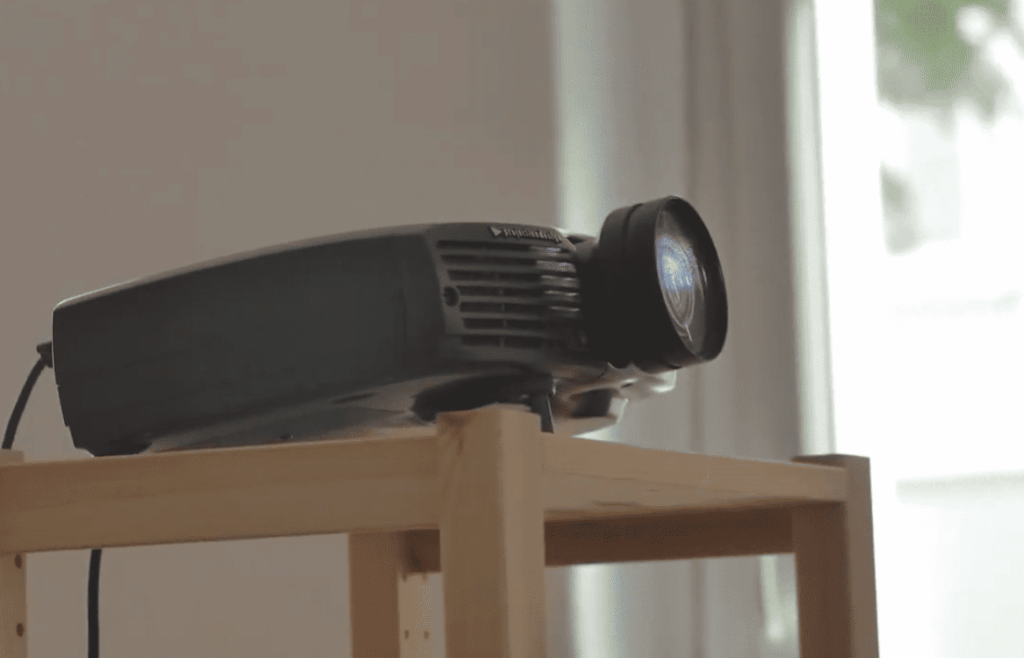
When it comes to projecting black colors, the type of screen being used plays a significant role. Many projectors are designed to work best with a neutral grey or white screen, as these screens reflect light more evenly and produce brighter images. However, for projectors that excel in creating true blacks, using a dark or black projector screen can enhance the overall viewing experience even further.
A dark projector screen absorbs ambient light, preventing it from reflecting back onto the screen and causing unwanted glare or washed out images. This results in deeper, more defined blacks and a more immersive viewing experience. However, using a dark projector screen may not be suitable for all types of projectors, so it’s essential to do some research before investing in one.
Ultimately, the choice between a dark or white projector screen will depend on personal preference and the capabilities of your projector. Both options have their advantages and can enhance your overall viewing experience, so it’s worth experimenting to find which one works best for you.
Black color projection is an integral part of creating a captivating cinematic experience. With advancements in technology and techniques, projectors continue to push the boundaries and create even more realistic and immersive viewing experiences. So, next time you watch a movie, take a moment to appreciate the intricate science behind the mesmerizing black projection on the screen. So go ahead, dim those lights, and let yourself get lost in the magic of true darkness.
Factors affecting black projection on the projector
Projector brightness (Lumens)
One of the main factors that can affect black projection on a projector is its brightness, measured in lumens. The higher the lumen count, the brighter the projected image will be. This means that projectors with high lumen counts may struggle to produce true blacks as they are designed to create brighter images. On the other hand, projectors with lower lumen counts may be able to produce deeper blacks, but the overall image quality may suffer. It’s essential to find a balance between brightness and black projection when choosing a projector for your viewing needs.
Ambient light
Another important factor that can have a significant impact on the quality of black projection on a projector is the presence of ambient light. Ambient light refers to any external light source in the room, be it natural sunlight streaming through the windows or artificial lighting fixtures.
When there is a substantial amount of ambient light present, it becomes increasingly challenging for projectors to produce deep and true blacks, as the excess light tends to wash out the image on the screen. This is precisely why movie theaters are intentionally kept dimly lit during screenings, as it helps to minimize the adverse effects of ambient light on the projection, allowing viewers to fully immerse themselves in the cinematic experience.
Screen color and material
As mentioned earlier, the type of screen being used plays a significant role in black projection. White or neutral grey screens reflect light more evenly, ensuring a balanced distribution of light across the display. On the other hand, dark or black screens absorb light, enhancing the contrast ratio and delivering deeper blacks for a more immersive viewing experience. Additionally, the material composition of the screen also influences its ability to reflect or absorb light, so it’s crucial to select a screen that complements your projector and aligns with the specific characteristics of your viewing environment. By carefully considering these factors, you can optimize your projection setup and elevate the overall quality of your visual display.
Room Lighting
The lighting in the room can also affect black projection on a projector. If the room is not properly lit, it can create shadows and uneven lighting, making it challenging for projectors to produce true blacks. It’s best to have controlled lighting in the room where the projector is being used to achieve optimal black projection.
Overall, several factors contribute to creating an ideal environment for black projection on a projector. By considering these factors and choosing the right projector, screen, and lighting setup, viewers can truly immerse themselves in a cinematic experience with captivating and lifelike black projections.
Surrounding colors
The colors surrounding the projected image can also have a significant impact on black projection. When the surrounding colors are darker, like black or deep blue, the black projections appear to have more depth and richness, creating a truly immersive viewing experience. On the other hand, lighter colors can make the black projection seem washed out, diminishing the overall visual quality. That’s why many movie theaters intentionally design their interiors with dark walls and ceilings, as it enhances the immersion and allows viewers to fully appreciate the cinematic magic unfolding on the screen.
Projector Contrast Ratio
The contrast ratio of a projector is a vital factor that greatly impacts its capacity to deliver true blacks. A higher contrast ratio enhances the projector’s ability to distinguish between light and dark areas with greater precision, resulting in deeper blacks and brighter whites, ultimately enhancing the overall visual experience. When selecting a projector for optimal black projection, it is crucial to carefully consider the contrast ratio to ensure unparalleled image quality and captivating visuals.
FAQ
Can projectors do true black?
Yes, projectors can indeed produce true black, but achieving optimal black projection involves considering various factors. These factors include the type of projector and screen being used, the ambient lighting conditions in the environment, and even the surrounding colors. Each of these elements can influence and impact the quality of black projection, ultimately shaping the overall visual experience. By carefully considering and managing these factors, one can ensure a more immersive and captivating viewing experience with rich and deep blacks that truly enhance the content being displayed.
How do I achieve optimal black projection on my projector?
To achieve optimal black projection on your projector, you should consider several factors such as projector brightness (lumens), ambient light, screen color and material, room lighting, surrounding colors, and projector contrast ratio. By finding a balance between these elements and selecting the right equipment for your viewing needs, you can optimize your projection setup to deliver true blacks and elevate the overall visual experience.
How do cinemas project black?
Cinemas achieve black projection by carefully controlling and balancing various factors such as projector brightness (lumens), ambient light, screen color and material, room lighting, surrounding colors, and projector contrast ratio. These elements work together to create an ideal environment for projecting deep and true blacks on the screen, immersing viewers in a captivating cinematic experience. Additionally, many cinemas also use specialized equipment such as black screens and high-contrast projectors to further enhance the quality of black projection. Overall, careful consideration and management of these factors are key to achieving optimal black projection in cinemas.
Can ambient light affect black projection on a projector?
Yes, ambient light can significantly impact the quality of black projection on a projector. Excessive ambient light can wash out the image on the screen, making it challenging to achieve true blacks. That’s why it’s essential to have controlled lighting in the viewing environment when using a projector for optimal black projection. By minimizing ambient light and carefully managing other factors, viewers can fully immerse themselves in the visual experience with captivating and lifelike black projections. Overall, ensuring an appropriate ambient light level is crucial for achieving optimal black projection on a projector.
Can a projector screen be black?
Yes, projector screens can come in black color and material. These specialized black screens are designed to absorb light rather than reflect it, allowing for deeper blacks and a higher contrast ratio. They are often used in cinemas and home theater setups for optimal black projection and enhanced visual quality. However, other factors such as the projector’s brightness (lumens) and room lighting should also be considered when using a black projector screen for optimal black projection. Overall, the choice of screen color and material can greatly impact the quality of black projection on a projector.
How does a projector project?
A projector works by using a light source, typically a lamp or LED, to project an image onto a screen. The light passes through the lens of the projector, which focuses and magnifies it onto the screen, creating a larger version of the image being displayed. Projectors use various technologies such as LCD, DLP, and LCoS to produce images with different levels of brightness, contrast, and color accuracy. By carefully managing the factors that influence black projection, projectors can deliver lifelike visuals with deep and captivating blacks for an immersive viewing experience.
How does a projector create an image?
Projectors create images by displaying individual pixels that combine to form an image. These pixels are created by manipulating the light from the projector’s source and projecting it through tiny LCD panels (in LCD projectors) or reflecting it off a DMD chip (in DLP projectors). Each pixel can adjust its level of transparency to control how much light passes through, creating different colors and shades. By precisely controlling these pixels, projectors can create detailed and dynamic images with a high level of brightness, contrast, and color accuracy.
How does a projector form a real image?
A projector forms a real image by using lenses to focus and magnify the light from its source onto a screen. This process creates a larger version of the original image being displayed, which is then perceived as a real image by the viewer’s eyes. The quality of the real image produced depends on various factors such as the type of projector, lens quality, and distance between the projector and screen. By carefully considering these factors, projectors can produce lifelike images with high levels of detail and clarity for an immersive viewing experience. Overall, a projector’s ability to create a real image is crucial in delivering captivating visuals that truly bring content to life.
Are projectors good for home theaters?
Yes, projectors can be an excellent choice for home theaters due to their ability to create large, high-quality images. They offer a more immersive viewing experience compared to traditional TVs while also being more cost-effective for larger screen sizes. Additionally, projectors can be mounted on the ceiling or placed on a shelf, saving valuable space in smaller rooms. With careful consideration of factors such as ambient light and room layout, projectors can deliver stunning visuals with optimal black projection in a home theater setup.
Conclusion Paragraph
In conclusion, achieving optimal black projection on a projector requires careful consideration and management of various factors such as projector brightness (lumens), ambient light, screen color and material, room lighting, surrounding colors, and projector contrast ratio. By carefully balancing these elements, cinemas can create an ideal environment for projecting deep and true blacks on the screen, immersing viewers in a captivating cinematic experience. Additionally, specialized equipment such as black screens and high-contrast projectors can further enhance the quality of black projection.