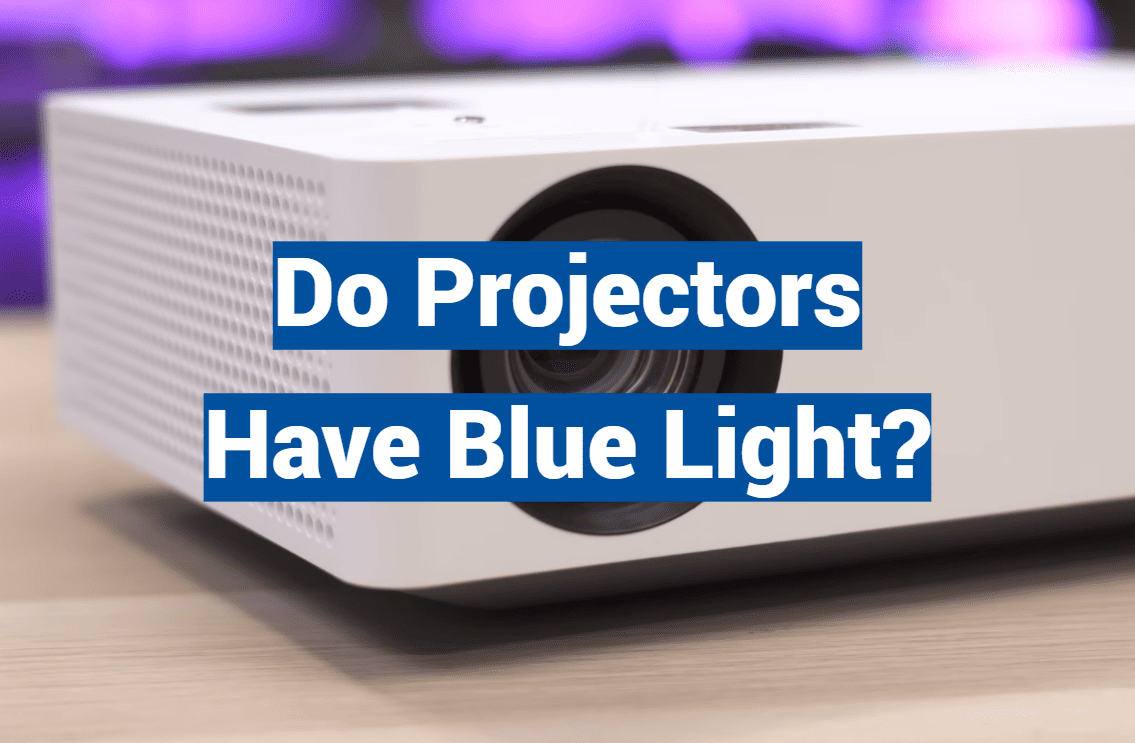
In an age where digital devices have become indispensable, discussions about their effects on our well-being are increasingly common. One topic that’s continuously in the spotlight, if you’ll pardon the pun, is blue light. It’s a term that’s come to carry with it some troubling associations with sleep disturbances and possible eye health risks. With the rising popularity of home entertainment projectors and their impressive luminosity, it’s worth exploring whether or not projectors hold the same blue light hazards that smartphones and computer screens do. This detailed and thorough exploration will dissect the truth about projectors and their blue light emissions. As it ventures into the realm of projector technology, discussing the levels and impact of blue light, and even sharing tips to manage this issue, you’ll gain a comprehensive understanding of how projectors fit into the blue light conversation.
What is Blue Light In Projectors?
Before delving into projectors, it’s essential to grasp the concept of blue light. Blue light, a part of the visible light spectrum, possesses a short wavelength and high energy. It originates primarily from sunlight, but is also emitted by energy-efficient lighting such as LEDs and compact fluorescents.
In the modern world, artificial sources of blue light have become increasingly prevalent. Computers, smartphones, and ventilation systems in workplaces all contribute to our exposure to blue light. And yes, projectors are also a source of blue light.
It’s important to note that blue light isn’t inherently bad. In fact, it can have positive effects on alertness and cognitive function. However, it’s crucial to strike a balance and be mindful of our exposure to blue light from various sources.
Understanding Projectors
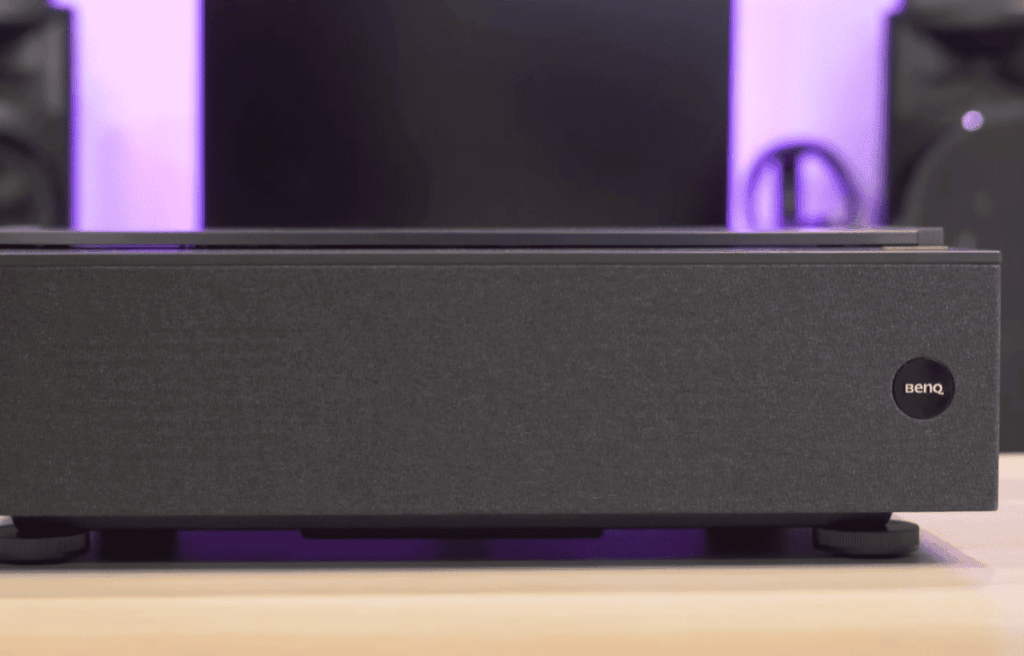
For those who are unfamiliar, projectors are devices that utilize a transparent lens to project images or videos onto a screen, typically positioned a few feet away, by emitting light. As technology continues to evolve, projectors have undergone significant advancements, leading to some confusion regarding the type of light they emit.
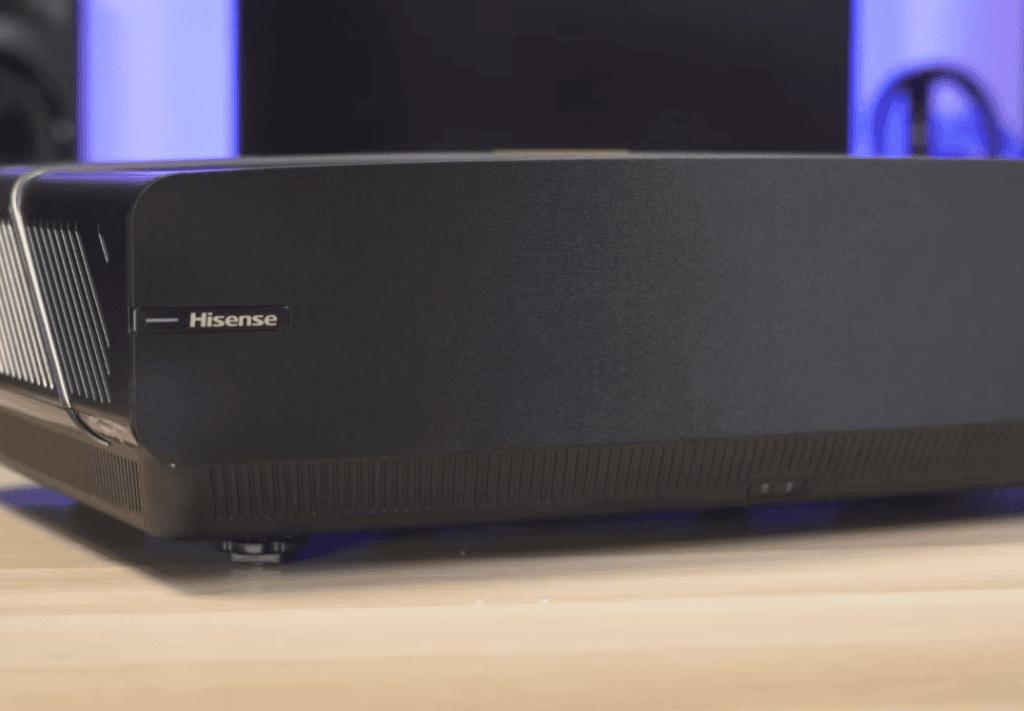
Traditional projectors traditionally employed halogen lamps in conjunction with mirrors to direct the light, while more contemporary models may rely on light-emitting diodes (LEDs) or lasers. These modern variations offer not only crisper images but also more vibrant colors, enhancing the overall visual experience. Moreover, these advancements have a direct impact on the spectrum of light projected, including the amount of blue light emitted.
By incorporating these cutting-edge technologies, projectors are able to provide a more immersive and visually captivating experience, meeting the demands of today’s ever-evolving multimedia landscape.
The Mechanism of Blue Light Emission in Projectors
Blue Light and Its Effects
The amount of blue light emitted by projectors is relative to the type and intensity of the lamp used. Generally, traditional halogen lamps emit a higher percentage of blue light compared to newer technologies such as LEDs and lasers. However, projectors with LED or laser technology still emit a significant amount of blue light due to their high levels of brightness.
When it comes to eye health, prolonged exposure to blue light can lead to eye strain and fatigue. This is because blue light scatters more easily than other colors, resulting in glare that can cause discomfort and affect vision. Additionally, studies have shown that excessive exposure to blue light at night, particularly from digital devices, can disrupt sleep patterns and negatively impact overall health.
Blue Light Emission in Projectors
As mentioned earlier, projectors emit blue light due to the type of lamp used. However, the amount of blue light can also be managed through specific settings and adjustments. For example, some projectors offer a “Blue Light Reduction” feature that allows users to adjust the amount of blue light emitted from the device.
Additionally, using a screen or filter specifically designed to block blue light can further reduce exposure. This is particularly useful for those who use projectors for extended periods, such as in a home theater setup or in a professional setting.
Reflection and Indirect Blue Light
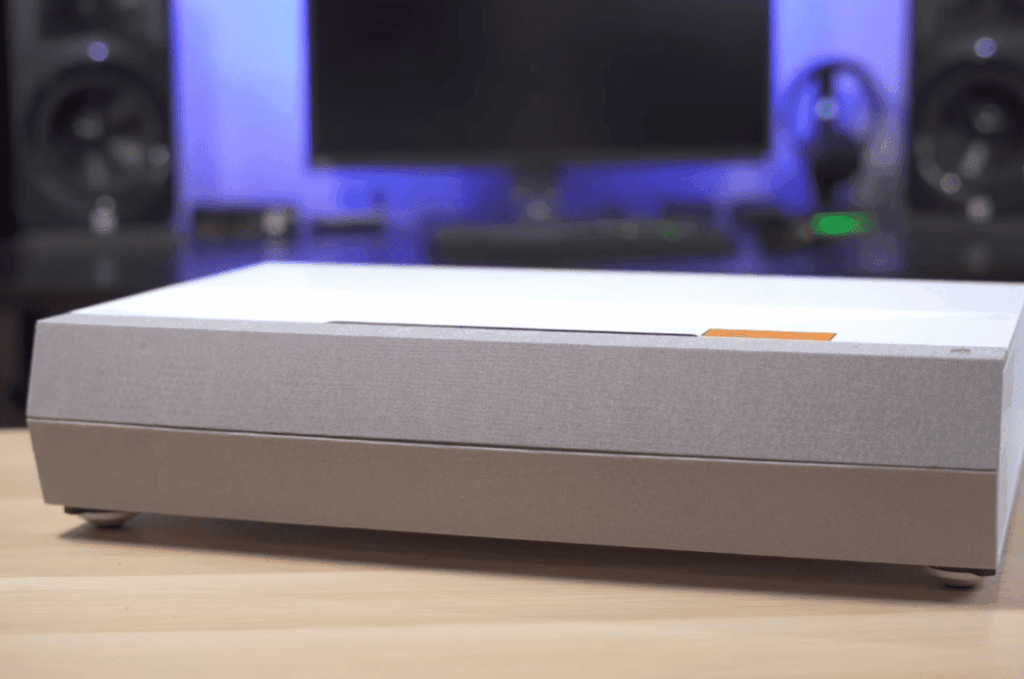
Another factor to consider is indirect blue light, which occurs when the projected image reflects off a surface and bounces back into our eyes. This can increase our overall exposure to blue light and potentially contribute to eye strain. To reduce this effect, it’s recommended to adjust the positioning of the projector and screen, as well as use anti-glare coatings on surfaces.
Safer than TVs and Phones?
In conclusion, while projectors do emit blue light, the amount is relatively lower compared to other digital devices such as smartphones and TVs. Additionally, with the advancements in projector technology and availability of features to reduce blue light emissions, projectors can offer a safer viewing experience for extended periods. However, it’s still important to be mindful of our exposure to blue light from various sources and take necessary precautions to protect our eye health. Ultimately, it’s about finding a balance and using technology responsibly for optimal health and well-being.
Tips for Managing Blue Light from Projectors
- Adjust the settings on your projector to reduce blue light emissions. By lowering the blue light output, you can minimize potential eye strain and discomfort caused by prolonged exposure to harsh blue light.
- Use a screen or filter specifically designed to block blue light. These specially designed accessories can effectively reduce the amount of blue light that reaches your eyes, making your viewing experience more comfortable and reducing potential negative impacts on sleep quality.
- Position the projector and screen in a way that reduces indirect blue light. By carefully positioning the projector and screen, you can minimize the amount of blue light that reflects off surrounding surfaces and enters your eyes. This can further enhance your visual comfort and reduce potential eye strain.
- Take breaks from prolonged use of projectors, just as you would with any digital device. Giving your eyes regular breaks from prolonged exposure to the projector’s light can help prevent eye fatigue and discomfort. Remember to look away from the screen periodically and focus on distant objects to relax your eye muscles.
- Avoid using projectors for entertainment right before bed. The blue light emitted by projectors can interfere with your sleep patterns by suppressing the production of melatonin, a hormone that regulates sleep. It is advisable to avoid using projectors for entertainment purposes close to bedtime to promote a more restful and rejuvenating sleep.
Effects of Blue Light on Health: The Dark Side of the Spectrum
Blue Light and Sleep
Perhaps one of the most well-known effects of blue light exposure is its potential to interfere with sleep patterns. Blue light, which is emitted by electronic devices and energy-efficient lighting, has been found to suppress the production of melatonin, the hormone responsible for regulating sleep. This disruption in melatonin levels can lead to difficulties falling asleep and maintaining a restful sleep throughout the night. Consequently, experts often caution against the habit of using screens or exposing oneself to blue light before bedtime to promote better sleep hygiene.
Blue Light and Eye Health
There is a substantial and ever-increasing body of research that suggests prolonged and continuous exposure to blue light, emitted by digital screens such as smartphones, tablets, and computers, could be closely associated with the development of digital eye strain. This condition can manifest through various distressing symptoms, including dry eyes, blurred vision, and headaches. The long-term implications of this phenomenon on eye health are still under comprehensive investigation, as experts strive to gain a deeper understanding of the potential risks and explore effective preventive measures.
Blue Light and Circadian Rhythm
The circadian rhythm, also known as our internal clock, plays a crucial role in regulating the sleep-wake cycle. This intricate system is highly sensitive to blue light, which is emitted by electronic devices and artificial lighting. When our circadian rhythm is disrupted, it can lead to sleep disorders and potentially worsen mental health issues such as anxiety and depression. Therefore, it is important to be mindful of the exposure to blue light and take steps to maintain a healthy sleep-wake cycle.
Retina Damage
Recent studies have revealed that prolonged exposure to blue light emitted by electronic devices may potentially contribute to retina damage. This emerging concern has sparked interest among researchers, who are delving deeper into the implications of this phenomenon. While the initial findings raise alarms, further investigation and comprehensive studies are required to gain a comprehensive understanding and establish concrete conclusions regarding the impact of blue light on retinal health.
Macular Degeneration
One of the major concerns related to blue light exposure is its potential association with age-related macular degeneration (AMD). This eye condition, which can lead to a gradual loss of central vision, has been linked to prolonged and repeated exposure to blue light. While research in this area is still ongoing, experts recommend taking proactive measures to reduce overall blue light exposure for optimal eye health.
How To Keep Your Eyes Safe From Damage By Blue Light From Projectors?
Limit direct exposure
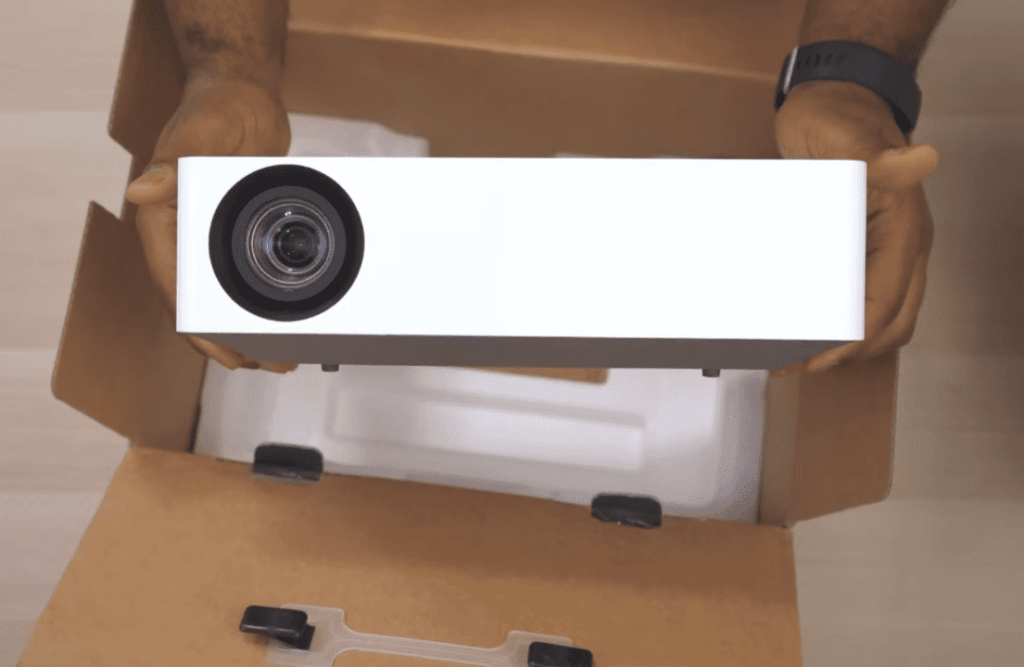
Blue light from projectors can be harmful to your eyes if you’re exposed to it for a long period of time. To prevent this, you should limit direct exposure to the projector’s light source. This means not sitting too close or facing directly towards the projector while it is in use. Instead, try to sit at an angle where the light from the projector isn’t directly hitting your eyes.
Use blue light filtering glasses
Another way to protect your eyes from blue light emitted by projectors is to use blue light filtering glasses. These special glasses are designed to block out harmful blue light and can help reduce eye strain and fatigue. They are a great option for individuals who spend a lot of time in front of projectors or other screens that emit blue light.
Maintain a safe distance
Not only should you limit direct exposure to the projector’s light source, but you should also maintain a safe distance from the projector. The recommended distance is at least 6 feet away from the screen. This will help reduce the intensity of blue light reaching your eyes and prevent potential damage.
Take regular breaks
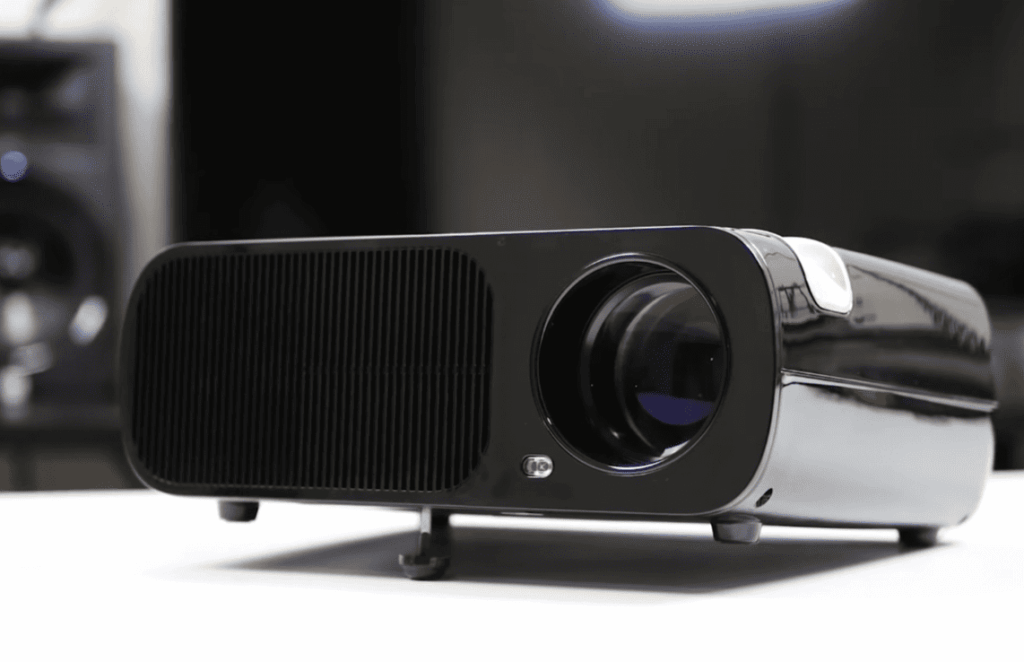
It’s important to take regular breaks when using projectors or any other electronic devices. This helps give your eyes a rest from the constant exposure to blue light and prevents eye strain and fatigue. A good rule of thumb is to follow the 20-20-20 rule – every 20 minutes, look away from the screen and focus on an object that is at least 20 feet away for 20 seconds.
Adjust brightness and contrast
Most projectors come with adjustable settings for brightness and contrast. It’s important to adjust these settings to a comfortable level that doesn’t strain your eyes. Generally, a lower brightness and contrast level is better for eye health.
Keep the room well-lit
To reduce the strain on your eyes, it’s important to keep the room well-lit when using a projector. This will help balance out the bright light coming from the projector and prevent your eyes from working too hard to adjust.
Get regular eye exams
Even with these precautions in place, it’s still important to get regular eye exams. An eye doctor can detect any potential issues caused by exposure to blue light and provide recommendations for further protection. They can also help ensure that your overall eye health is in check.
FAQ
Is a projector better for eyes than TV?
When comparing the impact on your eyes between a projector and a TV, it can be challenging to determine which is better. Both emit blue light, but with projectors, the source of light is typically positioned farther away from your eyes. This increased distance may potentially decrease the likelihood of eye strain. However, it’s important to note that the effects can vary depending on individual usage and preferences.
To ensure optimal eye health, regardless of the device you are using, it is crucial to take necessary precautions. This includes taking regular breaks, adjusting screen brightness, and maintaining proper lighting conditions in the room. By being mindful of these factors, you can help minimize any potential eye discomfort and maintain visual well-being.
Can blue light from projectors cause permanent damage?
Ongoing research is being conducted to understand the long-term effects of blue light emitted from projectors. Although it may not cause immediate damage, prolonged exposure can result in eye strain and fatigue. This can be particularly concerning considering the increasing reliance on projectors in various settings.
To safeguard your eyes, it is crucial to adopt preventive measures such as taking regular breaks, adjusting the brightness and contrast settings, and using blue light filters or glasses. If you experience any symptoms or concerns, it is advisable to consult with an eye doctor for a comprehensive evaluation and personalized recommendations. Remember, prioritizing eye health is key in our technologically-driven world.
Are all blue light filtering glasses the same?
Not all blue light filtering glasses are created equal. While they all aim to block out harmful blue light, the effectiveness may vary. Some glasses may have advanced filtering technologies that provide better protection than others. Therefore, it is crucial to conduct thorough research and seek guidance from an eye doctor before making a purchase decision. By doing so, you can ensure that you find the most suitable and effective pair of blue light filtering glasses for your needs. Your eye health deserves nothing less than the best!
Is it necessary to use blue light filtering glasses when using projectors?
It is not necessary to use blue light filtering glasses when using projectors, but it is recommended for individuals who spend a significant amount of time in front of projectors or other screens that emit blue light. It serves as an extra precaution to protect your eyes from potential harm. Overall, it’s important to be mindful of your eye health and take necessary measures to keep your eyes safe from blue light emitted by projectors.
Do projectors give blue light?
Yes, projectors do emit blue light. This is because most projectors use LED or LCD technology which produces white light that contains a high amount of blue wavelengths. While these devices may not emit as much blue light as screens like TVs or smartphones, they can still cause strain and discomfort if used for extended periods without proper precautions. It’s important to keep in mind the tips mentioned above to reduce the impact of blue light on your eyes when using projectors. So, it’s always better to be safe than sorry and take necessary precautions for optimal eye health! Ultimately, by being aware and proactive, you can enjoy the benefits of projectors without compromising your visual well-being. Keep these tips in mind and happy projecting!
What are the side effects of projectors?
The most common side effects of using projectors are eye strain, fatigue, and dry eyes. This is due to the constant exposure to blue light emitted by the projector’s screen. Other potential side effects can include headaches, blurred vision, and difficulty focusing. However, these side effects can be minimized or prevented by taking necessary precautions such as taking regular breaks and adjusting brightness and contrast settings. It’s important to listen to your body and take necessary breaks when using projectors for extended periods. Always prioritize your eye health to ensure a comfortable and enjoyable viewing experience.
How do I get rid of the blue light on my projector screen?
There are a few ways to reduce the amount of blue light emitted by your projector screen. One option is to adjust the brightness and contrast settings on your projector. Lowering these levels can help decrease the intensity of blue light. Another option is to use a blue light filter or special glasses that block out harmful blue light wavelengths. Additionally, taking regular breaks and keeping the room well-lit can also help reduce the impact of blue light on your eyes. So, even though it may not be possible to completely eliminate blue light from projectors, there are steps you can take to minimize its effects. Keep in mind that prioritizing eye health is crucial for maintaining clear and comfortable vision for years to come!
Why is it important to protect our eyes from blue light?
Blue light has been linked to various eye health concerns such as digital eye strain, fatigue, and potential retinal damage. With the increasing use of technology and screens in daily lives, it’s become more crucial than ever to take necessary precautions to safeguard the eyes. Furthermore, prolonged exposure to blue light can also disrupt sleep patterns, leading to other health issues. By protecting the eyes from blue light, you can maintain optimal eye health and overall well-being in today’s digital world. So, make it a priority to protect your precious peepers from harmful blue light!
Conclusion Paragraph
While projectors do emit blue light, the amount is relatively lower compared to other digital devices and can be managed with various techniques and precautions. However, it’s essential to understand the potential risks associated with prolonged and continuous exposure to blue light from various sources. By being mindful of our technology use and taking necessary measures to protect your eyes, you can maintain a healthier balance and promote overall well-being. Remember to prioritize your eye health, both when using projectors and other digital devices, for a better quality of life. Overall, with proper knowledge and responsible usage, projectors can still offer an enjoyable viewing experience without compromising our eye health.