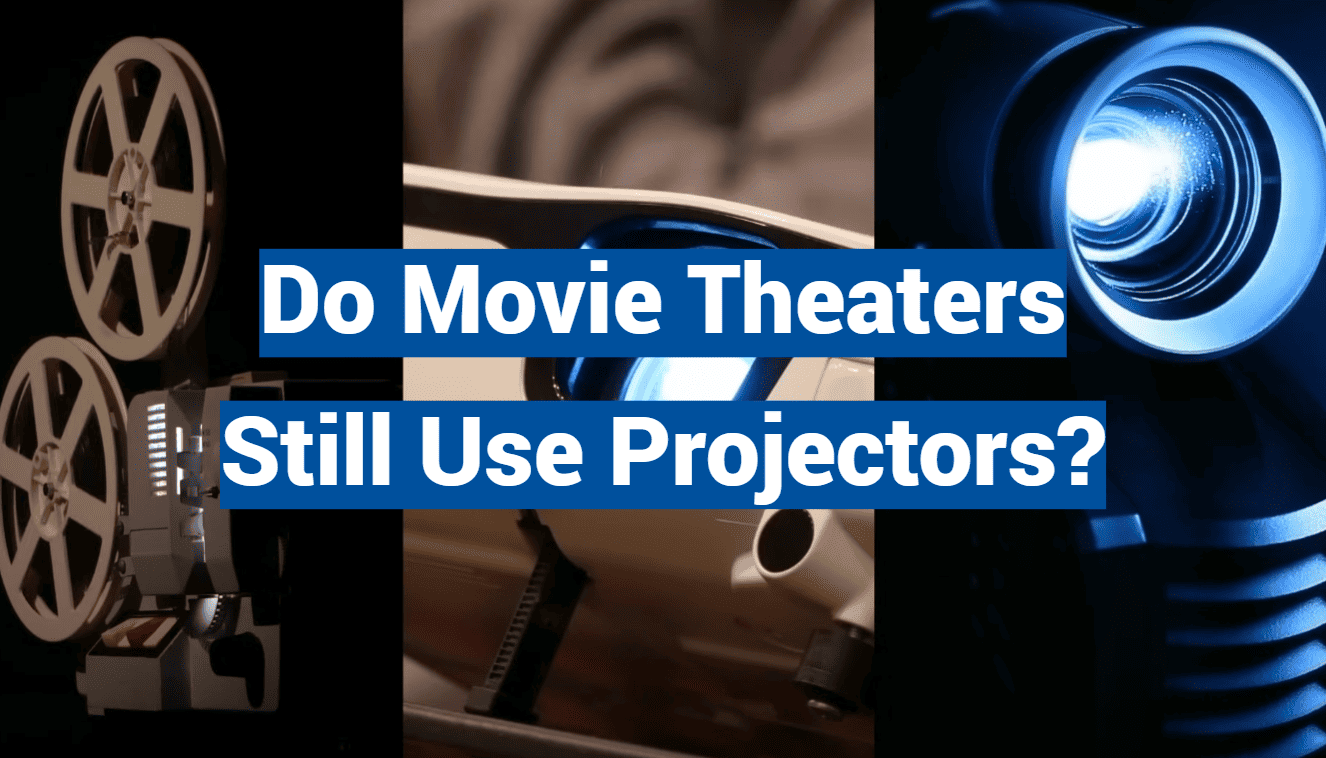
As you traverse deeper into the digital age, many traditional methods of entertainment and engagement have been shaken by the advent of new technologies. Movie theaters, long-standing pillars of communal film viewing, have not been immune to this seismic shift. One of the central questions that often arises from cinephiles and casual moviegoers alike is whether the iconic film projectors are still lighting up our silver screens. This article delves deep into the heart of movie projection, navigating through history, technology, and the visceral magic of light stretched across the dark canvas of the cinema hall.
History of Movie Projectors
The history of movie projectors is a fascinating tapestry intricately woven with the invention of motion pictures. It all began in 1895 when the Lumière brothers unveiled their groundbreaking creation, the cinematograph. This ingenious device combined a camera and a projector, marking the birth of cinema as we know it.
In the early days, projectors were operated by hand-cranking, requiring the projectionist to carefully adjust the speed to synchronize with the filming. This meticulous process ensured that the projected movie played at just the right pace, neither too fast nor too slow. These early projectors utilized reels of 35mm film, a standard that would endure for over a century.
As time went on, projectors underwent a series of remarkable innovations. The integration of sound brought a new dimension to the movie-watching experience, immersing audiences in a world of captivating audio and visuals. The advent of color further enhanced the magic of cinema, allowing filmmakers to bring their creative visions to life with vibrant hues and shades.
Indeed, the era of film reels reached its zenith with the widespread use of 70mm IMAX films. These larger-than-life productions continue to captivate audiences to this day, transporting them to awe-inspiring worlds through their breathtakingly immersive images.
The evolution of movie projectors is a testament to human ingenuity and the relentless pursuit of excellence in storytelling. From the Lumière brothers’ groundbreaking invention to the technological marvels of today, projectors have played an indispensable role in shaping the art of cinema and enriching our lives with unforgettable movie experiences.
Modern Movie Theater Technology
In the age of interactivity and immersive entertainment, movie theaters have had to innovate to compete with streaming services and home theater setups. This has led to the development of cutting-edge technologies like 3D and 4D experiences, where viewers can feel the action come to life, Dolby Atmos for enriched audio that surrounds you with every sound, and high frame rate (HFR) projection that allows for smoother, more realistic motion on the big screen.
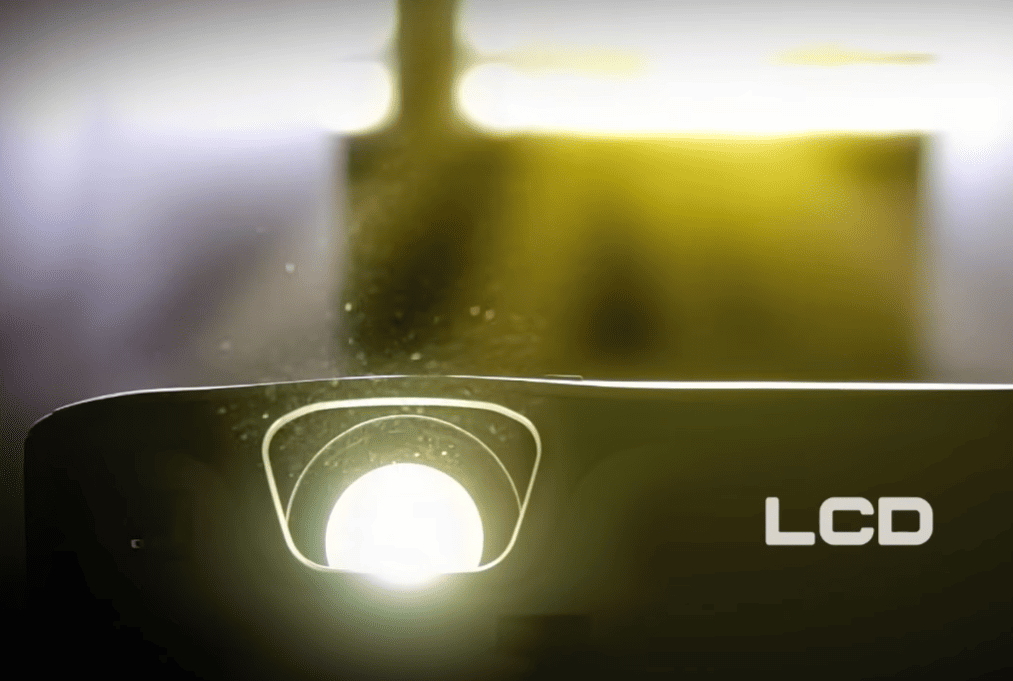
One of the most significant developments for improved picture quality and efficiency is the integration of laser projectors. These projectors utilize advanced laser technology to offer a broad color palette, high contrast ratios, and a remarkably sharp image compared to traditional bulbs. Each scene comes alive with vibrant colors and stunning details, bringing the director’s vision to life in vivid clarity.
Moreover, the shift toward more environmentally friendly and cost-effective technology has also seen an increase in LED projectors in some theaters. These projectors provide a stable, long-lasting source of light, reducing the need for frequent bulb replacements and lowering energy consumption. With LED projectors, moviegoers can enjoy their favorite films while knowing that they are contributing to a greener and more sustainable future.
As movie theaters continue to push the boundaries of technology and innovation, audiences can expect even more exciting advancements in the future. From advancements in virtual reality experiences to personalized viewing options, the movie theater experience is evolving to offer an unparalleled level of immersion and entertainment.
Digital vs Film Projectors
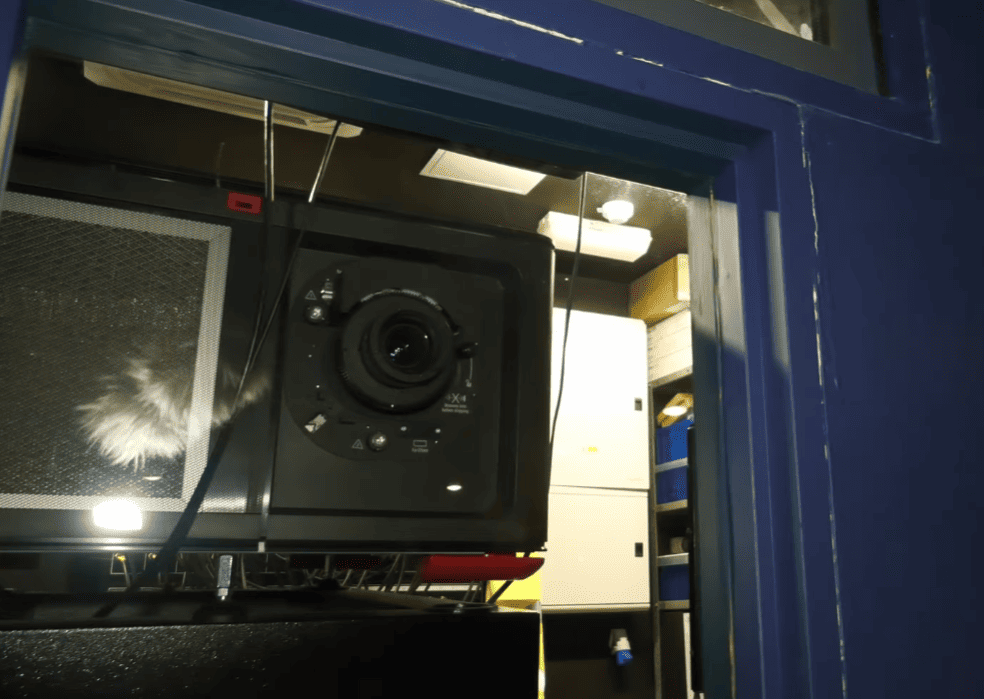
The turn of the 21st century marked a significant change in movie theater projectors, as digital projectors began to supplant film projectors. Digital projectors, equipped with advanced technology and high-powered computing capabilities, revolutionized the cinematic experience. These modern marvels decode encrypted movie files and project them digitally onto the screen, ensuring a new level of consistency and precision in picture quality.
With the advent of 4K resolution and higher, digital projection has transcended the limitations of traditional film, delivering breathtaking detail and immersive visuals that rival, and sometimes even surpass, the capabilities of analog formats.
Moreover, digital projectors have opened up a world of possibilities for theaters, enabling them to offer a more diverse range of content. From live theater broadcasts to high-definition streaming events, the flexibility of digital projection has transformed the way audiences engage with the big screen. The files required for digital screenings are compact and easily manageable, eliminating the need for bulky film reels that traditionally had to be shipped to theaters. This not only makes distribution more efficient but also more cost-effective, benefiting both theater owners and moviegoers alike.
Embracing digital projectors has truly revolutionized the movie theater experience, enhancing picture quality, expanding content options, and streamlining distribution processes. As technology continues to advance, we can only anticipate further innovations that will shape the future of cinema.
Modern Movie Theaters Use Projectors
Digital projectors in movie theaters
Digital projectors have revolutionized the film industry by offering superior picture quality, versatility in content, and streamlined distribution. This has allowed movie theaters to stay relevant in an age of fast-paced technological progress while maintaining the essence of communal viewing experiences.
With the constant evolution of technology, it’s difficult to predict what the future holds for movie projectors. However, one thing is certain: they will continue to be a cornerstone of the moviegoing experience, captivating audiences with their ability to bring stories to life on the big screen. So, while traditional film projectors may have taken a back seat in modern theaters, they will always hold a special place in the hearts of cinephiles and remain an integral part of cinema history.
Advantages of digital projectors over film projectors
- Superior picture quality: Digital projectors offer exceptional visual clarity, with sharper images, higher resolutions, and a broader color range, ensuring a truly immersive cinematic experience for the audience.
- Versatility in content: With the advent of digital projectors, movie theaters have the flexibility to showcase an extensive array of content. From live events like sports matches and concerts to streaming services and even video games, the possibilities are endless, catering to a diverse range of audience preferences.
- Streamlined distribution: Embracing digital files instead of physical film reels has revolutionized the distribution process. Eliminating the need for physical transportation, digital distribution enables faster and more efficient delivery to theaters worldwide, ensuring timely releases and minimizing logistical challenges.
- Cost-effective: Digital projectors not only offer superior technology but also bring cost savings. Compared to traditional film projectors, digital projectors require less maintenance, as there are no costly film reels or frequent bulb replacements. This cost-effectiveness allows theaters to allocate resources to other areas, such as enhancing the overall moviegoing experience for their patrons.
Evolution of movie theater projectors
From the humble hand-cranked machines of the past to the cutting-edge digital projectors of today, movie theater projectors have come a long way. With each advancement in technology, they have continued to enhance the cinematic experience and captivate audiences worldwide. In the future, it will be interesting to see how these projectors evolve and adapt to keep up with the constantly changing landscape of the film industry.
Types of projectors used in movie theaters
- Laser projectors: These cutting-edge projectors utilize laser light sources to project images, resulting in stunning visuals with superior color accuracy and contrast ratios. The use of lasers enhances image sharpness and provides vibrant, true-to-life colors, immersing viewers in a captivating visual experience.
- LED projectors: LED lights are the driving force behind these projectors, offering a stable and long-lasting source of light. By harnessing the power of LEDs, these projectors not only deliver impeccable image quality but also contribute to environmental sustainability. The energy-efficient nature of LED lights makes them an eco-friendly choice, while their longevity ensures cost-effectiveness in the long run.
- Digital projectors: Powered by high-performance computers, digital projectors are designed to decode and project digital movie files onto the screen. This advanced technology enables superior picture quality, allowing viewers to enjoy movies and multimedia content with exceptional clarity and detail. The versatility of digital projectors extends beyond movies, as they can display various types of digital content, including presentations, gaming, and live streaming. Furthermore, digital projectors streamline content distribution, making it easier to access and share digital media across different platforms and devices.
How Projectors Work in Movie Theaters
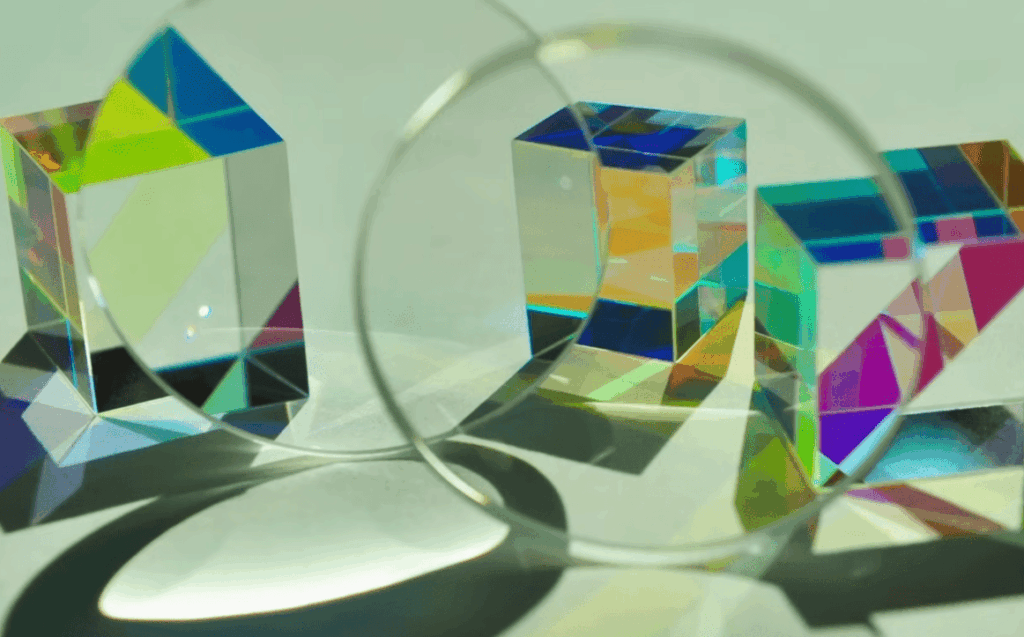
Understanding how a projector works in a movie theater involves several components working in harmony to create the enchanting moving pictures. The heart of the projector is the light source, which could be a xenon bulb, a laser, or an LED, depending on the theater’s setup. This light is then passed through a color wheel to produce the spectrum required for the movie.
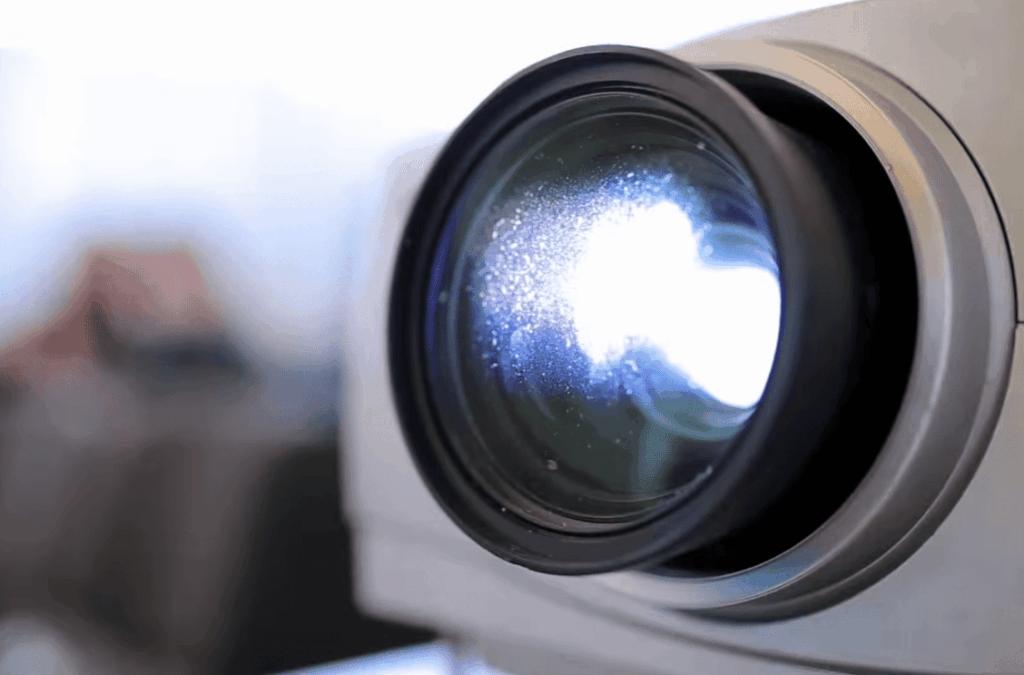
The light bounces off a series of mirrors to travel through a lens and onto the screen. With the advent of 3D technology, the process has become more complex, requiring multiple images or polarized light to be employed, which is then decoded by polarized 3D glasses worn by the audience.
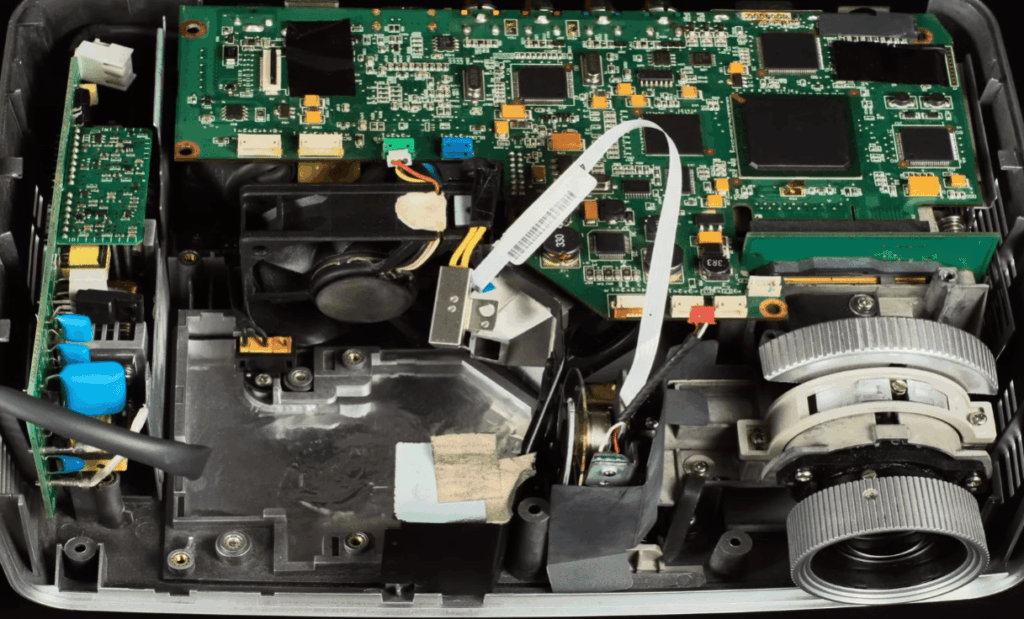
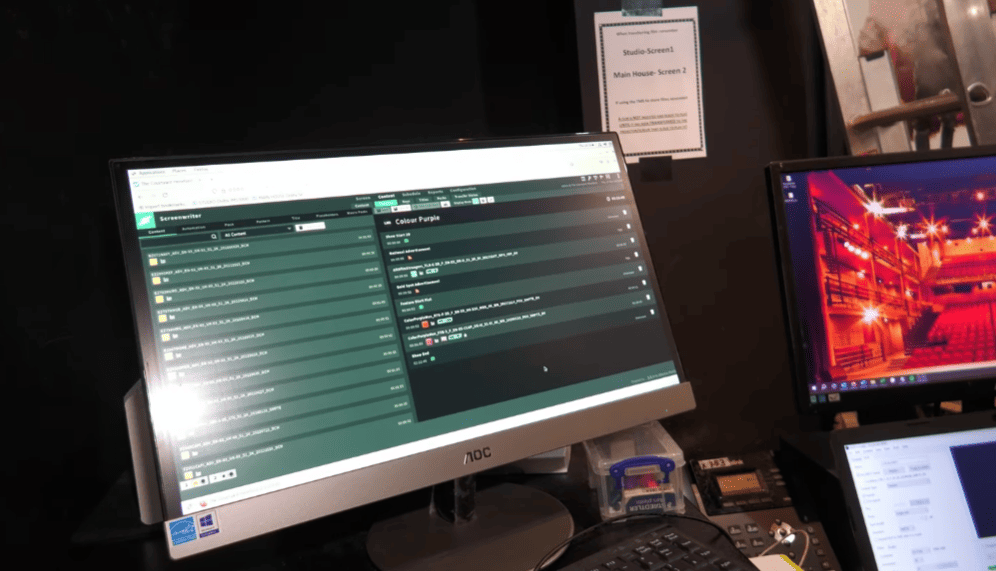
Digital projectors have become phalanxes of processors, storage devices, and cooling mechanisms to maintain image integrity over several hours of continuous use. Conversely, film projectors are intricate mechanisms of sprockets, reels, and shutters, all operated with loving precision by the projectionist, a profession as fascinating as it is rare today.
How to use a projector in a home movie theater?
Building a home movie theater provides the perfect opportunity to recreate the immersive experience of a traditional cinema. With advancements in technology, it’s now possible to set up a projector in your own home and enjoy high-quality picture and sound without breaking the bank. Here are some steps to follow when using a projector in your home movie theater:
- Choose the right projector for your space and budget: Consider factors such as throw distance, screen size, resolution, brightness, and connectivity options. Take into account the size of your room, the desired display size, the level of detail you want, the ambient lighting conditions, and the devices you plan to connect to the projector.
- Set up the projector in a suitable location: This could be mounted on the ceiling or placed on a sturdy surface at an optimal distance from your screen. Ensure that the projector is securely mounted or placed to avoid any vibrations or stability issues. Consider the viewing angles and the distance between the projector and the screen for an optimal viewing experience.
- Connect your audiovisual equipment to the projector: This may include speakers, DVD/Blu-ray players, streaming devices, and gaming consoles. Use the appropriate cables and connectors to ensure a seamless connection. Adjust the audio settings to match your preferences and optimize the sound quality.
- Adjust the projector settings: This includes focus, keystone correction, and brightness/contrast to optimize the picture quality. Use the projector’s menu or remote control to fine-tune the settings according to your preferences. Adjust the focus to ensure a sharp and clear image, correct any keystone distortion caused by the projector’s angle, and optimize the brightness and contrast levels for the best visual experience.
- Ready your screen: Make sure your screen is clean and properly set up for viewing. Remove any dust or smudges from the screen surface to ensure a clear and vibrant image. Position the screen at an appropriate height and angle for comfortable viewing.
- Dim the lights in the room: Ambient light can affect image quality, so it’s best to keep the room as dark as possible. Close curtains or blinds to block out external light sources. If needed, use dimmable lights or install light-blocking curtains to create a more immersive viewing environment.
- Sit back and enjoy the show: With everything set up, you can now sit back and enjoy your favorite movies or TV shows in the comfort of your own home. Grab some snacks, settle into your favorite spot, and immerse yourself in the cinematic experience created by your well-configured projector setup.
It’s important to note that proper maintenance and regular cleaning are essential for prolonging the life of your projector and ensuring optimal performance. So, make sure to refer to the manufacturer’s instructions and take good care of your investment for a truly immersive home movie theater experience. So, while projectors may have started in the cinema, they have now found their way into our homes, bringing the magic of the big screen right to our living rooms.
FAQ
What is a modern projector?
A modern projector is a digital device that uses light sources, lenses, and processors to project images onto a screen or surface. It is used in movie theaters and home theaters for displaying movies, videos, presentations, and other multimedia content. Modern projectors offer high-quality visuals and sound, advanced features such as 3D technology, and are more compact and cost-effective compared to traditional film projectors.
Can I use a projector outdoors?
Yes, it is possible to use a projector outdoors, but it may require some additional equipment and adjustments. Outdoor projection typically requires a more powerful projector with higher brightness levels to overcome ambient light. Additionally, you may need an outdoor screen or surface that is suitable for projection and proper audio equipment for optimal sound quality. It’s also important to consider weather conditions and take necessary precautions to protect your equipment from elements such as rain or wind.
How do I maintain my projector?
Proper maintenance is essential for ensuring the longevity and optimal performance of your projector. Here are some general tips for maintaining your projector:
- Regularly clean the lens and air filters
- Use a soft, lint-free cloth to clean the lens and avoid scratching it
- Avoid using abrasive cleaners or sprays on the projector
- Check for any dust build-up inside the projector and use compressed air to remove it if needed
- Keep your projector in a well-ventilated area to prevent overheating
- Follow the manufacturer’s instructions for any specific maintenance procedures or recommendations.
By following these tips, you can ensure that your projector continues to provide high-quality visuals and an immersive viewing experience. So, don’t hesitate to invest in a good quality projector for your home movie theater and bring the magic of the big screen right into your own living space.
What is the future of movie projectors?
The future of movie projectors looks promising with advancements in technology and increasing demand for high-quality visual experiences. Some trends that we may see in the future of movie projectors include:
- Higher resolution displays such as 4K or even 8K projectors becoming more common
- Projectors becoming more compact and portable, making them easier to use for outdoor events or traveling
- Integration of augmented reality and virtual reality technology with projectors for more immersive experiences
- Continued development of laser projectors, offering better color accuracy and longer lifespan compared to traditional lamp-based projectors.
Overall, the future of movie projectors seems exciting, with endless possibilities for creating truly immersive and captivating visual experiences. So, keep an eye out for any upcoming advancements in projector technology and get ready to take your movie-watching experience to the next level. With the right equipment and setup, you can turn any room into a home theater and enjoy all your favorite movies, TV shows, and more in stunning quality.
What kind of projectors do movie theaters use now?
Most movie theaters now use digital projectors that use a combination of lasers, light-emitting diodes (LEDs), and liquid crystal display (LCD) technology to produce high-quality images. These projectors offer greater color accuracy, higher resolution, and longer lifespan compared to traditional film projectors. Some movie theaters also use 3D projectors for displaying movies in three dimensions, adding an extra layer of immersion to the viewing experience. Additionally, many theaters also offer IMAX or Dolby Cinema projectors for a truly immersive and high-quality cinematic experience. So, next time you visit a movie theater, take note of the impressive technology behind the big screen that brings your favorite stories to life.
Conclusion Paragraph
In conclusion, the use of projectors in movie theaters has not vanished, but it has evolved. While the rhythmic hum and tactile beauty of film may be dwindling, the awe-inspiring power of projectors to pull you into the story remains unaltered. From the big screens of movie theaters to the cozy corners of our home, projectors continue to mesmerize you with their ability to transport us into new worlds. And with advancements in technology and increasing accessibility, there has never been a better time to invest in a projector for your own home theater setup. So, whether you are a film buff or just love a good movie night, a modern projector is the perfect addition to your entertainment setup. Take good care of your projector and explore the endless possibilities for creating unforgettable visual experiences in the comfort of your own home.