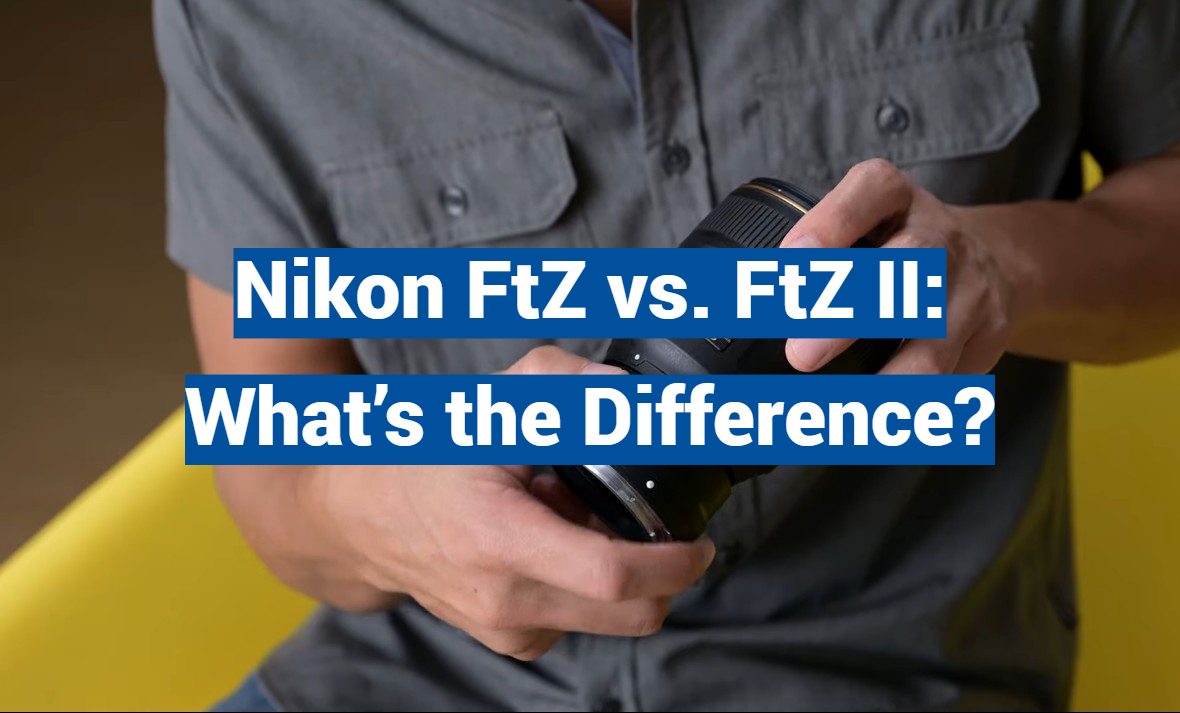
In the ever-evolving world of photography, one brand stands tall among the rest: Nikon. Renowned for its cutting-edge technology and superior craftsmanship, Nikon has consistently delivered cameras and lenses that push the boundaries of what is possible. When it comes to their renowned adapter series, the battle between the Nikon FtZ and the Nikon FtZ II has left photographers feeling like they’re in a labyrinth of confusion. Fear not, intrepid shutterbugs, for this guide is here to guide you through the maze and shed light on the key differences between these two remarkable adapters. So, grab your camera, adjust your focus, and embark on a journey to uncover the Nikon FtZ vs. Nikon FtZ II saga!
What are camera adapters?
Camera adapters are devices designed to allow cameras to be connected to other devices such as telescopes and microscopes. They can also be used to connect a camera directly to a computer or other device for image capture. In some cases, adapters can even enable the use of lenses from one type of camera on another, thus increasing the versatility and options available to photographers.
Camera adapters are typically made of metal, plastic, or both, and range in size from tiny ring adapters to large tube adapters. They come in various shapes and sizes to fit different cameras, lenses, and devices. Adapters can also be used to connect filters and other accessories together. For example, a filter adapter can allow you to attach a neutral-density filter to your camera lens.
The main benefit of using camera adapters is that they allow you to use different lenses and other accessories with the same camera, expanding the range of photographic possibilities available to you. This can be especially useful for photographers who are experimenting with different types of imaging techniques or need to use specialized equipment to capture certain kinds of photographs. Camera adapters can also save time and money by allowing you to use existing lenses and accessories instead of buying new ones. This can be especially beneficial for those on a tight budget who still want to take advantage of all the options available in photography.
In addition to the practical advantages, camera adapters can also add a certain level of creativity to your photography. By experimenting with different combinations of lenses and adapters, you can create unique looks and effects in your photos that would not be possible without them.
Overall, camera adapters are a great tool for photographers of all skill levels who want to take their photography to the next level. They allow you to use different lenses, accessories, and devices with your existing camera, providing increased versatility and creativity while saving time and money. Whether you are a beginner or an experienced photographer, camera adapters can be a great addition to your gear.
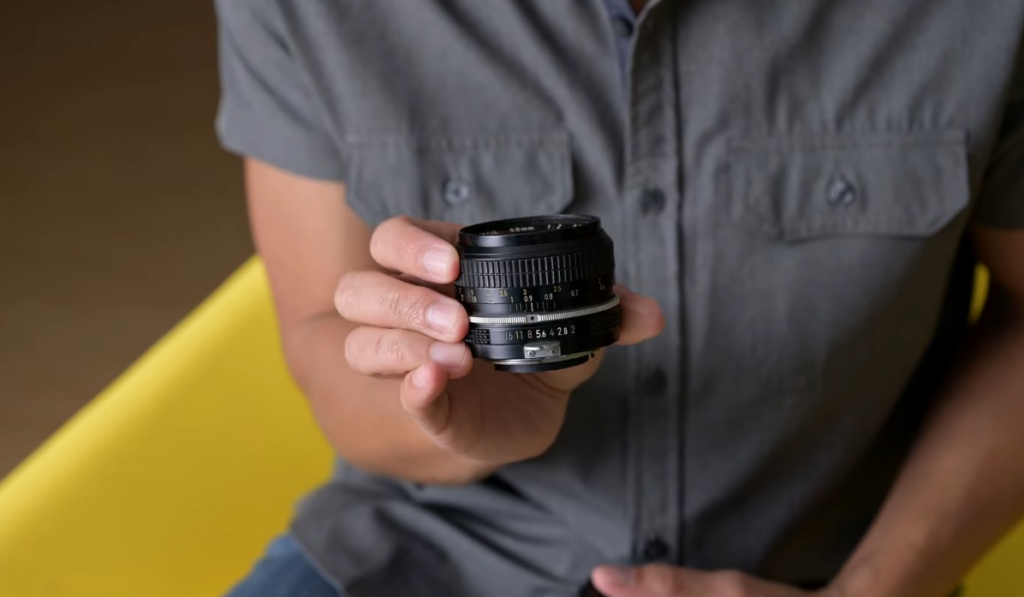
How to Choose the Right Camera Adapter?
When selecting a camera adapter, it is important to consider several factors to find the one that best meets your needs. The first thing to consider is what type of device you intend to connect with your camera. This will determine the type and size of adapter you need. For example, if you plan to connect a telescope to your camera, you will need an adapter that is designed to fit the telescope’s eyepiece.
In addition to considering connection type, it is also important to make sure that the adapter you choose is compatible with your camera and lens. Many adapters are designed for specific cameras and lenses, so be sure to check the specifications of the adapter before purchasing it. It is also important to make sure that any additional accessories you plan to use with your camera (such as filters or converters) are compatible with the adapter you choose.
Finally, it is important to make sure that the adapter you select is of high quality. Poorly made adapters can cause problems such as vignetting and soft images, so be sure to check the reviews of any adapter you are considering buying. Many reputable manufacturers make quality camera adapters, so do your research before making a purchase.
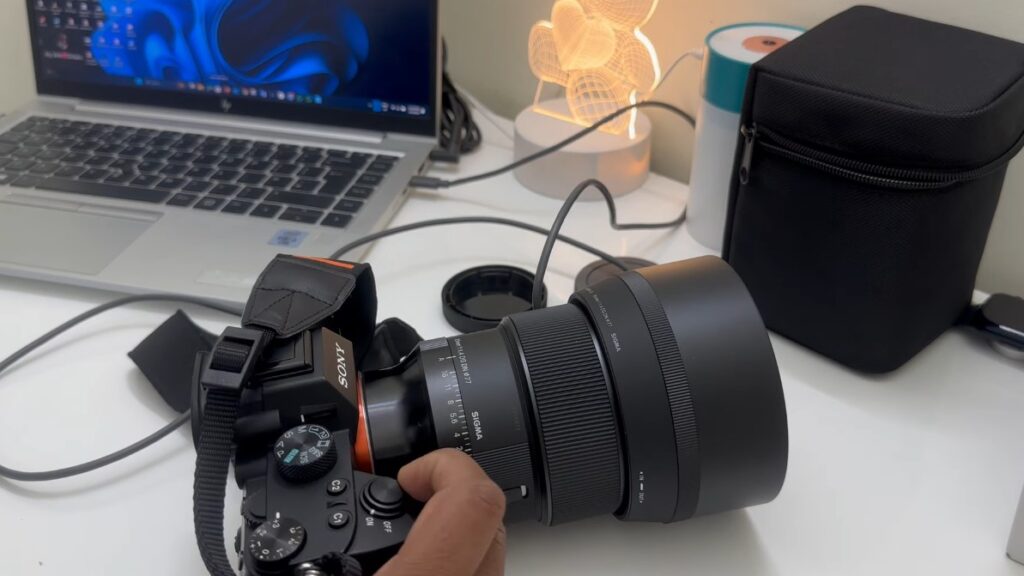
What is a FtZ adapter?
A Free Trade Zone (FtZ) adapter is a type of adapter used to connect international trade partners within the same geographical zone. It allows for easier and more efficient trading between two or more countries that are part of a FtZ agreement. The adapter ensures that all parties involved in the trade have access to the same information and resources, thus allowing for smoother transactions. This type of adapter is beneficial for a variety of industries, including manufacturing, finance, and logistics.
The adapter allows for greater efficiency in the trading process by consolidating data from multiple sources into one unified platform. This makes it easier to manage orders and track shipments across different countries with ease. Additionally, the adapter streamlines communication between parties involved in the trade and reduces the amount of paperwork needed to complete transactions. By utilizing a FtZ adapter, businesses can improve their trade operations by reducing costs and increasing efficiency.
Furthermore, the use of a FtZ adapter helps to promote sustainable trading practices across countries. By ensuring that goods are properly tracked from origin to destination, the adapter helps to reduce instances of illegal or unethical trading. The adapter also helps to eliminate unnecessary paperwork and bureaucracy that can slow down the trading process. By streamlining this process, businesses can make more informed decisions about how they conduct their international trade transactions.
In conclusion, a FtZ adapter is an invaluable tool for those involved in international trade. This type of adapter simplifies transactions between trading partners and eliminates many of the common issues associated with international trade. Not only does the adapter improve efficiency, but it also helps promote sustainable and ethical trading practices. For these reasons, many businesses are turning to FtZ adapters as a way to streamline their trade operations and ensure that they remain competitive in today’s global economy.
What is the FtZ II adapter?
The FtZ II adapter is a hardware device designed to connect a computer to an FTDI-based device, such as an Arduino or Raspberry Pi board. The FtZ II adapter provides easy plug-and-play connectivity between the two devices and allows users to quickly and easily transfer data between them. The adapter also has built-in software drivers that allow for the transfer of data over a variety of communication protocols.
In addition to providing easy connectivity, the FtZ II adapter also offers enhanced security features. It has built-in encryption, allowing for secure data transmission between two devices. This feature is especially useful when transferring sensitive information between two computers or other connected devices.
The FtZ II adapter also supports several different types of FTDI-based devices, allowing for flexible compatibility with a variety of systems. This makes the FtZ II adapter an ideal solution for users who need to quickly and easily transfer data between different devices.
The FtZ II adapter is also easy to set up and configure, making it simple to use even for novice users. It comes with a complete user manual that provides step-by-step instructions for setting up and connecting the adapter to your device. Additionally, the FtZ II adapter comes with a USB cable and a power adapter, making it even easier to connect your devices together.
Overall, the FtZ II adapter is an excellent solution for users who need to quickly and easily transfer data between two different devices. With its easy setup and configuration, enhanced security features, and flexible compatibility with many different FTDI-based devices, the FtZ II adapter is sure to become a popular choice for users who need reliable data transfer.
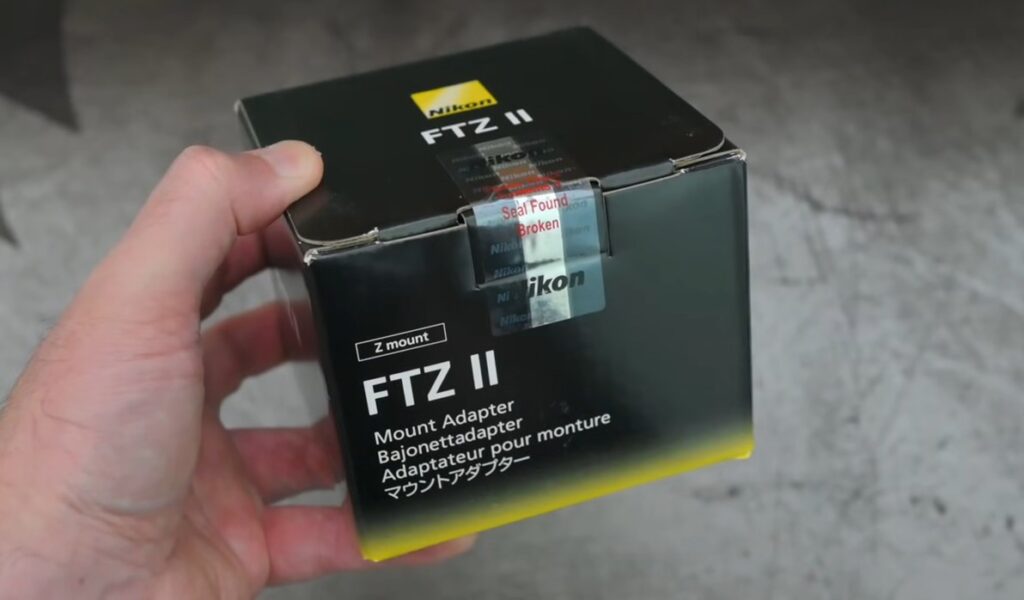
What’s the difference between FtZ II and FtZ adapters
Price
The biggest difference between FtZ II and FtZ adapters lies in their price tag. FtZ II is more expensive than a standard adapter, but it provides significant advantages over its counterparts when it comes to performance and reliability. This means if you’re looking for an adapter that will last longer and give you better performance, then the extra money spent on an FtZ II adapter will be worth it. On average, FtZ adapters cost around $20 whereas FtZ II adapters cost closer to $60.
Size and weight
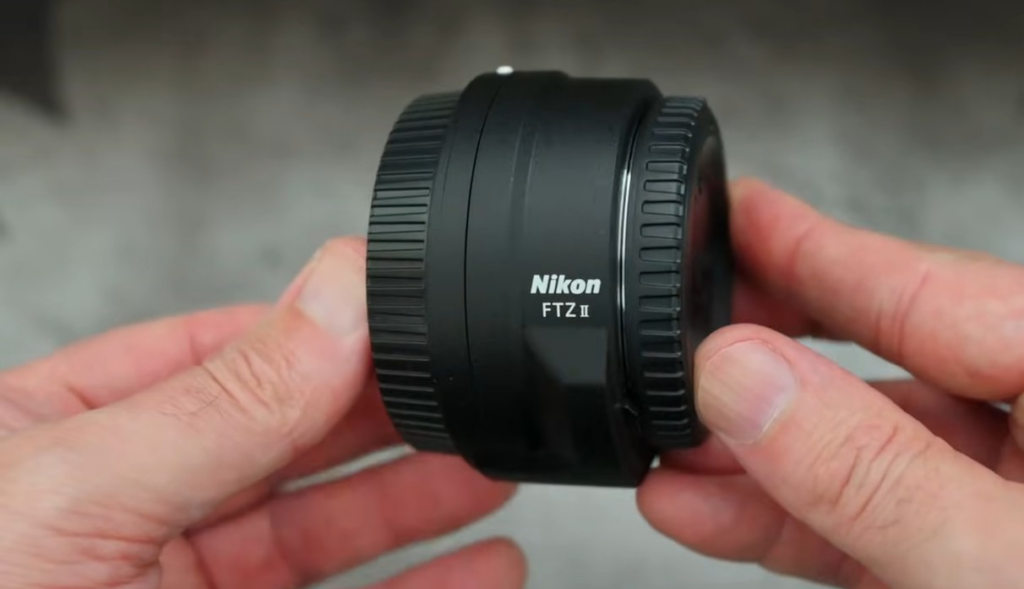
When it comes to size and weight, FtZ II adapters are larger and heavier than standard adapters. This makes them more difficult to transport or move around. However, their increased size does provide additional stability when in use, which can be beneficial for those looking for a reliable connection between their devices. FtZ adapters typically weigh around 2 ounces, while FtZ II adapters can weigh up to 4 ounces. The height of the devices also differs, with FtZ adapters measuring around 1.5 inches and FtZ II adapters measuring up to 2 inches in height.
Performance
When it comes to connecting devices, the performance of an adapter is crucial. FtZ II surpasses a standard adapter by offering superior signal strength, making it the go-to option for high-performance applications that demand dependable connections between devices. Moreover, FtZ II adapters are specifically engineered to be highly resistant to interference from other wireless signals, rendering them perfect for areas with dense signal traffic. With FtZ II, you can have peace of mind knowing that your connections will remain strong and uninterrupted, even in challenging environments.
Appearance
While performance is the most important factor to consider when making an adapter purchase, aesthetics can also be a deciding factor for some people. Fortunately, FtZ II adapters not only provide reliable connections but they also look good doing it. Whether you’re looking for something subtle enough to blend in or stylish enough to stand out, there are plenty of options available that will suit your preferences. With its sleek design and metallic finish, FtZ II is a great choice for those looking to make a statement with their devices.
Supplied Accessories
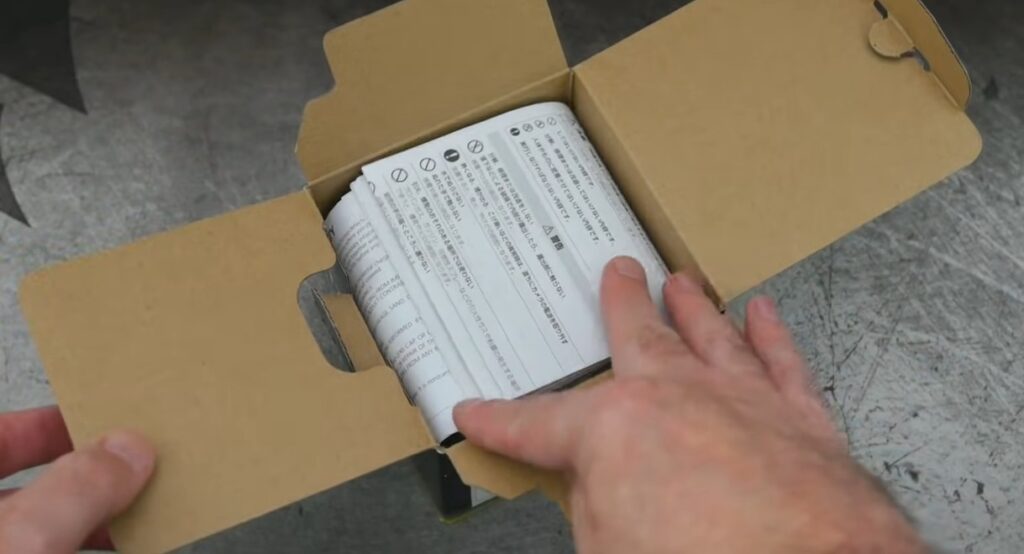
FtZ II adapters come with a variety of accessories that can be useful for many applications. These include a USB 3.0 cable, an HDMI port, and a VGA port. This makes it easier to connect the adapter to other devices without having to purchase additional cables or ports separately. Additionally, some models also come with an audio jack, making it even more convenient for those who want to make the most out of their adapter. On the other hand, standard adapters typically don’t come with any accessories and may require additional purchases to be compatible with certain devices.
Compatibility
FtZ II is designed to be highly compatible with a diverse range of devices, including laptops, tablets, and mobile phones. This versatility ensures that users who own multiple devices can seamlessly enjoy the same reliable connection experience across all their devices, regardless of the platform. In contrast, standard adapters may encounter compatibility issues with specific devices or even fail to establish an acceptable connection altogether, limiting the user’s connectivity options. With FtZ II, users can confidently connect and stay connected, regardless of their device preferences or requirements.
How to use camera adapters?
Camera adapters are devices that allow photographers to use lenses from different mounts on their cameras, like Canon or Nikon. They can be used for both still and motion photography. By using an adapter, photographers can take advantage of the flexibility and quality of lenses from one mount with a camera from another brand.
When using a camera adapter, there are some important steps to take.
- Make sure your camera and lens are compatible with the adapter. Check the product specifications of your camera and lens to make sure they can be used with the adapter you’ve chosen.
- Securely attach the adapter to your camera body. Most adapters have a locking mechanism that allows them to be attached firmly without coming loose during use.
- Attach the lens to the adapter and tighten it securely. Some adapters have a locking mechanism for this, while others may require you to screw in the lens manually.
- Check that the aperture settings of your camera and lens are compatible with each other before taking any photos or videos.
- Test out your setup by taking some test shots to make sure everything is working correctly.
Once you’ve got your camera and lens attached to the adapter, you’re ready to start shooting! With this extra flexibility, you can experiment with different lenses and cameras to create unique looks for your photography or video projects. Camera adapters make it easy to use a variety of lenses on one camera body, giving photographers more control over their creative vision.
Camera adapters are also useful for those who switch camera systems frequently. Instead of having to purchase and keep up with multiple sets of lenses, you can use the same lens on different cameras with just an adapter. This saves a lot of time and money when it comes to keeping your gear updated. Plus, using adapters makes it easier to share lenses between photographers in the same studio or on-location shoots.
FAQ
What is the difference between FTZ 1 and FTZ 2 camera adapters?
The FTZ 1 adapters are specifically engineered to seamlessly integrate with Nikon Z-Mount cameras, providing enhanced compatibility and functionality. On the other hand, the FTZ 2 adapters are meticulously designed to perfectly complement Canon EF-Mount cameras, ensuring optimal performance and versatility. It’s important to note that these two types of adapters are not interchangeable and cannot be used with a camera mount that is not specifically designed for them.
Why should I get an FTZ adapter?
An FTZ adapter allows you to use lenses designed for other camera mounts on your Nikon Z-mount camera. This means that you can expand the range of lenses available to you and make use of different focal lengths, apertures, and special features like macro capabilities. Additionally, an FTZ adapter preserves all the autofocus and auto-exposure functions originally found in your lens so that you can still use the same features without compromising performance.
What are some advantages of using an FTZ adapter?
Using an FTZ adapter allows you to use lenses designed for other camera mounts on your Nikon Z-mount camera, so you can expand your lens range exponentially. Additionally, it preserves most of the autofocus and auto-exposure functions found in your lens, so you don’t have to compromise on performance. This means that you can make use of different focal lengths and apertures without any loss in picture quality. It also helps reduce the size and weight of your equipment, making it easier to transport when traveling. Finally, using an FTZ adapter helps to protect the lens mount from wear and tear as it is removed and affixed to the camera, ensuring that your lenses stay in good condition for years.
What other accessories should I get along with an FTZ adapter?
Along with an FTZ adapter, it’s highly recommended to purchase a lens hood or filter adapter as well. A lens hood helps protect the front element of your lens from sun flare and lens flare, while a filter adapter allows you to fit filters such as neutral density and polarizing filters to your camera. Additionally, if you’re using an FTZ 2 adapter for Canon EF-Mount lenses, it’s also recommended to purchase an additional microfiber cloth to keep the contact points between the adapter and mount clean at all times. Also, it’s a good idea to purchase an extra case or bag for transporting your equipment with you. This will help keep all of your gear safe, organized and readily accessible when needed.
What is the difference between Nikon FTZ 1 and FTZ2?
The main difference between the Nikon FTZ 1 and FTZ 2 adapters is that the first one is designed specifically for Nikon Z-Mount cameras, while the latter adapts Canon EF-Mount lenses to work with this system. Both adapters provide seamless compatibility and improved functionality when used with their respective camera mounts. Additionally, both adapters preserve most of the lens features like autofocus and auto-exposure, ensuring optimal performance. However, the FTZ 2 adapter also requires an additional microfiber cloth to keep the contact points between the adapter and mount clean at all times.
Do I need any special tools or software to use an FTZ adapter?
No, you do not need any special tools or software to use an FTZ adapter. All you need to do is attach the adapter to your lens and then mount it onto your camera. However, it’s important to make sure that all of the contact points between the adapter and mount are clean before attaching them together. This will ensure that they form a tight seal and won’t interfere with any of the functions provided by either piece of equipment. Additionally, it’s always a good idea to keep your adapter and lens in a protective case or bag when transporting them. This will prevent any dirt or dust from getting inside the contact points and potentially damaging either piece of equipment.
Can I use an FTZ adapter with any type of lens?
Yes, you can use an FTZ adapter with any type of lens. However, it’s important to make sure that your lens is compatible with the camera mount that you are using as well as the adapter itself. Additionally, you should always check to make sure that all of the contact points between the adapter and mount are clean before attaching them together. This will help ensure a tight seal and prevent any dirt or dust from interfering with the performance of either piece of equipment.
Do I need to recalibrate my lenses after attaching an FTZ adapter?
No, you do not need to recalibrate your lenses after attaching an FTZ adapter. The adapter is designed to seamlessly integrate with your existing lens and camera mount so that all of the autofocus and auto-exposure functions remain intact. However, it’s always a good idea to check the settings of your lens once you have attached the adapter. This will help ensure that everything is working properly and help prevent any issues from arising down the line. Additionally, if you’re using an FTZ 2 adapter with Canon EF-Mount lenses, it’s important to make sure that you have an extra microfiber cloth on hand to keep the contact points between the adapter and mount clean. This will help prevent any dirt or dust from interfering with the performance of either piece of equipment.
Are there any limitations when using an FTZ adapter?
Yes, there are some limitations when using an FTZ adapter. As mentioned before, it’s important to make sure that your lens is compatible with both the camera mount and adapter before using them together. Additionally, some of the features found on certain lenses may not work when attached to an FTZ adapter, so it’s important to double-check the specifications of your lens before using it. Finally, while the FTZ adapters are designed to preserve most of the autofocus and auto-exposure functions of your lenses, they can’t guarantee the same level of performance as a native Nikon Z-Mount lens. As such, it’s important to always test your equipment before using it in any production environment. This will help ensure that you’re getting optimal results and make sure that all of your gear is functioning properly.
What is the Nikon F to Z 2?
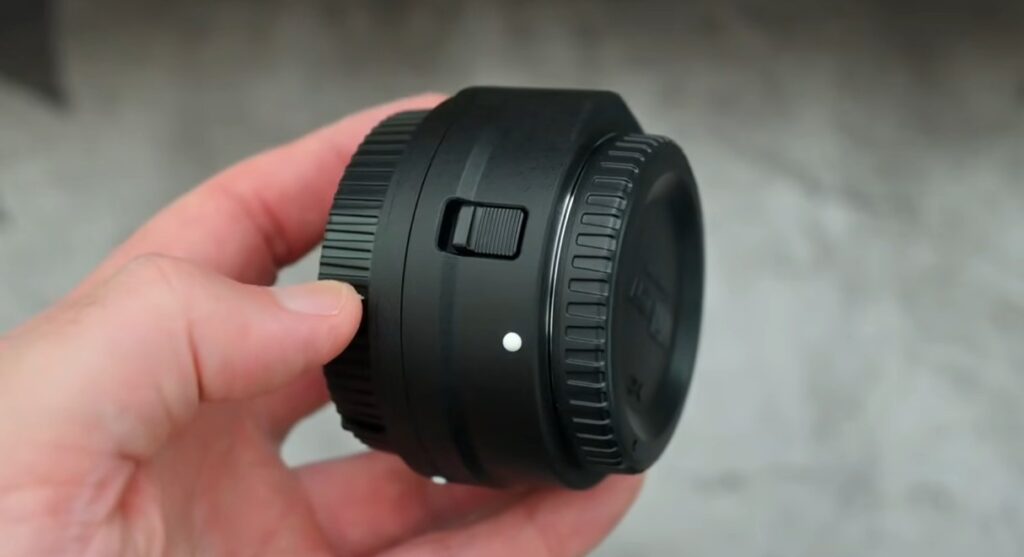
The Nikon F to Z 2 is a lens adapter designed specifically for use with Nikon Z-Mount cameras. This adapter allows users to attach their existing Nikon F-Mount lenses to the new Z-Mount system, providing them with seamless compatibility and improved functionality. The FTZ 2 also preserves most of the autofocus and auto-exposure functions found in your lenses, ensuring that you get the best performance possible. Additionally, the FTZ 2 requires an additional microfiber cloth to keep the contact points between the adapter and mount clean at all times, helping to prevent any dirt or dust from damaging either piece of equipment. With these features combined, the Nikon F to Z 2 is one of the most reliable adapters on the market for connecting F-Mount lenses to the Z-Mount system.
Does the original FTZ adapter work with the Z9?
Yes, the original Nikon FTZ adapter works with the Nikon Z9 camera. This adapter allows users to attach their existing F-Mount lenses to the new Z-Mount system, providing them with seamless compatibility and improved functionality. Additionally, this adapter also preserves most of the autofocus and auto-exposure functions found in your lenses, ensuring that you get the best performance possible. However, it’s important to make sure that all of the contact points between the adapter and mount are clean before attaching them. This will help ensure a tight seal and prevent any dirt or dust from interfering with the performance of either piece of equipment.
Additionally, it’s always a good idea to keep your adapter and lens in a protective case or bag when transporting them. This will help prevent any accidental damage to either piece of equipment. With these features combined, the Nikon FTZ adapter is a great way to connect F-Mount lenses to the latest Z-Mount system cameras.
Conclusion Paragraph
In conclusion, Nikon FtZ and FtZ II camera adapters allow photographers to bring their vintage lenses into the modern era with digital photography. They can be used to mount Nikon F-mount lenses on any compatible mirrorless camera body, providing an economical way for photographers to expand their lens collection and add more diversity to their photographs. The adapters make it easy to adapt manual focus, autofocus, and aperture control lenses without having to purchase new ones. Nikon also offers a wide variety of accessories and add-ons that can be used with the adapters to further enhance the photography experience. Photographers should always consider their budget, needs, and preferences when choosing between Nikon FtZ and FtZ II camera adapters.