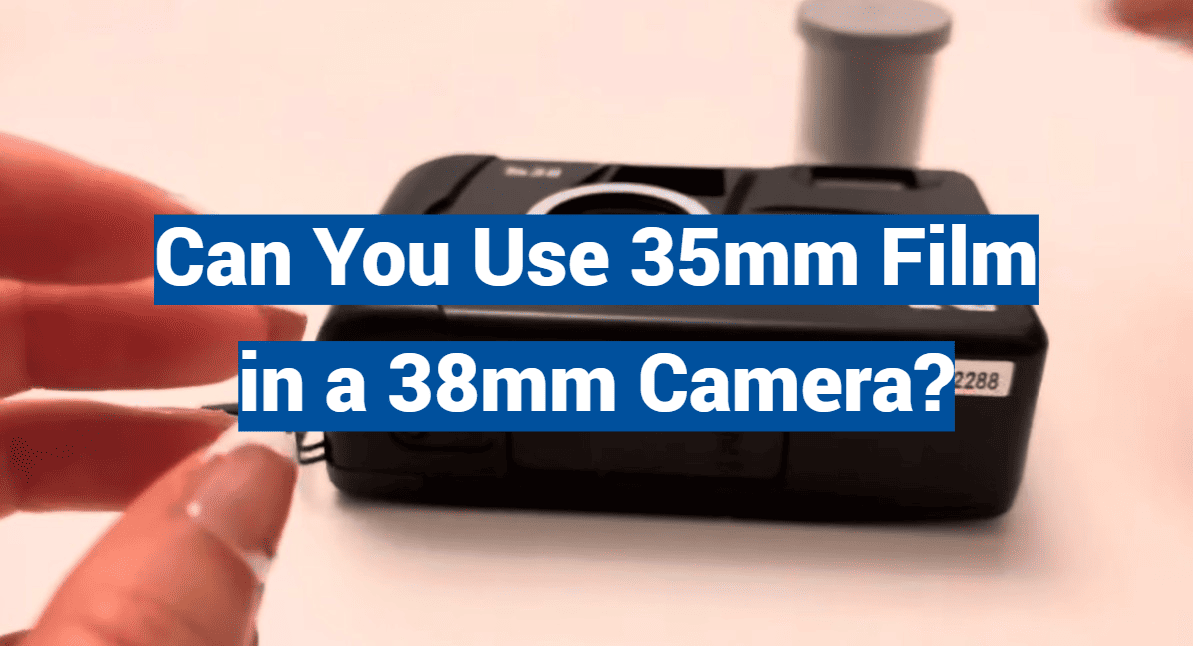
In the world of photography, the quest for the perfect shot often leads us to question the limitations of our equipment. And in this never-ending pursuit of artistic excellence, a peculiar dilemma arises for photographers: does the use of 35mm film have any compatibility with a 38mm camera? Picture this: you’re holding your trusty camera, ready to capture the world through its lens, but doubts creep in. Will the film work seamlessly with the camera? Will the results be worthy of your creative vision? This article will delve into the captivating realm of film and cameras, unraveling the mysteries behind the compatibility of 35mm film with a 38mm camera. So, embark on this photographic adventure together and find out if the perfect shot awaits you!
35mm Camera Lens Definition
The term “35mm camera lens” refers to a variety of lenses designed for use with 35mm film cameras. These lenses are typically constructed from multiple optical elements that work together to capture an image onto the film. They range in size, focal length, and maximum aperture size depending on their function and purpose. Many modern digital SLR cameras can still be paired with 35mm camera lenses to achieve unique and creative effects.
Common types of 35mm camera lenses include wide-angle, telephoto, macro, and fisheye lenses. Wide-angle lenses are typically used for landscapes or group photos, while telephoto lenses help capture distant subjects. Macro photography requires a lens that can focus on extremely close objects, while fisheye lenses create an ultra-wide angle of view.
When shopping for a 35mm camera lens, it’s important to consider the type of photography you plan on doing. Different types and sizes of lenses will be better suited to certain styles than others. Additionally, make sure the lens is compatible with your camera before making a purchase. With the right lens, you can take your photography to the next level.
No matter what type of photography you enjoy, having a reliable 35mm camera lens is essential. Whether it’s an ultra-wide angle or telephoto lens, there’s a perfect fit for every photographer and every situation. With a wide selection of lenses available, you’re sure to find one that fits your needs. With the right lens, you’ll be able to capture amazing photos with ease.
What is a 38mm Camera?
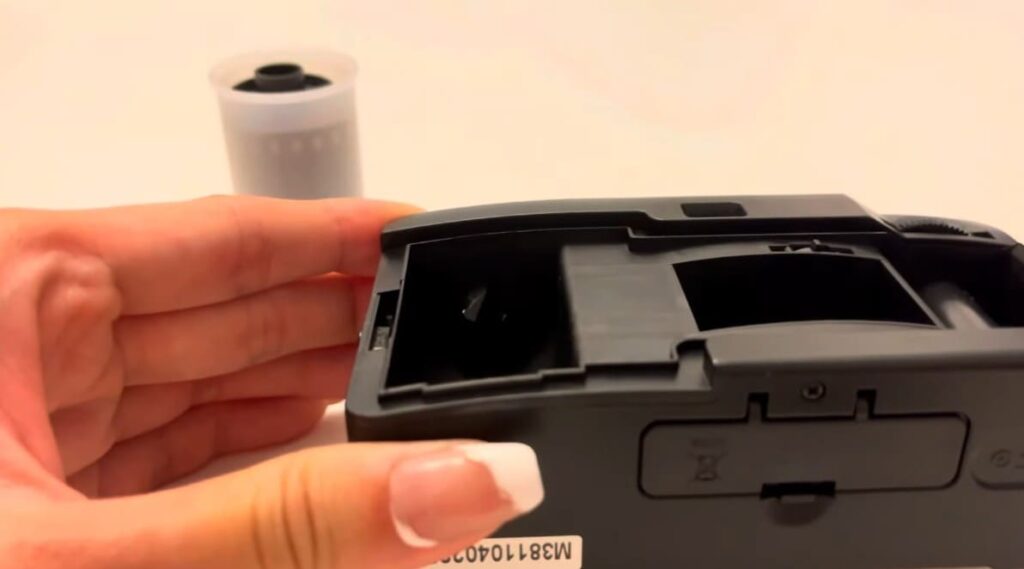
A 38mm camera is a type of digital camera that uses an imaging sensor to capture high-resolution images. This type of camera is generally more affordable than other types, such as DSLR cameras, which are larger and heavier in size. 38mm cameras also offer many advanced features, such as the ability to shoot in RAW format and built-in Wi-Fi for transferring images directly to smartphones or computers. For amateur photographers, 38mm cameras can be a great way to get into photography without breaking the bank.
The image quality of a 38mm camera is typically lower than that of other types of digital cameras, but it is still capable of capturing stunning photos in many situations. Some popular features available with these cameras include face detection, auto-focus, and image stabilization. Additionally, many 38mm cameras come with a range of lenses for capturing different types of shots. This makes it easy to find the perfect lens for any given situation.
Overall, 38mm cameras offer an affordable way to get into photography without sacrificing too much in terms of features or image quality. For those who are just starting out with photography, these cameras are a great choice. They’re lightweight and easy to use, making them ideal for beginner photographers who don’t want to be bogged down by larger equipment. Plus, they come with plenty of features that can help take your photos to the next level.
For more experienced photographers, 38mm cameras also offer an excellent way to experiment with different techniques and lenses. With the range of available lenses, these cameras are great for portrait photography, landscape photography, and everything in between. Plus, their smaller size makes them ideal for travel and street photography; they can easily fit into any bag or pocket, so you can take stunning photos on the go!
What photos is a 35mm lens good for?
A 35mm lens is a great choice for a variety of types of photography. It can be used to capture wide-angle shots of landscapes and architecture, close-ups of people in street portraits, or to blur the background in creative ways when shooting portraits. It’s also an excellent lens for documentary and photojournalism work as it captures scenes with great depth and clarity. Additionally, a 35mm lens can be used to provide an intimate perspective when shooting events or weddings, making it the perfect choice for any situation. With its versatility and convenience, it’s no surprise that a lot of photographers have at least one 35mm lens in their arsenal.
Moreover, a 35mm lens is also great for shooting low-light photography. With its wide aperture, it can capture more light than other lenses and help you get better images in darker settings. Additionally, by using a wider depth of field (DOF), it can be used to blur the background and create beautiful bokeh effects in your shots. By using a 35mm lens, you can get amazing photos in any lighting condition.
Finally, a 35mm lens is great for capturing action shots due to its wide field of view and fast autofocus capabilities. This makes it an ideal choice for sports photographers who need to capture important moments quickly and accurately. With its versatility and ability to handle different types of situations, a 35mm lens is a great tool to have if you’re looking to get the most out of your photography.
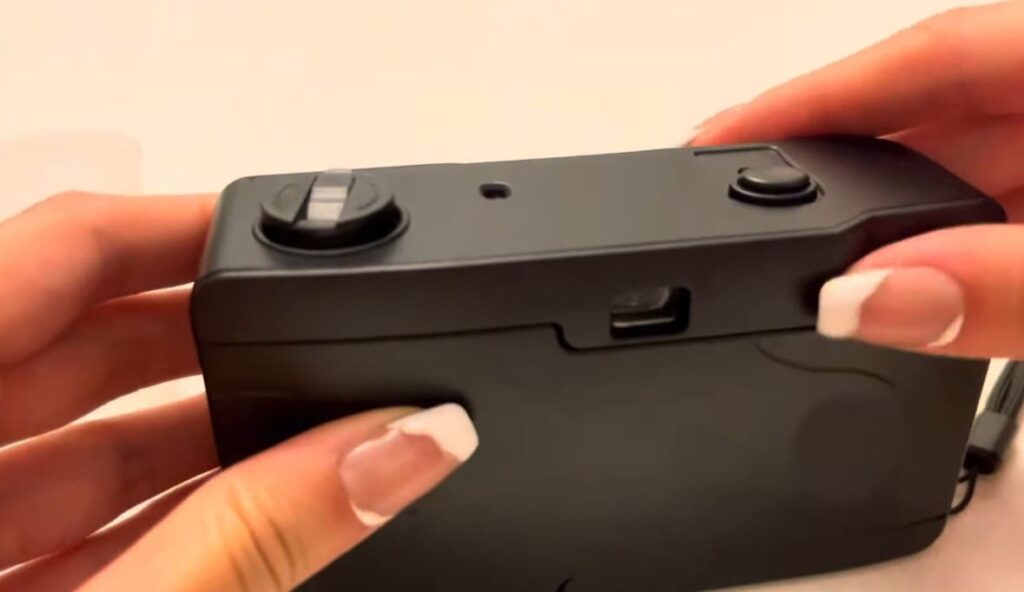
Main features of a 35mm lens
Familiarity
A 35mm lens is likely the most familiar type of camera lens available, and many photographers may already own one. This makes it a great choice for beginners because they can easily learn how to use this versatile lens and how to get the best out of it. It’s also an ideal choice for experienced photographers or pros who want a flexible and reliable option that won’t break the bank.
Focal Length and Field of View
The 35mm focal length is widely regarded as a versatile and balanced choice for photographers. With its angle of view of approximately 63°, it strikes a perfect balance between wide-angle and telephoto lenses. This makes it an excellent option for capturing a variety of subjects, ranging from breathtaking landscapes and cityscapes to compelling environmental portraits and captivating street photography. Additionally, its ability to excel in close-up shots adds another dimension to its versatility. Whether you’re an aspiring photographer or a seasoned professional, the 35mm focal length offers an expansive field of view that allows you to unleash your creativity and capture stunning images in any setting.
Aperture Range
35mm lenses usually come with a wide maximum aperture range between f/1.4 and f/2.8, allowing photographers to easily shoot in low-light conditions or create shallow depth-of-field effects. With this range, it’s also possible to get an out-of-focus background even when shooting at the widest focal lengths. This helps bring out the subject of the image by creating a pleasing, dream-like blur that further enhances the composition.
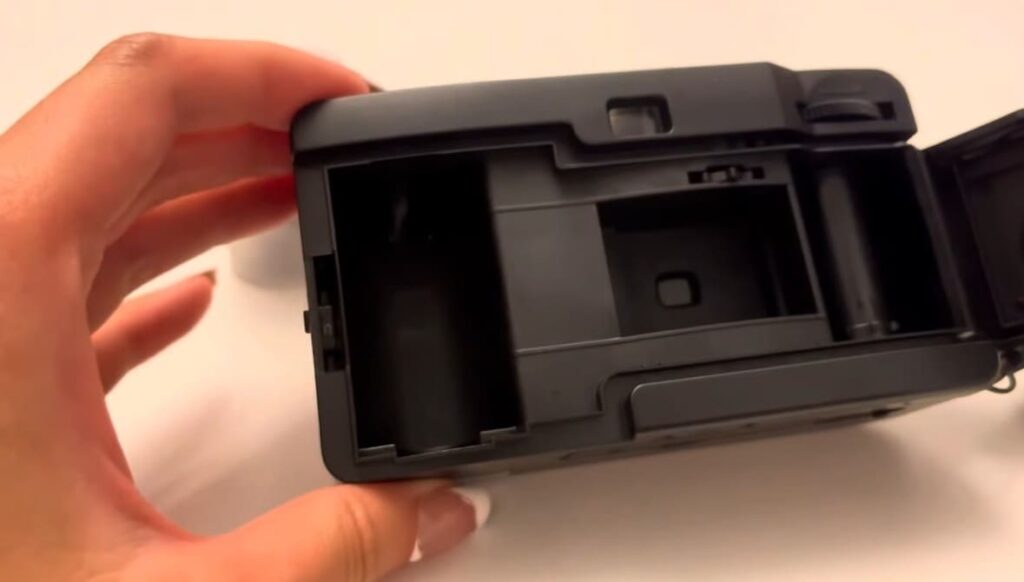
Weight and Size
35mm lenses are generally lightweight and compact, making them an excellent choice for photographers on the go. They can easily fit into a camera bag or pocket, allowing you to take your lens with you wherever you go without worrying about bulk or weight. Additionally, their size and weight help reduce fatigue while shooting, making them ideal for extended shoots and trips.
Versatility
The 35mm lens is a truly versatile piece of equipment that can be used to capture just about any type of image. From wide-angle landscape shots to intimate close-up portraits, this lens offers the perfect combination of focal length and field of view to capture stunning images in any situation. With its ability to excel in low-light conditions, shallow depth-of-field effects, and beautiful bokeh, it’s the perfect choice for photographers who want a lens that they can use for just about any type of photography.
Portability
The 35mm lens is also an excellent choice for photographers who need to travel light. Its small size and lightweight design make it easy to fit into a camera bag or pocket, so you can always have your lens with you when you go out shooting. This makes it perfect for outdoor shoots or trips where space and weight are at a premium. Additionally, its portability allows you to capture stunning images without
Durability
Finally, the 35mm lens is a durable piece of equipment that can withstand the rigors of daily use. Its solid construction and weather-resistant seals make it an ideal choice for photographers who shoot in challenging conditions or outdoor environments. Additionally, its sturdy design helps protect your lens from knocks and bumps, ensuring that your lens will be there to capture the perfect shot for years to come.
Good in low light
The 35mm lens is also a great choice for shooting in low-light conditions. Its wide maximum aperture range makes it possible to capture impressive shots even in dark environments, allowing you to get the most out of your photography no matter where you are. Additionally, this makes it an ideal option for night photographers who want to shoot beautiful star trails and stunning cityscapes without having to worry about additional lighting equipment.
Price
Finally, one of the biggest advantages of the 35mm lens is its price. Unlike many other lenses, this versatile option is generally available for a fairly reasonable cost. This makes it an ideal choice for photographers on a budget who want to get great results without breaking the bank. With its combination of affordability and versatility, the 35mm lens is certainly one of the best options out there for both amateur and professional photographers alike. On average, the price range of a 35mm lens falls between $100 and $500, depending on the brand and features.
What films can be used in a 38mm Camera?
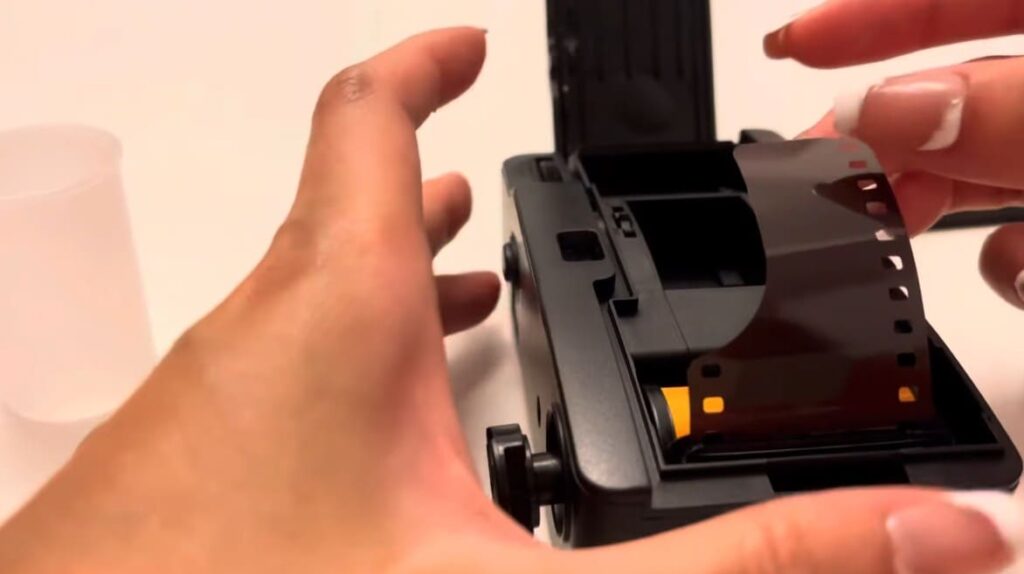
When it comes to choosing films that are compatible with a 38mm camera, there are a few things you should consider. First and foremost, the film needs to be compatible with the size of the camera. Generally speaking, a 35mm film is best for this type of camera. Other film sizes that work well include APS-C (also known as Advanced Photo System size), medium format, and large format.
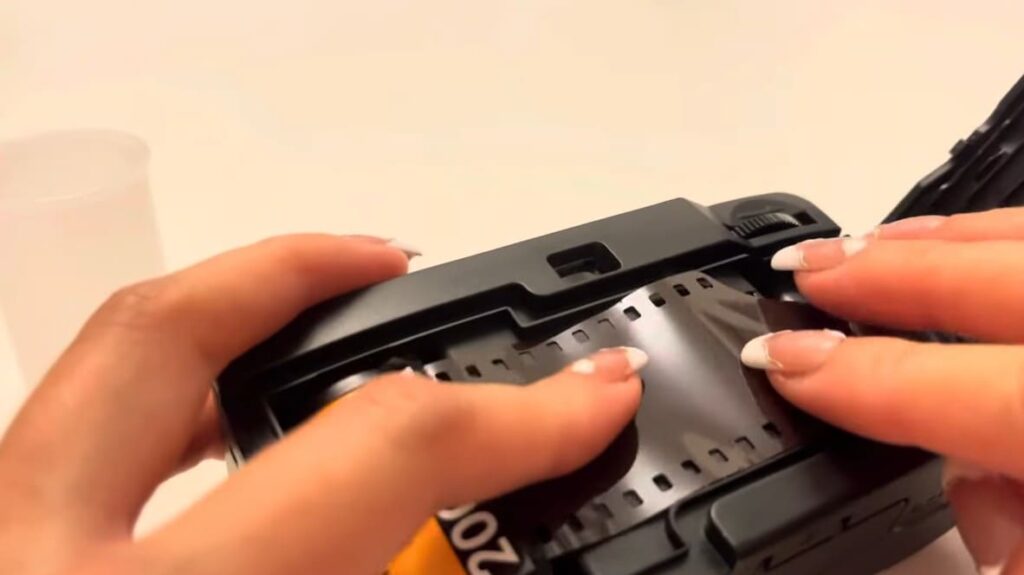
Another factor to consider when selecting films for a 38mm camera is the sensitivity of the film. Films with higher ISO ratings tend to produce images with more detail and less graininess. However, they also require more light in order to capture an image correctly, so be sure to take this into account if you plan on using the camera in lower light settings. Additionally, some films are better suited for specific types of photography, such as black and white or color photography.
Choosing the right film for your 38mm camera is an important part of ensuring that you get the desired results from your photographs. It’s worth taking the time to research which films will work best with your particular camera. Not only will this help you get better results, but it may even save you money in the long run if you buy the right film for your needs.
Finally, don’t forget to budget for additional accessories such as filters and lenses that can help enhance your photographs further. With the right film and some careful consideration of which accessories are best suited for your camera and type of photography, you can create stunning photos with a 38mm camera.
For more information on film selections for your 38mm camera, make sure to check out the manufacturer’s website or contact their customer service team for further advice. With the right combination of film and accessories, you’ll be able to capture amazing images with your new camera!
FAQ
Does 35mm film fit all cameras?
No, 35mm film is not compatible with all cameras. While the majority of digital and 35mm SLR cameras are designed for this format, medium and large format cameras may require a different type of film due to their unique specifications. It is crucial to carefully read the camera’s manual or do thorough research online to ensure compatibility before purchasing any kind of film. Moreover, it is worth noting that certain specialty films, such as infrared or slow-speed emulsions, might necessitate the use of a specific camera body to achieve optimal results. Taking these factors into consideration will help photographers make informed decisions when selecting film for their cameras.
What is the difference between 35mm and 38mm?
The main difference between 35mm and 38mm film lies in the size of the sprocket hole. While 35mm film boasts a smaller sprocket hole, 38mm film is predominantly utilized in medium and large format cameras. Another noteworthy aspect is that 35mm film is generally more affordable compared to 38mm film, largely due to its higher production frequency. Moreover, it’s worth mentioning that certain film types, such as infrared or slow-speed emulsions, may exclusively come in the 35mm format, further adding to its significance and availability in the world of photography.
What is the best way to store and handle film?
Film, whether it’s celluloid or digital, is a delicate medium that requires proper storage and handling to maintain its integrity. When it comes to storing film, it’s crucial to choose a cool and dry environment that is shielded from direct light and extreme temperatures. This helps to prevent any potential damage that could affect the quality of the film.
In addition to the storage conditions, it’s equally important to handle film with care. Avoid touching the surface of the film with bare hands, as fingerprints can leave permanent marks. Likewise, be cautious of dust and scratches, as they can impair the visual quality of the film.
Furthermore, manufacturers often provide specific instructions for loading and unloading film from cameras. It’s essential to familiarize yourself with these guidelines to ensure the smooth operation of your equipment and to prevent any potential mishaps.
For long-term storage of film, it is recommended to use a lightproof container with desiccant packets. These packets help to absorb any excess moisture in the environment, safeguarding the film from potential humidity-related issues.
Can you use 35mm film in a 38mm camera?
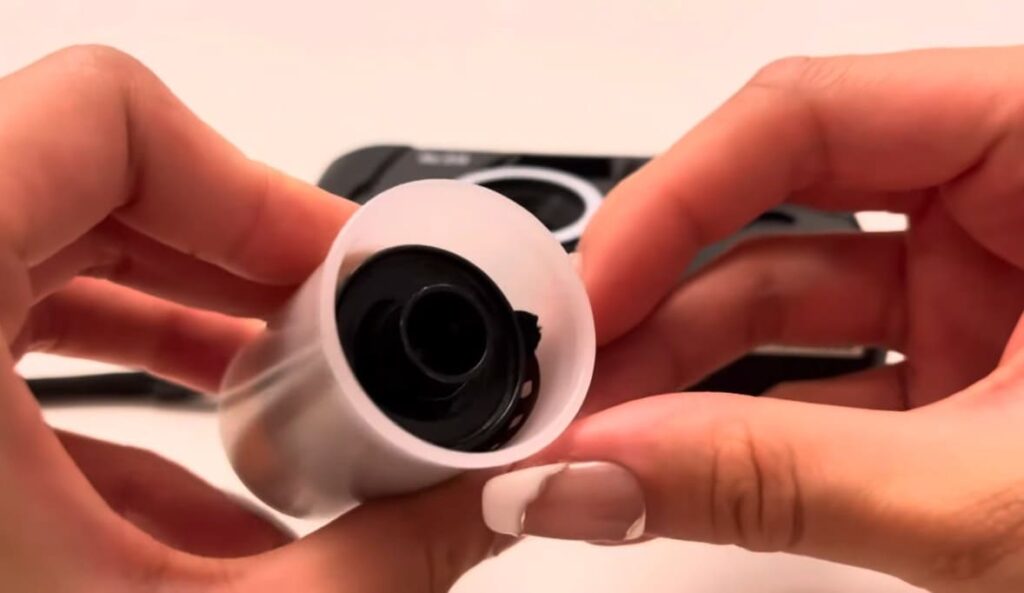
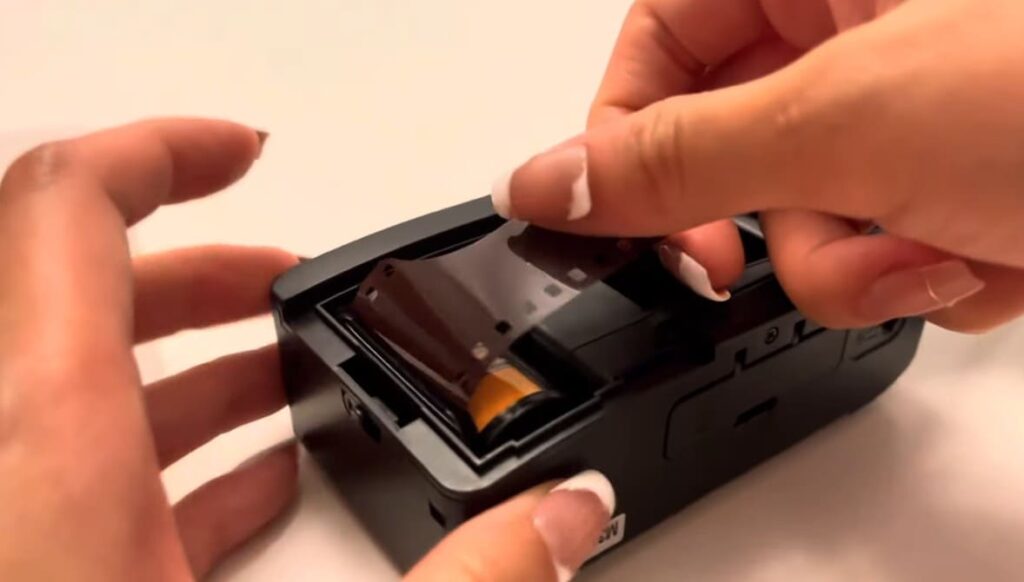
No, 35mm film cannot be used in a 38mm camera. The sprocket hole sizes of the two films are different, with 35mm film having smaller holes compared to the 38mm camera’s sprocket size. This size disparity means that the 35mm film will not fit properly into the camera and may result in jamming or damage to the film.
Furthermore, it’s worth noting that certain specialty films, like infrared or slow-speed emulsions, may not only have different sprocket hole sizes but also require specific camera bodies for optimal use. Even if the sprocket hole sizes match, using these specialty films in a camera not designed to accommodate them can lead to improper exposure or other technical issues.
To ensure a seamless and successful film shooting experience, it is highly recommended to consult the camera’s manual or reliable online sources for detailed specifications before purchasing any kind of film. This will help you select the right film that is compatible with your camera and avoid any unwanted surprises during your photography journey.
Are 35mm and digital cameras compatible?
No, 35mm film cameras and digital cameras are not compatible with each other due to their distinct formats and mechanisms. While both types of cameras share common components like a shutter, lens, and viewfinder, they fundamentally differ in their use of film. 35mm film cameras rely on physical film rolls, where light exposes the film and creates an image. On the other hand, digital cameras employ electronic sensors to capture and store images digitally, eliminating the need for film. This divergence in technology makes it impossible to interchangeably use 35mm film with a digital camera and vice versa.
Do you need to keep the original film packaging?
It is not necessary, but highly recommended to store the original packaging for 35mm films. The packaging contains important information about the film such as its ISO speed rating or type of emulsion which can be used to determine the film’s suitability for specific lighting or shooting conditions. In addition, the packaging can also provide helpful information regarding the proper handling and storage of the film, which can help to ensure its longevity and quality.
For digital cameras, it is important to store all accompanying information such as manuals or software discs that may be needed in case of repairs or maintenance. Keeping the original packaging can also help to identify the make and model of the camera in case it is ever stolen or lost.
Therefore, while it is not required to keep the original film packaging or other accompanying material for digital cameras, doing so can provide additional peace of mind and ensure against any unforeseen issues that may arise in the future. Additionally, having this information available can make it easier to troubleshoot any potential problems that may occur.
What does 38mm mean on a camera?
38mm is the size of the sprocket hole that can be found on medium and large format cameras. It is typically associated with lower-cost film formats, as it requires less material to produce compared to its 35mm counterpart. This also means that films with 38mm sprocket holes are generally more affordable than those made for 35mm cameras.
Due to its smaller sprocket hole size, 35mm film can be used in both medium and large format cameras. However, 38mm film cannot be used with a 35mm camera due to the difference in size, which could lead to potential jamming or other malfunctions.
It is important to note that certain specialty films may come exclusively in either the 35mm or 38mm formats, further highlighting the importance of determining the correct film type before shooting. Therefore, it is recommended to consult reliable sources such as the camera manual or online resources for detailed specifications on which film formats are compatible with your equipment. This will help to avoid any potential compatibility issues and ensure the best possible photography experience.
What other specialty films are available?
Specialty films come in a variety of forms and are designed for specific purposes. For example, infrared film can be used to capture images in near-infrared wavelengths, while slow-speed emulsions are ideal for capturing low-light scenes without the need for a tripod.
Other examples of specialty films include chromogenic black-and-white negatives, which provide greater control over the tonal range of photographs; orthochromatic film, which is sensitive to blue and green light while being insensitive to red; and lithographic films, which allow photographers to produce high-contrast negatives for use in photolithography.
Conclusion
So, can you use 35mm film in a 38mm camera? The answer depends on the individual camera, as some are designed to accommodate smaller film formats. However, in most cases, it is not recommended due to potential exposure issues and the risk of damaging the camera or film with excessive force when inserting the film. It is also important to make sure that your lens can cover both frame sizes before attempting to use a 35mm film in a 38mm camera. In short, unless you are sure that your equipment is compatible with different film formats, it is best to stick to the recommended size for the camera you have. In any case, experimenting with different types of film can be a fun and creative way to explore new possibilities in photography!