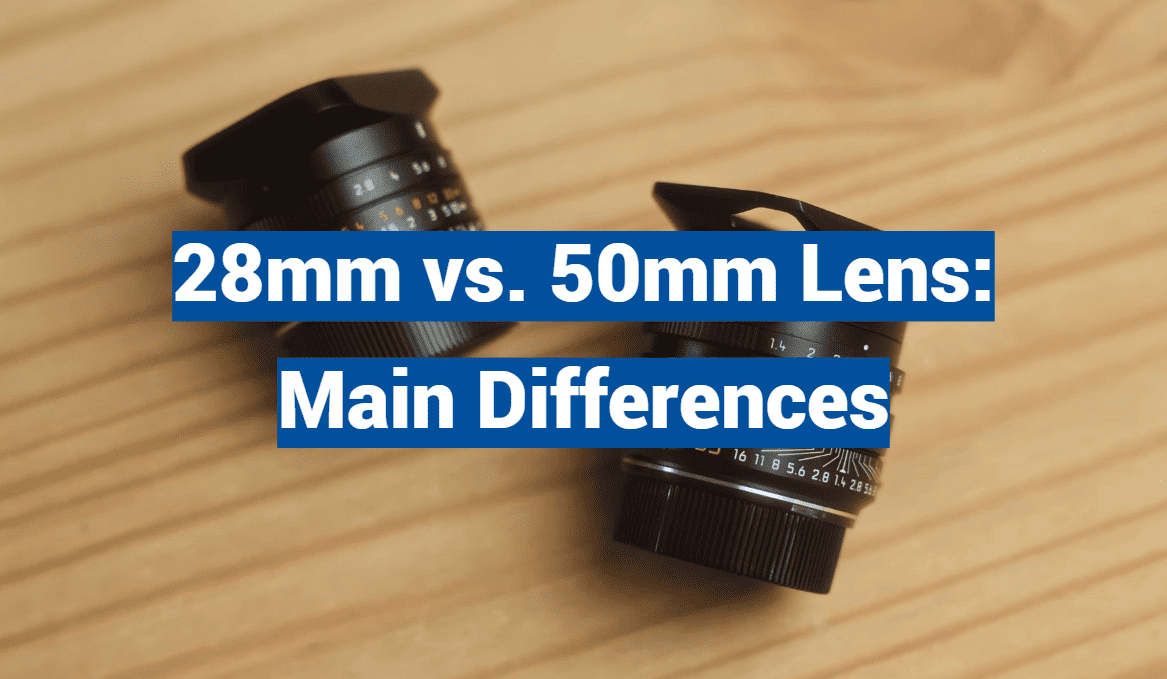
Embarking on a picturesque adventure with your trusty camera in tow can be an exhilarating experience. As you marvel at the stunning landscapes and captivating subjects before you, you realize that capturing these moments in the perfect frame is a delicate art. That’s where camera lenses come into play, and today this guide will unravel the intriguing world of two popular lens options: the 28mm and the 50mm. Whether you’re an aspiring photographer or a seasoned pro, understanding the differences between these two lenses can elevate your photographic prowess to dazzling heights. So, grab your lens cap, adjust your focus, and dive into the captivating universe of the 28mm versus the 50mm lens.
What is the focal length of a camera lens?
The focal length of a camera lens determines the angle of view and how much-magnifying power is available. Generally, the shorter the focal length, the wider the angle of view; and vice versa. A “normal” lens typically has a focal length of around 50 mm on a full-frame DSLR camera, or about 32 mm on an APS-C sensor camera. A wide-angle lens usually has a focal length shorter than 24 mm, and a telephoto lens usually has a focal length longer than 70 mm. Zoom lenses have variable focal lengths that can range from short to very long.
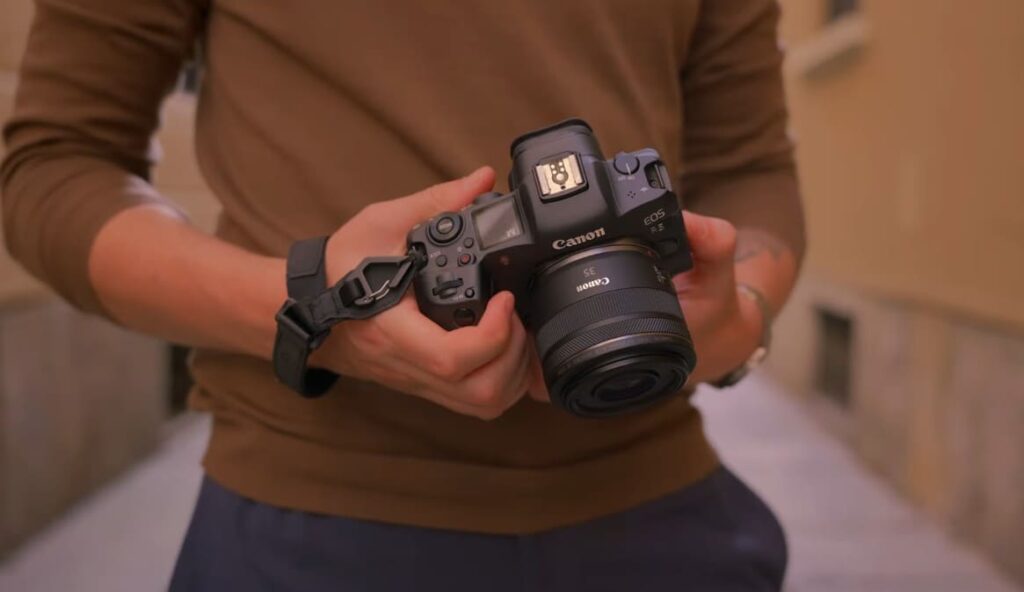
The amount of magnification that is available with any given camera lens also depends on its focal length as well as the size of the camera’s sensor. Larger sensors allow for greater magnification at any given focal length. For example, a 50 mm lens on an APS-C sensor camera will provide more magnification than a 50 mm lens on a full-frame DSLR camera.
Camera lenses can also be characterized by their maximum aperture size, which is typically measured in f-stops. A lens with a larger maximum aperture size will allow more light to pass through, resulting in faster shutter speeds and better low-light performance. In addition, lenses with larger maximum apertures can produce shallower depth-of-field effects for more creative photography.
When selecting the right camera lens for any given situation, it is important to consider both the focal length and the maximum aperture size. A lens with a wider angle of view and larger maximum aperture may be better suited for wide-angle landscape photography, while a telephoto lens with a narrower angle of view and smaller maximum aperture might be more suitable for sports or wildlife photography. By considering all these factors, photographers can choose the right camera lens to capture the best possible shots.
What Can You Use a 28mm Lens For?
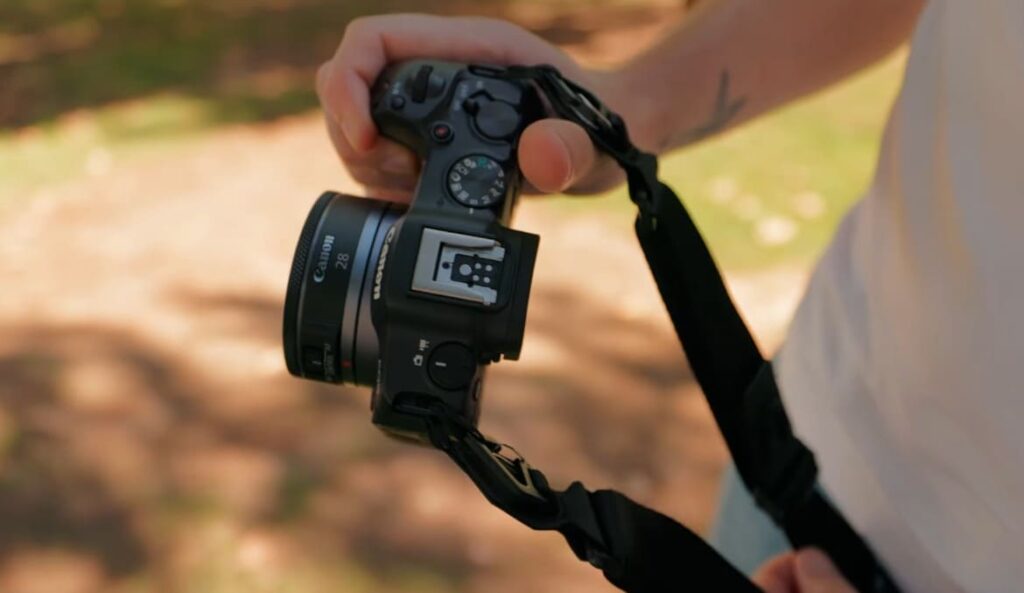
A 28mm lens is a great choice for photographers who want to capture landscapes, cityscapes, street photography, architecture and more. Its wide-angle view allows you to take in more of the scene than most other lenses. It’s also great for shooting photos in tight spaces and can be used indoors or outdoors. With a 28mm lens, you can create images with a lot of depth and perspective. You can also get some creative shots with this lens, such as exaggerated perspectives or close-up details.
Using a 28mm Lens in Low Light
This lens is also great for shooting in low-light situations since it has a wide aperture and can let in more light than other lenses. This makes it ideal for capturing night scenes or dimly lit interiors. With a 28mm lens, you can shoot with slower shutter speeds without having to increase the ISO, which can help to reduce noise and keep images sharp and clear.
Using a 28mm Lens for Portraits
Although the 28mm lens is primarily known for its wide-angle capabilities, it can also be a versatile choice for capturing stunning portraits. The wider perspective allows you to encompass the subjects in their entirety, showcasing their surroundings and telling a more comprehensive story. Moreover, the wider angle can offer a unique and intriguing perspective, adding a touch of creativity to your compositions.
In addition to its wide-angle prowess, the 28mm lens can also create a captivating background blur, known as bokeh. By using a wider aperture and positioning the subject appropriately, you can achieve a beautiful separation between the subject and the background. This not only draws attention to the main subject but also adds a sense of depth and dimension to the overall image, elevating its visual appeal.
Using a 28mm Lens for Macro Photography
The 28mm lens is a versatile choice for photographers, offering great capabilities not only for general photography but also for macro photography. With its ability to focus on small details and capture them with stunning clarity, this lens becomes an ideal companion for capturing the intricate beauty of flowers, insects, plants, and small objects. It allows you to get close enough to your subject, filling the frame with exquisite detail, resulting in images that truly showcase the intricacies of your subject. Whether you’re exploring the world of macro photography or simply seeking to capture the finest details, the 28mm lens is a powerful tool that will elevate your photography to new heights.
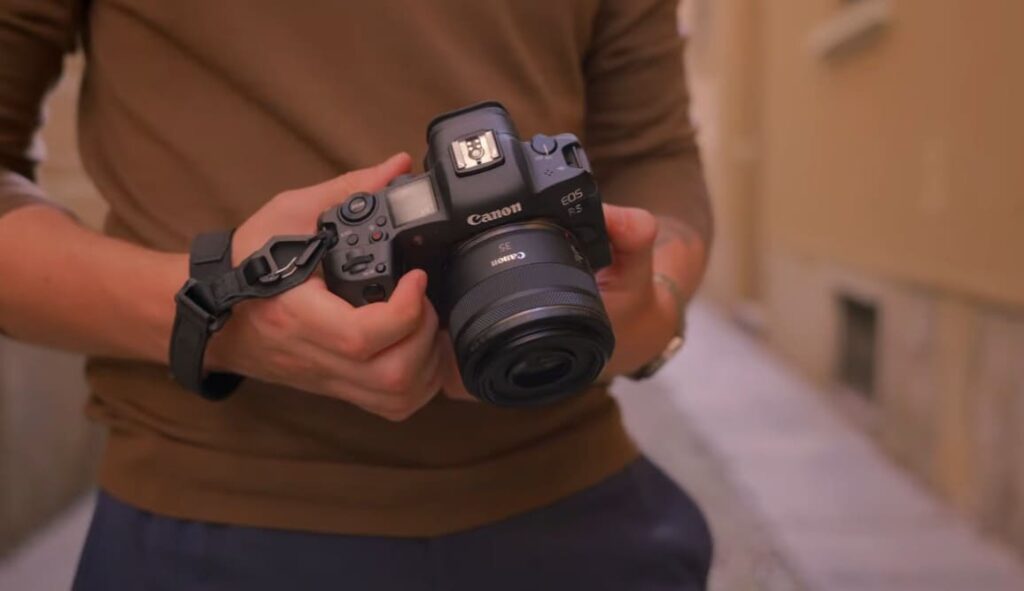
Using a 28mm Lens for Street Photography
The 28mm lens is also a popular choice for street photography because it allows you to capture candid shots of people and the environment around them without having to get too close. With this lens, you can stay further away from your subject while still capturing all the details in the scene. You can also use it to take photos of busy streets or crowded markets that would otherwise be difficult to capture with other lenses.
Using a 28mm Lens for Events
Finally, the 28mm lens is a great choice for events, such as weddings or parties. This lens allows you to capture moments without having to be too close to your subjects or miss out on any of the action. The wide angle also lets you take in more of the environment and capture photos that will tell a story about the event. With this lens, you can create images that are full of emotion and will be cherished for years to come.
What Can You Use a 50mm Lens For?
Using the 50mm Lens for Low light Photography
Low-light photography is one of the most difficult photographic techniques. It requires a lot of skill and practice to master. The 50mm lens can be very helpful in low-light photography as it has a wide aperture and fast shutter speed, allowing more light to enter the camera than other lenses with a smaller aperture. Furthermore, its narrow field of view means you won’t get too much background blur, while still allowing you to capture details in the darkest settings.
Using the 50mm Lens for Portraits
The 50mm lens is an excellent choice for portrait photography. Its wide aperture and fast shutter speed will help you capture subtle facial expressions and emphasize your subject’s features. The narrow field of view also helps to isolate your subject from the background, making it easier to create stunning portrait photos. Additionally, the shallow depth of field created by the 50mm lens will help you create a beautiful bokeh effect that can add drama and dimension to your portraits.
Using the 50mm Lens for Landscape Photography
The 50mm lens is also an ideal choice for landscape photography. Its wide aperture and fast shutter speed will help you capture stunning details in a crisp, sharp image. Furthermore, its narrow field of view allows for more creative control over your composition by giving you the ability to emphasize specific elements in the scene. Additionally, the shallow depth of field created by this lens can help make your landscape photos stand out even more.
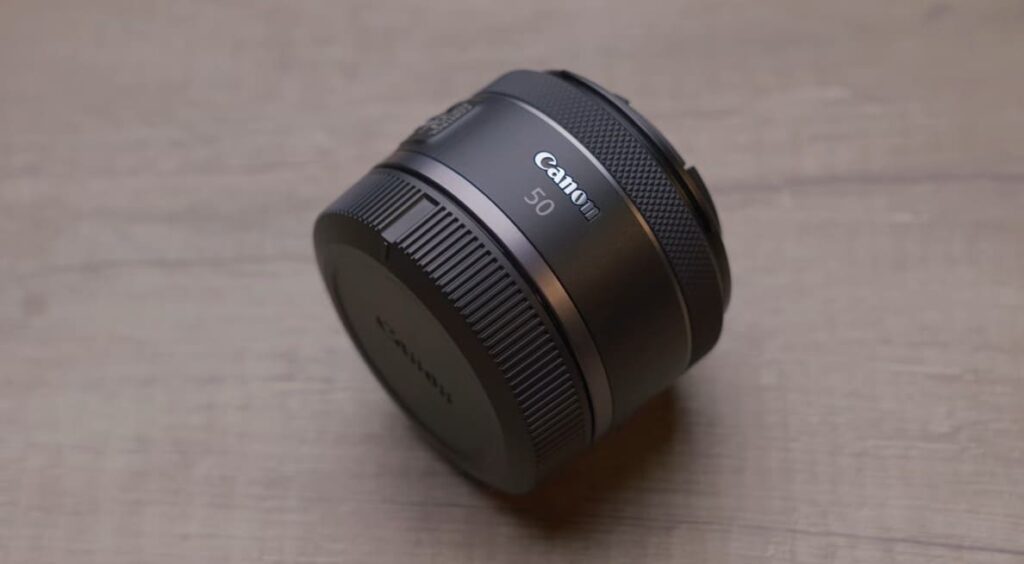
Using the 50mm Lens for Street Photography
The 50mm lens is also a great choice for street photography. Its wide aperture and fast shutter speed will help you capture candid moments in the hustle and bustle of everyday life. Additionally, its narrow field of view helps to isolate your subject from the background and create stunning images that capture the essence of street scenes. Furthermore, the shallow depth of field created by this lens can add an ethereal, dreamy quality to your street photos.
Using the 50mm Lens for Events and Weddings
The 50mm lens is also a great choice for event and wedding photography. Its wide aperture and fast shutter speed will help you capture the emotion of your subject in no time. Additionally, its narrow field of view helps to capture the atmosphere of the event or wedding, making your photos come alive. Furthermore, the shallow depth of field created by this lens can help to emphasize details in a stunning way and create beautiful images that will be cherished for years to come.
Using the 50mm Lens for Other Types of Photography
The 50mm lens is also an excellent choice for other types of photography such as macro, wildlife, night photography, architecture, and more. Its wide aperture and fast shutter speed will help you capture stunning images in any condition or situation. Additionally, its narrow field of view allows for more creative control over your composition and helps to isolate important details from the background. The shallow depth of field created by this lens can also add a unique touch to any photograph. By experimenting with different types of photography with the 50mm lens, you’ll be able to create beautiful images that will last a lifetime.
All in all, the 50mm lens is an extremely versatile tool for photography and can be used for many different types of photography. With its wide aperture, fast shutter speed, narrow field of view and shallow depth of field capabilities, it can help you capture stunning photographs no matter what type of photography you’re doing. So don’t hesitate to give it a go and see what you can create!
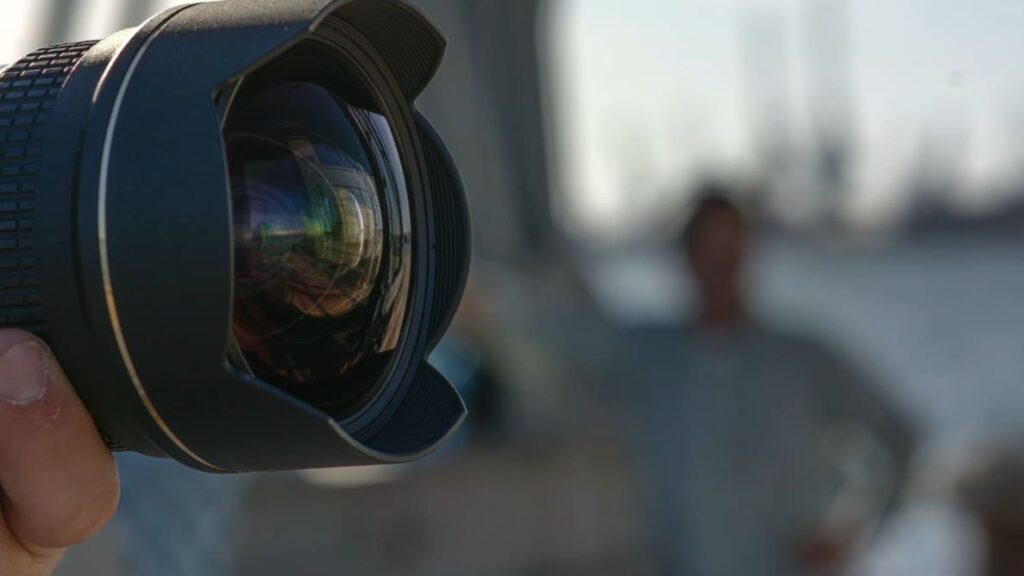
What are the differences between 28mm and 50mm camera lenses?
28mm and 50mm camera lenses vary greatly in terms of their design, functionality, and intended purpose. 28mm lenses are generally used to capture wide-angle shots that can help to create the illusion of a larger space on the screen. These lenses typically have a fast maximum aperture, allowing for better low-light shooting and shallower depth of field.
On the other hand, 50mm lenses tend to be designed for portraiture and general-purpose use. They feature a narrower field of view than their 28mm counterparts, but they provide greater background blur and a more pleasing bokeh effect. Furthermore, 50mm lenses typically have slower maximum apertures, making them less suitable for low-light shooting. However, this can also benefit shooters who want more control over the depth of field when shooting portraits.
When deciding between the two lenses, it’s important to consider your intended uses and decide which features best suit those needs. Both 28mm and 50mm lenses have their own advantages and disadvantages, so it’s important to weigh all aspects before making a choice. Additionally, if you’re looking for a lens to use for both wide and portrait shooting, consider investing in a zoom lens that offers the best of both worlds.
Regardless of which type of lens you choose, it’s important to understand how different lenses work and the effects they create before making a purchase. Doing research ahead of time can save you from buying an unsuitable lens for your needs. Furthermore, don’t forget to take into account other factors such as lens quality and brand reputation when making a purchase. High-quality lenses from well-known brands can make all the difference in creating stunning shots that truly stand out from the rest.
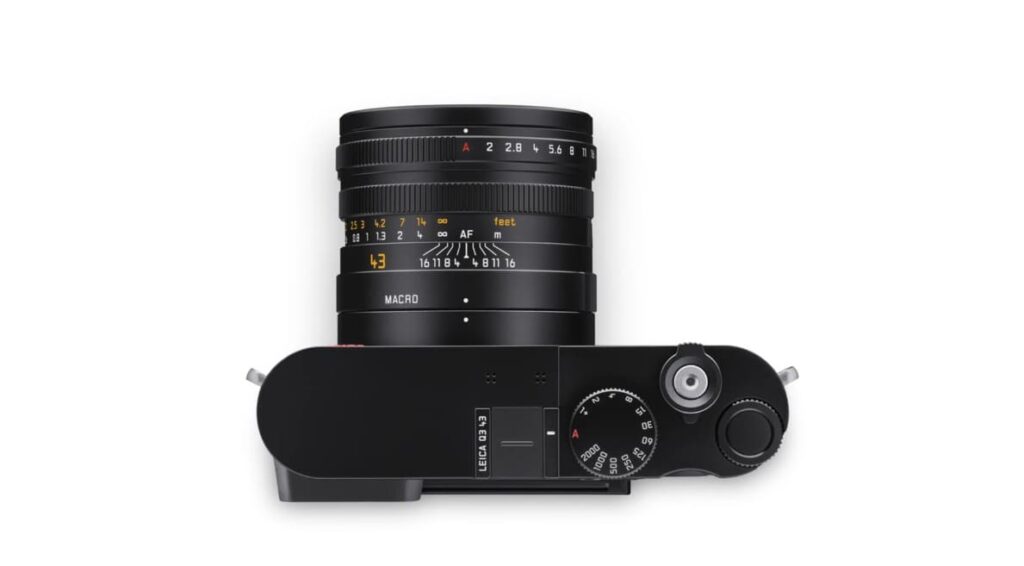
How to take care of camera lenses?
Taking care of a camera lens is an important part of photography. A clean, well-maintained lens will produce sharper images and less flare. Here are some tips for taking care of your camera lenses:
- Keep it clean – Dirt, dust, fingerprints, and grease can all reduce the quality of your photos. Make sure to keep your lenses clean by using a microfiber cloth to wipe away any contaminants.
- Keep it covered – Whenever you’re not using your lenses, make sure to keep them in their lens caps or other protective covering. This will prevent dust from settling on the glass and reduce scratches.
- Use a filter – If your camera has an internal filter, use it! It will help protect the lens from dust, dirt, and scratches.
- Avoid moisture – Exposure to water or other liquids can damage your lenses and cause permanent damage. Make sure to keep them away from any potential sources of moisture.
- Store carefully – Always store your lenses in a cool, dry place when not in use. If possible, invest in a specialized camera bag or case to keep them safe and secure.
- Inspect regularly – Periodically inspect your lenses for signs of wear and tear, such as scratches, dirt, or debris. If you notice any damage, take the necessary steps to repair it before continuing to use the lens.
Following these tips can help ensure that your camera lenses last for years to come! With proper care and maintenance, you can be sure that your lenses will always produce the highest-quality images possible.
FAQ
What is the difference between 28mm and 50mm in street photography?
The main difference between 28mm and 50mm in street photography is the angle of view. A 28mm lens will provide a wider angle of view, allowing for more context to be captured in the frame. This can be beneficial for capturing images that include multiple subjects or larger scenes. On the other hand, a 50mm lens provides a narrower angle of view which gives you a more compressed perspective and can be useful for capturing portraits or details in the foreground. It’s important to note that both lenses have their own strengths and weaknesses, so it will depend on what kind of images you are trying to capture.
What is an ideal shutter speed for street photography?
The ideal shutter speed for street photography depends largely on your own personal preference as well as the type of scene you are trying to capture. Generally, a shutter speed between 1/125th and 1/250th of a second is recommended for street photography. Faster shutter speeds will help to freeze any motion in the frame, while slower speeds can be used to create motion blur for artistic effect. It’s important to experiment with different shutter speeds to find out which works best for your own style of photography.
What type of camera should I use for street photography?
The type of camera you should use for street photography depends largely on your personal preference and budget. Generally, a DSLR or mirrorless camera with interchangeable lenses is the ideal choice as they offer the most flexibility and control over image quality. However, many people also use point-and-shoot cameras for street photography as they are more portable and easier to carry around. Ultimately, the best camera is the one that you feel most comfortable shooting with.
What is the benefit of a 28mm lens?
The main benefit of a 28mm lens is that it provides a wider angle of view than other focal lengths. This allows you to capture more of the scene in the frame, making it ideal for capturing vast landscapes or multiple subjects in one shot. It can also be useful for shooting close-up shots where you want to include elements from both near and far away in the frame. Additionally, 28mm lenses are often more affordable than other focal lengths, making them an attractive option for budget-conscious photographers.
Why do I only use a 50mm lens?
A 50mm lens is a popular choice among photographers as it provides a more compressed perspective than other focal lengths. This can be beneficial for capturing details in the foreground and allows you to focus on specific elements of the scene without including too much of the background. Additionally, since a 50mm lens usually has a wider aperture, it can be useful for shooting in low-light conditions and can help to create images with a shallow depth of field. Finally, 50mm lenses are often more affordable than other focal lengths, making them an attractive option for budget-conscious photographers.
What is the difference between 50mm and 30mm photography?
The main difference between 50mm and 30mm photography is the angle of view. A 50mm lens will provide a narrower field of view than a 30mm lens, allowing you to focus on specific elements in the frame without including too much background. On the other hand, a 30mm lens provides a wider angle of view which can be beneficial for capturing more of the scene in the frame. Additionally, a 30mm lens is typically lighter and more compact than a 50mm lens, making it easier to carry around. It’s important to note that both lenses have their own strengths and weaknesses, so it will depend on what kind of photography you are trying to achieve.
What type of lenses should I use for landscape photography?
For landscape photography, it is recommended to use wide-angle lenses such as 24mm or 35mm. These lenses provide a wider field of view which can be beneficial for capturing expansive scenes and landscapes. Additionally, these lenses often have larger maximum apertures which can allow for more light into the frame and can help to create images with a shallow depth of field. Finally, wide-angle lenses are often more affordable than telephoto or zoom lenses, making them an attractive option for budget-conscious photographers.
Why is 50mm the best focal length?
The 50mm focal length is often considered to be the best for many types of photography as it provides a natural perspective that closely mimics the human eye. This can be beneficial for capturing portraits as well as everyday scenes and landscapes. Additionally, 50mm lenses are often more affordable than other focal lengths, making them an attractive option for budget-conscious photographers. Finally, since a 50mm lens usually has a wider aperture, it can be useful for shooting in low-light conditions and can help to create images with a shallow depth of field.
Do professionals use 50mm camera lenses?
Yes, many professional photographers use 50mm lenses for a variety of photography disciplines. This includes portrait photography, street photography, landscape photography, and more. The 50mm focal length provides a natural perspective that closely mimics the human eye which can be beneficial for capturing everyday scenes and landscapes more realistically. Additionally, since a 50mm lens usually has a wider aperture, it can be useful for shooting in low-light conditions and can help to create images with a shallow depth of field. This makes 50mm lenses a popular choice among professionals who need reliable performance from their lenses.
What is the best shutter speed for landscape photography?
The ideal shutter speed for landscape photography largely depends on your own personal preference as well as the type of scene you are trying to capture. Generally, a shutter speed between 1/125th and 1/250th of a second is recommended for most outdoor scenes as it can help to prevent unnecessary motion blur while still allowing enough time for any light trails or clouds in the background to be captured. However, longer exposures may also be used to create intentional motion blur or to capture more light in the frame. Ultimately, it’s best to experiment with different shutter speeds to find out which works best for your own style of photography.
Why do some photographers use a wide aperture lens for landscape photography?
Wide aperture lenses are often used for landscape photography as they can help to capture more light in the frame. This is especially useful for shooting during low-light conditions or capturing scenes with an expansive sky. A wide aperture also allows for a shallow depth of field, which can be beneficial for isolating your subject from the background and creating images with a more classic, artistic look. Additionally, wide-aperture lenses are often more affordable than telephoto or zoom lenses, making them an attractive option for budget-conscious photographers.
Conclusion Paragraph
So, if you want to find differences between 28mm and 50mm camera lenses, then it is important to consider the size and weight of these lenses, how much light can be captured, and the depth of field they provide. 28mm lenses are usually smaller, and lighter, allowing more light in a given situation and giving you more background blur. In comparison 50mm lenses tend to be bigger and heavier, less light sensitive with less background blur. Ultimately, which lens you should choose depends on your needs and the situation you plan to shoot in.