
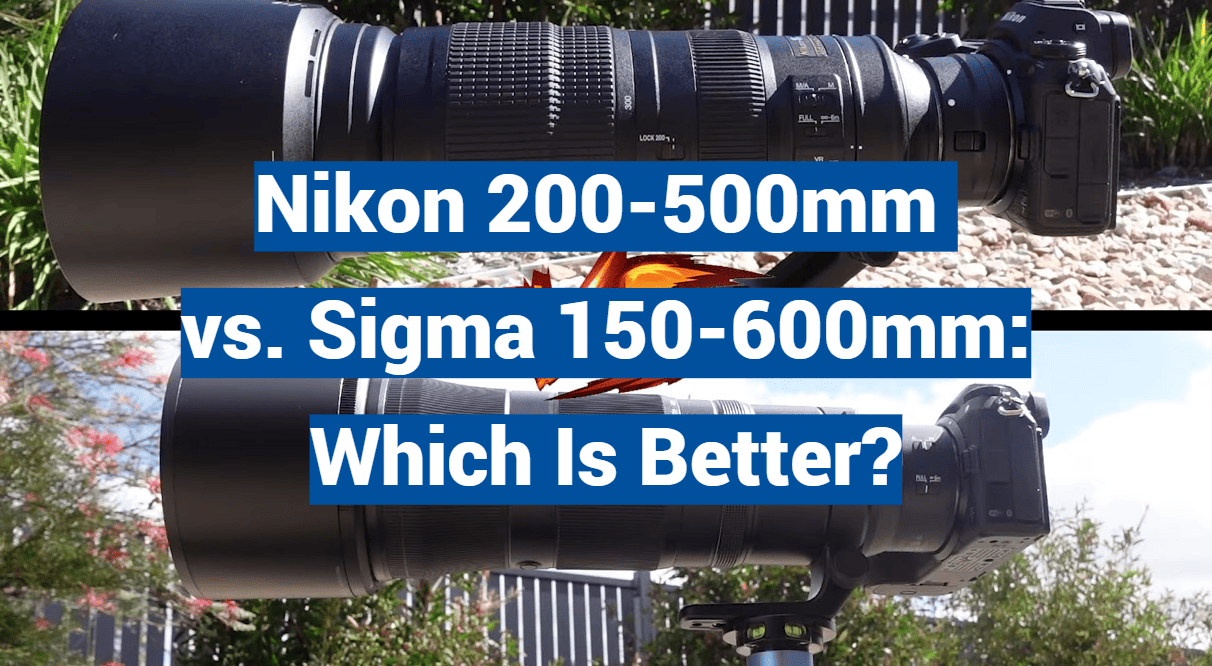
In the world of wildlife photography, capturing breathtaking images from a distance requires the assistance of a powerful telephoto lens. The hunt for the perfect lens that will allow you to get up close and personal with elusive creatures can seem like a never-ending quest. Are you torn between the Nikon 200-500mm and the Sigma 150-600mm, two outstanding lenses that have been praised by photographers worldwide? Fear not, for this comprehensive comparison will explore the features, strengths, and weaknesses of each lens, so you can make an informed decision and take your wildlife photography to new heights.
What is a Nikon 200-500mm camera?
The Nikon 200-500mm camera is a powerful lens that provides photographers with the ability to capture stunning images from far distances. This lens features an advanced optical design and nanocrystal coating to reduce chromatic aberration and offer remarkable clarity throughout its entire zoom range. The lens also offers fast autofocus with Silent Wave Motor technology, along with Vibration Reduction for sharp and blur-free images even in low light. Additionally, the Nikon 200-500mm camera is compatible with both FX and DX format DSLRs, giving users ultimate flexibility in their creative pursuits.
The Nikon 200-500mm lens is an ideal choice for nature photographers looking to capture distant wildlife or stunning landscapes. Its wide range of focal lengths gives you the ability to capture everything from wide-angle vistas to close-up shots. It also offers superb image quality, making it a great choice for capturing portraits or other creative images. Whether you’re shooting in low light or bright sunlight, the Nikon 200-500mm lens is sure to provide sharp, vibrant results.
With its superior features and outstanding performance, the Nikon 200-500mm lens is an ideal choice for any photographer looking to capture stunning images from afar. It’s a great choice for sports or wildlife photographers, and its versatile focal range makes it suitable for many creative photographic applications. Whether you’re shooting landscapes, portraits or anything in between, the Nikon 200-500mm camera is sure to provide professional-quality results.
The Nikon 200-500mm lens is the perfect choice for shooters who need to capture extraordinary images from far distances. Its superior optics and advanced features make it a top performer in a variety of photographic applications. With its robust build quality, fast autofocus and Vibration Reduction technology, the Nikon 200-500mm camera is sure to be a valuable addition to any photographer’s kit. For those looking for a powerful lens with an extensive focal range, the Nikon 200-500mm camera is sure to provide outstanding results.

What is a Sigma 150-600mm camera?
The Sigma 150-600mm camera is a professional-grade super telephoto lens designed for wildlife photography and long-distance shooting. It provides both zoom power and image stabilization, allowing photographers to capture stunning images from far distances that would otherwise be impossible to get with their standard lenses. Its maximum aperture of f/5-6.3 allows for bright, clear images even in low light, and its autofocus system is fast enough to keep up with fast-moving subjects. Additionally, the lens has a dust- and splash-proof construction for use in adverse weather conditions.
The Sigma 150-600mm also features an advanced optical stabilizer that reduces camera shake for sharper images. The lens also has two dedicated switches: one to switch between manual and autofocus, and a second to enable or disable the image stabilization system. Finally, it has an impressive range of compatible cameras, making it suitable for both professional photographers as well as amateur shooters.
Overall, the Sigma 150-600mm is an excellent choice for wildlife photography and long-distance shooting. Its combination of zoom power, image stabilization, and weatherproof construction make it a reliable choice for capturing stunning images from far distances. Additionally, its compatibility with a wide range of cameras makes it an ideal lens for both professional photographers and amateur shooters alike. No matter your level of experience, the Sigma 150-600mm is an excellent tool to help you get the most out of your photography.
Nikon 200-500mm vs Sigma 150-600mm
General Considerations
These two lenses offer a remarkable degree of flexibility in terms of focal length, granting photographers the ability to effortlessly capture breathtaking wide-angle shots that encompass vast landscapes or to zoom in on distant subjects, capturing intricate details with exceptional clarity. With their relatively fast autofocus capabilities, these lenses ensure that the perfect shot is never missed, as they swiftly lock onto the subject without the need for any manual adjustments. Moreover, these lenses boast a remarkable balance between performance and portability, being both lightweight and compact, making them an ideal choice for photographers seeking versatility without compromising on convenience.
Fixed Versus Variable Aperture
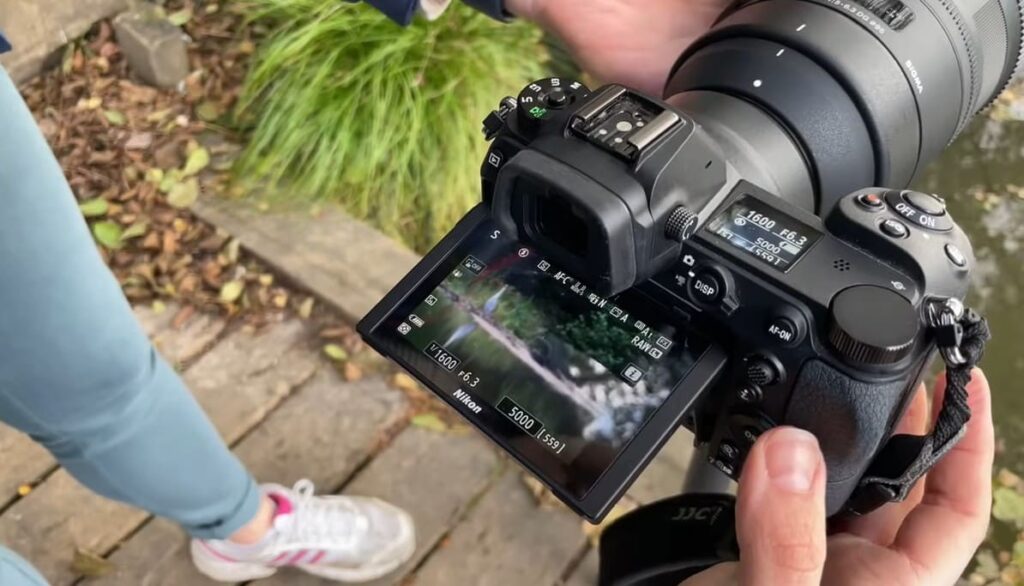
One of the major differences between these two lenses is their aperture range. The Nikon 200-500mm features a fixed maximum aperture of f/5.6 throughout its entire zoom range, while the Sigma 150-600mm has a variable maximum aperture ranging from f/4.0 to f/6.3 depending on the focal length selected.
This difference can be both advantageous and disadvantageous, depending on the situation. If shooting in low light conditions, such as at night or indoors, then the Sigma’s variable aperture is ideal for allowing more light into the lens while still maintaining a relatively small size; however, if shooting outdoors during the day or under bright lighting conditions, then the Nikon’s fixed aperture may be preferable due to its larger maximum size and greater light gathering capabilities.
Why Not Primes?
While prime lenses, such as the Nikon 85mm or Sigma 135mm, offer an outstanding level of sharpness and clarity along with very fast autofocus capabilities, they lack the versatility of a zoom lens. Depending on your needs, a prime lens may be suitable for certain types of photography; however, for those who require more flexibility in terms of focal length, a zoom lens such as the Nikon 200-500mm or Sigma 150-600mm is often the ideal choice.
Image Quality
Both lenses offer exceptional image quality, producing sharp and vibrant photos with minimal distortion or aberrations. The Nikon 200-500mm has the advantage of being a more specialized lens, offering superior corner sharpness at any focal length; while it may not produce quite as vivid colors or fine details as the Sigma 150-600mm, its specialized design makes up for this lack in other areas.
Sharpness
When it comes to sharpness, the Nikon 200-500mm lens is widely acclaimed for being one of the sharpest lenses available in its range. With its remarkable ability to capture images that are not only crisp and detailed but also free from aberrations and distortion, it stands out as a top choice for photographers seeking unparalleled image quality. On the other hand, the Sigma 150-600mm lens also delivers excellent results, although it may not quite match the exceptional level of sharpness offered by the Nikon lens. Nonetheless, both lenses present compelling options for photographers looking to capture stunningly sharp and detailed images.
Wide open shootout
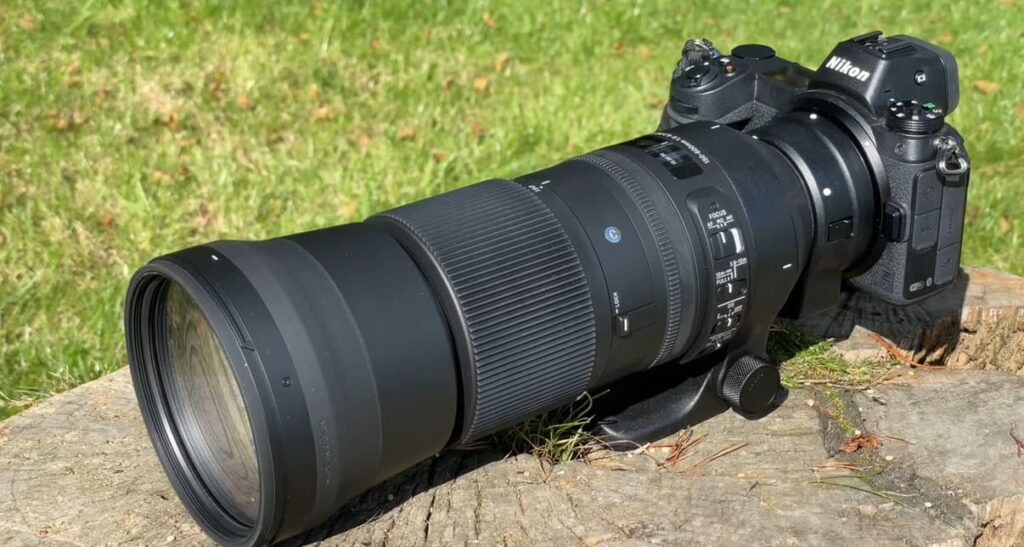
The Nikon 200-500mm lens offers outstanding performance when used wide open, providing sharp and vivid images that are free from aberrations or distortions. It is capable of capturing crisp details even in challenging lighting conditions, such as low light or backlit scenes, making it an ideal choice for photographers seeking to take advantage of the increased flexibility offered by a fast lens. On the other hand, the Sigma 150-600mm also performs well when used wide open, producing sharp images with vivid colors and good contrast.
Autofocus Performance
Both lenses boast fast and accurate autofocus capabilities, allowing photographers to capture the perfect shot without any delays. The Nikon 200-500mm lens offers a particularly noteworthy level of speed and accuracy, ensuring that even distant subjects are quickly brought into focus without any difficulty. The Sigma 150-600mm is also quite impressive in this regard, offering an equally reliable autofocus system and an impressive level of precision.
Manual Focus
In terms of manual focus, both lenses offer smooth and accurate operation. The Nikon 200-500mm lens tends to be slightly more responsive when making precise adjustments, providing photographers with optimal control. However, it is worth noting that for some photographers, the Sigma 150-600mm lens may provide a more comfortable experience due to its larger focus ring, allowing for easier and more precise adjustments. This can be especially beneficial in situations where quick and precise focusing is crucial, such as wildlife photography or sports events. Ultimately, the choice between the two lenses depends on personal preferences and specific shooting requirements.
Flare and Chromatic Aberrations
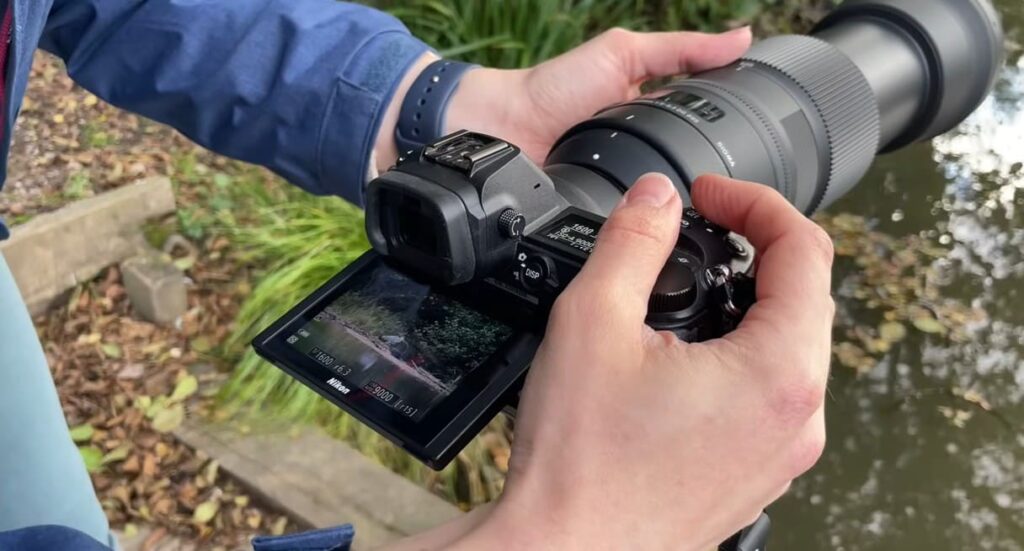
Flare and chromatic aberration are often major concerns for photographers, particularly when shooting in challenging lighting conditions. Fortunately, both the Nikon 200-500mm and Sigma 150-600mm lenses produce excellent results in terms of flare resistance, with very little image degradation as a result of lens flare or ghosting. Similarly, both lenses handle chromatic aberration remarkably well, producing images that are free from color fringing or other aberrations. In this regard, both lenses are highly recommended for photographers seeking superior image quality without any of the common optical issues.
Bokeh, Bokeh, Bokeh
One of the most sought-after features in lenses is their ability to produce beautiful out-of-focus backgrounds, commonly known as bokeh. Both the Nikon 200-500mm and Sigma 150-600mm lenses offer outstanding performance in this regard, producing smooth and creamy bokeh that can significantly enhance the visual appeal of a photo. The Nikon lens tends to produce slightly more pleasing results due to its faster maximum aperture, although the Sigma lens also delivers excellent bokeh at certain focal lengths.
Build Quality and Handling
The Nikon 200-500mm and Sigma 150-600mm lenses both boast excellent build quality, with robust and durable construction that can withstand a variety of conditions. The Nikon lens is particularly impressive in this regard, featuring a tough magnesium alloy body with weather sealing that makes it suitable for use in all sorts of environments. On the other hand, the Sigma lens offers an equally impressive level of durability, making it an ideal choice for photographers who need a lens that can stand up to regular use. Both lenses also feature excellent ergonomics, allowing photographers to easily handle and adjust them during shooting.
Price and Value
Finally, the Nikon 200-500mm and Sigma 150-600mm lenses are both exceptionally good value for money considering their performance. The Nikon lens is certainly the more expensive of the two, but its superior image quality and robust construction make it an ideal choice for those seeking a long-term investment. On the other hand, the Sigma 150-600mm lens offers exceptional value for money, with excellent optical performance at a much more accessible price point. So, on average Nikon 200-500mm can cost about 1000 dollars while Sigma 150-600mm can cost around 500 dollars. Ultimately, the choice between the two lenses comes down to personal budget and specific shooting requirements.
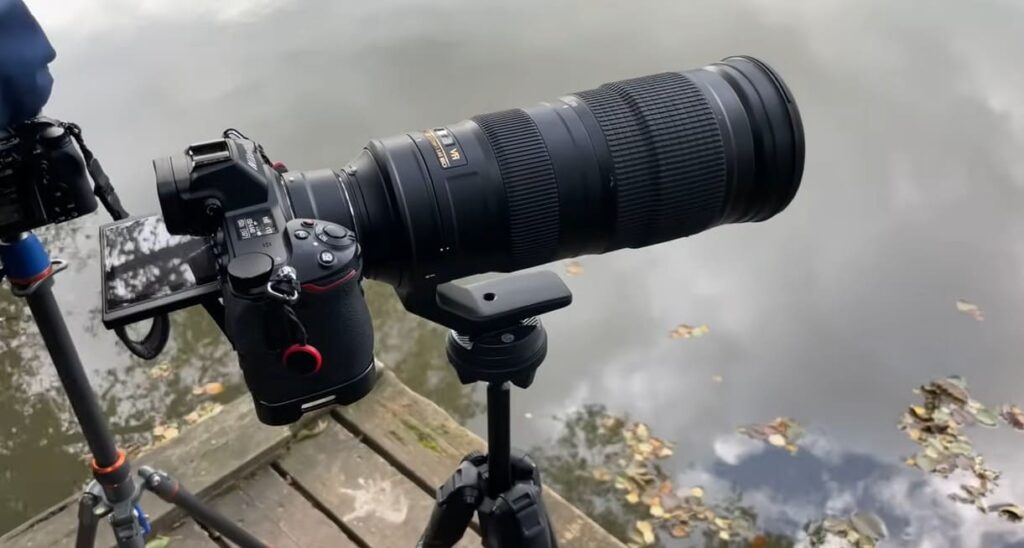
What photos can you take with Nikon 200-500mm and Sigma 150-600mm?
Both Nikon 200-500mm and Sigma 150-600mm lenses can be used to take great photos of wildlife, landscapes, sports, and more. With their wide focal range and sharp optics, these lenses are perfect for capturing the beauty of nature.
Wildlife photography is one of the most popular uses for these lenses since they allow you to get close-up shots with great detail. The Nikon 200-500mm lens has a minimum focusing distance of 3m, meaning you can get close to your subject without scaring it away. And since the lens is so light, it’s easy to carry around and take on safaris or hikes.
The Sigma 150-600mm makes it even easier to capture dynamic wildlife shots since it has a minimum focusing distance of about 2.3m and is much lighter than the Nikon lens. With its greater zoom range, you can get more detail out of your images without having to get as close.
For landscapes, these lenses are great for capturing expansive views with dramatic color and depth. The wide focal range lets you compose multiple photographs into one, creating stunning panoramic shots. You can also get close-up images of mountains, rivers, or other features with the ability to zoom in for added detail.
The Nikon 200-500mm and Sigma 150-600mm lenses are also great for sports photography since they let you capture the action from far away. The fast autofocus helps you keep up with the action and you can zoom in for great details of athletes in motion.
Overall, these lenses are versatile enough to handle just about any type of photography you want to do. Whether it’s wildlife, landscapes, or sports, there’s sure to be a perfect shot waiting for you. So go out and explore the possibilities!
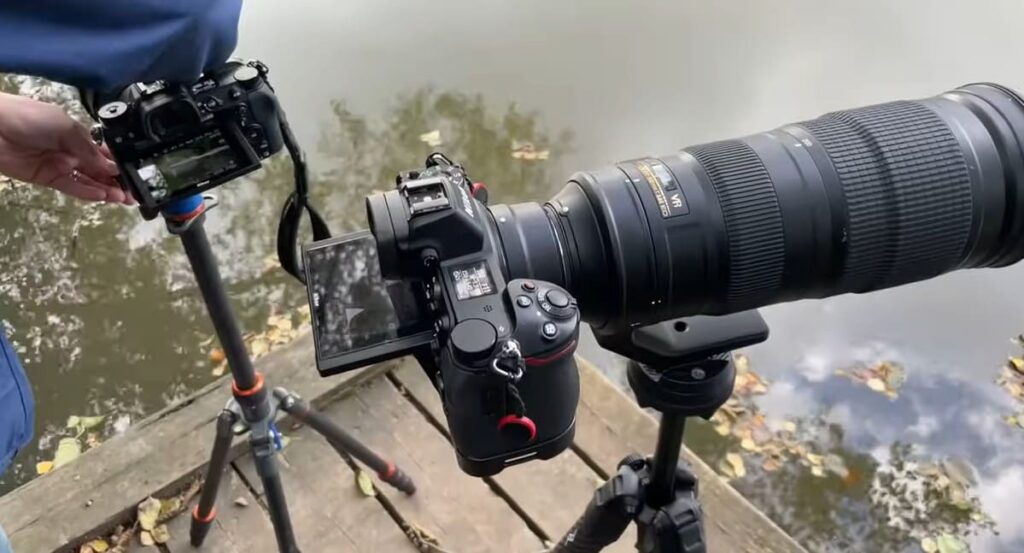
How should you care for camera lenses?
Taking care of your camera lenses is essential if you want them to last for a long time. Here are some tips on how you can do that:
- Keep your lens clean – Make sure to keep the external surfaces of the lens free from dust, fingerprints and other contaminants by wiping with a soft, dry cloth. If needed, use a special lens cleaning solution to remove any dirt or smudges.
- Change your lenses carefully – When changing lenses, it’s important to take extra care because the camera mount and lens contacts can easily get scratched or damaged if not handled properly. Point the camera down so that dust won’t be able to enter the chamber and always keep a rear cap on the lens you are not using.
- Use a protective filter – A clear, UV or skylight filter can protect your lens from dirt, dust and scratches that can occur while shooting outdoors. Just make sure to take it off before taking pictures as it will affect the image quality.
- Store lenses properly – Be sure to store your lenses in a dry, dust-free environment. If you have more than one lens, store them in separate containers or bags to prevent scratches and other damage.
- Get your lens serviced regularly – Regular servicing can keep your lenses in good condition and help prolong their life. Have it checked by a qualified technician for any signs of wear and tear that may need to be repaired.
These are just a few tips on how to take care of your camera lenses and keep them in good shape for as long as possible. With proper maintenance, you can be sure that your lenses will remain in excellent condition and last for many years to come. Additionally, it’s also important to invest in quality accessories such as lens caps, hoods and cleaning solutions to ensure the best protection for your lenses. Taking these simple steps can make a big difference in keeping your camera lenses in top condition.
FAQ
How much does a Nikon 200-500 weigh compared to a Sigma 150-600?
The Nikon 200-500 lens is not only much lighter than the Sigma 150-600, but it also provides exceptional performance. With its weight of approximately 3.1 pounds (1.4 kg), the Nikon 200-500 is designed to be a perfect companion for photographers seeking a lightweight camera setup without compromising on image quality. Its compact and portable design ensures ease of use during long photography sessions or when traveling to capture stunning shots. The lens offers a versatile focal range and impressive optical performance, making it an ideal choice for wildlife, sports, and nature photographers who value both image quality and portability. With the Nikon 200-500, you can confidently explore and capture the world around you without feeling weighed down.
What is the difference between the Nikon 200-500 and Sigma 150-600?
The primary differences between the Nikon 200-500 and Sigma 150-600 are in their zoom range, maximum aperture, autofocus motor type, and size/weight. The Nikon has a slightly longer zoom range (200mm – 500mm vs. 150mm – 600mm) and a slightly faster maximum aperture of f/5.6 (compared to the Sigma’s f/6.3). Additionally, the Nikon lens is significantly lighter at 3.1 pounds (1.4 kg), while the Sigma lens weighs 4.2 pounds (1.9 kg). The Nikon 200-500 has an ultrasonic AF motor, which offers fast and precise autofocus, while the Sigma 150-600 features an HSM (Hyper Sonic Motor), which provides slightly slower but more reliable AF. Both lenses offer excellent image quality and provide outstanding performance for a variety of photography needs.
What accessories should I buy with the Nikon 200-500 lens?
In addition to the Nikon 200-500 lens, there are several essential accessories that you should consider purchasing to ensure the best possible performance from your camera setup. A sturdy tripod is key for capturing sharp images and avoiding motion blur when using a long focal length lens like the Nikon 200-500. Additionally, high-quality filters such as UV or circular polarizing lenses can help reduce glare and improve image quality while shooting outdoors. An appropriate lens hood and a lens cleaning kit are also essential accessories for protecting the lens from scratches and dust. Finally, a good quality camera bag is highly recommended to keep all of your gear organized and safe while traveling or on location.
Which is better: the Sigma or Tamron lens for Nikon?
Ultimately, the better lens for you will depend on your individual needs and preferences. The Sigma 150-600 offers impressive performance and versatility with its wide zoom range, but it is significantly heavier than the Tamron 150-600mm. On the other hand, the Tamron 150-600mm has a lighter weight construction that makes it more portable, but the optical performance may not be as strong as the Sigma. Both lenses provide great image quality and are perfect for various photography styles, so it is important to consider your shooting needs and budget before making a decision.
Is a Nikon 200-500mm worth it?
The Nikon 200-500mm lens is definitely worth the investment for photographers who are looking for an impressive zoom range and excellent image quality in a lightweight, portable package. With its versatile focal length, fast maximum aperture (f/5.6) and ultrasonic AF motor, the lens provides outstanding performance in a variety of situations. Whether you are shooting wildlife, sports, or landscape photography, the Nikon 200-500mm will be sure to capture stunning images with ease. Additionally, its compact design makes it an ideal choice for those who need a lightweight and portable camera setup without sacrificing image quality. All in all, the Nikon 200-500mm is a great investment that can help you take your photography to the next level.
Is 500mm enough for shooting wildlife?
Yes, 500mm is generally enough for shooting wildlife, although the exact ideal focal length will depend on the type of animal you are photographing. For larger animals like bears and moose, a 500mm lens can provide good reach to capture full-body shots without needing to get too close. For smaller birds or other animals that may be skittish around humans, a longer focal length may be beneficial for capturing detailed images from farther away. Ultimately, it is important to consider your individual shooting needs and the size of the animals you are photographing before deciding on the optimal focal length for your wildlife photography.
What settings should I use when shooting with a Nikon 200-500mm lens?
When shooting with a Nikon 200-500mm lens, it is important to set the camera up correctly to get the most out of the lens. First, it is recommended to shoot in manual mode and set your shutter speed between 1/500s and 1/1000s for best results. Additionally, a low ISO setting (100-400) will help keep noise levels at bay when shooting with longer focal lengths. Finally, use a tripod or other stable mounting solution when possible to minimize camera shake and ensure sharp images. With the right settings and gear, you can have confidence that your Nikon 200-500mm lens will provide stunning shots with ease.
Conclusion
So, what is better: Nikon 200-500mm vs. Sigma 150-600mm? Both of these lenses are great pieces of equipment that offer excellent optical performance. However, the Nikon 200-500mm offers a better maximum reach and more value for money compared to the Sigma 150-600mm. Additionally, if you are looking for a lens with added versatility, the 200-500mm is also the better option as it can be used on multiple camera systems. As a result, the Nikon 200-500mm is a great recommendation for those looking to get an excellent lens with a great maximum reach and value for money.