
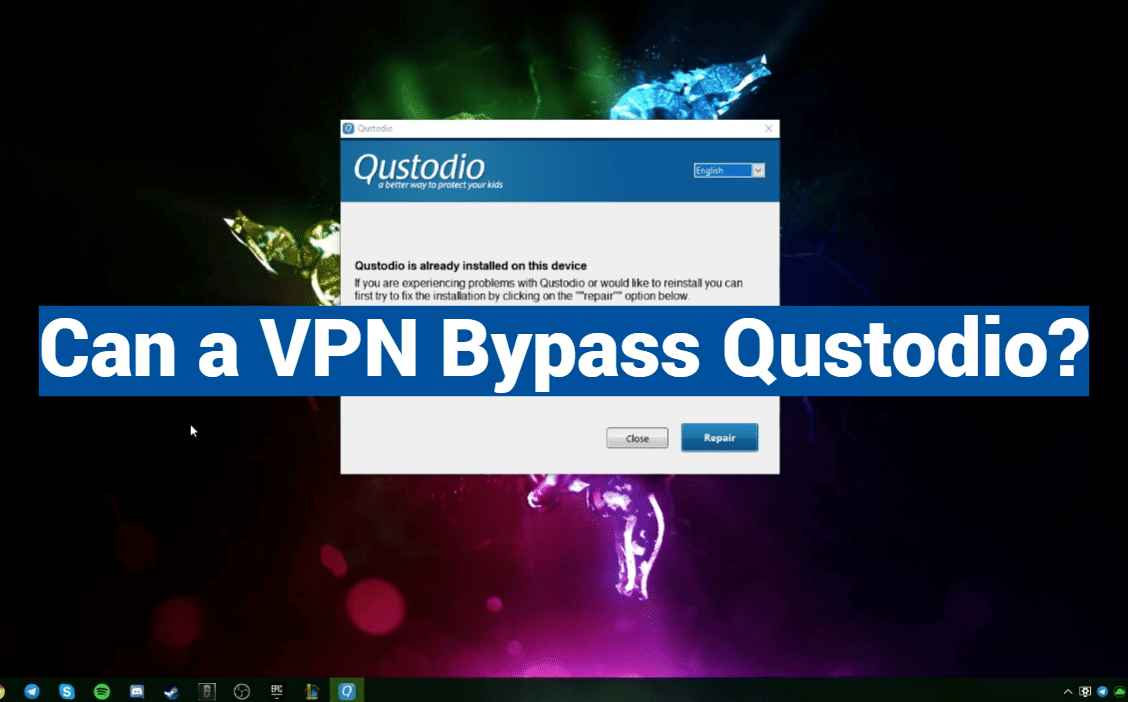
Navigating the digital landscape can be a double-edged sword, especially for parents looking to safeguard their children online. Tools like Qustodio have emerged as a popular choice for parental control, promising to keep kids safe from inappropriate content and manage screen time. But what happens when a child tries to sidestep these restrictions using a VPN? Does a VPN bypass Qustodio, and if so, what are the implications for online privacy and parental controls?
This detailed exploration will unpack the interplay between VPNs, such as security and privacy champions, and parental control software like Qustodio. It will also take a deep dive into how VPNs work, the strategies they use to bypass restrictions, and what options are available to parents who want to maintain digital oversight without infringing on their child’s privacy.
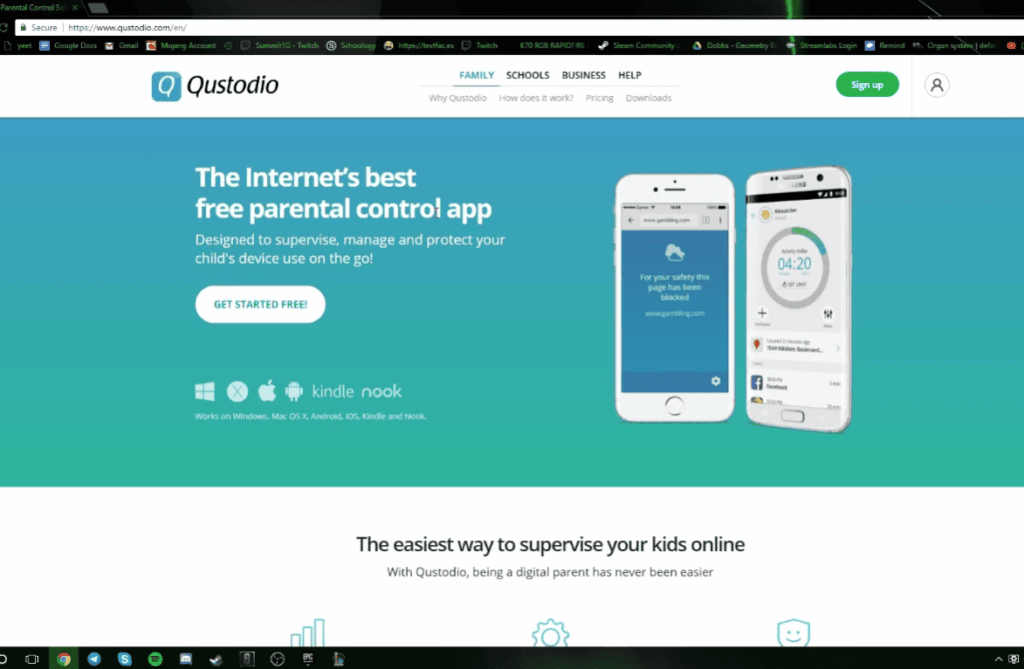
Understanding Qustodio and the Need for Parental Control
Before you tackle the technicalities, it’s essential to understand the role that parental control software plays in the life of a modern family. Qustodio, like other platforms in its category, allows parents to:
- Implement screen time monitoring and restriction measures to regulate digital device usage effectively.
- Utilize website and app blocking features to control access to specific online content.
- Establish time constraints for individual applications or overall device usage to promote a balanced screen time routine.
- Utilize location tracking functionalities to keep tabs on the whereabouts of the device.
- Stay informed with detailed activity reports to understand usage patterns and make informed decisions.
- Exercise control by managing and approving/denying app usage based on predefined guidelines.
These features serve a critical purpose in the digital environment where children are exposed to various forms of content and interaction, both positive and negative. For parents, Qustodio is a peace-of-mind tool that lets them guide their child’s online experience.
Exploring VPNs and Their Role in Online Privacy
Virtual Private Networks (VPNs) are a sophisticated technology that establishes a secure, encrypted connection over the internet. They play a crucial role in safeguarding online activities by:
- Ensuring internet traffic remains confidential, shielding it from potential snooping, interference, and censorship.
- Providing anonymity for online interactions by concealing the user’s IP address and geographical location.
- Enabling access to restricted content by altering the perceived location of the user.
VPNs are commonly favored by privacy advocates, remote workers, and individuals seeking to safeguard their online presence from intrusive entities. While primarily associated with legitimate uses, such as protecting privacy, they can also be exploited for activities like circumventing censorship and, as discussed in this post, bypassing parental controls.
Why and How VPNs Bypass Qustodio
The ways in which VPNs can bypass Qustodio’s restrictions are closely tied to the core functionalities of both systems. Here’s how it commonly happens:
VPNs Mask Internet Traffic
When a Virtual Private Network (VPN) is activated, it creates a secure connection between the device and the VPN server. This encrypted tunnel ensures that all internet traffic from the device passes through the VPN server, which in turn masks the user’s actual IP address. By anonymizing the connection in this way, Qustodio’s ability to monitor and manage the device’s internet usage is significantly hindered.
VPNs Simulate a Different Geography
Geographical location plays a vital role in deciding online content limitations. When a user uses a VPN, they can mask their actual location, making it seem like their internet connection is coming from another country. This allows them to access content that could be restricted by Qustodio due to geographic constraints, providing a workaround for accessing blocked content.
Intelligent Evasion Tactics
Advanced VPN services are expertly crafted to be undetectable. This is achieved through sophisticated techniques like obfuscation, where VPN traffic is disguised to resemble regular traffic, and the continual rotation of server IPs to outsmart Qustodio’s efforts to block them. By implementing these strategies, advanced VPNs ensure a high level of privacy and security for users navigating the digital realm.
Reasons to bypass Qustodio’s restrictions
There are several reasons why bypassing Qustodio’s restrictions may be necessary for certain individuals. Some of these reasons include:
- Workarounds for Educational Purposes: In some cases, Qustodio’s restrictions may hinder a student’s educational progress. For instance, if a student needs to access certain websites or online resources for research purposes, but they are blocked by Qustodio, bypassing the restrictions may be necessary.
- Personal Freedom: Some individuals may feel restricted and hindered by Qustodio’s limitations, especially teenagers who are seeking more independence. Bypassing these restrictions can provide a sense of freedom and autonomy for some individuals.
- Technical Issues with Qustodio: There have been cases where Qustodio’s filters have blocked innocent and necessary websites, causing frustration for users. Bypassing the restrictions may be necessary to access these sites.
- Privacy Concerns: Some individuals may feel uncomfortable with Qustodio constantly monitoring their online activity and may want to bypass the restrictions for privacy reasons.
- Parental Control Abuse: In rare cases, parental control software can be used as a form of control and abuse by parents or guardians. Bypassing Qustodio’s restrictions may be necessary for individuals who are experiencing this type of situation.
While it is important to respect the boundaries and rules set by parents or guardians, there may be valid reasons for bypassing Qustodio’s restrictions. It is crucial to communicate with parents or guardians and discuss any concerns or issues before bypassing the restrictions, as open communication can lead to better understanding and compromise. Additionally, individuals should be aware of the potential consequences of bypassing Qustodio’s restrictions and make informed decisions accordingly.
Alternative methods to bypass Qustodio’s restrictions
Use PureVPN
PureVPN is a virtual private network (VPN) service that allows users to access the internet securely and privately. This means that when you use PureVPN, your online activities are encrypted and protected from prying eyes, including Qustodio’s restrictions. To bypass Qustodio’s restrictions using PureVPN, follow these steps:
- Sign up for a PureVPN account and download the app on your device.
- Launch the PureVPN app and select a server location.
- Once connected, you will have a new IP address, which will help bypass Qustodio’s restrictions.
- You can now access any website or online service without being blocked by Qustodio.
PureVPN is a great alternative to bypass Qustodio’s restrictions because it not only allows you to access blocked websites and services, but it also keeps your online activities private and secure.
Use a proxy server
Another method to bypass Qustodio’s restrictions is by using a proxy server. A proxy server acts as an intermediary between your device and the internet, allowing you to access websites and services through a different IP address. To use a proxy server to bypass Qustodio’s restrictions, follow these steps:
- Search for a reliable web proxy service online. Some popular options include HideMyAss, KProxy, and ProxySite.
- Once you have found a web proxy service, enter the URL of the website or online service that is being blocked by Qustodio.
- The web proxy will then redirect your request through its own server, bypassing Qustodio’s restrictions.
- You can now access the blocked website or online service without any issues.
However, keep in mind that using a proxy server may not completely bypass Qustodio’s restrictions as some websites and services are able to detect and block proxy servers. Additionally, your internet speed may also be affected when using a proxy server.
Use the Tor browser
The Tor browser is a free and open-source web browser that allows users to browse the internet anonymously. By using a network of servers, the Tor browser obscures your IP address, making it difficult for websites and services to track your online activities.
To use the Tor browser to bypass Qustodio’s restrictions, follow these steps:
- Download and install the Tor browser on your device.
- Launch the Tor browser and enter the URL of the website or online service you want to access.
- The Tor browser will then route your request through its network, bypassing Qustodio’s restrictions.
- You can now access the blocked website or online service without any issues.
One drawback of using the Tor browser is that it may slow down your internet speed due to the multiple layers of encryption and routing. Additionally, some websites and services may still be able to detect and block access through the Tor network.

Ways to avoid risks or challenges of bypassing Qustodio
Use reputable tools
When trying to bypass Qustodio’s restrictions, it is crucial to select reputable tools and services with positive user reviews. By opting for well-known solutions, you can reduce the chances of exposing your devices to malware or potential online threats. Prioritize conducting thorough research and reading comprehensive reviews before utilizing any tool or service to bypass Qustodio. Additionally, it is highly advisable to download software exclusively from official websites to ensure security and reliability.
Avoid sketchy sites and update your device’s security
To safeguard your online security, it’s crucial to steer clear of visiting sketchy websites and downloading files from unknown sources. These sites often harbor malicious software, posing a threat to your device and personal data. Ensuring you regularly update your device’s security software is key to fortifying your defenses against emerging cyber threats. Stay vigilant and prioritize these measures to maintain a secure online environment.
Communicate with the authority figures involved
If you are utilizing Qustodio, a tool for monitoring online activities of children or employees, it is crucial to engage in open communication with them regarding the imposed restrictions. By explaining the reasons behind these constraints, you can foster a collaborative environment, minimize potential conflicts, and enhance awareness about the significance of internet safety practices.
Educate yourself on safe browsing habits
Lastly, it is important to educate yourself on safe browsing habits. This includes avoiding clicking on suspicious links, not sharing personal information online, and being cautious when downloading files. By practicing safe browsing habits, you can help minimize the risks and challenges of bypassing Qustodio’s restrictions.
Can you use a VPN to bypass Qustodio?
Yes, you can use a VPN to bypass Qustodio. A Virtual Private Network (VPN) is a service that allows you to create a secure connection to another network over the internet. It works by routing your internet traffic through an encrypted tunnel, making it difficult for anyone to see what you are doing online.
Qustodio is a popular parental control software that allows parents to monitor their child’s online activity and restrict access to certain websites. However, some users may want to bypass Qustodio for various reasons, such as accessing blocked content or maintaining their privacy.
One way to bypass Qustodio is by using a VPN. When you connect to a VPN, it encrypts your internet traffic and hides your IP address, making it difficult for Qustodio to detect and block your internet activity. This means that you can access any website or online service without being restricted by Qustodio.
Moreover, using a VPN can also help protect your privacy from Qustodio’s monitoring. As the software tracks your online activity through your IP address, using a VPN ensures that your real IP address is hidden, making it difficult for Qustodio to track your online behavior.
However, it’s important to note that using a VPN may violate the terms of service of some parental control software, including Qustodio. Therefore, it’s important to check the terms and conditions before using a VPN with Qustodio or any other parental control software.

FAQ
Does Qustodio use a VPN?
Qustodio does not use a VPN service for its monitoring and filtering functions. Instead, it relies on its proprietary technology designed specifically to supervise and control internet traffic on the devices under its management. By utilizing this in-house technology, Qustodio ensures that all online activities still pass through the device’s native network connection, maintaining transparency and efficiency without introducing extra encryption layers or diverting traffic through external servers.
Can I use Qustodio to monitor my child’s smartphone?
Yes, Qustodio is a comprehensive parental control solution designed to monitor and manage internet activity on smartphones effectively. With the user-friendly Qustodio app, available on both iOS and Android devices, parents can not only set limits and block websites but also track their child’s smartphone usage in real-time. This powerful tool empowers parents to ensure a safe and healthy digital experience for their children.
Is there a limit on the number of devices I can manage with Qustodio?
Qustodio provides a range of flexible subscription plans tailored to meet the diverse needs and budgets of families. These plans offer the convenience of managing 5, 10, or 15 devices, ensuring comprehensive coverage for your family’s digital well-being. Should you require additional device slots, a simple upgrade option is available through your Qustodio account dashboard for seamless scalability. Moreover, for businesses seeking to manage a larger number of devices with advanced features and support, Qustodio offers a customizable enterprise solution designed to meet their specific needs.
Can I set time limits on my child’s device usage with Qustodio?
Yes, Qustodio allows parents to set customizable time restrictions on their child’s device usage. This feature enables parents to schedule specific times for when a device can be used and when it should be locked. It also allows parents to set daily screen time limits and bedtime curfews to ensure a healthy balance between online and offline activities. With Qustodio’s time management feature, parents can promote healthy habits while also preventing excessive screen time.
Can I track my child’s location with Qustodio?
Yes, Qustodio offers a geolocation tracking feature that allows parents to track their child’s device in real-time. This feature is particularly useful for ensuring a child’s safety and security, as parents can locate their child’s device on a map and receive notifications when it enters or exits designated safe areas. Additionally, the geolocation tracking feature also provides location history, enabling parents to keep track of where their child has been throughout the day.
Can a VPN bypass parental controls?
A VPN can potentially bypass parental controls set by Qustodio, depending on the specific settings and restrictions in place. If a child uses a VPN to connect to the internet, it can encrypt their online activity, making it difficult for Qustodio’s monitoring and filtering technology to detect. However, Qustodio offers advanced features like app blocking and web filtering, which can help prevent VPN usage and ensure that parental controls remain effective. It is crucial for parents to have open communication with their children about internet safety and the appropriate use of technology.
Can I monitor my child’s social media with Qustodio?
Qustodio offers a wide range of comprehensive social media monitoring features that empower parents with valuable insights into their child’s online conversations and activities. By monitoring popular social media platforms such as Facebook, Instagram, and WhatsApp, parents can proactively receive alerts for potentially concerning content or interactions. This essential feature equips parents to actively engage in their child’s digital life, enabling them to promptly address any issues or concerns that may arise.
Can Qustodio block inappropriate content?
Yes, Qustodio provides a comprehensive range of advanced web filtering capabilities designed to empower parents in safeguarding their children online. Through sophisticated tools, parents can effectively block inappropriate content and websites, tailoring restrictions based on age-appropriateness or specific categories.
These robust filters offer the flexibility to be applied globally across all devices or customized for individual children, guaranteeing a safe and secure online environment. Moreover, Qustodio includes safe search enforcement features to ensure that all internet searches are meticulously filtered in accordance with the set restrictions, promoting a worry-free online experience for families.
Can I access my child’s device remotely with Qustodio?
Yes, Qustodio’s remote management feature allows parents to access and manage their child’s device remotely. This feature is particularly useful for situations where a parent needs to check in on their child’s device or make changes to the parental control settings while away from home. With remote management, parents can monitor and control their child’s device anytime, anywhere, giving them peace of mind and a sense of control over their child’s digital experience.
Conclusion Paragraph
So, a VPN can Bypass Qustodio and allow you to access blocked websites and applications. However, it is important to remember that using a VPN to bypass parental control software is not encouraged as it may go against the purpose of these tools. Parental control software is designed to protect children from inappropriate content online and promote responsible internet usage.
Additionally, bypassing Qustodio or any other parental control software can also have legal consequences as it may violate user agreements and terms of service. It is important to discuss and establish rules and boundaries with your child regarding internet usage instead of relying solely on parental control software.