In a world where visual storytelling is paramount, projectors stand as silent sentinels, casting cinematic experiences and crucial information alike onto the blank canvases of conference rooms, living room walls, or outdoor event spaces. The meandering quest for the perfect projection setup leads us to the lesser-known but no less important realm of rear projection. This powerful technique yields immersive visuals sought after in many high-stakes settings. But is rear projection a feature exclusive to a particular kind of projector? This article will shine a light on this topic, delving into the nitty-gritty of rear projection technology and clarifying any misconceptions about its applicability across the projector spectrum.
Types of Projectors
Before you dive into rear projection particulars, it’s worth understanding that not all projectors are created equal. There are several distinct types, each with its unique traits.
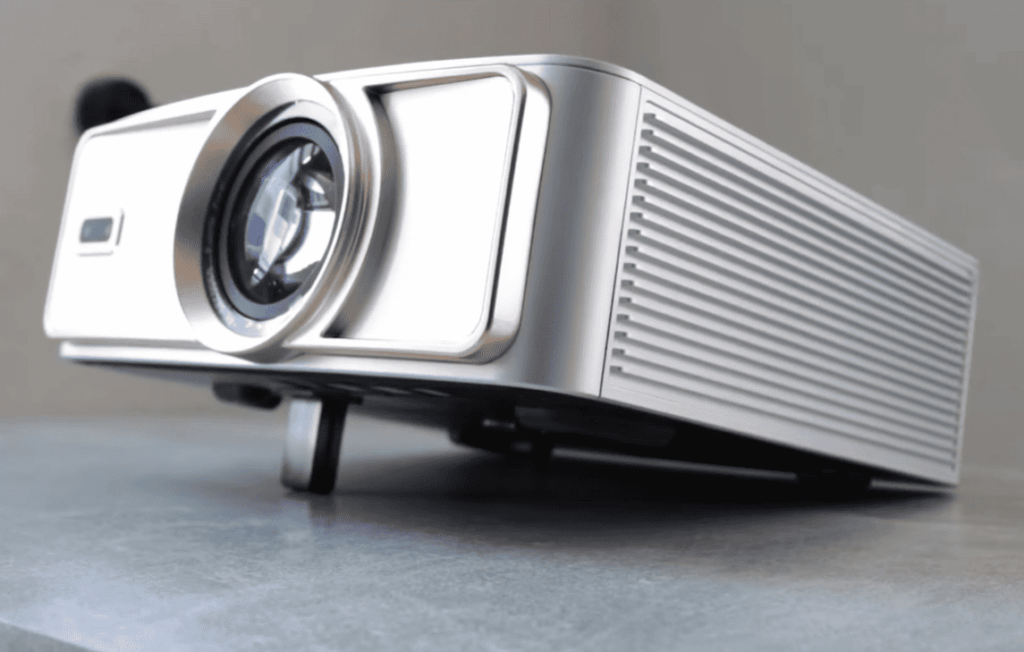
LCD (Liquid Crystal Display) projectors have long been the preferred choice for business presentations and classrooms due to their affordable technology and vibrant color outputs. Their ability to accurately reproduce colors and sharp images makes them reliable options in these settings. On the other hand, DLP (Digital Light Processing) projectors offer higher color contrast and durability, making them popular for home entertainment.
With their advanced technology, DLP projectors provide a more immersive viewing experience, bringing movies, games, and other multimedia content to life with stunning clarity and vividness. Additionally, DLP projectors often have longer lamp life and lower maintenance costs, making them a cost-effective choice for home users. Whether it’s professional presentations or enjoying a movie night at home, both LCD and DLP projectors have their unique advantages, catering to different needs and preferences.
Each of these projectors comes with its own unique set of functionalities and limitations. These factors will ultimately play a crucial role in determining their compatibility with rear projection setups. By carefully considering the specific features and restrictions of each projector, you can make an informed decision that ensures optimal performance and seamless integration with your rear projection system.
Rear Projection Technology
The magic of rear projection lies in flipping the script — or rather, the screen. Instead of the projector beaming the image from the front onto a reflective surface, rear projection employs a specialized screen that ‘catches’ and reflects the light from behind, allowing viewers on the opposite side to see the image. This technique provides a number of unique benefits, particularly in environments where light control is challenging.
How Rear Projection Works
Rear projection technology starts with the source of light — the projector. Specifically engineered for rear projection, these projectors are designed to throw light from the back, ensuring optimal illumination across the screen. The screen itself is typically composed of a semi-translucent material, carefully crafted with microspheres or diffusers to enhance light scatter and minimize any potential hot spotting. This allows for a more even distribution of light, resulting in a high-quality display with vibrant colors and sharp details. With its advanced design, rear projection offers an immersive visual experience that captivates and engages viewers.
This meticulous attention to detail creates a visually captivating experience that transports audiences into a whole new world. Whether it’s for a grand theater production, an awe-inspiring museum installation, or even interactive displays in public spaces, the remarkable depth perception and absence of shadows that rear projection offers make it an incredibly enticing and immersive option. With stunning clarity and vibrant colors, every scene comes to life, enveloping viewers in a mesmerizing display of visual artistry. Prepare to be amazed as you embark on a journey of wonder and imagination like never before.
Differences Between Front and Rear Projection
Front projection is a widely adopted method in the realm of screen equipment, owing to its simplicity and cost-effectiveness. It offers a straightforward setup and an immersive viewing experience. On the other hand, rear projection has its own unique advantages. Notably, it provides superior control over the visibility of the image, allowing for a more refined and selective audience experience.
By strategically positioning the projector behind the screen, rear projection offers enhanced image quality and eliminates shadows or obstructions that may occur with front projection. This makes it an ideal choice for applications where precise control over image visibility is crucial, such as exhibitions, trade shows, or stage performances.
Additionally, with rear projection, presenters have the freedom to confidently face the audience directly, establishing a strong connection while ensuring the screen remains inconspicuously in the background. This versatile setup not only enhances the overall engagement and captivation of viewers, but also creates a seamless and immersive experience that lingers in their minds long after the presentation ends. By leveraging this technology, presenters can deliver a truly unforgettable and impactful experience that leaves a lasting impression on their audience.
Pros and Cons of Rear Projection
Diving deeper into the domain of rear projection, we discover a set of clear-cut advantages, as well as some intricacies that could pose challenges in certain scenarios.
Advantages of Rear Projection
Rear projection technology is widely recognized for its ability to deliver exceptionally sharp and color-accurate images. This is primarily due to the absence of any interference from ambient light or the shadow of a presenter, ensuring optimal image quality.
Furthermore, rear projection screens exhibit a remarkable resistance against ambient light, making the content easily visible even in highly illuminated environments. This not only reduces eye strain for viewers but also helps to maintain the intended quality and visual integrity of the displayed image. As a result, rear projection systems offer a superior viewing experience that is both immersive and visually captivating.
Disadvantages of Rear Projection
While the resistance to ambient light is indeed a valuable characteristic, it is important to consider the trade-offs that come with it. For instance, rear projection screens, although capable of maintaining better visibility in well-lit environments, require a more intense light source to achieve optimal performance. This increased light intensity, in turn, can lead to higher energy consumption, which is a factor to be mindful of. Additionally, the orientation and design of a rear-projection setup can have an impact on the viewing experience.
The sweet spot, which refers to the optimal position directly in front of the screen, may be limited by the setup, potentially reducing the number of viewers who can fully enjoy the content simultaneously. Taking these factors into account when choosing a projection system can help ensure an optimal viewing experience for all.

How You Made Your Projector Perfect for Rear Projection?
Step 1: Selecting the Right Projector
The first step in creating an impeccable rear projection setup is choosing the right projector. As discussed earlier, different projectors offer distinct features and limitations that can impact their compatibility with rear projection technology.
Some key factors to consider include brightness, color accuracy, contrast ratio, and overall image quality. For a seamless rear projection experience, it’s essential to select a projector that excels in all of these areas and is specifically designed for rear projection setups.
Step 2: Setting up the Projector
Once you have selected the appropriate projector, the next step is to properly set it up for rear projection. This involves positioning the projector at an optimal distance from the screen and ensuring that it’s aligned correctly.
Additionally, any external equipment such as media players or sound systems should also be thoughtfully placed to avoid interfering with the projection. It’s important to follow all manufacturer guidelines and recommendations to ensure the best performance from your projector.
Step 3: Choosing the Perfect Screen
The third critical element in creating a flawless rear projection setup is selecting the right screen. As discussed earlier, rear projection screens are specially designed to reflect light from behind and provide an optimal viewing experience.
Factors to consider when choosing a rear projection screen include its material, gain, and size. Each of these elements plays a crucial role in determining how your content will be displayed and perceived by the audience.
Step 4: Flipping the Image
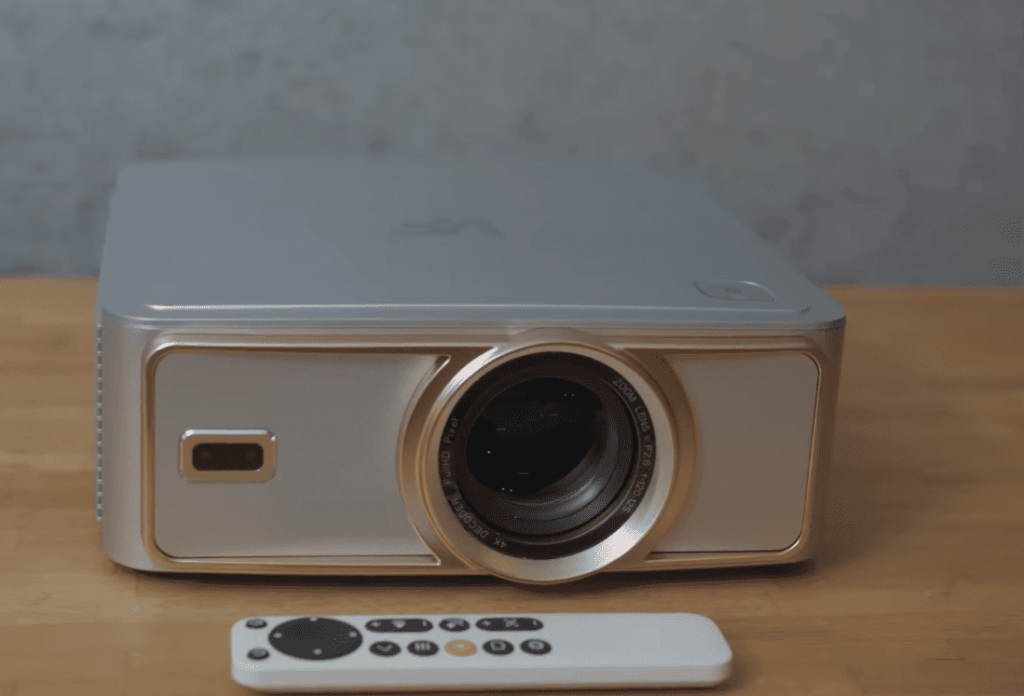
One essential step that often goes overlooked is flipping the image on your projector. Since the projector is positioned behind the screen, the image needs to be reversed to appear correctly on the screen.
Most projectors come equipped with a built-in option to flip or mirror the image, but if yours doesn’t have this feature, there are external options available as well. It’s important to ensure the image is correctly flipped before proceeding with your presentation or display.
Step 5: Calibration and Adjustments
The final step in perfecting your rear projection setup involves calibrating and making any necessary adjustments. This includes adjusting the projector’s focus, color settings, and overall image quality to achieve the best results.
Additionally, it’s important to test your setup in various lighting environments to ensure optimal performance and make any necessary tweaks. With proper calibration and adjustments, your rear projection setup will be ready to deliver an impressive display of content.
Step 6: Lighting Control and Maintenance
To maintain the optimal viewing experience, it’s important to have proper lighting control in place. This can include dimming or adjusting lights in the surrounding area to reduce any potential interference with the projected image.
Regular maintenance of all equipment involved is also crucial for long-term performance and ensuring that your rear projection setup continues to deliver exceptional results.
Screen Material Used for Rear Projection Image
The screen material used for rear projection plays a critical role in the overall display quality. The most commonly used materials include vinyl, polyester, and acrylic.
Vinyl screens are popular due to their durability and ability to diffuse light evenly, producing bright and vivid images. Polyester screens are known for their high contrast ratio, providing rich blacks and deep colors. Acrylic screens offer excellent light diffusion and are highly resistant to scratches and damage.
The choice of screen material ultimately depends on the specific needs of the user and the desired display quality. It’s important to carefully consider all options before making a decision, as the right screen material can greatly impact the overall viewing experience.
So, it is recommended to research and consult with experts before selecting a suitable rear projection screen for your setup. Additionally, regularly maintaining and cleaning the screen will help ensure optimal performance and longevity of the material. Proper care and attention to the screen material is crucial in creating an impeccable rear projection display.
Rear vs. Front Projection: Which is Better?
The debate between rear and front projection has been ongoing for years, with both options having their own advantages and limitations. However, when it comes to creating a flawless display, rear projection often takes the lead.
Rear projection allows for a more streamlined setup without any chance of shadows or obstructions from presenters or equipment. It also provides better image quality, as the projector is not competing with ambient light sources in front of the screen.
Front projection, on the other hand, may offer a wider range of options and can be more cost-effective in certain setups. However, it does require a darker environment and careful consideration of obstructions to avoid interference with the projected image.
Ultimately, the choice between rear and front projection depends on the specific needs and limitations of the setup. Carefully considering all factors and consulting with experts can help determine which option is best suited for your particular display needs.
Use Cases for Rear Projection
The proof of a technology’s worth is in its practical applications, and rear projection finds itself being the unsung hero in a myriad of scenarios.
Home Theater Set Ups
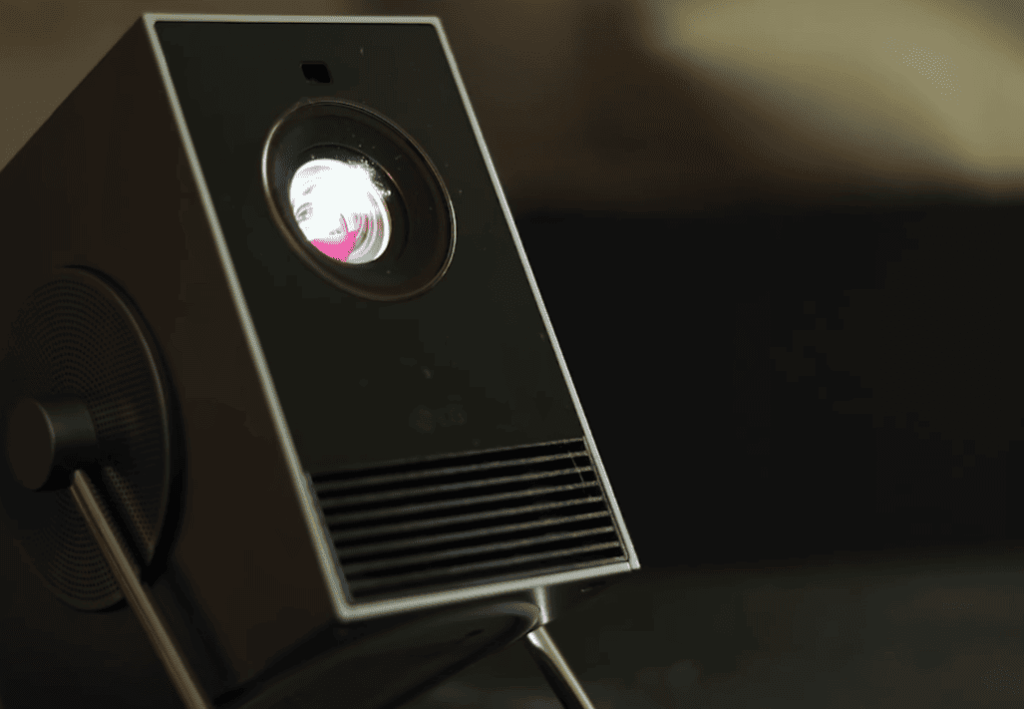
Home theaters, aiming to recreate the immersive experience of a cinema, often choose rear projection as their preferred display method. By utilizing rear projection, which involves projecting the image onto a screen from behind, these home theaters can achieve exceptional clarity and contrast. With the lights dimmed and viewers comfortably seated, the result is an undisturbed viewing pleasure that surpasses the image quality of regular front projection. The vividness of colors, the depth of blacks, and the overall visual impact make rear projection an ideal choice for those seeking a truly cinematic home theater experience.
Digital Signage
In the bustling environments of malls and airports, rear projection is a clever and innovative solution to guarantee that commercials and important information are highly visible, regardless of the surrounding light conditions. By utilizing rear projection, businesses can effectively engage their audience even in setups where there is limited practical access to the image-facing side of the screen. This technology provides a seamless viewing experience as the projection remains hidden from the audience’s direct line of sight, creating a captivating and immersive visual display.
Events and Exhibitions
From dynamic stage backdrops at live events to informative exhibitions where space comes at a premium, rear projection technology provides the perfect canvas for immersive storytelling without the projector encroaching on the viewer’s experience. With its ability to seamlessly blend visuals with the environment, rear projection creates captivating and memorable displays that leave a lasting impression on audiences. Whether it’s creating breathtaking scenic backdrops or showcasing interactive content, rear projection is a versatile solution that enhances the visual impact and engagement of any event or exhibition.
FAQ
Can you project from behind the screen?
Yes, that is the principle of rear projection technology. Instead of the projector being placed in front of the screen, it is positioned behind the screen, allowing it to project the image onto the screen from behind. This setup offers several advantages, such as eliminating shadows caused by obstructions between the projector and the screen, and providing a more seamless and immersive viewing experience for the audience. By projecting the image from behind, rear projection technology enables larger screen sizes and can be an ideal choice for applications such as home theaters, large venues, and immersive displays.
Do I need a special screen for rear projection?
Yes, you will need a specific type of screen designed for rear projection. These screens have a special coating that allows for optimal visibility of projected images from behind. Regular front projection screens are not suitable for rear projection as they will distort the image and result in poor display quality. It is important to carefully research and select a high-quality rear projection screen that suits your specific needs and setup.
How do I maintain my rear projection screen?
To ensure optimum performance and longevity of your rear projection screen, it is recommended to regularly clean and maintain it. Dust and debris can accumulate on the screen over time, affecting the image quality and causing a hazy appearance. Use a soft, lint-free cloth to gently wipe any dust or smudges off the screen’s surface. Avoid using harsh chemicals or abrasive materials as they can damage the special coating on the screen.
Additionally, avoid touching the screen with bare hands as body oils can leave marks and affect the projected image. Regular maintenance will help keep your rear projection screen looking pristine and ensure a flawless display every time. So, proper care and attention to the screen material is crucial in creating an impeccable rear projection display, whether it’s for home theater setups, digital signage, or events and exhibitions.
How to do rear projection with a projector?
To set up a rear projection display, you will need a projector with rear projection capabilities and a suitable rear projection screen. Begin by placing the projector in a position behind the screen, ensuring that it is aligned with the center of the screen. Connect the projector to your desired media source and adjust any necessary settings for optimal image quality.
Then, carefully place the rear projection screen in front of the projector, making sure it is taut and free from wrinkles or creases. You may also need to make minor adjustments to the projector’s position and lens focus for a perfect display. With everything properly set up, you can now project your desired content onto the rear projection screen, creating an impressive and immersive visual experience.
Is rear projection any good?
Rear projection technology offers several advantages and is an excellent choice for various applications. It provides exceptional image quality with vivid colors, deep blacks, and high contrast, making it ideal for home theater setups. Additionally, rear projection allows for seamless integration into different environments without obstructing the audience’s view or compromising the display’s visual impact. With its versatility and practicality, rear projection is a reliable and effective solution for digital signage, events, exhibitions, and other visual display needs.
How many lumens do you need for rear projection?
The number of lumens required for rear projection depends on several factors, such as the ambient light in the environment, screen size, and distance between the projector and screen. In general, a higher lumen count is recommended for brighter environments or larger screens. For a typical home theater setup with controlled lighting conditions, 1500-2000 lumens should suffice.
However, for larger venues or outdoor events, a higher lumen count may be necessary to ensure optimum visibility and image quality. Consulting with a professional or conducting thorough research can help determine the ideal lumen count for your specific rear projection setup. So, choose wisely as a higher lumen output will result in brighter and more vibrant images on the screen.
Is 12000 lumens good for a projector?
Yes, 12000 lumens is considered a high lumen count and is suitable for large venues or outdoor events. A projector with this lumen output can produce bright and vibrant images even in well-lit environments, making it ideal for applications that require a larger screen size or need to be visible from a distance. However, the number of lumens needed also depends on other factors, and it is crucial to consider all aspects of your projection setup when choosing a projector with a specific lumen output.
Conclusion Paragraph
Rear projection may not be a commonplace feature in every projector model, but it is a versatile and valuable technology that opens the door to expressive and immersive visual experiences. As you consider the requirements and benefits of rear projection, it’s clear that this method has its place in a variety of contexts, from the home to the office to the grand stage. The next time you’re planning a presentation, an event, or even your home entertainment haven, remember that rear projection isn’t just an option — it’s an evolution of the visual medium, available to those who seek to redefine the way to engage with the world around us.