Gone are the days when projectors were mere large, clunky machines that required an intricate tangle of wires to operate. Today, they have evolved into sleek, multifunctional gadgets that integrate cutting-edge technology, making them as versatile as they are powerful. At the heart of this technological evolution is Bluetooth – the wireless enabler that’s transforming projectors into the centerpiece of the modern digital spaces. But what exactly does Bluetooth integration mean for projectors? Buckle up as you dive into the intricacies of Bluetooth technology and explore its profound impact on the world of video projection.
Understanding Projectors
Before you explore the realm of Bluetooth connectivity, it’s important to have a solid understanding of the fundamental features and functions of projectors. A projector, in essence, is an ingenious optical device that effortlessly projects a vivid image, typically sourced from various multimedia platforms, onto a meticulously prepared screen or even a plain wall. Its versatility knows no bounds as it gracefully takes center stage in various settings, such as professional meeting rooms, vibrant classrooms, and cozy home entertainment systems.
With its remarkable ability to seamlessly transmit and display information, as well as immerse viewers in captivating visual media on a grand scale, the projector truly becomes an indispensable conduit for sharing knowledge, fostering engagement, and indulging in the sheer joy of immersive entertainment.
What is Bluetooth?
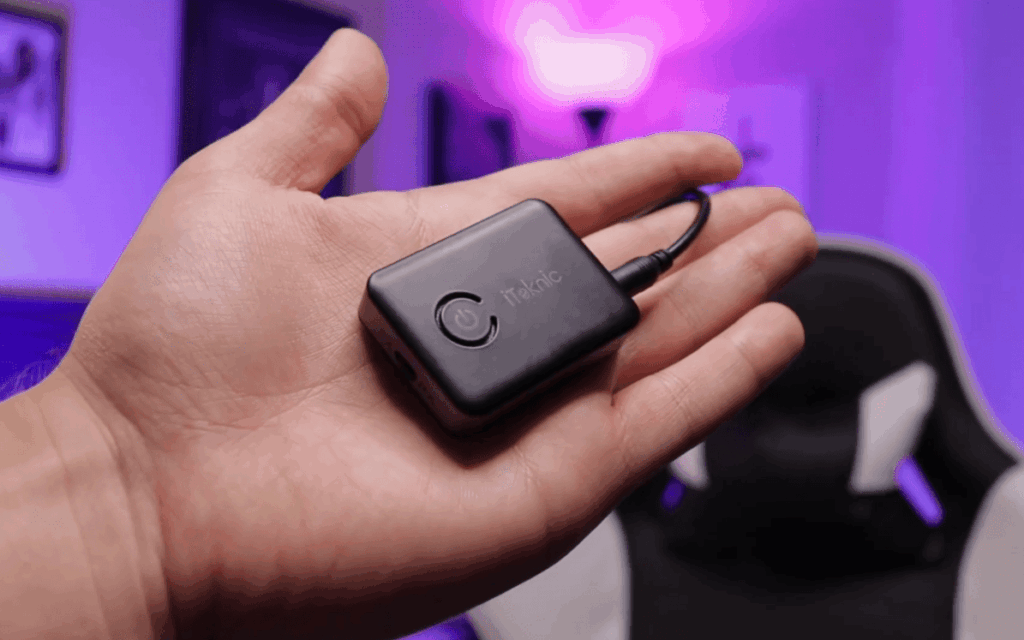
Bluetooth, a widely adopted wireless technology standard, has revolutionized the way you connect and interact with devices. With its seamless data exchange capabilities, Bluetooth allows for effortless communication between devices in close proximity. From smartphones and laptops to headphones and projectors, Bluetooth has become an integral part of your everyday live, present in billions of products worldwide.
By eliminating the need for physical connectors, Bluetooth simplifies the user experience, making data transfer and control a breeze. Whether you’re sharing files between devices or managing audio connections, Bluetooth offers a convenient and efficient solution for connecting to the digital world around us.
With its reliability and versatility, Bluetooth has opened up endless possibilities for innovation and convenience. As technology continues to evolve, Bluetooth remains at the forefront, enabling us to stay connected and interact seamlessly with the ever-expanding digital ecosystem. Embrace the power of Bluetooth and unlock a world of possibilities at your fingertips.
The Importance of Bluetooth in Projectors
Bluetooth integration in projectors is not merely a convenience feature – it’s a game-changer. The benefits are manifold:
Convenience
Gone are the days of fumbling with a tangled mess of cables, desperately trying to set up your projector for a presentation or a cozy movie night. Now, thanks to the wonders of Bluetooth technology, you can effortlessly connect a plethora of devices with just a few clicks. No more hassle, no more stress. Say goodbye to the time-consuming setup process and embrace the convenience of seamless connectivity. It’s like waving a magic wand and watching your devices instantly come to life, ready to deliver an immersive experience that will leave you in awe. So sit back, relax, and enjoy the freedom that Bluetooth brings to your life.
Versatility
The introduction of Bluetooth technology in projectors has brought about a significant expansion in their compatibility with a wide range of devices. This means that not only can you effortlessly connect your smartphones and tablets, but you can also enjoy the convenience of connecting smart speakers wirelessly, without being limited by cable lengths or port availability. With Bluetooth-enabled projectors, the possibilities for seamless connectivity and versatility are endless, allowing you to enjoy your multimedia content with ease and flexibility.
Improved User Experience
Bluetooth technology is a game-changer, providing a seamless user experience that aligns perfectly with our ever-evolving wireless lifestyles. By eliminating the hassle of cables, it revolutionizes the way you connect and interact with devices. Moreover, Bluetooth enhances the working environment, transforming projectors into interactive tools that cater to a diverse range of audiences. Its versatility and accessibility make it an indispensable asset in today’s tech-driven world.
Types of Projectors with Bluetooth
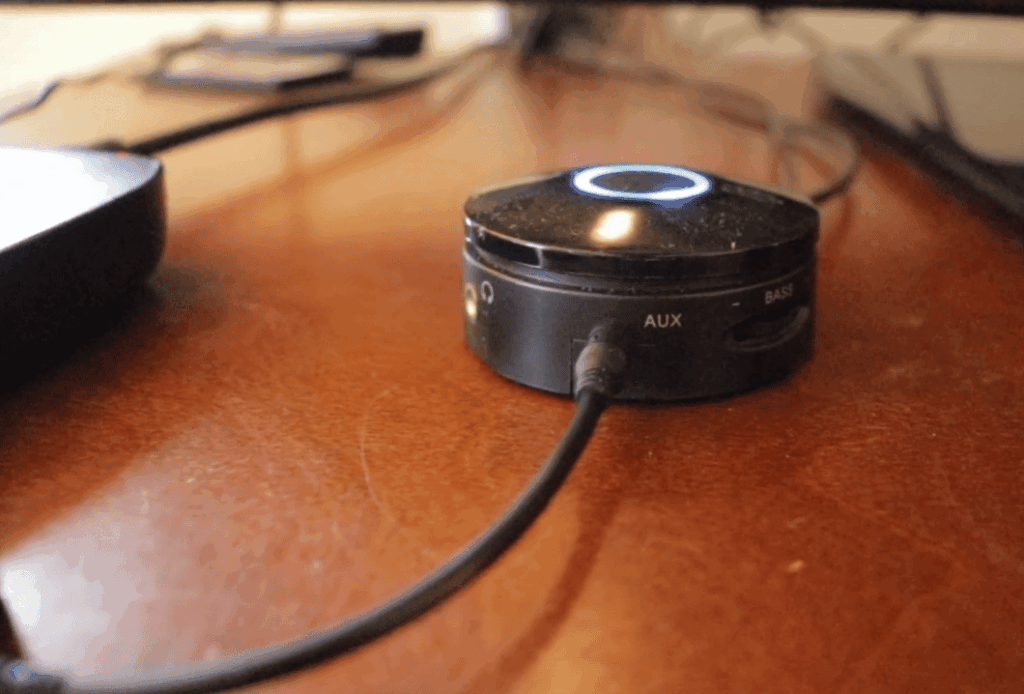
The inclusion of Bluetooth doesn’t discriminate between projector types. You can find Bluetooth in home theater projectors, portable projectors, business projectors, and even the high-end installation models. The technology has been democratized, making wireless projection accessible to all.
Home Theater Projectors
For cinephiles looking to recreate the movie theater experience at home, having Bluetooth capability in projectors is a game-changer. Not only does it complement surround sound systems and voice assistants, but it also allows seamless wireless connectivity to your favorite devices. Imagine effortlessly streaming your favorite movies and enjoying an immersive audio-visual experience, all from the comfort of your own home. With Bluetooth-enabled projectors, the possibilities for creating the ultimate cinematic experience are endless.
Portable Projectors
Compact projectors, small enough to fit in the palm of your hand, now come equipped with Bluetooth connectivity. This feature allows for seamless and convenient impromptu presentations or movie screenings, making it as easy as a walk in the park – or rather, just a simple Bluetooth pairing away. With these portable projectors, you can effortlessly share your content and enjoy an immersive viewing experience anytime, anywhere.
Business Projectors
A Bluetooth-enabled business projector simplifies office meetings by providing a seamless and efficient way to share and collaborate on content. Just imagine the convenience of effortlessly transitioning from one presenter’s laptop to another with a simple Bluetooth signal change, ensuring a smooth and uninterrupted flow of ideas and information. With this innovative technology, the hassle of connecting and disconnecting cables becomes a thing of the past, allowing for a more streamlined and productive meeting experience.
Installation Projectors
These heavy-duty models, specifically designed for large venues and permanent installations, offer a wide range of benefits. With Bluetooth connectivity, they not only streamline control options but also ensure compatibility with a wider array of multimedia devices. This seamless integration allows for effortless control and flexibility, making them the ideal choice for any professional setting. Whether it’s a conference hall, a theater, or a stadium, these models provide reliable performance and enhanced connectivity, guaranteeing an exceptional audio-visual experience for all.
Bluetooth And WiFi — How They Differ From One Another
While both Bluetooth and WiFi enable wireless connectivity, they serve different purposes. The key differences between the two are:
Range
WiFi, which stands for Wireless Fidelity, offers a significantly broader range compared to Bluetooth, enabling devices to establish connections over greater distances. This expansive coverage makes WiFi an excellent choice for home networks or public spaces where multiple users require simultaneous internet access. On the other hand, Bluetooth, with its shorter range, is specifically designed for establishing personal and secure connections between devices, making it an ideal option for close-proximity interactions within a trusted environment.
Bandwidth
WiFi, also known as Wireless Fidelity, offers a higher bandwidth compared to other wireless technologies. This higher bandwidth allows for faster data transfer rates, making it particularly suitable for bandwidth-intensive activities like streaming high-definition videos or online gaming. With WiFi, you can enjoy seamless connectivity and smooth streaming experiences without any lag or buffering issues.
On the other hand, Bluetooth, while having a lower bandwidth compared to WiFi, still serves its purpose effectively for various tasks. It is commonly used for smaller-scale activities like sharing files between devices or streaming music to wireless speakers. Bluetooth technology provides convenient wireless connectivity for everyday tasks, allowing you to effortlessly connect and interact with your devices.
Overall, both WiFi and Bluetooth offer distinct advantages based on their respective capabilities and bandwidth. Understanding the differences between the two can help you make informed decisions when it comes to selecting the appropriate wireless technology for your specific needs.
Power Consumption
Due to its wider range and higher bandwidth, WiFi consumes more power than Bluetooth. This is because WiFi signals transmit data over longer distances and at faster speeds, requiring more energy. On the other hand, Bluetooth is often used in low-power devices like portable projectors or wireless headphones, where conserving battery life is crucial.
The low power consumption of Bluetooth makes it an ideal choice for these devices, allowing users to enjoy extended usage without worrying about draining their batteries quickly. So, whether you’re streaming content on a portable projector or listening to music on wireless headphones, Bluetooth technology ensures efficient power usage and longer device runtime.
Security
WiFi is widely recognized for its robust security protocols, ensuring a safer option for transmitting sensitive information over the internet. On the contrary, Bluetooth, while convenient for short-range wireless connections, is known to have relatively weaker security measures in place, making it more susceptible to potential hacking attempts. Despite this vulnerability, it is important to note that the risk of unauthorized access is significantly reduced due to the limited range of Bluetooth devices. By understanding the nuances of these wireless technologies, users can make informed decisions about their data privacy and security.
Common Issues and Troubleshooting
Although connecting via Bluetooth is usually a breeze, you might encounter some hiccups along the way. Here are some common issues and how to resolve them:
Connectivity Problems
If you’re experiencing issues with your projector not appearing when attempting to connect with a device, there are a few troubleshooting steps you can take. Firstly, check the Bluetooth settings of the projector and ensure that it is set to “discoverable” mode. This will allow other devices to detect and connect to it. Additionally, it’s important to consider the proximity and any potential obstacles that may be interfering with the signal. Ensure that you are within the recommended operating range to optimize the connection. By following these steps, you can resolve connectivity issues and enjoy a seamless pairing experience with your projector.
Sound Quality Issues
Sometimes, when audio is transmitted over Bluetooth, it can sound compressed. This compression is typically caused by the codecs used by the devices to transmit the audio signals. To overcome this issue, it is recommended to consider using a wireless speaker or soundbar that offers better codec support. By opting for a device with enhanced codec compatibility, you can enjoy significantly improved sound quality and a more immersive audio experience. So, whether you’re listening to music, watching movies, or enjoying any other form of media, upgrading to a wireless speaker or soundbar with superior codec support can make a noticeable difference in your audio enjoyment.
Intermittent Connection
Dealing with an erratic connection can be incredibly frustrating. When faced with such situations, one possible solution is to update the firmware of both your projector and the connected device. This is especially true for Bluetooth connections, as the latest updates often bring improvements in performance. By staying up-to-date with the latest firmware, you can enhance the overall stability and reliability of your connection, ensuring a smoother and more seamless experience.
Bluetooth Alternatives for Projectors
While Bluetooth is undeniably handy, it’s not the only wireless option available for projectors. Here are a few alternatives and their use cases:
Wi-Fi Direct
Wi-Fi Direct allows compatible devices to connect directly to each other without the need for a traditional wireless access point. It’s beneficial for high-speed data transfers and more advanced networking functionalities.
NFC (Near-Field Communication)
NFC technology enables quick connections for transferring small amounts of data. It’s particularly useful for instant pairing and setup with a simple tap, making it ideal for portable or personal uses.
Wireless Display Adapters
These adapters, also known as screen mirroring devices, utilize technologies like Miracast, AirPlay, or Chromecast to mirror the content from your device to the projector. They often offer more robust features and compatibility than Bluetooth alone.
How to Connect a Bluetooth Speaker to a Projector?
Step 1: Check the compatibility of your projector with Bluetooth speakers
Before attempting to connect a Bluetooth speaker to your projector, it is important to make sure that your projector has built-in Bluetooth capability or supports external Bluetooth adapters. You can check the specifications of your projector or consult the user manual for this information.
Step 2: Turn on both the projector and the Bluetooth speaker
Make sure that both your projector and Bluetooth speaker are turned on before attempting to connect them. This will ensure a smoother pairing process.
Step 3: Enable Bluetooth on the projector
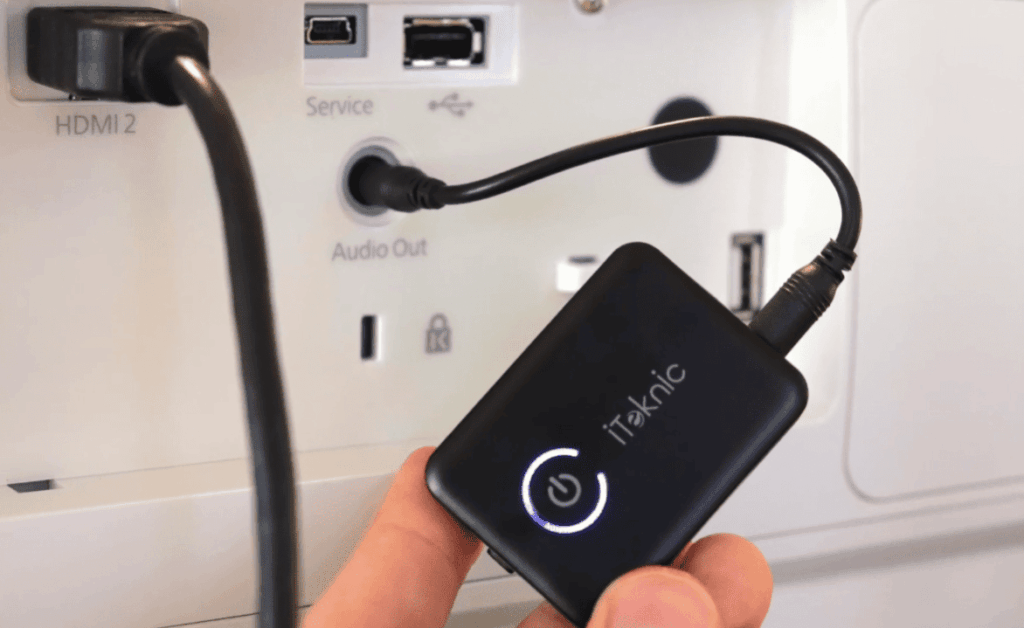
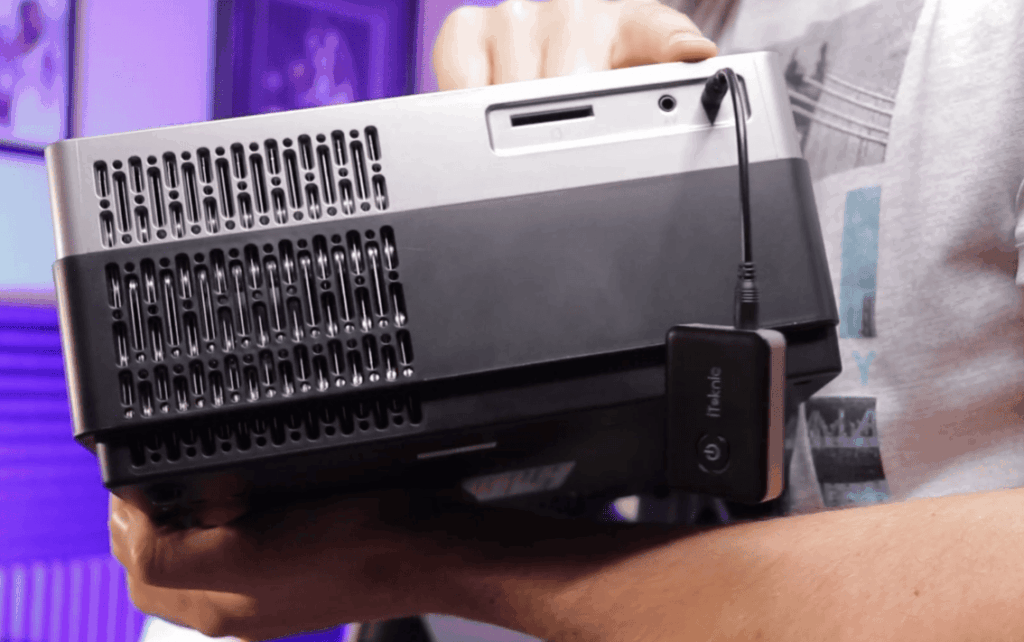
If your projector has built-in Bluetooth, you can usually turn it on by accessing the settings menu or by pressing a designated button on the remote control. If your projector does not have built-in Bluetooth, you will need to connect an external Bluetooth adapter to the projector’s USB port.
Step 4: Put your Bluetooth speaker in pairing mode
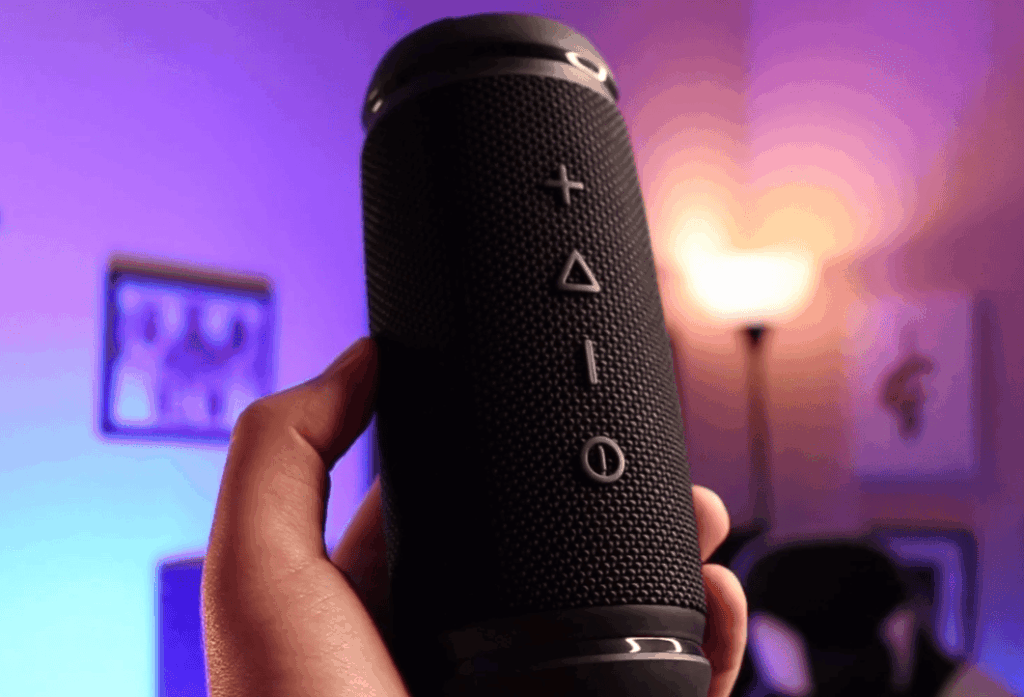
Most Bluetooth speakers have a dedicated button or option for putting them in pairing mode. Refer to the user manual of your specific Bluetooth speaker for instructions on how to do this. Once the speaker is in pairing mode, its LED indicator will start flashing.
Step 5: Pair the devices
On your projector, navigate to the Bluetooth settings and search for available devices. Select your Bluetooth speaker from the list and enter any required passwords or PINs. Your projector and speaker should now be successfully paired.
Step 6: Adjust volume and test the connection
Once connected, you may need to adjust the volume on both your projector and Bluetooth speaker to achieve the desired sound levels. You can also play a sample video or music to test if the connection is working properly.
FAQ
Can I Bluetooth my laptop to my projector?
Yes, it is possible to connect your laptop to a projector via Bluetooth. However, this will depend on the capabilities of both devices and their compatibility with each other.
Some projectors come with built-in Bluetooth connectivity, allowing you to easily pair it with your laptop. In this case, you simply need to turn on the Bluetooth function on both devices and follow the pairing instructions.
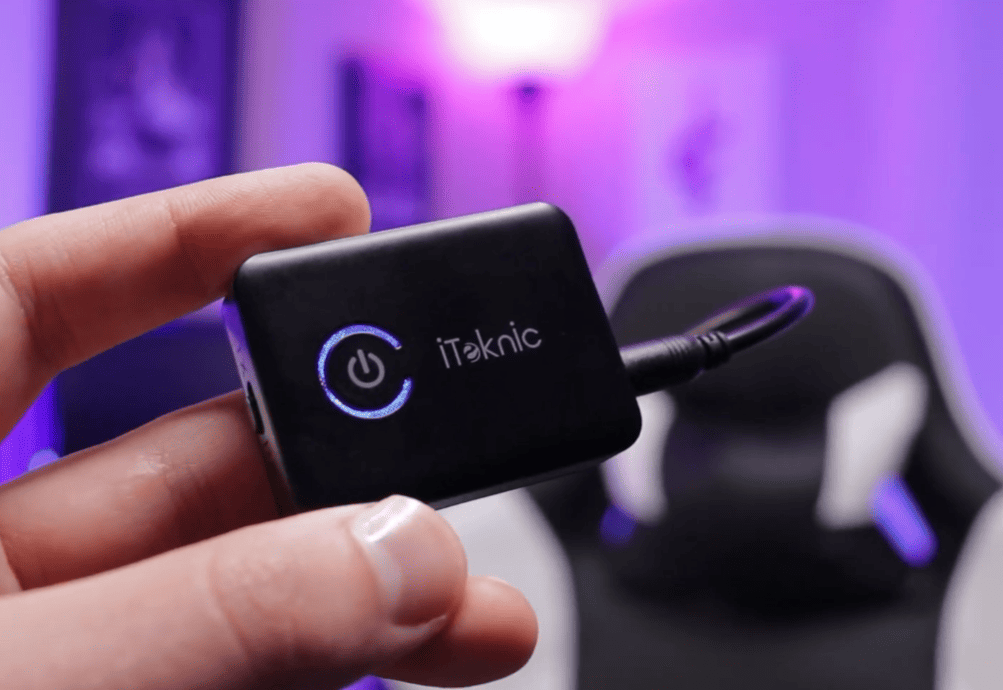
If your projector does not have Bluetooth capabilities, you can still connect it to your laptop using a Bluetooth adapter. This adapter will act as a bridge between the two devices and enable them to communicate with each other wirelessly.
It is important to note that the quality of the connection may vary when using Bluetooth for projection purposes. Factors such as distance and interference can affect the stability
Can you play a video through Bluetooth to a projector?
Yes, it is possible to play a video through Bluetooth to a projector. As long as both devices have Bluetooth capabilities and are connected properly, you can stream videos from your laptop or mobile device to the projector wirelessly.
However, keep in mind that the quality of the video may be affected by factors such as distance and interference. It is recommended to have both devices within close proximity and in a clear line of sight for optimal streaming.
Additionally, some projectors may have limited compatibility with certain file formats. It is best to check the specifications of your projector and ensure that the video you are trying to play is supported before attempting to stream it via Bluetooth.
Do projectors have WiFi?
Yes, some projectors come with built-in WiFi capabilities, allowing you to connect them to a wireless network and access the internet or stream content from online sources. This can be convenient for presentations or entertainment purposes as it eliminates the need for additional cables and connections. However, not all projectors have WiFi capability. It is important to check the specifications of your projector before purchasing to ensure that it meets your needs and has the features you require.
If your projector does not have WiFi, you can still connect it to a wireless network by using a WiFi dongle or adapter. This will act as a bridge between the projector and the network, allowing you to access online content. Keep in mind that the speed and stability of the WiFi connection may vary depending on the quality of the dongle or adapter being used.
Conclusion Paragraph
The integration of Bluetooth technology into projectors is a significant step forward. It enhances the user experience, simplifies setup, and expands the capabilities of these already invaluable devices. Bluetooth is at the technological forefront, enabling seamless connections and paving the way for a more convenient and efficient multimedia experience. Projectors with Bluetooth are not just a technological convenience; they represent the wireless future of digital projection, and a future that’s already here. For those looking to invest in a projector that can keep up with their wireless needs, a Bluetooth-enabled model is not just a luxury — it’s almost a necessity.