In the mesmerizing world of entertainment, where visual marvels unfold before your eyes, laser projectors take center stage, casting their radiant hues and captivating our senses. But have you ever wondered how exactly this technological wizardry comes into play? Join this guide from light to image to unravel the inner workings of a laser projector, shedding light on the mysterious pathways that transform pure beams of energy into dazzling visual spectacles. Prepare to have your curiosity illuminated as we delve deep into the enchanting realm of laser projection and explore the mesmerizing dance between light and image.
What is an industrial laser projector?
An industrial laser projector is a highly advanced device that uses laser technology to project images onto surfaces. It works by emitting a beam of light through high-speed mirrors and lenses, which then reflects the light onto a surface, creating an image.
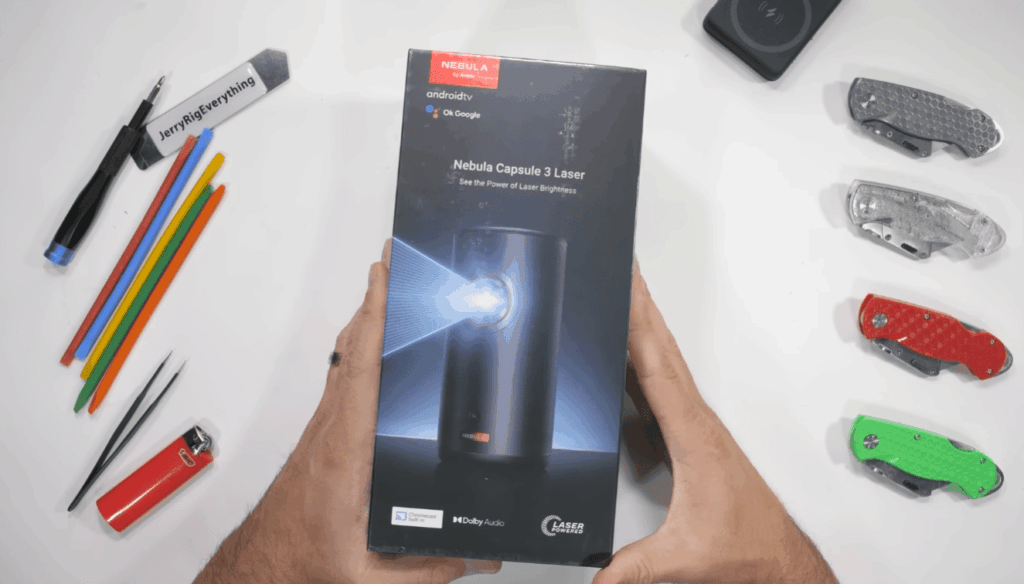
Traditional projectors use lamps or LEDs as their light source, while industrial laser projectors utilize lasers, which offer a more precise and vibrant color representation.
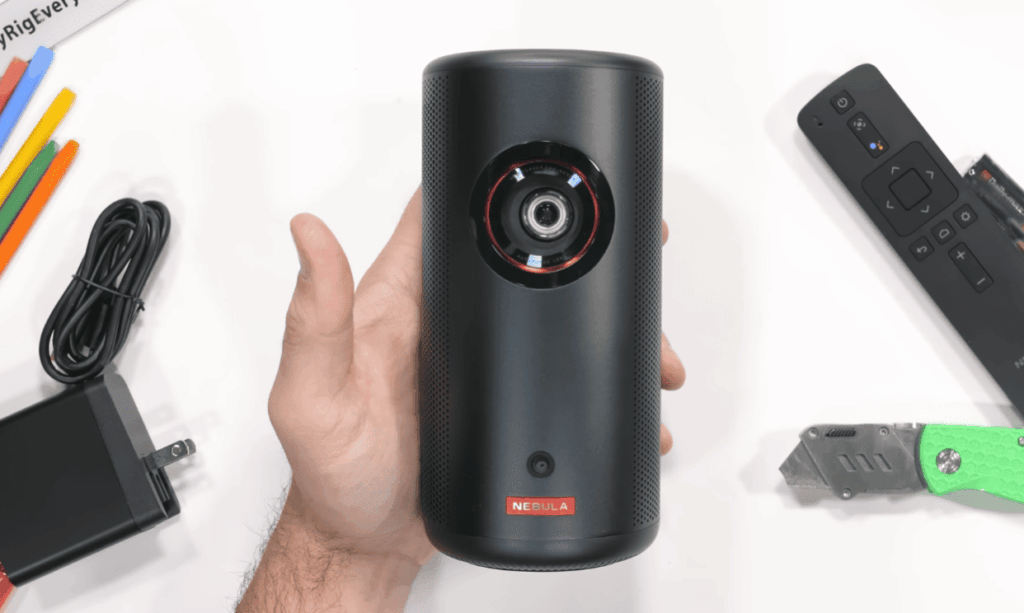
The industrial laser projector has a special structure that ensures the laser beam remains stable, and its output can be easily controlled. This makes it an ideal choice for applications where high levels of accuracy and consistency are required, such as in industrial manufacturing processes. The main parts of an industrial laser projector include the laser source, scanning mirrors, and a control system.
Types of Lasers Used in Industrial Laser Projectors
Several types of lasers can be used in industrial laser projectors, each offering distinct properties and benefits. Let’s explore some of the most common ones in more detail:
- Fiber Lasers: These lasers utilize optical fibers to amplify the laser beam, resulting in high-power output while consuming minimal energy. This efficiency makes them an excellent choice for applications that require both power and energy conservation.
- CO2 Lasers: These lasers employ a gas mixture to generate an infrared laser beam. This characteristic makes CO2 lasers particularly well-suited for cutting and engraving tasks. Their ability to produce precise and controlled cuts is highly valued in various industries.
- Solid-State Lasers: These lasers rely on solid materials such as crystals or glasses to generate a powerful laser beam. The use of solid-state materials contributes to excellent beam quality and stability. Consequently, solid-state lasers find applications where superior beam characteristics are crucial.
By understanding the unique properties of each laser type, we can make informed decisions when selecting the most suitable laser for specific industrial applications.
How do laser projectors work?
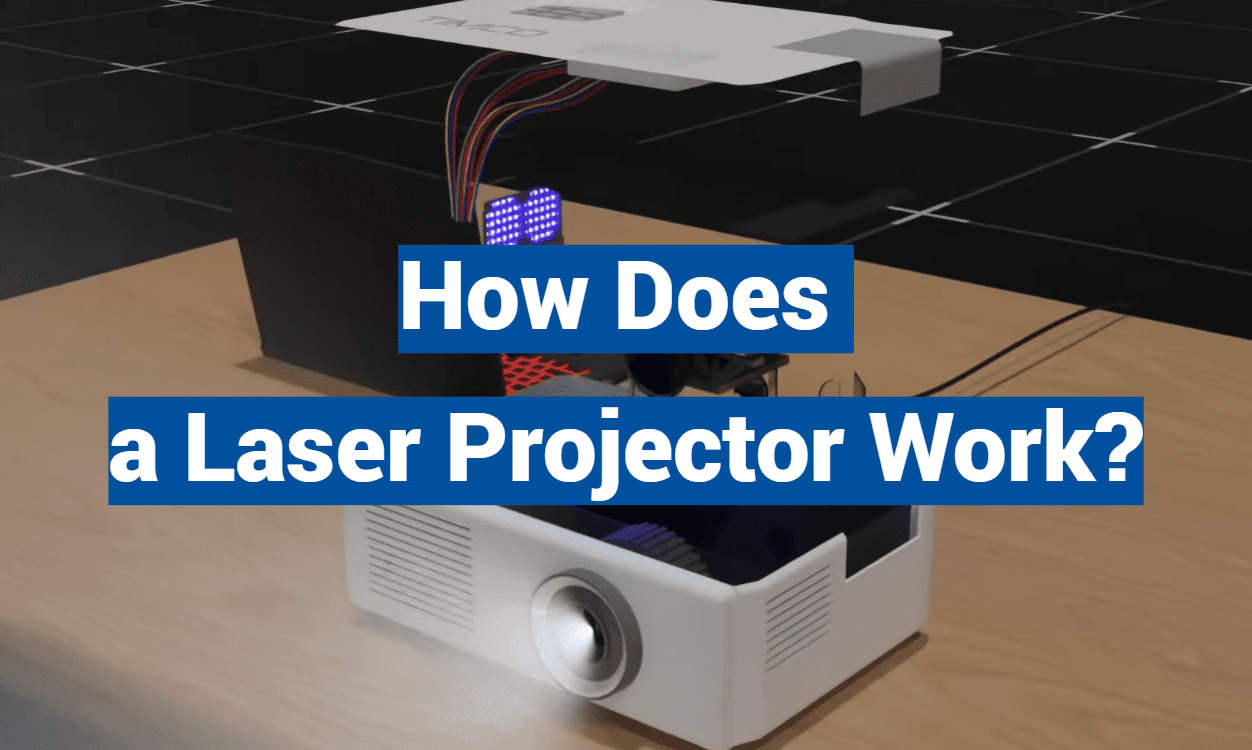
The magic of a laser projector lies in its intricate ability to convert light into captivating images using complex and fascinating mechanisms. It all begins with a powerful laser source that emits a concentrated beam of light, serving as the foundation for the mesmerizing display that follows.
This beam of light is then skillfully directed towards a meticulously designed set of high-speed mirrors. These mirrors, under the precise control of the projector’s sophisticated control system, adjust their position and orientation with unparalleled precision. Their purpose? To deftly reflect the laser beam in a multitude of directions, granting the projector remarkable versatility and the ability to project images onto any desired surface.
But the journey doesn’t stop there. Once the laser beam leaves the mirrors, it continues on its path, passing through a series of meticulously crafted lenses. These lenses skillfully focus and shape the light, molding it into a specific pattern, ensuring that the projected image is nothing short of vibrant and rich in detail.
And finally, the moment of awe arrives. The shaped beam of light, now transformed into a work of art, is projected onto a surface, illuminating it with a captivating and lifelike image. The precision and finesse of the laser projector’s mechanism result in a truly immersive experience, where colors come alive, and every detail is brought to life with astonishing clarity.
But what truly sets the laser projector apart is its ability to achieve seamless and fluid motion in videos or animations. The speed at which the mirrors move and reflect the laser beam determines the frame rate of the projected image. With the capacity to reach up to thousands of frames per second, the laser projector ensures that every motion is rendered with the utmost smoothness, leaving viewers spellbound and enthralled.
The remarkable marriage of cutting-edge technology, precise engineering, and artistic finesse makes the laser projector a true marvel of innovation. It is through these intricate details and carefully crafted mechanisms that the magic of the laser projector is brought to life, captivating audiences and leaving an indelible mark on the world of visual displays.
Laser Projector Applications
Laser projection in the textile industry
In the textile industry, laser projectors have revolutionized the process of cutting and engraving fabrics. By harnessing the power of laser technology, these cutting-edge devices offer unparalleled levels of precision and speed. With their ability to effortlessly navigate intricate patterns and designs, they have become an indispensable tool in the world of garment manufacturing. By seamlessly integrating with computer-aided design systems, laser projectors ensure that every cut is executed with utmost accuracy, resulting in perfectly tailored garments that meet the highest standards of quality. Their superior efficiency and consistent performance have made them the go-to choice for manufacturers seeking to optimize production processes and deliver exceptional products to customers.
Laser projection in automotive production
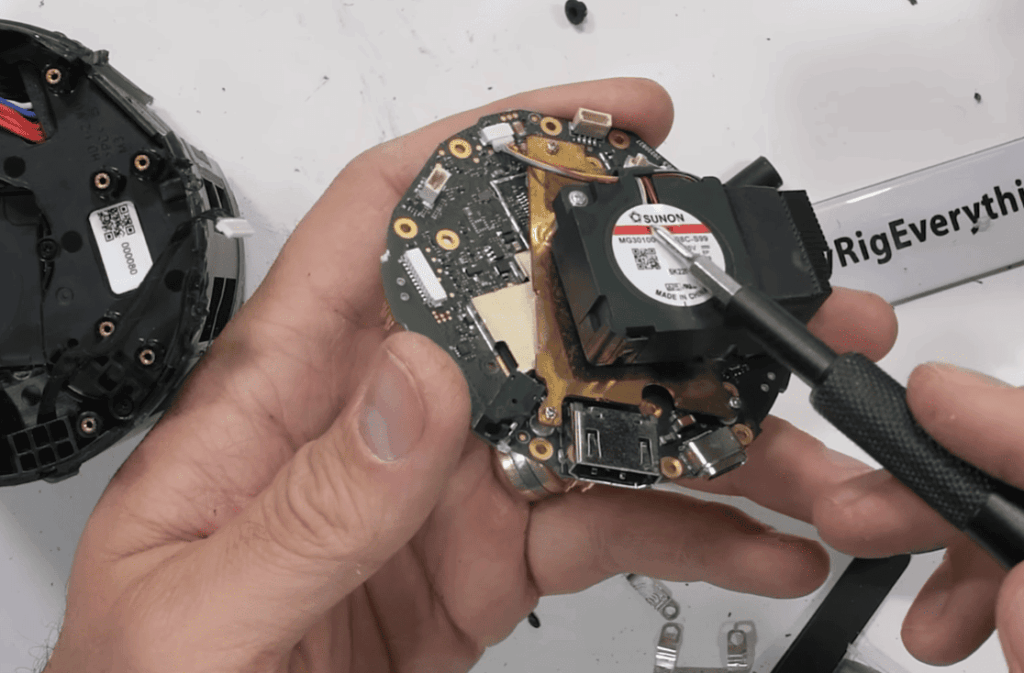
The utilization of laser projectors has truly revolutionized the automotive manufacturing process. By harnessing their remarkable capability to project highly accurate templates and guidelines onto various surfaces, laser projectors have emerged as indispensable tools in guaranteeing the meticulous positioning of components during assembly. This unparalleled precision not only enhances quality control measures but also significantly boosts overall productivity levels, resulting in a more efficient and streamlined production workflow.
Laser projection in virtual reality
The use of laser projectors in virtual reality (VR) technology is gaining popularity due to their ability to create highly immersive experiences. By projecting images with incredible clarity and smoothness, laser projectors are instrumental in creating realistic and lifelike environments within VR applications. Their capability to achieve high frame rates ensures that every movement or action is rendered with stunning fluidity, enhancing the overall experience for users. With advancements in VR technology expected to continue growing, laser projectors will play a crucial role in bringing these virtual worlds to life.
Laser projections in the production of stairs and furniture
In the construction and furniture industries, laser projectors have proven to be invaluable tools in optimizing production processes. By projecting precise template outlines onto materials such as wood or metal, these devices enable manufacturers to achieve unparalleled levels of accuracy and efficiency during cutting or engraving processes. This ensures that every component fits perfectly into place, resulting in high-quality finished products that meet the highest standards of craftsmanship. With their ability to work with a wide range of materials and designs, laser projectors have become essential in transforming ideas into tangible and exceptional works of art.
Laser projection in entertainment
From live concerts to theme park attractions, laser projectors have played an integral role in creating unforgettable experiences for audiences worldwide. By projecting vibrant and high-resolution images onto large screens, buildings, or landscapes, laser projectors bring performances and shows to life in a way that was previously unimaginable. Their ability for high-speed motion tracking also allows them to interact with performers and special effects, creating an immersive and dynamic experience for viewers. As technology continues to evolve, we can only imagine the endless possibilities of incorporating laser projection into entertainment ventures.
Laser projection in the metal industry
The metal industry has also greatly benefited from the use of laser projectors in various manufacturing processes. With their ability to project precise outlines and guidelines onto metal surfaces, these devices have been instrumental in improving accuracy and efficiency during cutting, welding, or engraving processes. This has resulted in a significant reduction of material waste and errors, leading to substantial cost savings for companies. The reliability and versatility of laser projectors in the metal industry have made them an essential tool for businesses seeking to stay competitive in a constantly evolving market.
Laser projection in the wood industry
In woodworking, laser projectors have become a game-changing technology that has transformed the way furniture and other wooden products are manufactured. By projecting precise templates and guides onto wood surfaces, laser projectors enable manufacturers to achieve unparalleled levels of precision and efficiency during cutting, drilling, or engraving processes. This not only ensures consistency in product quality but also reduces production time and costs significantly. With their ability to seamlessly integrate with computer-aided design systems, laser projectors have become an indispensable tool in the wood industry, taking craftsmanship to new heights.
How to make a Laser Projector last longer?
While laser projectors are durable and long-lasting devices, proper maintenance is essential to ensure their longevity. Here are some tips on how to make your laser projector last longer:
1. Clean regularly
Dust and dirt particles have a knack for accumulating on the lenses of a laser projector, which can gradually impede its performance and diminish the overall projection quality over time. To safeguard the optimal quality of your projections, it is of utmost importance to diligently clean the lenses and any other exposed components on a regular basis. By doing so, you can effectively prevent the accumulation of debris and ensure a consistently crisp and clear projection experience.
2. Use in a suitable environment
Extreme temperatures, high humidity, and prolonged exposure to direct sunlight can have detrimental effects on the internal components of a laser projector. The delicate circuitry and sensitive optics can be compromised, leading to decreased performance and potential malfunctions. To ensure optimal functionality and longevity, it is crucial to operate the device in a well-ventilated environment with controlled temperature settings. By taking these precautions, you can effectively safeguard the projector from any potential issues and maintain its reliable performance for an extended period.
3. Handle with care
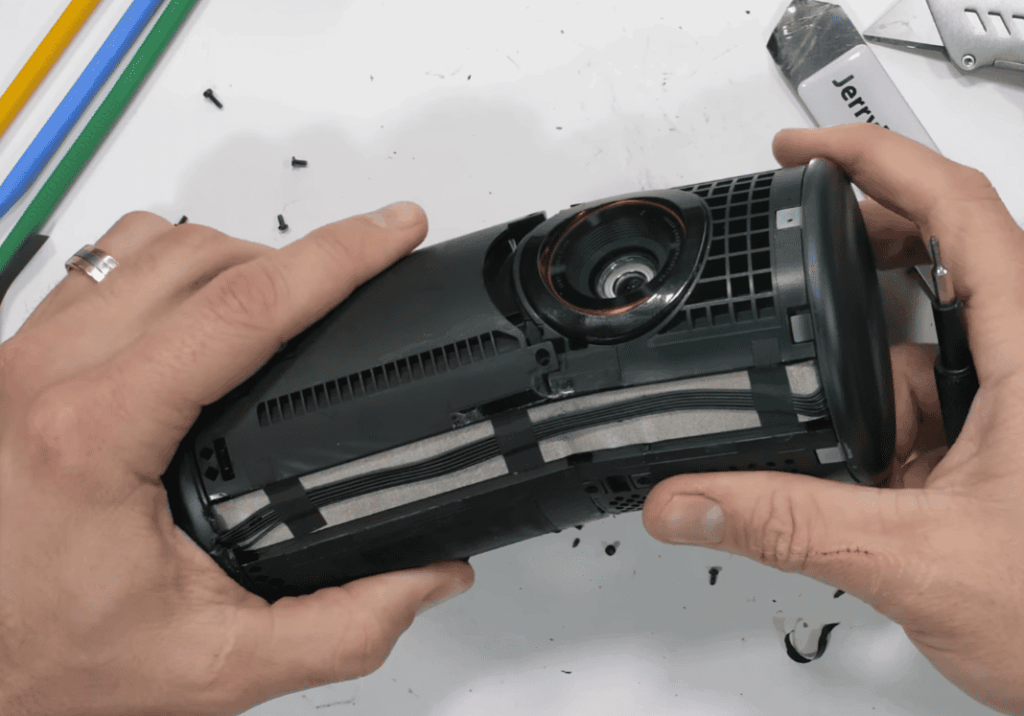
Laser projectors are highly sensitive devices that require careful handling to prevent any damage to their intricate internal components. When transporting or setting up the device, it is crucial to exercise utmost caution and avoid any sudden movements or impacts that could potentially disrupt its delicate mechanisms. Taking these extra measures will help ensure the longevity and optimal performance of the laser projector, allowing you to enjoy its stunning visuals without any worries.
4. Use power-saving features
Most laser projectors are designed with power-saving features to enhance energy efficiency. These features typically include auto shut-off and eco mode, which not only reduce energy consumption but also contribute to prolonging the lifespan of the device. By automatically shutting off when not in use and optimizing power usage in eco mode, laser projectors minimize their environmental impact and provide users with a cost-effective and sustainable solution for their projection needs.
5. Regular maintenance checks
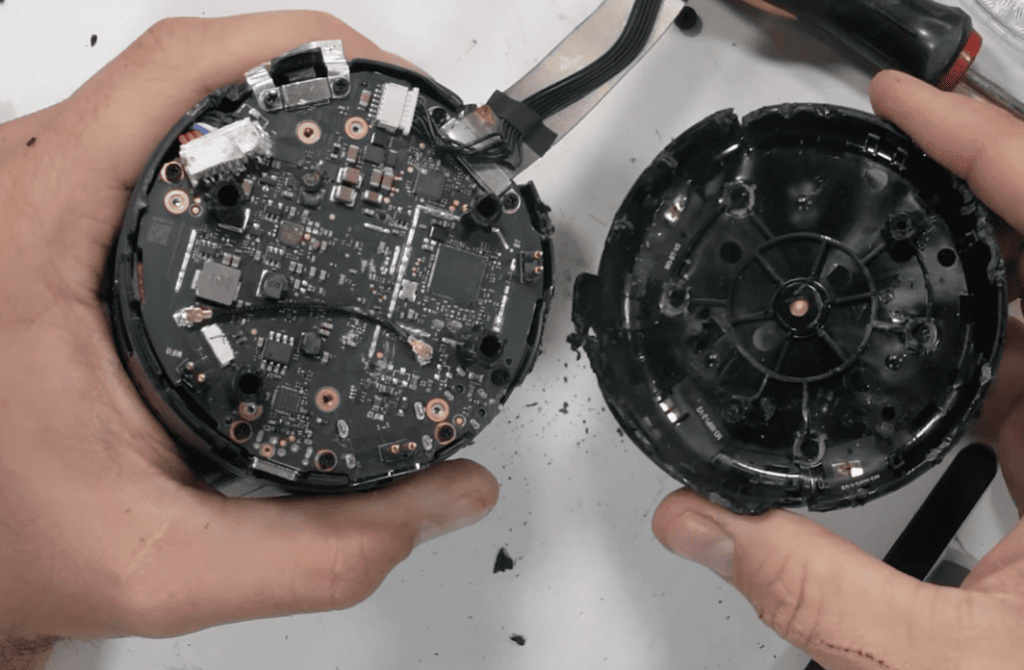
Performing regular maintenance checks is an important practice to ensure optimal performance and prevent potential issues from escalating into costly problems. By inspecting for any loose or damaged parts, you can proactively identify and address any issues before they become major concerns. To ensure thorough maintenance, it is highly recommended to have a professional technician perform annual maintenance checks on your laser projector. This will help to extend its lifespan and ensure consistent and high-quality performance for years to come.
By following these tips, you can ensure that your laser projector lasts for many years, providing you with high-quality projections and value for your investment. With advancements in technology, laser projectors will continue to play a significant role in various industries, bringing innovative solutions and enhancing experiences for users worldwide. So take care of your laser projector, and it will continue to impress and inspire for years to come.
FAQ
How do laser light projectors work?
Laser projectors work by using a laser light source to create high-intensity beams of light, which are then directed through a series of mirrors and lenses to produce an image. The lasers used in these projectors emit coherent light, meaning that all the waves are aligned, resulting in a highly focused and precise projection. By controlling the direction and intensity of these lasers, the projector can create various visual effects, making them ideal for use in industries like manufacturing, entertainment, and advertising.
What makes laser projectors better than traditional projectors?
Compared to traditional projectors that use lamps or LEDs as light sources, laser projectors offer several distinct advantages. Firstly, laser projectors have a significantly longer lifespan, ensuring reliable performance for an extended period of time. Secondly, they are capable of producing brighter and more vibrant images, resulting in a visually captivating viewing experience. Moreover, laser projectors are more energy-efficient, reducing power consumption and contributing to a greener environment.
Additionally, their ability to produce a wider color gamut allows for more accurate and realistic images, enhancing the overall visual quality. Lastly, laser projectors eliminate the need for bulb replacement costs, making them a highly cost-effective option in the long run. With these exceptional features, laser projectors undoubtedly provide an unparalleled projection solution for various applications.
Are laser projectors safe for the eyes?
Yes, laser projectors are generally considered safe for the eyes as they emit low levels of infrared and ultraviolet light. This means that the risk of eye damage is significantly reduced compared to other types of projectors. However, it is still important to exercise caution and avoid direct exposure to the laser beam, just as you would with any other type of projector.
It’s worth noting that most modern laser projectors also come equipped with advanced safety features. For instance, they may have automatic shut-off mechanisms that activate if the device is tilted or moved during operation. These safety measures help to further minimize any potential risks and ensure a safer viewing experience for users.
Overall, while laser projectors are generally considered safe, it’s always a good idea to follow the manufacturer’s guidelines and take necessary precautions to protect your eyes and ensure a safe and enjoyable viewing experience.
Can I use a laser projector for outdoor projections?
Yes, many laser projectors are designed for both indoor and outdoor use. However, it’s essential to ensure that the projector is suitable for outdoor use before attempting to do so. Factors like weather conditions, temperature, and humidity levels can affect outdoor projections, so it’s crucial to choose a laser projector specifically designed for such environments.
Moreover, when using a laser projector outdoors, always make sure to follow safety precautions to avoid any potential hazards. This may include securing the device and using proper mounting equipment to prevent it from falling or being damaged by weather elements. Additionally, be mindful of any potential obstructions that may block the laser beam’s path.
Is a laser projector better than a regular projector?
It ultimately depends on your specific needs and preferences. While laser projectors offer several advantages, traditional projectors may still be suitable for certain applications or budgets. It’s important to carefully consider factors such as intended use, image quality, longevity, and cost before deciding which type of projector is best for you.
However, it’s worth noting that with advancements in technology and increasing demand, laser projectors are becoming more affordable and accessible for a wider range of users. So if you’re looking for a high-end, long-lasting, and visually impressive projection solution, a laser projector may be the right choice for you. So assess your needs and budget carefully, and make an informed decision based on what will best suit your requirements.
Do you need a screen for a laser projector?
While a screen is not necessarily required for a laser projector to function, it is highly recommended for optimal viewing experience. Screens are designed specifically for projection, providing a smooth and reflective surface that enhances the clarity and brightness of the projected image. Moreover, screens also help to reduce any potential ambient light interference, resulting in sharper and more vivid images.
Furthermore, using a screen can also help to protect the laser projector from any potential damage or wear and tear, as the surface of a screen is better equipped to handle intense light beams.
Do laser projectors burn out?
Yes, laser projectors can experience burnout if not properly maintained or used within their recommended lifespan. This is why it’s essential to carefully follow the manufacturer’s guidelines for usage and maintenance to ensure longevity and optimal performance.
Moreover, factors like dust accumulation and improper ventilation can also contribute to a laser projector’s burnout. It’s important to regularly clean the projector and ensure proper ventilation to prevent any potential damage or overheating.
While laser projectors offer numerous benefits and advancements in projection technology, it is crucial to use them responsibly and maintain them properly to ensure a safe and long-lasting projection solution. So if you’re considering investing in a laser projector, make sure to do your research and choose one that best fits your needs and budget. With the right precautions and maintenance, a laser projector can provide an unparalleled viewing experience for various applications. So don’t miss out on this innovative technology and upgrade your projection system today!
Why choose a laser projector over other types of projectors?
There are several reasons why a laser projector may be the preferred choice over traditional projectors. Some of these reasons include:
- Superior image quality: Laser projectors offer better color accuracy, contrast, and brightness compared to other types of projectors.
- Longevity: With no bulbs to replace, laser projectors can have a significantly longer lifespan than traditional projectors.
- Energy efficiency: Laser projectors require less energy to operate, making them more eco-friendly and cost-effective in the long run.
- Instant on/off: Laser projectors have instant on/off functionality, eliminating any warm-up or cool-down time. This means you can start your presentation or movie right away without having to wait for the projector to warm up.
- Less maintenance: With fewer moving parts and no bulbs to replace, laser projectors require less maintenance compared to traditional projectors.
- Versatility: Laser projectors can be used for various applications, including home theater systems, educational settings, large-scale events, and outdoor projections. This versatility makes them a cost-effective choice for different users with varying needs.
Ultimately, the decision to choose a laser projector over other types of projectors will depend on individual preferences and requirements. However, with their numerous advantages and advancements in technology, laser projectors have become a popular choice for many users seeking high-quality and long-lasting projection solutions.
Conclusion Paragraph
So, a laser projector is not just a fancy gadget, but a practical and efficient solution for your projection needs. Whether you’re looking to upgrade your home theater system or need a reliable projection solution for outdoor events, a laser projector may be the right choice for you. Just remember to carefully consider your specific requirements and choose one that fits your budget and usage guidelines. And with proper maintenance and precautions, you can enjoy stunning visuals and a long-lasting projection experience with a laser projector. So why settle for less when you can elevate your viewing experience with the latest in projection technology? Upgrade to a laser projector today and see the difference for yourself!