

Classic audio equipment has shaped listening experiences for generations, yet few brands command the respect of heritage sound systems like those created between 1970 and 1995. This guide unlocks a world where engineering meets artistry, revealing models that redefined what home audio could achieve.
From compact designs to towering masterpieces, these pieces blend timeless aesthetics with groundbreaking acoustics. Collectors often hunt for specific iterations that showcase unique materials or technical breakthroughs. Whether restoring a rare find or building a curated setup, understanding their legacy is key.
We’ve organized decades of innovation into an easy-to-navigate format. You’ll discover how materials evolved, why certain models became cult favorites, and what makes them sought-after today. Let’s explore the stories behind the specs—and why they still turn heads at audio shows nationwide.
Key Takeaways
- Explore 25+ years of iconic sound system evolution
- Identify rare models with unique acoustic properties
- Learn restoration tips for maintaining authenticity
- Understand value factors for collectors and enthusiasts
- Discover how mid-century designs influence modern audio tech
Introduction to JBL Vintage Speakers
Audio enthusiasts often trace the roots of modern sound systems to groundbreaking mid-century designs. These engineering feats blended technical precision with artistic vision, creating products that transcended their era. Their influence remains audible in today’s audio landscape.
Why They Matter
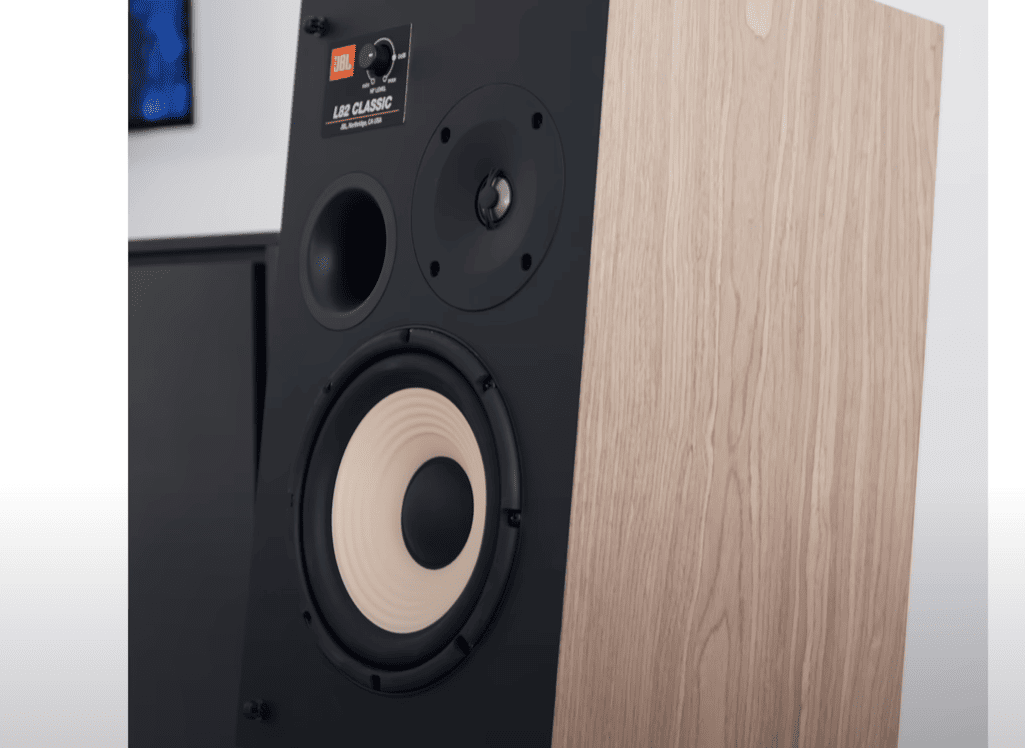
Classic models from this brand set benchmarks still referenced by audio engineers. Their components were built to professional standards, offering home users studio-grade performance. This bridge between commercial and residential use reshaped expectations for clarity and power handling.
Many designs featured materials like hand-polished wood and reinforced diaphragms. These choices weren’t just aesthetic—they directly enhanced acoustic accuracy. Owners often report that even decades-old units outperform modern counterparts in dynamic range.
Key Attributes of Classic Models
Three elements defined these audio icons:
- Durability: Overbuilt cabinets resisted resonance
- Innovation: Proprietary driver tech minimized distortion
- Versatility: Systems adapted to rooms of all sizes
Crossover networks were meticulously tuned, creating seamless transitions between frequencies. This attention to detail made every listening session feel immersive. Collectors value these traits as much as audiophiles appreciate their sonic signatures.
An In-Depth Look at jbl vintage speakers list
Between 1970 and 1995, a revolution in sound technology transformed living rooms across America. The brand’s home audio catalog spanned hundreds of models, from the $70 J50 bookshelf units to the $41,500 Synthesis 1 THX theater systems. This range wasn’t just about price—it reflected a bold engineering philosophy that catered to every listener’s needs.
Early designs focused on simplicity, using two-way driver configurations. By the 1990s, multi-way systems with titanium tweeters and complex crossovers became standard. Series like the Lancer and Ti lines showcased this evolution, blending studio-grade performance with home speaker aesthetics.
Three factors defined the catalog’s progression:
- Material upgrades: From paper cones to polypropylene composites
- Technical leaps: Advanced crossovers minimized distortion
- Market expansion: Pro-grade tech adapted for home use
Prices rose steadily, mirroring component improvements. A 1980 Century model might cost $500, while its 1992 successor reached $1,200. Collectors today analyze these shifts to spot underrated gems that balance cost and quality.
Whether you’re drawn to compact monitors or floor-shaking towers, understanding this legacy helps pinpoint which speaker models deliver your ideal sound signature. The right choice could turn a basement find into an audiophile’s centerpiece.
History and Evolution of JBL Speakers
The 1970s reshaped home audio through bold engineering choices that balanced form and function. This era saw foundational advancements in both design and acoustic science, creating products that became cultural touchstones. Let’s explore how these innovations unfolded.

The 1970s Classics
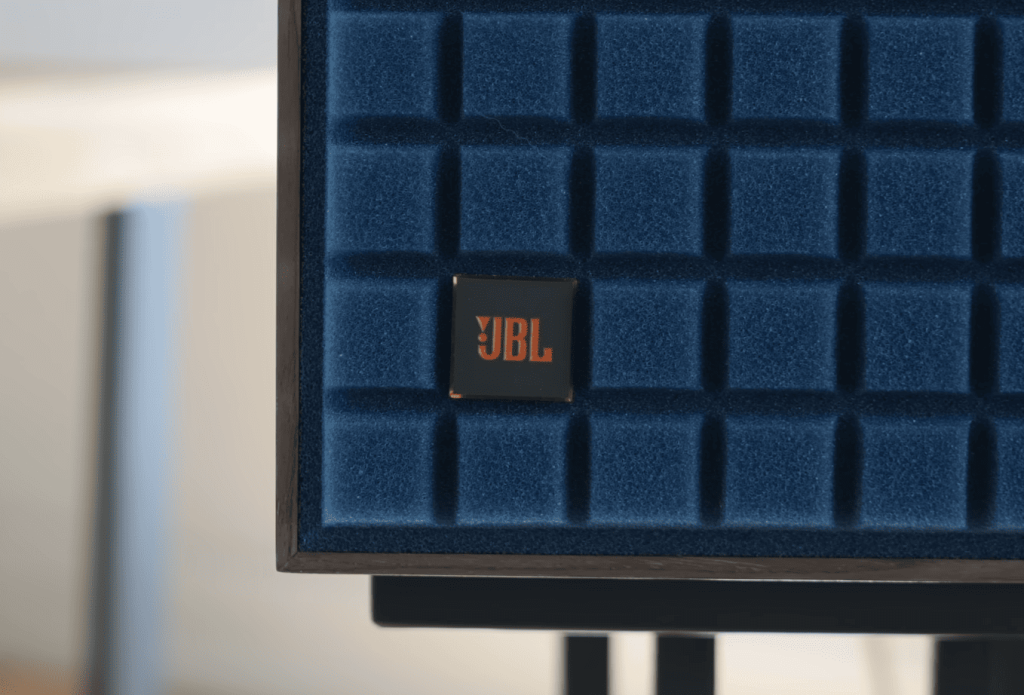
Early models like the L75 Minuet ($114) brought studio-quality sound to living rooms. Its walnut veneer cabinet and 10-inch woofer set a new standard for compact performance. The L100 Century ($273) became legendary with its Quadrex foam grilles and punchy midrange—over 100,000 units sold by 1977.
Flagship creations pushed boundaries further. The D44000 Paragon ($2,500) stretched nearly seven feet wide, blending three-way sound with furniture-grade craftsmanship. These pieces proved audio gear could be both technical marvels and conversation starters.
Technological Advancements Over the Years
Engineers constantly refined components to enhance clarity. Key breakthroughs included:
- Titanium-layered tweeters for crisp highs
- Edge-driven woofers that reduced distortion
- Network crossovers with precision-tuned capacitors
The Studio Master series exemplified this progress, adapting pro-grade tech for home systems. By 1979, four-way designs could fill concert-hall spaces while maintaining detail in quiet passages.
| Model | Year | Price | Key Feature |
|---|---|---|---|
| L75 Minuet | 1970 | $114 | Compact bookshelf design |
| L100 Century | 1971 | $273 | Quadrex foam grille |
| D44000 Paragon | 1978 | $2,500 | Three-way curved cabinet |
Prices reflected engineering ambition—from accessible entry points to statement pieces. Each innovation addressed real listener needs, whether boosting bass response or simplifying room placement. This user-focused approach cemented the brand’s reputation during audio’s golden age.
Iconic Models and Their Unique Features
Certain speaker designs from the past have achieved near-mythic status among audiophiles. These legends combine studio monitor precision with living-room appeal, delivering sound that shaped entire genres of music. Their engineering choices still inform how modern systems handle power and clarity.
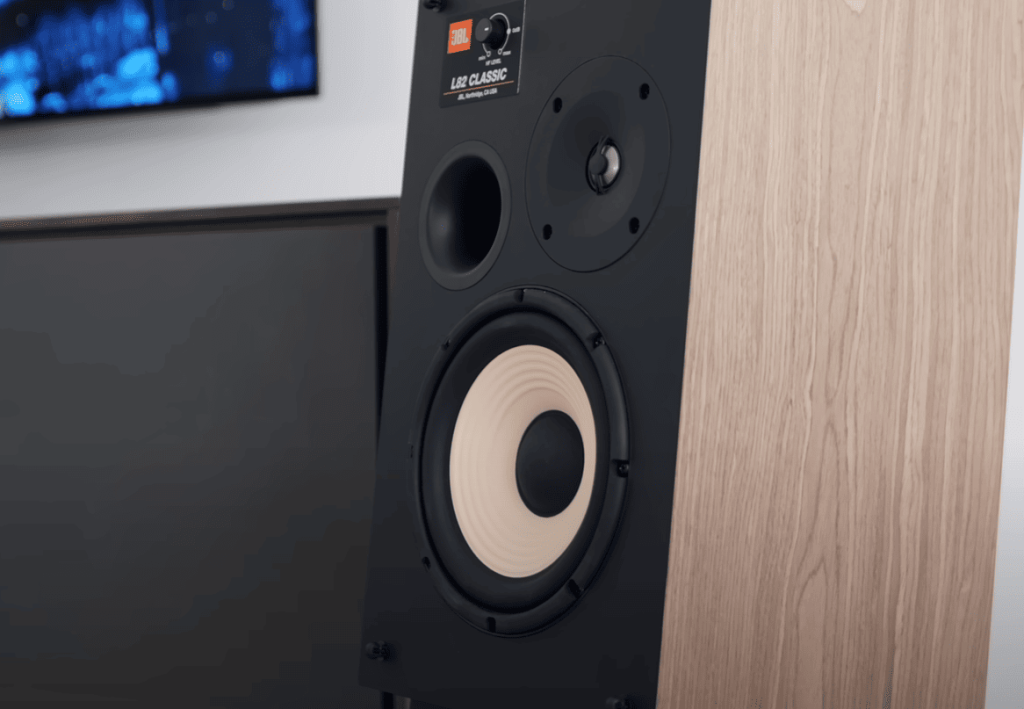
The L100 Century series broke molds with its bold orange grilles and walnut cabinets. Its three-way design balanced raw power with nuanced mids, making rock albums feel alive. Professionals soon noticed home models could rival their control room gear—the 4311 Studio Monitor became a studio staple despite its compact size.
High-end creations pushed boundaries further. The curved D44000 Paragon integrated amplifiers into furniture-grade cabinetry, while titanium tweeters in Ti Series units revealed hidden details in recordings. Even the control series offered pro-grade versatility, adapting seamlessly from living rooms to cafes.
What makes these models timeless?
- 4311B’s accuracy for critical listening
- L200’s rugged components handling high volumes
- 250Ti’s crisp highs through advanced materials
Each design solved specific audio challenges. The Paragon’s shape eliminated standing waves, while studio monitor crossovers ensured flawless frequency handoffs. Decades later, their DNA lives on in systems prioritizing both power and finesse.
Vintage Studio Monitors and Control Series
Professional audio gear from past decades continues to influence modern listening spaces. These tools bridged studio precision with residential adaptability, creating systems that served both critical ears and casual listeners. Their legacy lives on in homes, cafes, and even outdoor venues.
Precision Engineering for Critical Ears
Studio monitor designs prioritized accuracy above all else. The 4311 series became legendary for its flat frequency response—a necessity for mixing engineers. Components like titanium-coated tweeters and polypropylene cones minimized coloration, letting recordings speak for themselves.
Build quality matched their sonic ambitions. Reinforced cabinets reduced resonance, while crossovers used military-grade capacitors. This overengineering allowed models to handle 200-watt peaks without distortion. Many still outperform modern equivalents in dynamic range tests.
| Model | Year Range | Key Innovation |
|---|---|---|
| 4311B | 1970-1977 | Bi-radial horn tweeters |
| 4312A | 1985-1992 | Dual 6-inch midrange drivers |
| Control 23 | 1988-1995 | Weatherproof polymer casing |
Versatility Meets Durability
The control series redefined what compact systems could achieve. Models like the 924C ceiling speaker brought studio-grade clarity to unconventional spaces. Their sealed enclosures prevented moisture damage, perfect for poolside patios or humid climates.
Installation flexibility set these apart. The Control 25’s angled baffle directed sound precisely, while the 1AT model offered paintable grilles. Despite varied uses, all shared the brand’s signature trait—consistent tonality across volume levels.
Collectors cherish these lines for their dual-purpose DNA. Whether monitoring a jazz session or hosting a backyard party, they deliver uncompromised performance. Their discontinued status only fuels demand among audio purists.
High Power and Amplifier Driven Models from the Past
Raw energy met technical mastery in audio systems built to dominate large spaces. These heavyweight champions weren’t just loud—they delivered pristine clarity at volumes that rattled windows without breaking a sweat.
Amplifier Performance and Specifications
Professional-grade amplifiers like the DSi series packed stadium-level muscle into compact chassis. Their conservative power ratings hid true capabilities, with flagship models pushing beyond 2000 watts. Paired with compatible drivers, they transformed living rooms into concert halls.
| Model | Power Output | Impedance | Key Use |
|---|---|---|---|
| DSi 1000 | 475W | 4Ω | Mid-sized venues |
| DSi 2000 | 800W | 4Ω | Theater systems |
| DSi 6000 | 2100W | 4Ω | Stadium events |
Power Handling and Reliability
Engineered components ensured longevity under stress. Oversized voice coils dissipated heat efficiently, while reinforced suspensions handled intense bass notes. Many units still perform flawlessly today—a testament to their high power endurance.
Key durability features included:
- Military-grade capacitors in crossover networks
- Triple-layer cone materials resisting wear
- All-metal chassis preventing warping
These workhorses proved that true power isn’t just about decibels—it’s about maintaining fidelity when pushing limits. Their legacy lives on in modern systems demanding both brawn and precision.
Design and Build Quality of Vintage JBL Speakers
True audio craftsmanship shines through decades of use. Classic models showcase engineering choices that prioritized longevity over shortcuts. Cabinet construction reveals this ethos—thick MDF panels reinforced with cross-bracing created inert enclosures. Solid wood veneers weren’t just decorative; they dampened vibrations that could muddy bass response.
Driver technology followed similar principles. Woofers used layered paper composites treated with resin, balancing rigidity and flexibility. Oversized magnets paired with durable suspension systems ensured consistent performance. One collector shares:
“I’ve only replaced surrounds, never the core components—these units were built like tanks”
The modular design philosophy made maintenance practical. Instead of replacing entire systems, owners could update individual elements. Common restoration tasks include:
- Refoaming woofer edges with latex compounds
- Swapping aged capacitors in crossover networks
- Cleaning oxidized L-pad controls affecting volume balance
Attention to detail extended beyond visible elements. Internal wiring used oxygen-free copper, while binding posts accommodated thick-gauge cables. These features preserved signal integrity from amplifier to driver—a commitment to purity that modern gear often overlooks.
Sound Performance and Audio Quality of Vintage Systems
Decades-old sound systems continue to surprise modern audiences with their clarity and emotional depth. These engineering marvels balanced technical precision with musicality, creating experiences that still resonate today. Let’s explore what made their acoustic signatures unforgettable.
Audio Quality Insights
Models like the L26 delivered a neutral sound profile, while the L100 charmed listeners with warm, rich tones. High-frequency reproduction reached 16K Hz through specialized tweeters—though age-related hearing loss might mask this detail for some. The true star remained midrange accuracy, rendering vocals and instruments with spine-tingling realism.
User Listening Experiences
Owners consistently praise the dynamic range that handles whisper-quiet passages and thunderous crescendos equally well. Smaller units offered tight bass control, while floor-standing giants could shake rooms without distortion. This versatility made them equally at home in cozy dens or lively gathering spaces.
What truly set these systems apart? Their ability to marry studio-grade analysis with toe-tapping enjoyment. Whether dissecting a jazz solo or losing yourself in a rock anthem, the sound remained engaging across genres—proof that great design transcends eras.