
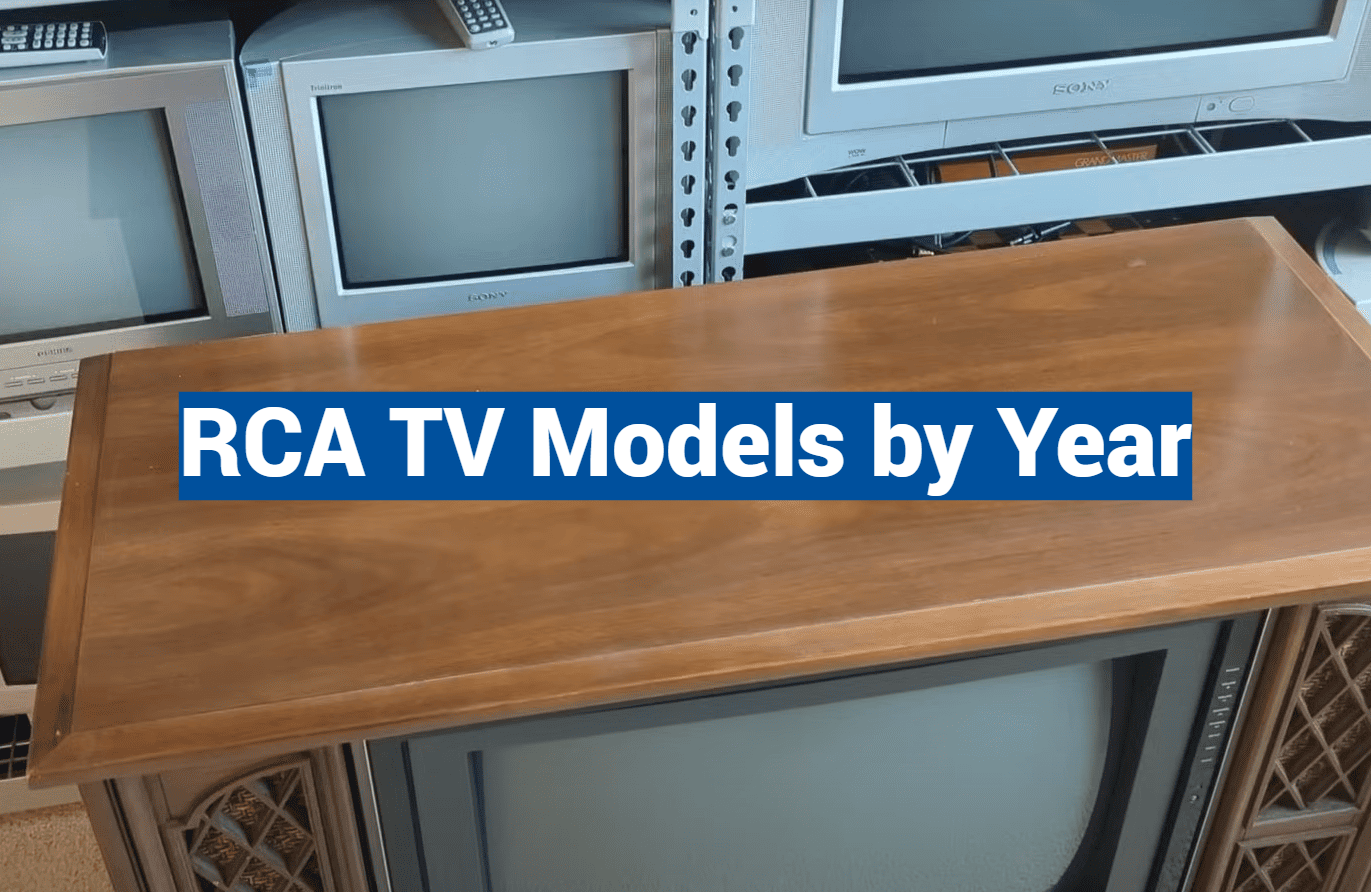
Did you know the first commercially available color television in 1954 weighed over 200 pounds and cost nearly $1,000? That groundbreaking innovation came from a brand that’s been shaping home entertainment for nearly a century. This guide walks through the remarkable story of how one company redefined what it means to gather around the screen.
You’ll explore seven decades of design breakthroughs, from bulky cathode-ray tubes to paper-thin OLED panels. Discover how engineers balanced evolving viewer demands with cutting-edge advancements – like the 1970s push for energy efficiency or the 2000s HD revolution.
Whether you’re restoring a mid-century console or comparing smart TV specs, understanding this timeline helps unlock hidden value. We’ve decoded serial numbers, cataloged rare editions, and highlighted models that became cultural touchstones.
Key Takeaways
- Track design evolution from 1940s consoles to modern streaming-ready displays
- Identify rare collectibles through distinctive era-specific features
- Understand how major tech shifts (color, remote controls, flat screens) impacted production
- Learn date-coding systems to verify manufacturing years
- Compare vintage craftsmanship with today’s budget-friendly options
Fun fact: Many classic shows like I Love Lucy were filmed using cameras made by this same manufacturer. Their influence stretches far beyond living room furniture.
Overview of RCA TV Models by Year
When families gathered around their first home entertainment centers in the late 1940s, they weren’t just watching programs – they were experiencing a technological marvel. This journey through time reveals how engineering brilliance met everyday living.
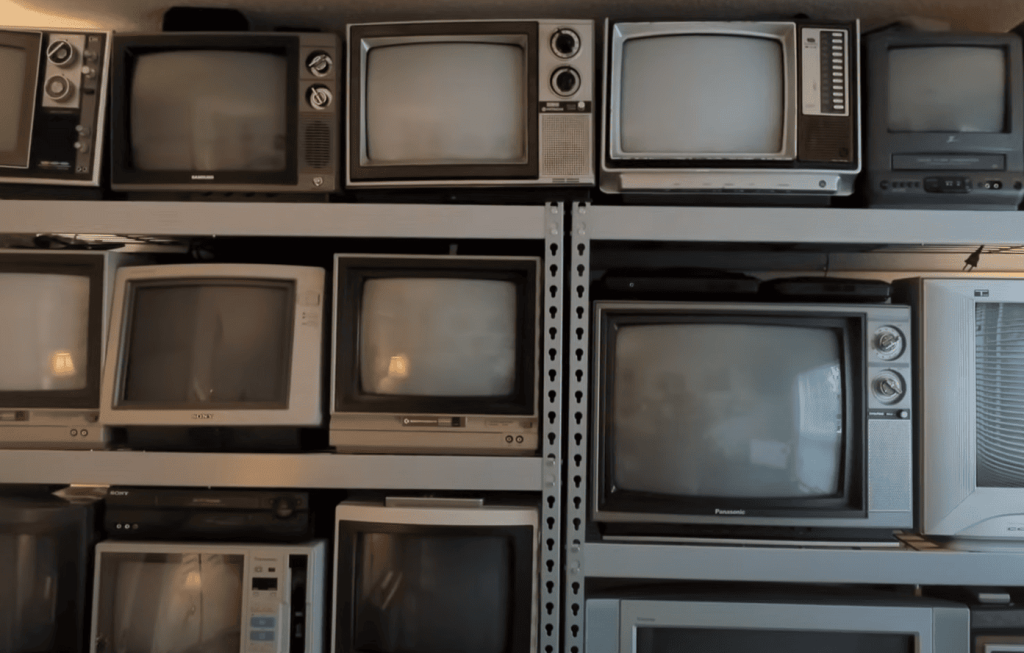
A Brief History of RCA in Television
The Radio Corporation of America changed living rooms forever with its 1939 World’s Fair demonstration. Post-war America saw the RCA Victor 630TS receiver become a status symbol, blending mahogany cabinets with brass accents. Its Golden Throat speaker system delivered crisp audio that still impresses collectors today.
By 1953, engineers cracked the color code with the NTSC standard. Early adopters marveled at vibrant hues through curved glass screens. These units weighed as much as a refrigerator but became family heirlooms.
Transition from Vintage to Modern Models
Wood-paneled giants gave way to sleeker designs as technology shrank. The 1970s brought energy-efficient transistors, while the 1990s introduced remote controls as standard features. Today’s ultra-thin displays owe their existence to those pioneering cathode-ray tubes.
Collectors treasure vintage RCA Victor pieces for their craftsmanship. Modern versions keep the legacy alive with smart features and 4K clarity. Each era’s innovations built upon the last, creating a timeline of home entertainment breakthroughs.
Key RCA TV Releases and Their Features
Gaming enthusiasts just gained a surprising new contender. After decades of home entertainment innovations, a classic brand makes its play in competitive displays with two budget-friendly monitors packed with premium specs.
Evolution Series Enters the Arena
The 27-inch Evolution Premium and Select models bring serious performance to casual players. Both screens deliver 2560×1440 resolution – that sweet spot between detail and affordability. Fast IPS panels ensure vibrant colors stay consistent even at extreme angles.
| Feature | Premium M27PG135F | Select M27SG134F |
|---|---|---|
| Max Refresh Rate | 240 Hz | 165 Hz |
| Brightness | 300 cd/m² | 300 cd/m² |
| Price Point | $429 | $299 |
Variable refresh rate tech eliminates screen tearing across both models. The Premium’s 240Hz capability rivals pricier competitors, while the Select offers smooth gameplay at under $300.
Nostalgia Meets New Tech
Longtime fans will appreciate how these gaming displays honor the brand’s legacy. Like vintage Victor consoles with their Golden Throat speakers, today’s monitors balance performance with accessibility – proving innovation doesn’t require premium pricing.
Deep Dive into RCA TV Specifications and Technology
Modern home entertainment systems rely on precise engineering hidden behind sleek screens. Let’s examine what makes today’s devices tick through two critical lenses: visual performance and signal compatibility.
Screen Tech That Adapts to You
Current displays use specialized layers to optimize viewing experiences. The 64.5″ RS65U1-EU television receiver employs Direct LED backlighting with ultra-wide 178° angles – perfect for large living rooms. Meanwhile, the 48.5″ RTU4921 model’s SVA panel achieves 4700:1 contrast for inky blacks during movie nights.
| Panel Type | Best For | Key Spec |
|---|---|---|
| IPS-ADS | Color accuracy | 99% sRGB |
| VA | Dark room viewing | 4700:1 contrast |
| AMVA3 | Budget options | 250 cd/m² brightness |
Brightness levels range from 200-350 cd/m² across different receivers. This flexibility helps match screen performance to room lighting without wasting energy.
Staying Connected Through the Ages
Today’s television receivers handle signals from vintage VHS tapes to 4K streaming. The RTU5540 model supports seven broadcast standards, including legacy NTSC and modern ATSC 3.0. This ensures compatibility with everything from grandpa’s home movies to new streaming boxes.
Essential connections include:
- 4 HDMI ports for gaming consoles
- USB 3.0 for 4K media playback
- Optical audio out for soundbars
Whether you’re watching analog broadcasts or HDR content, these receivers bridge past and present entertainment seamlessly.

Conclusion
From mahogany-clad consoles to frameless gaming monitors, one brand has consistently redefined home entertainment. RCA Victor’s journey from pioneering color broadcasts to today’s smart displays showcases how tradition fuels innovation. Their products bridge generations – collectors cherish vintage craftsmanship while gamers embrace cutting-edge refresh rates.
The modern television market demands versatility, and current offerings deliver. Affordable HD options coexist with premium screens boasting cinema-quality color. Recent gaming-focused releases prove that performance doesn’t require outrageous pricing, staying true to the brand’s accessible ethos.
Content compatibility remains a standout feature. Whether streaming 4K shows on modern televisions or connecting retro media players, these devices handle it seamlessly. Built-in tuners support both classic broadcasts and emerging formats, ensuring no era gets left behind.
What keeps this legacy alive? A simple formula – adapt without abandoning core principles. New technologies meet time-tested values like reliability and user-focused design. Whether you’re drawn to nostalgic charm or tomorrow’s specs, there’s always room for innovation that feels like home.