Did you know that some diagnostic alerts on advanced home systems don’t appear in standard troubleshooting guides? This particular notification is one of those less-documented signals that can leave homeowners puzzled when it flashes on their display.
When your tankless water heater shows this specific message, it’s actually trying to help you. These diagnostic alerts are designed to identify issues before they become major problems. Understanding what triggers them can save you both time and money on repairs.
Addressing this notification promptly is crucial for restoring your hot water supply. Ignoring these warnings could lead to more serious complications with your heating system down the road.
This guide will help you determine what you can safely troubleshoot yourself versus when you should call a professional technician. We’ll walk you through identifying symptoms, understanding potential causes, and implementing effective solutions.
You’ll gain the confidence to handle basic diagnostics while knowing when expert help is needed. Let’s get your system back to providing reliable hot water for your household needs.
Key Takeaways
- This specific alert is less commonly documented but indicates a solvable issue
- Diagnostic messages help identify problems before they become major failures
- Prompt attention prevents damage to your heating unit
- Some troubleshooting can be done safely without professional help
- Understanding symptoms helps determine when to call a technician
- Proper diagnosis restores reliable hot water quickly
- Basic maintenance knowledge can prevent future issues
Understanding Rinnai Tankless Water Heater Error Codes
The digital display on your water heater serves as a built-in technician, using specific signals to identify problems. These alerts transform complex internal issues into simple numbers you can understand.
This communication system helps both homeowners and professionals pinpoint exactly what needs attention. It eliminates guesswork and saves valuable time.
Overview of Common Error Codes
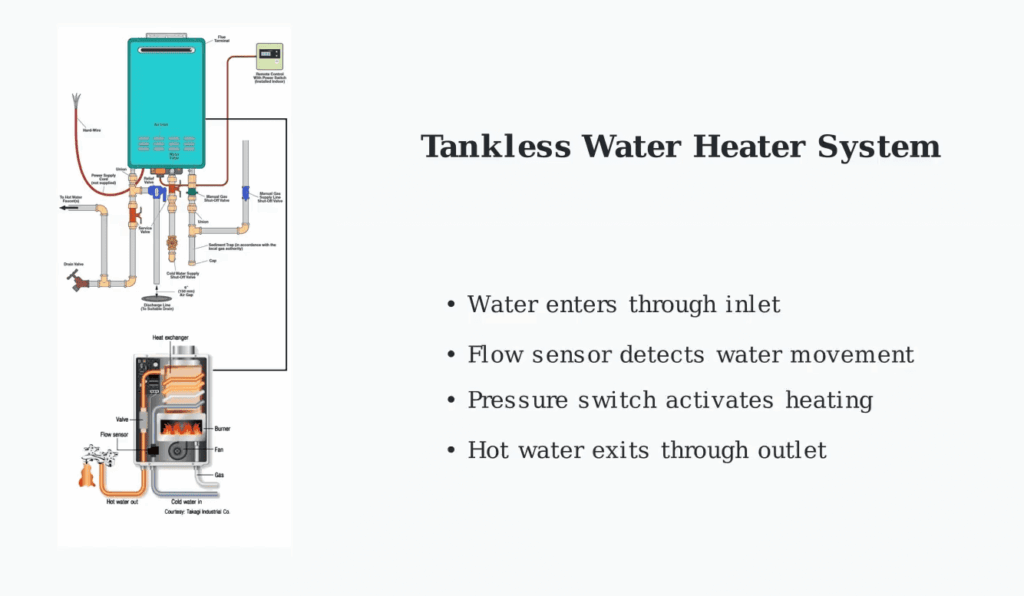
Tankless units display various signals for different component issues. You might see alerts for ignition problems, sensor malfunctions, or water flow irregularities.
Each number corresponds to a specific part of your heating system. For example, some relate to temperature sensors while others indicate ventilation or flame detection issues.
Understanding these patterns helps you grasp what your unit is trying to communicate. This knowledge provides context for any alert you encounter.
How Error Codes Assist in Troubleshooting
The error code system acts as an early warning mechanism for your tankless water heater. It detects problems before they cause major damage to components like the heat exchanger.
This proactive approach can save you money on repairs and prevent extended hot water outages. Some alerts indicate simple fixes you can handle safely.
Other signals suggest more complex issues requiring professional expertise. Either way, the system helps restore your water supply efficiently.
Identifying the Causes of Rinnai Code 55
Specific usage patterns often reveal the underlying causes of heating system malfunctions before error codes even appear. Understanding these behavioral clues helps you address problems early.
Common Symptoms and Display Readings
Your tankless water heater may show inconsistent performance when this alert appears. You might notice hot water cycling between temperatures during showers or sink use.
The unit’s indicator lights can provide important clues. Sometimes the “In Use” light turns off while water continues flowing through the system.
Monitoring outlet water temperature readings helps identify patterns. Consistent temperature fluctuations suggest specific component issues.
Potential Sensor and Flow Issues
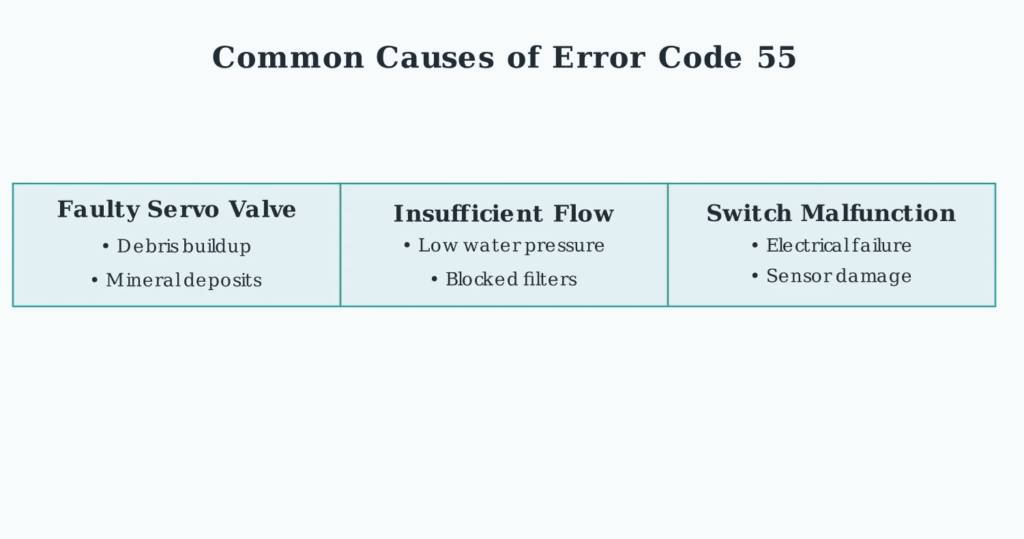
Sensor malfunctions frequently trigger this particular notification. Temperature sensors, flow sensors, and flame detection components can miscommunicate with the control system.
Water flow rate variations between fixtures often reveal underlying problems. Different flow rates through showers versus sinks affect how the heat exchanger performs.
Inadequate water pressure from your supply can cause similar symptoms. Opening multiple taps sometimes resolves temporary flow-related issues.
Maintenance and Ventilation Considerations
Proper ventilation system operation is crucial for preventing error codes. Blockages can cause temperature sensors to read incorrectly or trigger protective shutdowns.
Regular maintenance like heat exchanger cleaning and system flushing prevents many sensor and flow issues. Neglected upkeep over years leads to performance problems even in well-built units.
Troubleshooting Steps for rinnai code 55
Tackling this particular alert requires a methodical approach that starts with simple observations. Many homeowners successfully resolve similar issues by following a logical diagnostic sequence.
Step-by-Step Diagnostics
Begin by monitoring your unit’s behavior patterns. Check the water flow rate at different fixtures like your shower and kitchen sink.
Observe when the “In Use” light cycles on and off. Note any temperature fluctuations at various outlets throughout your home.
Tips for Cleaning and Replacing Components
Simple maintenance often resolves this notification. Gently clean the flame rod and igniter to remove deposits that can interfere with proper operation.
Regular flushing of the heat exchanger prevents mineral buildup. Always ensure power is disconnected before attempting any cleaning.
When to Contact a Professional Technician
If basic troubleshooting doesn’t resolve the issue, it’s time to call an expert. Complex electrical or gas-related repairs require professional training.
Persistent alerts after cleaning indicate deeper system problems. A qualified technician can safely diagnose and fix underlying component issues.
Conclusion
Mastering your home’s hot water system becomes much simpler when you understand what your equipment is trying to tell you. You now have the knowledge to address common issues with confidence.
Regular maintenance over the years is your best defense against future problems. Simple care routines can prevent many alerts from appearing in the first place.
Remember that safety comes first with any tankless water heater. While basic troubleshooting is manageable, complex repairs require professional expertise in your area.
Utilize available resources like manufacturer websites and community forums for additional support. Thanks for taking the time to become an informed homeowner!