
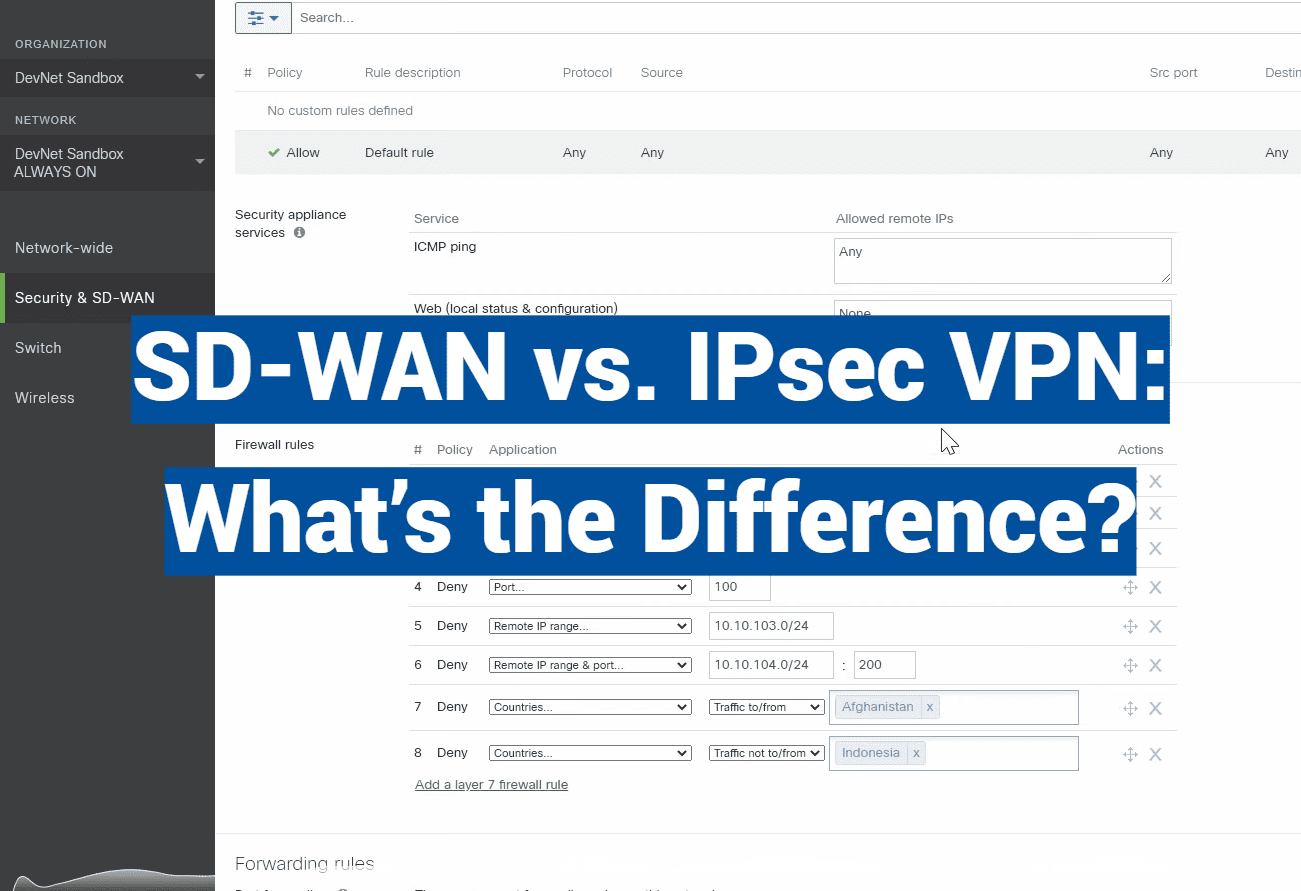
In the digital landscapes, two networking giants have emerged from the thicket, offering unmistakable advantages in the realm of connectivity and security: SD-WAN and IPsec VPN. Given the pressing need for businesses to maintain a secure and seamless network, understanding the juxtaposition of these two technologies is not just beneficial — it’s imperative.
The digital age has witnessed unprecedented growth in data exchange and a simultaneous surge in the sophistication of cyber threats, which has led enterprises to seek robust solutions to protect their communication channels. This deep-dive comparison-guide will unveil the intricate workings of SD-WAN and IPsec VPN, dissecting their differences, similarities, and the contexts in which they flourish.
What Is SD-WAN and IPsec VPN?
Before plunging headlong into a comparison, a clear understanding of the terminologies is the sheet anchor of our discourse.
Software-Defined Wide Area Network (SD-WAN) is a cutting-edge network architecture that revolutionizes traditional network management. By utilizing software intelligence, SD-WAN efficiently directs network traffic across a Wide Area Network (WAN) by leveraging diverse connection options such as broadband internet, MPLS, and LTE. This technology abstracts network controls from the data plane, centralizing them to enable dynamic, application-aware management of network connections. With its innovative approach, SD-WAN enhances network performance, flexibility, and scalability, catering to the evolving demands of modern businesses.
On the other hand, IPsec VPN (Internet Protocol Security Virtual Private Network) extends a private network across a public network, like the internet. This technology establishes secure connections by encrypting data traffic, ensuring confidentiality and integrity. Users can securely access resources on the private network from remote locations, maintaining a seamless and protected communication environment. IPsec VPN offers robust functionality, strong security measures, and efficient management features to safeguard data transmissions and network operations effectively.
The below comparison will cover essential aspects, from architecture to management, deployment, and use cases, to help businesses determine which technology aligns best with their strategic objectives.
What Is the Difference Between SD-WAN and IPsec VPN?
Architecture and Functionality
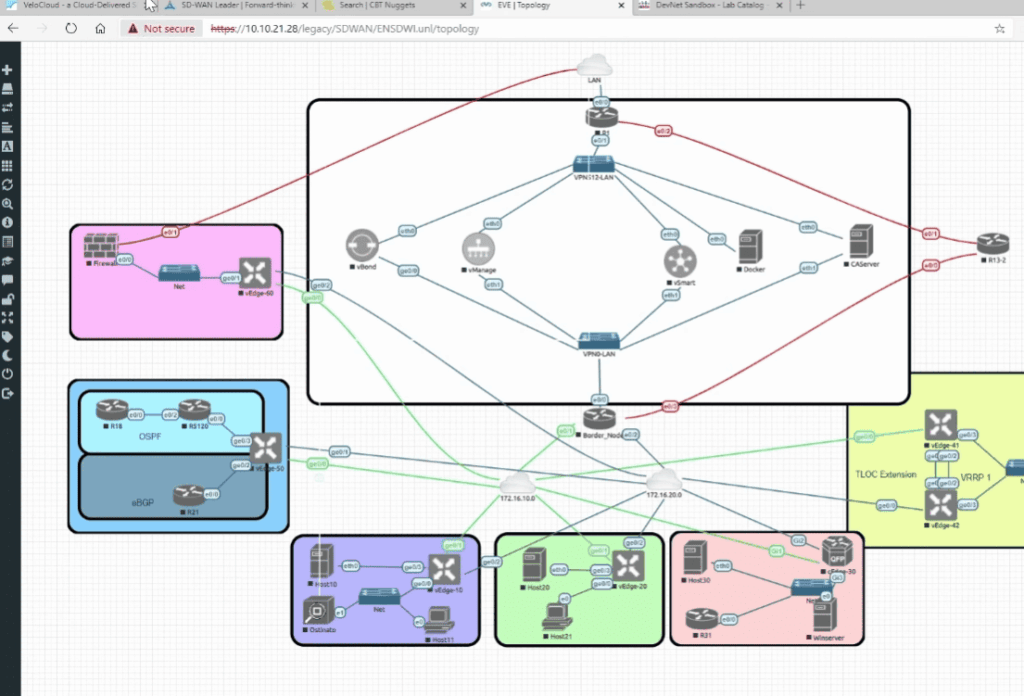
SD-WAN architecture is characterized by its centralized control and application-based forwarding. It prefers user experience, controlling network traffic according to the funneling and quality of links available, ensuring that high-priority traffic is never bogged down by lower-priority data.
SD-WAN’s architectural flexibility allows for the use of a variety of WAN connections, such as broadband, making it an attractive option for organizations with geographically dispersed locations that require a reliable, scalable, and cost-effective alternative to dedicated MPLS circuits.
IPsec VPN comprises gateways, VPN clients, and VPN concentrators, all of which work in tandem to create a secure connection over the internet. Its design is straightforward and robust, aiming to provide a secure communication channel to private corporate resources.
While less dynamic than SD-WAN, the IPsec VPN architecture is well-suited to businesses looking for a traditional approach to creating a secure connection over the internet, ensuring data integrity and confidentiality.
Traffic Management
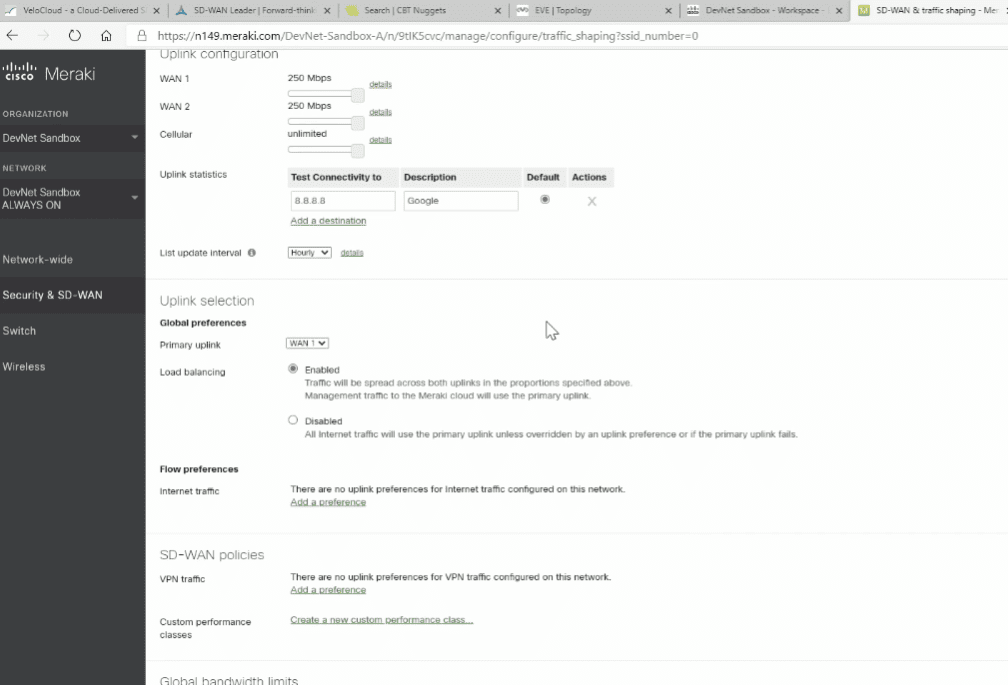
SD-WAN management is centralized, intuitive, and highly automated. It involves the use of orchestration and controllers to establish policies that govern network traffic, adapting in real-time to changes in link quality and availability.
SD-WAN’s management framework is intelligence-driven, with the ability to prioritize business-critical applications and provide the necessary resources for their seamless operation.
IPsec VPN management is largely manual, typically requiring more effort in maintaining security policies and hardware configurations. It is less dynamic and less adept at handling fluctuating network conditions.
However, IPsec VPN’s more traditional approach appeals to organizations with stringent, static security requirements and a lesser demand for dynamic application routing.
Performance Aspects
SD-WAN’s intelligent routing capabilities make it a top performer in terms of end-user experience and network reliability. By leveraging diverse connection options, SD-WAN can bypass congested or unreliable links, significantly improving application performance.
On the other hand, IPsec VPN’s encryption and tunneling procedures may result in slower data transmission speeds and higher latency compared to SD-WAN. While this may not be an issue for most users, businesses that require high-bandwidth and low-latency connections may find SD-WAN’s performance more appealing.
Deployment
The deployment of SD-WAN can be as direct as installing new hardware and integrating current connections into the SD-WAN network, or it can be as diverse as implementing a hybrid environment, combining multiple networking strategies. The modular and software-driven nature of SD-WAN makes it relatively swift to deploy, offering businesses the adaptability to grow and shift network resources as required.
IPsec VPN is predominantly software-based, requiring the installation of VPN software on endpoints and the establishment of VPN tunnels between network devices and gateways. Deployment complexity can vary based on network size and security policies, but it is generally more straightforward than SD-WAN due to its more standardized setup.
Use Cases
SD-WAN shines in scenarios where there is a need for multi-path routing, dynamic WAN optimization, and application performance management. It is well-suited to organizations with numerous cloud applications and services, offering cost savings and performance enhancements compared to solely relying on traditional WAN protocols like MPLS.
SD-WAN is also a prime candidate for businesses undergoing digital transformation, as it provides the agility required to adapt to evolving networking needs.
IPsec VPN stands out in environments where the primary focus is on endpoint-to-endpoint secure communications. It’s an ideal choice for maintaining secure connections between specific devices, including remote workers’ laptops and server endpoints.
Organizations that adhere to strict compliance regulations, such as those in the healthcare or financial sectors, often prefer IPsec VPN for its clear, persistent, and explicitly secure data channels.
Security Implications
Both SD-WAN and IPsec VPN offer robust security measures, but they differ in their approach.
SD-WAN relies on end-to-end encryption for data transmitted between network devices, making it a secure option for sensitive information. However, its dynamic routing capabilities may open up potential attack vectors, requiring careful management of access controls and firewalls.
IPsec VPN provides more control over user access, enabling organizations to implement stricter security policies. It also offers end-to-end encryption and the added layer of a VPN concentrator for additional protection.
However, IPsec VPN’s reliance on pre-set rules makes it less flexible in accommodating changes to network traffic patterns, potentially resulting in network bottlenecks.
Cost Perspectives
While SD-WAN has gained popularity for its cost-saving potential, the overall cost of deployment and maintenance will depend on various factors such as network size, type of connections used, and management requirements.
IPsec VPN may have a lower upfront cost since it relies on existing internet connections. However, ongoing maintenance costs can add up, particularly for large networks with multiple endpoints and gateways.
Organizations should carefully consider their specific networking needs and budget constraints when deciding between SD-WAN and IPsec VPN. In some cases, a combination of both may provide the best balance of performance, security, and cost-effectiveness for an organization’s unique requirements. As technology continues to evolve, it is essential to regularly reassess and adapt network strategies to ensure they meet the changing needs of businesses.
Both SD-WAN and IPsec VPN have their strengths and weaknesses, making them valuable tools in a business’s arsenal for creating secure and reliable network connections. By understanding their differences, organizations can make informed decisions to optimize their network architecture and operations.
Maintenance and Scalability
SD-WAN’s software-driven approach makes it easier to maintain and scale compared to IPsec VPN, which requires more manual configuration. SD-WAN’s centralized management console allows for simpler updates and changes, reducing the burden on IT personnel.
Additionally, as businesses grow and their networking needs evolve, SD-WAN offers flexibility in adding new connections and adjusting bandwidth allocation without significant disruptions to operations.
On the other hand, IPsec VPN may require more time and resources to expand or modify connections, making it less scalable in rapidly changing environments.
Visibility and Control
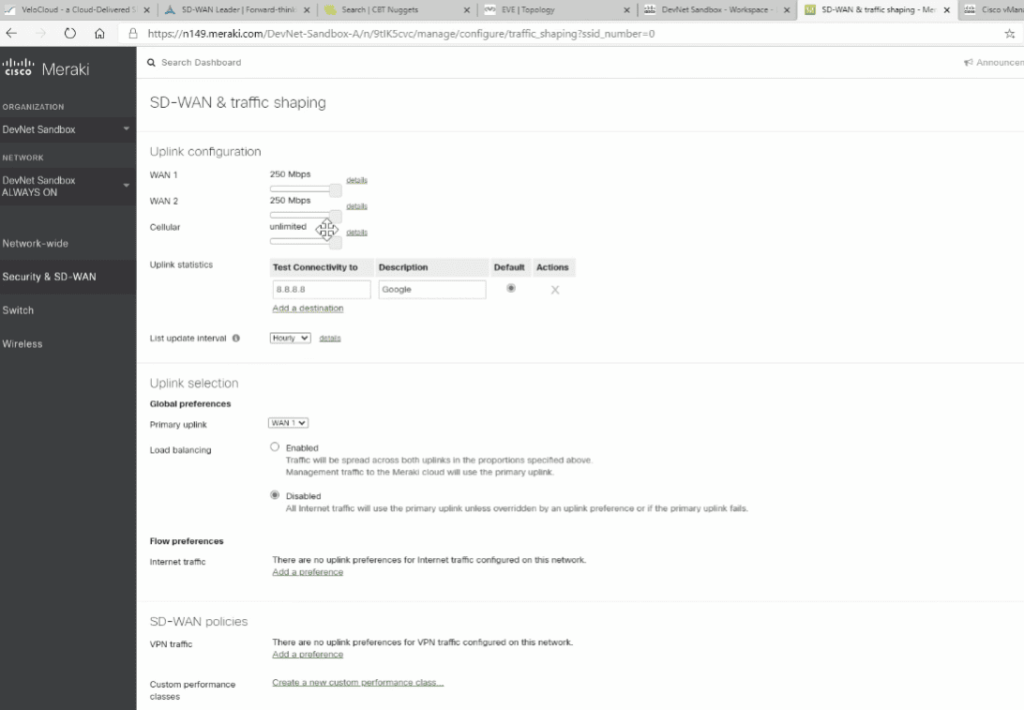
SD-WAN’s central management console also provides organizations with a better overview and control of their network traffic, allowing for more informed decision-making. With real-time monitoring and reporting capabilities, IT teams can quickly identify and address issues that may impact performance.
IPsec VPN, on the other hand, may offer less visibility into network traffic due to its focus on secure endpoint-to-endpoint connections. This limited visibility may make it more challenging to troubleshoot network issues and identify potential security threats.
How to Choose Between SD-WAN and IPsec VPN
The decision to use SD-WAN or IPsec VPN ultimately depends on an organization’s unique needs, budget, and goals. Careful consideration of factors such as security requirements, network size and complexity, and scalability needs is crucial in making an informed decision.
Organizations with a diverse range of networking needs may find that a combination of both SD-WAN and IPsec VPN offers the best solution. This approach allows for leveraging the strengths of each technology while mitigating their respective weaknesses.
Ultimately, choosing between SD-WAN and IPsec VPN should involve a thorough evaluation of current and future networking needs, as well as an understanding of how each technology aligns with an organization’s overall IT strategy. With the right approach, businesses can create a robust and secure network infrastructure that supports their operations and paves the way for future growth and success.
Overall, SD-WAN and IPsec VPN are valuable tools in today’s ever-changing digital landscape, providing organizations with the flexibility, security, and cost-effectiveness needed to stay ahead of the curve. Whether used individually or in combination, these technologies offer a solid foundation for creating reliable and secure network connections, enabling businesses to thrive in today’s interconnected world.
FAQ
What is the difference between SD-WAN and IPsec VPN?
As networks continue to evolve and businesses increasingly rely on cloud-based applications, traditional WANs are no longer able to keep up with the demands of modern business. As a result, many organizations are turning to software-defined wide area networking (SD-WAN) and IPsec VPN as solutions for their network needs.
At first glance, SD-WAN and IPsec VPN may seem similar, as both offer secure connectivity between remote locations and central headquarters. However, there are several key differences between the two technologies. For example, SD-WAN is a more modern approach to networking that utilizes software-defined technology to manage and optimize network traffic. In contrast, IPsec VPN relies on traditional hardware-based routers and firewalls.
One of the main benefits of SD-WAN is its ability to intelligently route traffic over multiple connections, including MPLS, broadband internet, and LTE. This allows for better performance and reliability, as well as cost savings by reducing reliance on expensive MPLS connections. In contrast, IPsec VPN typically only supports a single connection type, making it less flexible and potentially more expensive.
Another key difference between SD-WAN and IPsec VPN is their approach to security. While both technologies provide encryption for network traffic, SD-WAN also includes advanced security features such as next-generation firewalls and intrusion detection and prevention systems. IPsec VPN relies solely on the security features of the underlying hardware, which may not provide the same level of protection.
Is SD-WAN better than VPN?
Whether SD-WAN is better than VPN ultimately depends on the specific needs of your organization. While SD-WAN offers advanced features and flexibility, it may not be necessary for every business. For smaller organizations with a limited number of branch locations, IPsec VPN may be a more cost-effective option.
However, for larger organizations or those with remote workers or multiple branch locations, SD-WAN can offer significant benefits. It provides better performance, reliability, and security than traditional VPNs, making it well-suited for businesses that rely heavily on cloud-based applications or have high network traffic demands.
Ultimately, the best solution will depend on your unique business needs and budget. Some organizations may even choose to utilize both technologies in a hybrid approach. Regardless of which option you choose, it’s important to carefully consider your network requirements and consult with a trusted IT professional to determine the best solution for your organization. Additionally, regularly reviewing and updating your network infrastructure is crucial in order to ensure optimal performance and security for your business.
Can SD-WAN replace VPN?
While SD-WAN offers many benefits over traditional VPNs, it is not designed to completely replace them. Both technologies have their own strengths and use cases, and in some scenarios, they may even work together to provide a comprehensive network solution.
SD-WAN is best suited for organizations with multiple branch locations or remote workers that require secure connectivity to centralized resources. It can help improve network performance, reduce costs, and provide advanced security features. However, IPsec VPN is still a viable option for smaller organizations or those with simpler network needs.
In some cases, a hybrid approach may be the best solution by utilizing both SD-WAN and VPN technology. This can provide the flexibility and advanced features of SD-WAN while also ensuring secure connectivity through traditional VPNs when necessary.
Ultimately, it’s important for businesses to carefully assess their network requirements and consult with IT professionals to determine the best solution for their unique needs. While SD-WAN may offer significant benefits over traditional VPNs, it is not a one-size-fits-all solution and may not be suitable for every organization.
Is SD-WAN more secure than VPN?
It’s difficult to say if SD-WAN is inherently more secure than VPN, as both technologies offer different types of security features. However, SD-WAN does have the potential to provide more robust security due to its use of advanced firewalls and intrusion detection and prevention systems.
In addition, SD-WAN allows for centralized management and visibility of network traffic, making it easier to monitor and identify potential security threats. It also offers the ability to segment network traffic, creating separate secure connections for different types of data or applications.
On the other hand, IPsec VPN relies solely on the security features of underlying hardware, which may not be as advanced or customizable as those offered by SD-WAN. However, with proper configuration and maintenance, VPNs can still provide a secure connection for remote workers and branch locations.
What is the difference between SD-WAN and mesh VPN?
SD-WAN and mesh VPN are two different technologies that offer secure connectivity between remote locations and central headquarters. However, there are several key differences between the two.
1) Architecture: SD-WAN utilizes a centralized control plane to manage and optimize network traffic, while mesh VPN uses a distributed architecture where each node makes its own routing decisions.
2) Scalability: SD-WAN can easily scale to support a large number of branch locations, while mesh VPN may become more complex and difficult to manage as the network grows.
3) Security: SD-WAN offers advanced security features such as next-generation firewalls, while mesh VPN primarily relies on encryption for secure communication.
4) Cost: SD-WAN typically requires specialized hardware and software, making it more expensive than mesh VPN which can utilize existing hardware and software.
Ultimately, the best option will depend on the specific needs of your organization. If you have a large number of branch locations or require advanced security features, SD-WAN may be the better choice. However, if scalability is not a concern and cost-saving measures are important, mesh VPN may be a more suitable option.
How does IPsec VPN work?
IPsec VPN uses a combination of protocols and algorithms to establish a secure connection between two networks or devices. It operates at the network layer, encrypting and authenticating all IP packets that are sent over the VPN tunnel.
When establishing an IPsec VPN connection, both parties negotiate parameters such as encryption algorithm, authentication method, and key length to ensure compatibility. Once the parameters are agreed upon, the two devices exchange keys and create a secure tunnel for data transmission.
To maintain security, IPsec VPN continuously checks for changes in network traffic and updates security parameters accordingly. It also performs regular authentication checks to ensure the integrity of the connection.
Conclusion Paragraph
The SD-WAN vs. IPsec VPN debate is not about championing one over the other but understanding the strengths each technology brings to the table. By recognizing the specific requirements of your network, you can harness the power of these networking tools to bolster your operations. Whether it’s the dynamic application-centric control of SD-WAN or the unyielding secure channels of IPsec VPN, the decision ultimately hinges on your business’s unique network goals and the terrain you’re looking to conquer in the technological wilderness.