

In 2001, a 20-inch screen cost more than most people’s monthly rent – $4,999.99, to be exact. This bold pricing launched a Japanese electronics giant into the competitive home entertainment market, introducing revolutionary LCD technology that would redefine how we watch content. Over two decades later, that same brand now competes with industry leaders while maintaining its reputation for vivid color accuracy and durable builds.
The journey from those early 4:3 ratio displays to today’s cinematic 65-inch panels reveals how one company pushed boundaries. Unique innovations like the Quattron four-color pixel system created brighter images while challenging conventional engineering norms. As screen sizes expanded, so did smart features, transforming basic monitors into connected entertainment hubs.
Understanding this evolution helps shoppers decode model numbers and identify which features matter most. Whether you’re upgrading a bedroom setup or building a home theater, recognizing generational improvements in backlighting and motion handling ensures smarter investments. We’ll break down how display advancements align with real-world viewing needs across different room sizes and budgets.
Key Takeaways
- Pioneered LCD tech that set new standards for picture quality
- Screen sizes grew from portable 13″ to theater-like 65″ displays
- Specialized color systems deliver enhanced visual experiences
- Model numbering reveals key features and release years
- Balances premium performance with competitive pricing tiers
History and Evolution of Sharp Aquos TVs
Long before streaming services existed, a Japanese electronics pioneer rewrote display rules. This century-old company didn’t just adapt to changing markets – it created them through relentless R&D investments.

Early Innovations and Breakthroughs
The corporation’s knack for world firsts began decades earlier. After revolutionizing calculators and mobile cameras, engineers turned their attention to living rooms. Their 1997 camera phone breakthrough funded what came next: the planet’s initial LCD flat-panel screens.
Employees at the Kameyama facility became display mavericks. When they added a second manufacturing line in 2004, output skyrocketed. This allowed mass production of sleek panels that replaced bulky CRT sets.
The Shift from Conventional TV Sets to LCD and HD Models
Traditional red-green-blue pixels got a golden upgrade through Quattron tech. By introducing a fourth yellow subpixel, colors gained museum-quality accuracy. Viewers suddenly saw sunflower fields and sunsets with unprecedented realism.
The company’s production capabilities soon matched its creative vision. Over 65 screen variations emerged – from dorm-friendly 13-inch units to wall-sized home cinema options. Each model prioritized clarity over gimmicks, proving innovation could coexist with practicality.
sharp aquos tv models by year
Screen technology transformed dramatically in the 2010s. Early flagship releases like the LE925 series brought edge-lit LED backlighting to living rooms. These sets reduced glare while maintaining deep blacks – a major upgrade from earlier LCD generations.
Comparing Legacy Models with Modern Features
2011’s LE835 lineup offered multiple screen dimensions previously unseen. Families could choose between compact 40-inch units or immersive 60-inch panels. Contrast ratios improved yearly, with 2012’s Quattron-powered LE945 series achieving 10,000:1 depth.
Current generations prioritize smart connectivity. Built-in WiFi and voice controls replaced basic HDMI ports. THX-certified 4K resolution now delivers eight million pixels – sixteen times more detail than 2010’s 1080p displays.
Key Milestones and Technological Advancements
Manufacturers refined their naming conventions to reflect improvements. Higher series numbers (like LE857) now indicate enhanced refresh rates and color processing. This helps shoppers quickly identify premium options.
| Release Era | Notable Series | Standout Feature | Price Range |
|---|---|---|---|
| 2010-2012 | LE925/LE835 | Full HD Resolution | $1,799-$3,499 |
| 2013-2016 | UD1 4K/LE857 | Ultra HD + Smart OS | $2,299-$5,999 |
| 2017-Present | LE757/LE550 | HDR10+ & Voice Control | $899-$3,299 |
Production costs dropped significantly over time. Today’s 70-inch smart displays often cost less than 2010’s 52-inch counterparts. This price revolution made premium viewing experiences accessible to mainstream buyers.
Key Features and Buying Considerations
Modern entertainment systems demand more than just crisp images. Displays now serve as command centers for streaming, gaming, and smart home integration. Let’s explore what sets certain models apart in today’s tech-driven living spaces.
Display Technologies and Picture Quality
Advanced color systems transform ordinary content into gallery-worthy visuals. The Quattron RYGB technology adds a fourth pigment layer, achieving 20% greater color accuracy than standard RGB panels. This innovation makes sunlit scenes and skin tones appear startlingly real.
High brightness levels combat glare in sunlit rooms, while 240Hz refresh rates eliminate motion blur during racing games. Pair these with 1200:1 contrast ratios, and you get LCD panel performance that rivals OLED in daylight conditions.
Smart Features, Connectivity, and Operating Systems
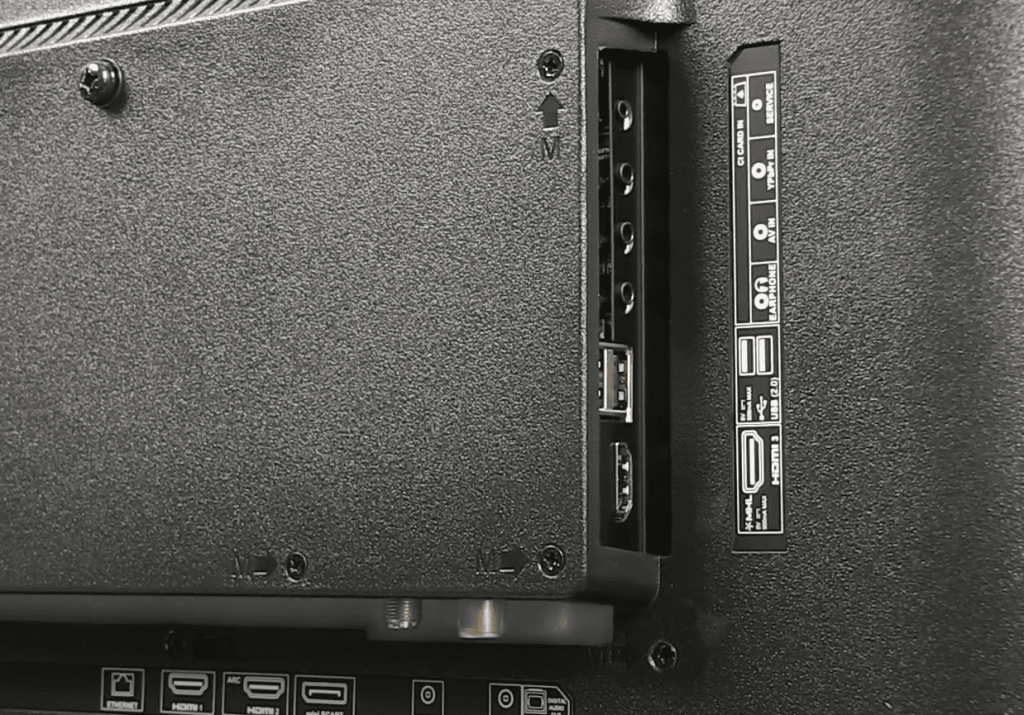
These entertainment hubs run on a Linux-based system with SmartLink integration. Voice commands control compatible devices through a single interface. Three HDMI ports and DVI-I inputs handle 4K gaming consoles and vintage DVD players alike.
- CableCARD slots replace bulky cable boxes
- Built-in WiFi supports 5GHz networks
- THX-certified audio/video calibration
Pricing Trends, Size Options, and Consumer Value
Post-2019 models show improved cost efficiency. A 32-inch widescreen now costs $1,200 less than its 2012 counterpart. Recent 65-inch options deliver cinematic immersion at mid-range prices, proving premium features don’t require luxury budgets.
Buyers should verify manufacturing dates when shopping used units. Models produced between 2015-2018 may differ in component quality due to third-party partnerships. Always check serial numbers against the manufacturer’s database.
Conclusion
For over a century, one brand has shaped how home audiences experience entertainment. The journey from early LCD experiments to today’s smart displays proves that thoughtful innovation creates lasting value. With screens spanning cozy 13-inch units to expansive 65-inch panels, there’s a perfect fit for every living space.
Recent developments reinforce this legacy. Since reclaiming U.S. operations in 2019, the company ensures strict quality control across its product line. Shoppers now access reliable tech with features like advanced color systems and voice-enabled controls.
Understanding different series helps consumers match specs to their needs. A compact bedroom unit might prioritize energy efficiency, while larger home theater options focus on immersive sound. This flexibility keeps the brand competitive in a crowded global market.
What truly stands out? Consistent delivery of user-friendly upgrades that matter. From Quattron’s vibrant hues to durable builds, these models balance performance with practicality. For those seeking trusted electronics with proven staying power, this century-old innovator remains a top contender.