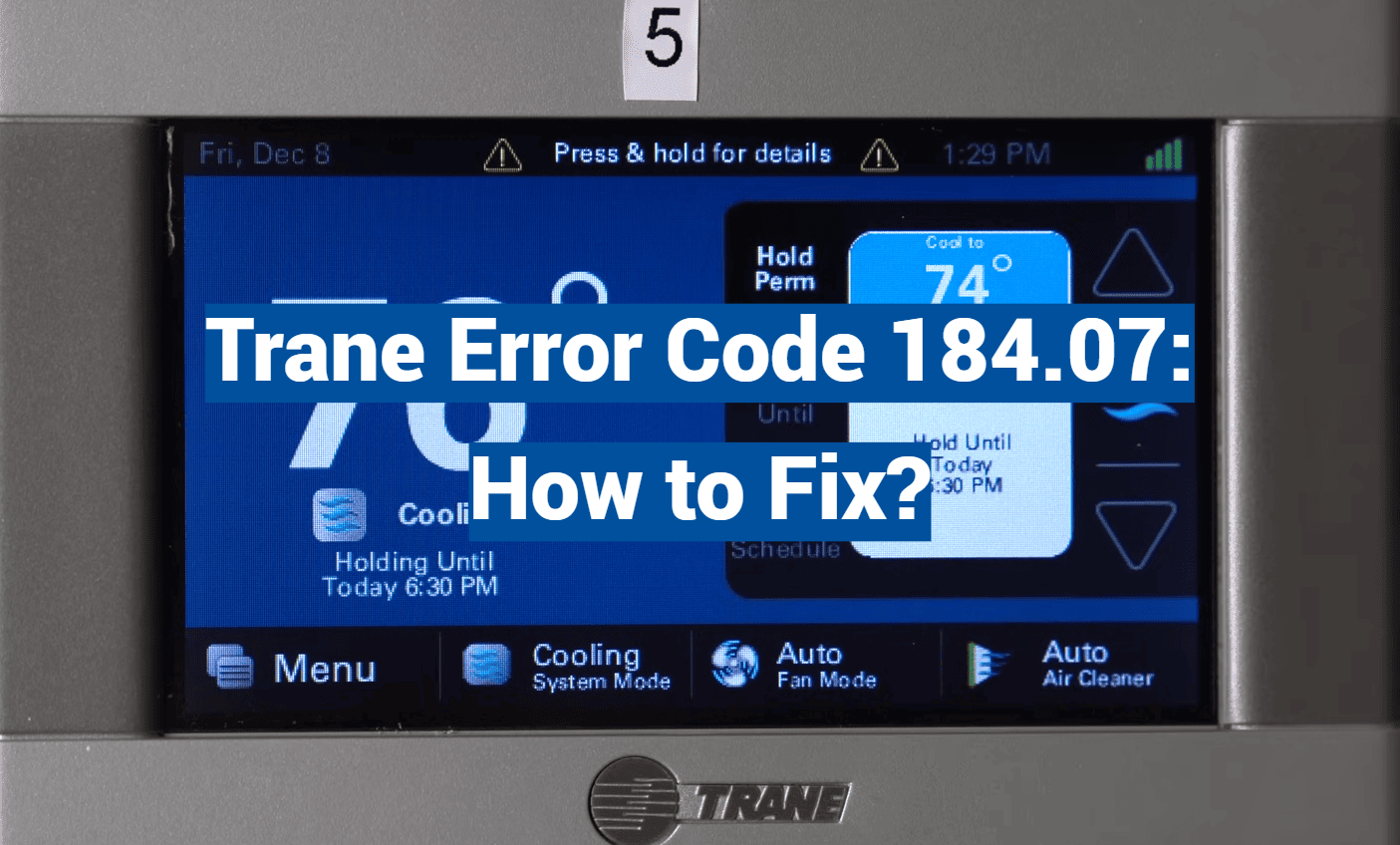
Did you know that nearly 30% of HVAC service calls involve diagnostic messages that homeowners can often resolve themselves? That flashing number on your thermostat doesn’t always mean a major repair bill is coming.
When your climate control equipment displays the 184.07 message, it’s signaling a heating or cooling problem. This particular diagnostic alert can appear for several reasons, including dirty components or sensor issues. While it might seem alarming at first, many homeowners find they can address this situation with some basic troubleshooting.
Understanding what your equipment is telling you is the first step toward an efficient solution. This comprehensive guide will walk you through everything from simple DIY fixes to recognizing when professional help might be necessary.
We’ll cover the common causes behind this diagnostic message and provide clear, step-by-step instructions. You’ll learn how to safely reset your system and when to call in a licensed technician. Our goal is to make technical HVAC information accessible to everyone.
Key Takeaways
- This diagnostic message indicates a heating or cooling system issue that often has simple solutions
- Common causes include dirty components, sensor problems, or airflow restrictions
- Many homeowners can resolve this situation with basic troubleshooting steps
- Understanding diagnostic messages can save time and money on service calls
- This guide covers both DIY approaches and when to seek professional assistance
- Safety should always be your first priority when working with HVAC equipment
- Regular maintenance can help prevent many common diagnostic alerts
Understanding Trane Error Codes
Think of the numbers that pop up on your thermostat not as problems, but as helpful messages from your HVAC system. Your Trane thermostat is equipped with advanced safety features that continuously monitor its performance.
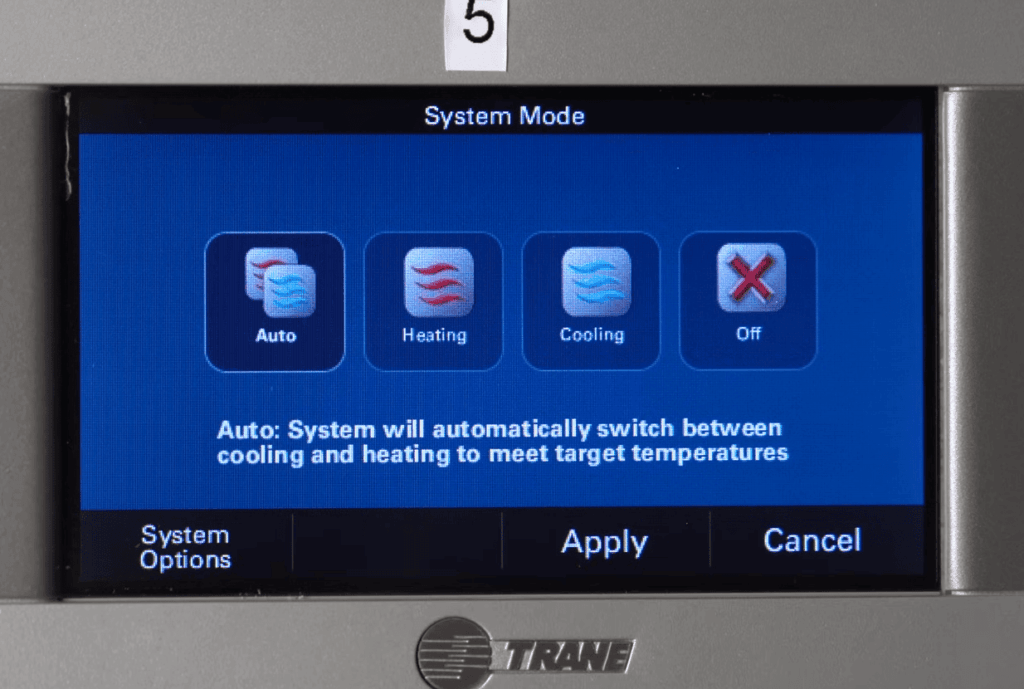
These diagnostic codes are your equipment’s way of communicating. They may appear in the corner of the display or alternate with the time. Most are two or three digits, sometimes with an “E” prefix to indicate an error.
Overview of Trane’s Diagnostic System
The technology behind these alerts is quite smart. It constantly checks sensors, pressure switches, and temperature readings. This monitoring helps the system spot small irregularities before they become big headaches.
Understanding these error codes gives you a significant advantage. You can take quick, appropriate action. This might be a simple reset or knowing when to call for professional HVAC assistance.
How Error Codes Signal HVAC Issues
Essentially, these alerts serve as an early warning system. They flag potential issues ranging from minor sensor glitches to more serious concerns. This early detection can prevent costly repairs and keep your home comfortable.
What Does Trane Error Code 184.07 Indicate?
This particular alert on your HVAC display points directly to difficulties your system is experiencing with heating and cooling functions. When this message appears, your equipment is essentially telling you it cannot maintain proper temperature control.
Heating and Cooling System Challenges
The trane error code 184.07 specifically indicates performance struggles within your climate control setup. Your furnace may take longer to reach desired temperatures or fail to produce adequate warmth consistently.
This problem often stems from maintenance-related issues rather than sudden equipment failure. Dirty components and sensor malfunctions are common culprits behind this diagnostic message.
| Common Cause | Effect on Heating | Effect on Cooling |
|---|---|---|
| Dirty Heating Coils | Reduced warmth output | N/A |
| Faulty Flow Sensors | Inconsistent temperature | Poor cooling efficiency |
| Clogged Blower Motor | Weak airflow | Limited cooling distribution |
Ignoring this error code can lead to decreased efficiency and higher energy bills. The underlying issue typically worsens over time if not addressed properly.
While a simple reset might temporarily clear the message, understanding the root cause is essential for lasting solutions. This prepares you for the troubleshooting steps we’ll cover next.
Common Causes Behind Trane Error Code 184.07
The journey to resolving HVAC diagnostic alerts usually begins with identifying everyday maintenance challenges that affect system performance. Most heating and cooling issues stem from routine care that homeowners can often manage themselves.
Dirty Air Filters and Clogged Coils
A dirty air filter ranks as the most frequent problem behind many system messages. When airflow becomes restricted, your equipment struggles to maintain proper temperature control. This simple issue can trigger a cascade of performance challenges.
Clogged heating and cooling coil surfaces present another common scenario. Dust, dirt, and outdoor debris accumulate on these critical components. Proper heat transfer becomes impossible when coil fins are blocked by buildup.
Faulty Sensors and Power Cycles
Flow sensors monitor your system’s operation continuously. When these sensors malfunction or get dirty, they cannot accurately detect proper airflow. This creates a communication gap between components.
Inconsistent power supply or improper cycling can also contribute to system messages. The equipment may struggle to complete its normal startup sequence. Regular maintenance helps prevent these causes from developing into larger problems.
Step-by-Step Troubleshooting for trane error code 184.07
Let’s roll up our sleeves and tackle this diagnostic message with some practical troubleshooting steps. Many homeowners find they can resolve this situation by following a logical sequence of checks and adjustments.
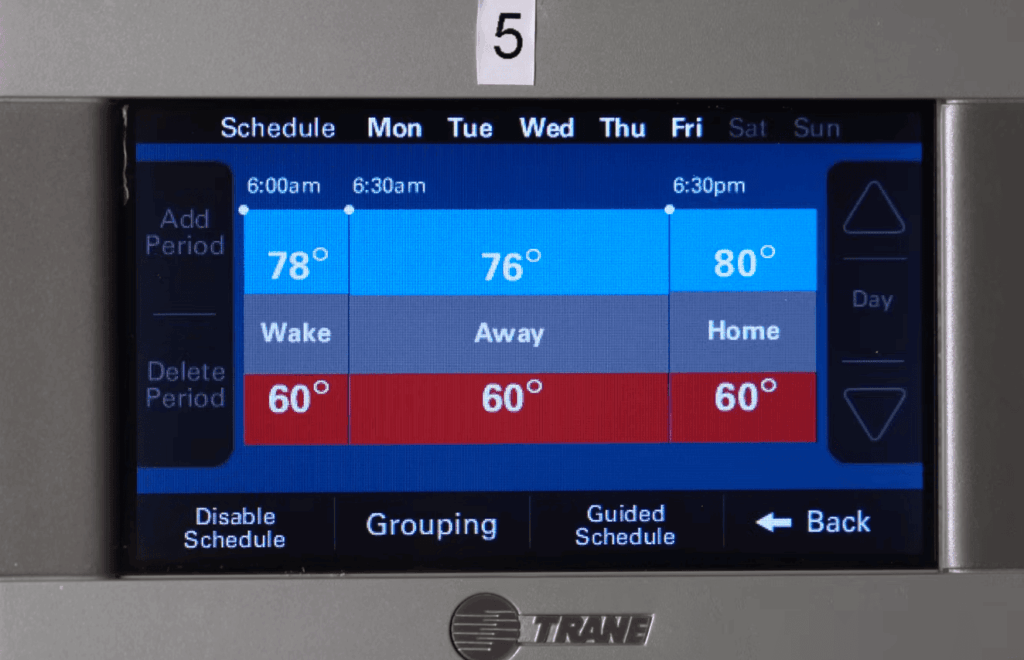
Starting with the simplest solutions first often yields quick results. This approach saves time and helps identify whether professional assistance might be needed.
Initial System Reset and Power Cycling
A complete power cycle serves as your first troubleshooting step. Locate the circuit breakers for both your outdoor and indoor unit.
Turn both breakers to the off position. Wait approximately sixty seconds before restoring power. This brief waiting period allows the system to fully reset.
This simple process often clears temporary glitches. It gives your equipment a fresh start.
Checking Thermostat Settings and Temperature Adjustments
After resetting, verify your thermostat configuration. Ensure it’s set to the correct mode—either heating or cooling.
Adjust the target temperature by 2-4 degrees. This change helps the compressor reactivate properly. Your thermostat should respond to this new setting within minutes.
Monitor the system for several minutes after these adjustments. Look for normal operation signs like consistent airflow.
If the diagnostic message reappears, further investigation into components like sensors and coils becomes necessary. These visual checks help pinpoint underlying issues.
Home Remedies and When to Call a Professional
Knowing when to handle HVAC issues yourself versus calling for help can save you both time and money. Many heating and cooling problems have simple solutions you can tackle at home.
Basic maintenance often resolves common system messages. Understanding your comfort system’s needs helps you make smart decisions.
DIY Fixes: Cleaning, Resetting, and Inspecting Components
Homeowners can safely perform several maintenance tasks. Regular cleaning of accessible components prevents many common issues.
Simple resets and visual inspections often solve the problem. Replace air filters every 1-3 months for optimal performance.
Check coils and sensors for dirt buildup. Gentle cleaning with a soft brush can restore proper function.
Identifying Severe Issues Requiring HVAC Professional Help
Some cases require expert attention. Persistent system messages after multiple reset attempts signal deeper problems.
Electrical issues and refrigerant handling demand licensed technician expertise. Attempting complex repairs can cause additional damage.
| Situation | Home Solution | Professional Required |
|---|---|---|
| Dirty air filter | Replace filter | No |
| Sensor cleaning needed | Gentle cleaning | No |
| Electrical problems | Not recommended | Yes – call professional |
| Refrigerant issues | Never attempt | Yes – HVAC professional |
When in doubt, contact a qualified technician. Proper diagnosis by an HVAC professional prevents costly mistakes.
Licensed experts handle complex cases safely. They ensure your home comfort system operates efficiently for years.
Exploring Related Trane Error Codes and System Responses
When your equipment displays related codes, it’s telling a more complete story about what’s happening internally. Understanding these patterns helps you recognize when issues are minor versus when they require immediate professional attention.
Comparisons with Error Codes 184.08 and 184.04
The 184.08 message represents a serious hard lockout situation. This occurs when your compressor experiences significant problems like overheating or failure.
You might hear a whistling sound indicating gas leaks. This error code often signals low refrigerant levels or restrictions in the cooling system.
The 184.04 code indicates low suction pressure protection during heating. Specific pressure thresholds trigger this response in different thermostat models.
Understanding Communication and Lockout Issues
These diagnostic codes represent your hvac system‘s protective measures. A hard lockout prevents further operation to avoid component damage.
Environmental factors like temperatures below -10°F can trigger these responses. Frosted coils or restricted airflow also contribute to pressure and communication issues.
When these codes appear, power cycling may reset the system temporarily. However, persistent messages indicate deeper problems needing professional diagnosis.
Conclusion
Armed with this knowledge, you can approach thermostat alerts with greater understanding and capability. Your home comfort system communicates through these messages to help you maintain optimal performance.
Remember the key troubleshooting steps: power cycling your equipment, checking thermostat settings, and inspecting components like air filters and sensors. Many heating and cooling issues resolve within minutes using these simple techniques.
Knowing when to handle problems yourself versus calling a professional is crucial. Regular maintenance prevents many common system messages from developing.
While you can address most situations confidently, persistent furnace or complex electrical issues require expert attention. Your trane thermostat serves as a helpful guide for maintaining comfortable indoor temperatures year-round.