Step into the world of cinema magic and you’ll be transported to a realm of larger-than-life visuals, immersive sound, and awe-inspiring storytelling. Whether you’re watching the latest blockbuster or delivering a dynamic presentation, projectors have been the go-to choice for creating an unforgettable experience. But have you ever wondered why these seemingly ordinary devices come with such a hefty price tag? Today, we delve into the enigmatic world of projectors, unveiling the hidden costs that make them so expensive. So, grab some popcorn, dim the lights, and prepare to have your mind illuminated on why projectors are worth every penny.
What is a projector and how does it work?
A projector is an optical device that projects images, videos, or presentations onto a larger surface such as a screen or wall. It works by using light to project an image from the source, which can be in the form of slides, film reels, digital files, or live video feed.

The basic principle behind projectors is the use of lenses and mirrors to reflect and magnify the image onto a larger surface. The light source, typically a high-powered lamp or LED, shines through the source material and then passes through a series of lenses and filters to focus and enhance the image before projecting it onto the surface.
Choosing A Projector
There Are Many Types Of Projectors
There are several types of projectors available in the market, each with its own set of features and capabilities. The most common types include LCD (Liquid Crystal Display), DLP (Digital Light Processing), LED (Light Emitting Diode), and Laser projectors.
- LCD projectors utilize liquid crystal panels to create an image by selectively filtering light from the lamp source. These projectors are widely recognized for their exceptional color accuracy and impressive image quality, ensuring vivid and lifelike visuals that captivate the audience.
- DLP projectors employ an array of microscopically small mirrors to precisely reflect light onto the screen, producing a digital image of remarkable clarity and sharpness. With their exceptional contrast ratios, DLP projectors deliver stunning visuals that bring every detail to life, making them a preferred choice for immersive viewing experiences.
- LED projectors harness the power of energy-efficient LED lights as their primary light source, offering not only remarkable brightness but also exceptional color reproduction. With their extended lifespan, LED projectors provide an eco-friendly solution that ensures long-lasting performance and reduced maintenance requirements.
- Laser projectors utilize advanced laser technology to generate light, resulting in a wider color gamut that faithfully reproduces vibrant hues and deep blacks. The precise control over laser light enables laser projectors to deliver incredibly sharp images with superior contrast, offering an unparalleled visual experience that truly stands out.
By understanding the unique characteristics and benefits of each projector type, you can choose the one that best suits your specific needs and preferences, ensuring an exceptional viewing experience that surpasses expectations.

The Room Where You Plan To Use Your Projector Matters
Another crucial factor to consider when choosing a projector is the environment in which it will be used. The size and ambient lighting of the room can greatly impact the performance and overall experience of the projector.
- Room Size: The size of the room plays a significant role in determining the appropriate projection distance and screen size for optimal viewing. In a larger room, with more space to accommodate viewers, a projector with a higher brightness level and longer throw distance is recommended. This ensures that the projected image remains clear and visible even from a distance. On the other hand, in a smaller room, where viewers are closer to the screen, a standard or short-throw projector would suffice, providing an immersive viewing experience without compromising on image quality.
- Ambient Lighting: The amount of ambient light in the room can greatly impact the brightness and clarity of the projected image. In a brightly lit room, where natural or artificial light sources are abundant, a projector with higher brightness is preferable to compensate for the light and maintain image visibility. Additionally, a projector with enhanced color accuracy ensures that the projected image remains vibrant and true-to-life. Conversely, in a dimly lit room, where the amount of ambient light is minimal, a projector with higher contrast and color accuracy can deliver deeper blacks and richer colors, enhancing the overall viewing experience.
Considering both room size and ambient lighting conditions helps in selecting the right projector that aligns with your specific viewing requirements, ensuring an immersive and visually pleasing experience.
Other Investments You Might Make To Go Along With Your Projector
Apart from the projector itself, there are various other accessories and investments that may be necessary to enhance your viewing experience. These include:
- Projection Screens: While it is possible to project onto any flat white surface, a dedicated projection screen can greatly enhance the image quality and brightness of the projected visuals. These screens are specifically designed for use with projectors, featuring highly reflective materials that optimize image sharpness, contrast, and color accuracy. With a wider viewing angle and superior light diffusion, a high-quality projection screen ensures a more immersive and captivating viewing experience.
- Audio Systems: For a complete cinematic experience, investing in a well-designed audio system is essential. This includes not only external speakers but also a range of audio components that work together to deliver rich, balanced, and lifelike sound. From multi-channel surround sound systems with dedicated subwoofers to advanced audio processing technologies, such as Dolby Atmos, a high-performance audio system brings movies, music, and games to life with remarkable clarity, depth, and detail.
- Mounts and Stands: To ensure the projector is perfectly positioned for optimal viewing, mounts or stands provide the necessary stability and adjustability. These accessories offer flexibility in terms of installation options, allowing you to easily position and align the projector to achieve the desired projection angle, height, and distance. Whether it’s a ceiling mount for a dedicated home theater or a portable tripod stand for on-the-go presentations, the right mounting solution ensures hassle-free setup and precise projection placement.
- Cables and Adapters: Depending on the specific requirements of your projector and input sources, additional cables or adapters may be necessary to establish seamless connectivity. These accessories facilitate the connection of various devices, such as laptops, DVD players, gaming consoles, and streaming devices, to the projector. From HDMI and VGA cables to DisplayPort adapters and wireless connectivity options, having the right cables and adapters ensures compatibility and reliable signal transmission, avoiding any connectivity issues or limitations.
- Maintenance and Replacement Parts: To ensure the long-term performance and longevity of your projector, investing in regular maintenance and replacement parts is essential. This includes using specialized cleaning supplies to keep the lens and surfaces free from dust and smudges, replacing bulbs or filters when they reach the end of their lifespan, and addressing any technical issues promptly with the help of authorized service centers or qualified technicians. By following proper maintenance practices and having access to genuine replacement parts, you can maximize the lifespan and optimize the performance of your projector, keeping it in excellent condition for years to come.
By considering these additional investments, you can further enhance your viewing experience and ensure the longevity of your projector for years to come. Additionally, proper maintenance and care can also help in avoiding any unexpected costs or downtime due to equipment failure.

8 Reasons Why Projectors are Expensive than TVs
Costlier Display Technology
One of the primary reasons why projectors are more expensive than TVs is the display technology used in projectors. Unlike TVs, which use LCD or OLED panels for displaying images, projectors rely on advanced technologies such as DLP (Digital Light Processing) or LCoS (Liquid Crystal on Silicon). These display technologies offer superior image quality and color accuracy, but they come at a higher cost, resulting in a more expensive price tag for projectors.
Cooling Technology
Due to the high-intensity light sources used in projectors, such as lamps or LEDs, they generate a significant amount of heat. This heat can potentially affect the performance and lifespan of the projector if not properly managed. To prevent overheating and ensure optimal performance, projectors require advanced cooling technologies, such as fans and heat sinks. These components effectively dissipate the heat generated by the light source, maintaining a safe operating temperature for the projector. However, it’s worth noting that the inclusion of these cooling technologies adds to the overall cost of a projector.
Brightness Requirements
As it was discussed earlier, the presence of ambient lighting has a significant impact on the quality of projected images. To ensure optimal viewing experiences in various lighting conditions, projectors require a higher brightness output compared to TVs. Achieving this higher brightness output necessitates the use of more powerful and expensive light sources, which can contribute to the overall cost of projectors. Therefore, it becomes crucial for users to consider these factors when deciding between projectors and TVs for their specific needs and preferences.
Optical Components
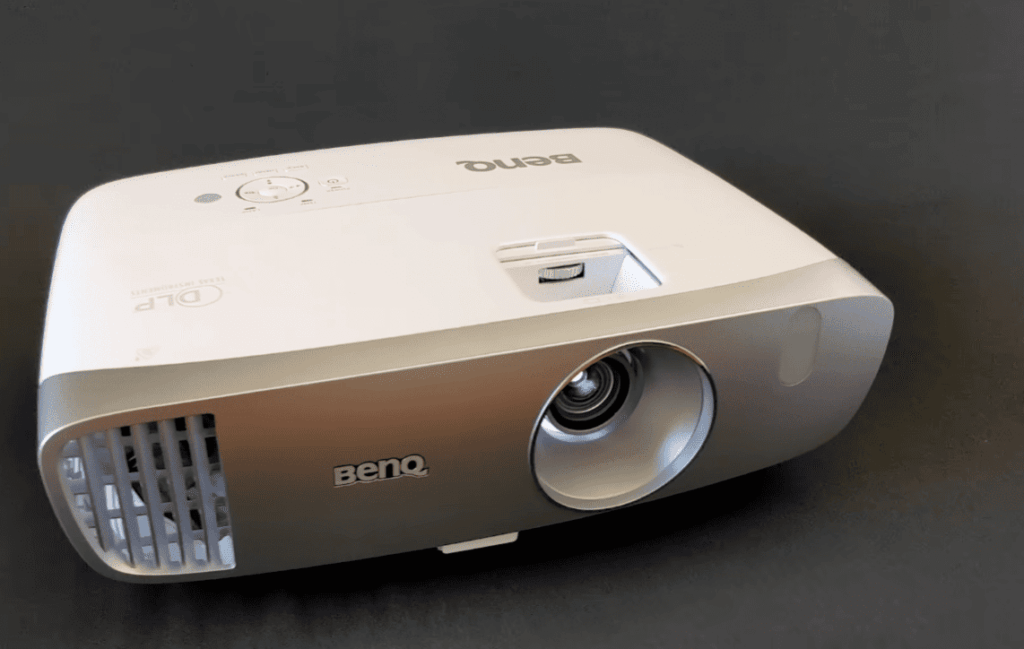
Projectors, with their remarkable capabilities, employ a sophisticated system of intricate optical components. These components, consisting of meticulously engineered lenses and mirrors, work in harmony to precisely focus and reflect light onto the projection surface, ensuring unparalleled image clarity and sharpness. Each component is crafted with utmost precision, guaranteeing high quality and delivering an immersive visual experience. However, such advanced technology and meticulous craftsmanship, although contributing to the remarkable performance, do result in a higher price point for projectors.
Portability
Many projectors are ingeniously designed to be highly portable and compact, making them effortlessly portable for presentations or cozy movie nights on the go. Their compactness allows for easy transportation, ensuring convenience and flexibility in various settings. However, achieving this desirable portability necessitates the utilization of specialized engineering and carefully selected materials to strike the perfect balance between lightweight construction and durability, guaranteeing a reliable and long-lasting design.
Furthermore, these projectors boast advanced features such as adjustable brightness and resolution to provide optimal image quality in any environment. With their built-in connectivity options, they can effortlessly connect to various devices, allowing seamless streaming of content from smartphones, tablets, or laptops. Additionally, some projectors even offer built-in speakers, eliminating the need for external audio equipment.
The compact size of these projectors also makes them ideal for travelers, as they can easily fit into a backpack or carry-on luggage. Whether it’s for business presentations or enjoying a movie under the stars while camping, these portable projectors offer convenience and entertainment wherever you go.
Image Size Capabilities
One of the major advantages of projectors over TVs is their ability to produce much larger images, immersing viewers in a truly cinematic experience. This remarkable capability is made possible through the use of advanced projection technology, which meticulously magnifies a small image onto a large surface without compromising on quality.
This intricate engineering and precise calibration ensure that every detail is vividly displayed, capturing even the subtlest nuances. However, it is worth noting that due to the complexity of these cutting-edge technologies, projectors may come with a higher price tag. Nonetheless, the unparalleled visual impact they offer makes them a worthwhile investment for those seeking an extraordinary viewing experience.
High-Quality Speakers
To deliver an immersive audio-visual experience, projectors often come equipped with high-quality built-in speakers. These speakers are specifically designed to produce crystal-clear and powerful sound that perfectly complements the stunning visuals projected onto the surface. Whether it’s the booming sound of an action-packed movie or the subtle nuances of a musical performance, these advanced sound systems ensure that every audio detail is faithfully reproduced.
However, incorporating such cutting-edge sound technology into projectors can also contribute to their overall cost, as the engineering and manufacturing processes involved in creating these audio components require meticulous attention to detail and precision. Nonetheless, the enhanced audio capabilities offered by projectors with built-in speakers make them a worthwhile investment for those seeking a truly captivating audio-visual experience.
Lower Demand and Production Volume
The demand for projectors has seen a significant decline in recent years when compared to the popularity of TVs. This decrease in demand has resulted in a comparatively smaller production volume for projectors. With fewer units being produced, manufacturers face the challenge of distributing their fixed costs across a smaller number of units, ultimately leading to a higher cost per unit.
Furthermore, the limited demand for projectors also has implications for companies when it comes to negotiating with suppliers. Due to the lower demand, companies may not have the leverage to secure bulk discounts or price reductions with suppliers of the components used in projectors. This factor further contributes to the higher cost associated with projectors.
Mechanical & Digital features
Projectors also come with various mechanical and digital features, such as remote controls, zoom lenses, keystone correction, and advanced connectivity options. Adding these features to projectors not only enhances their functionality but also increases their production cost. However, these useful features offer convenience and flexibility in usage, making them a valuable addition for users.
By understanding the reasons behind the higher cost of projectors, consumers can make informed decisions when considering purchasing a projector or a TV. Despite their higher price tag, projectors offer many advantages over TVs, making them a worthwhile investment for those seeking an exceptional viewing experience. From advanced display technology to high-quality sound and portability, the extra cost of projectors is justified by the unparalleled visual and auditory impact they deliver.

FAQ
Are projectors worth it?
While projectors may have a higher upfront cost compared to TVs, they offer a multitude of advantages that make them a compelling choice for those seeking a truly exceptional viewing experience. One of the key benefits of projectors is their ability to provide larger image size capabilities, allowing you to enjoy a cinematic-like experience in the comfort of your own home. Additionally, projectors are highly portable, giving you the flexibility to set up your entertainment system wherever you desire.
Moreover, projectors often come equipped with high-quality built-in speakers, ensuring that you not only get stunning visuals but also immersive audio. This combination creates a truly immersive experience that cannot be replicated by TVs alone. So, if you’re looking to elevate your home entertainment setup to new heights, investing in a projector is definitely worth considering.
What are the drawbacks of projectors?
One of the main drawbacks of projectors is their higher cost compared to TVs. This is due to the complex technology and components required to project images onto a screen. Additionally, projectors often require proper setup and calibration to achieve optimal image quality, which may be challenging for some users who are not familiar with the technical aspects.
It is important to consider the lighting conditions in the viewing environment as projectors may not perform well in brightly lit areas, resulting in washed-out or dim images. Moreover, projectors generally have a shorter lifespan than TVs due to the continuous use of bulbs or lamps, which may require replacement over time. Despite these drawbacks, projectors can still offer a unique and immersive viewing experience, especially in dark or controlled lighting environments.
Can I use a projector as a TV replacement?
While projectors can display images and videos, they may not necessarily be a direct replacement for TVs. Projectors have specific requirements in terms of lighting and viewing distance, which may not suit all users’ needs. Additionally, projectors do not come with built-in TV tuners, meaning you will need an external tuner or streaming device to access live television channels. However, projectors can serve as a great alternative to traditional TVs, offering a larger screen size and a more immersive viewing experience. Ultimately, it depends on the individual’s preferences and requirements when deciding between a projector or TV as their primary entertainment display.
Why is the projector screen costly?
The cost of projector screens can vary based on factors such as the material used, size, and type of screen. High-quality projection screens are designed to reflect light evenly and provide a flat surface for optimal image quality. The manufacturing process for these specialized materials requires precision and attention to detail, ultimately contributing to the higher cost.
Moreover, some projector screens come with additional features such as motorized or manual operation, remote controls, and adjustable aspect ratios, which also add to the cost. However, investing in a good quality projector screen can greatly enhance your viewing experience and ensure that you get the most out of your projector’s capabilities.
Are 4K projectors as good as 4K TV?
4K projectors and 4K TVs have different technologies and functionalities, making it difficult to compare them directly. While both can display images in 4K resolution, projectors often offer a larger screen size capability, providing a more immersive viewing experience. However, TVs may have better overall image quality due to their ability to produce brighter and sharper images compared to projectors. Ultimately, it comes down to personal preference and the intended use of the display when deciding between a 4K projector or TV.
Conclusion Paragraph
Projectors may have a higher cost compared to TVs, but they offer many advantages that make them a valuable investment for home entertainment systems. From larger screen sizes and portability to advanced features and immersive audio, projectors offer a unique and unparalleled viewing experience. Understanding the reasons behind their higher cost can help consumers make informed decisions when considering purchasing a projector or TV for their home. Ultimately, it comes down to personal preferences and requirements when deciding between these two display options. So, weigh your options carefully and invest in the one that best fits your needs and budget for an ultimate entertainment experience at home.