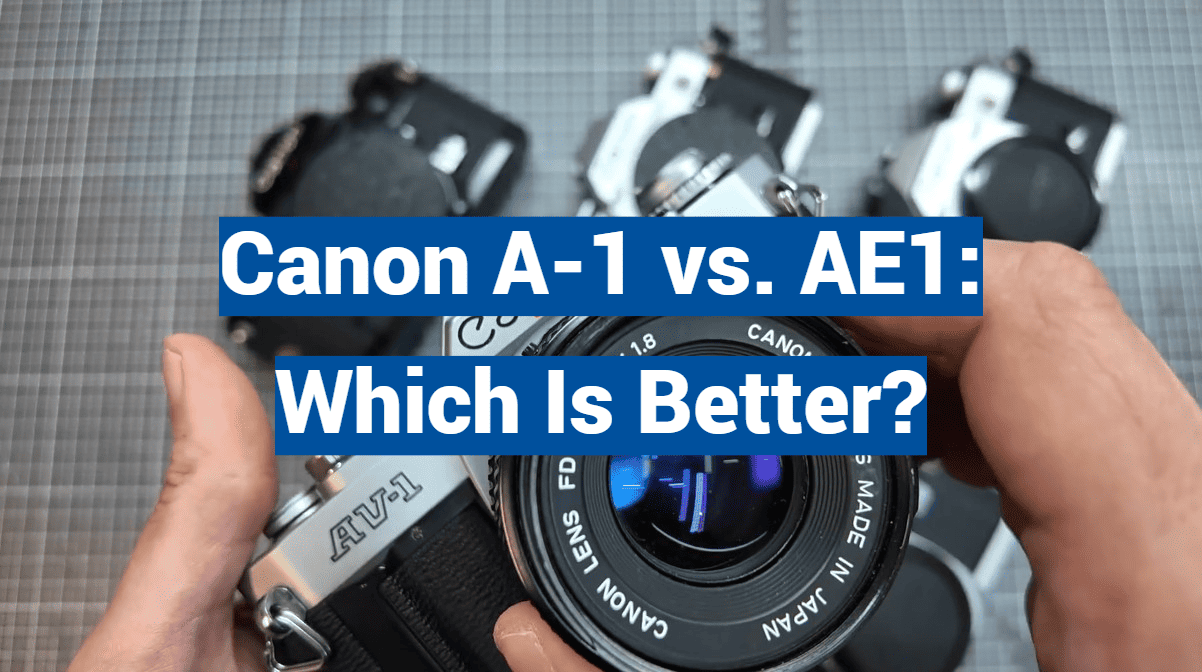
Are you a photography enthusiast on the hunt for the perfect camera to capture those beautiful moments in life? Look no further, as we dive into a detailed comparison between two popular Canon models: the A-1 and the AE1. This article will explore their features, capabilities, and unique characteristics to help you make an informed decision and choose the right camera that suits your photography style and needs. So, grab your lenses and buckle up for an exciting journey through the Canon A-1 vs. AE1 showdown!
Canon A-1 Review
One of the most iconic film cameras ever created, the Canon A-1 is a 35mm SLR released by Canon in 1978. It was among the first “program” cameras, with auto exposure and autofocus.
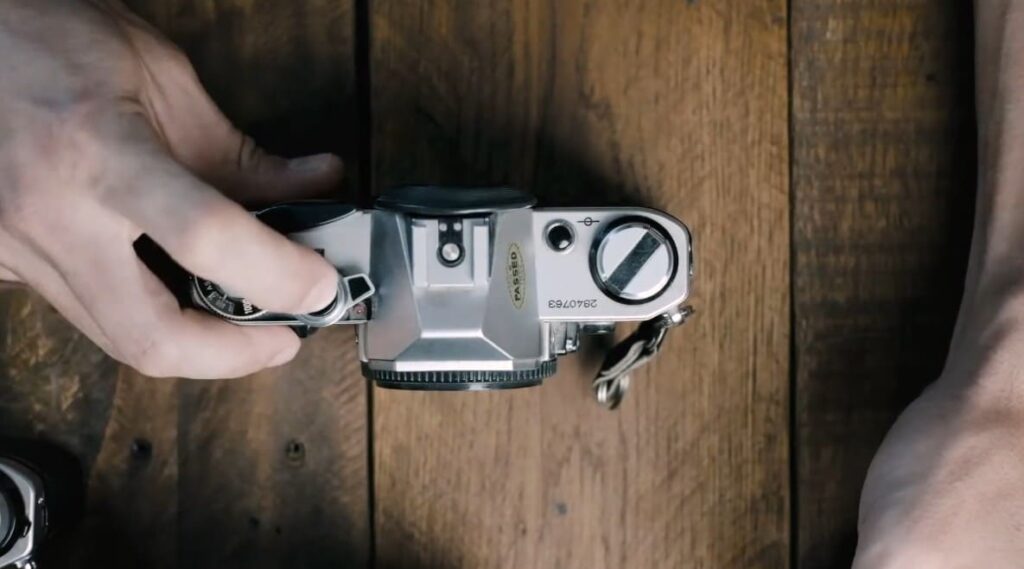
The A-1 came in two body colors — black or chrome — and had impressive features for its time, such as shutter speeds up to 1/1000th of a second and flash synchronization up to 1/125th of a second. It also could use AE lock, exposure compensation, and depth-of-field preview.
The A-1 was extremely well built for its time, with a solid metal body and robust construction. The controls were intuitively laid out and easy to access. The viewfinder was bright and clear, making it easy to compose shots quickly.
The A-1 could be used with a variety of accessories, including interchangeable focusing screens, motor drives, power winders, and macro lenses. It was also compatible with many of Canon’s other lenses from the FD line, such as the iconic 50mm f/1.8.
The Canon A-1 is ideal for film photographers looking to combine the convenience of a modern SLR with the classic look and feel of older cameras. It’s an excellent choice for street photography, portraiture, and travel photography due to its relatively lightweight size and robust features. And thanks to its compatibility with FD lenses, it offers great value for the budget-conscious shooter. It may not be as feature-packed as modern DSLRs, but it remains a beloved classic among film photographers and is sure to provide years of enjoyment. Plus, with its extensive system of accessories and lenses, the Canon A-1 can be easily customized to fit your specific shooting needs.
Whether you’re a budding film photographer or an experienced pro, the Canon A-1 is sure to be a great addition to your kit. With its classic design and robust features, it’s an ideal choice for capturing stunning images on film. Whether you’re shooting in black and white or color, the A-1 will help bring your vision to life with ease. Plus, its compatibility with FD lenses makes it a great option for budget-conscious shooters. So if you’re looking to capture timeless images on film, the Canon A-1 is an excellent choice.
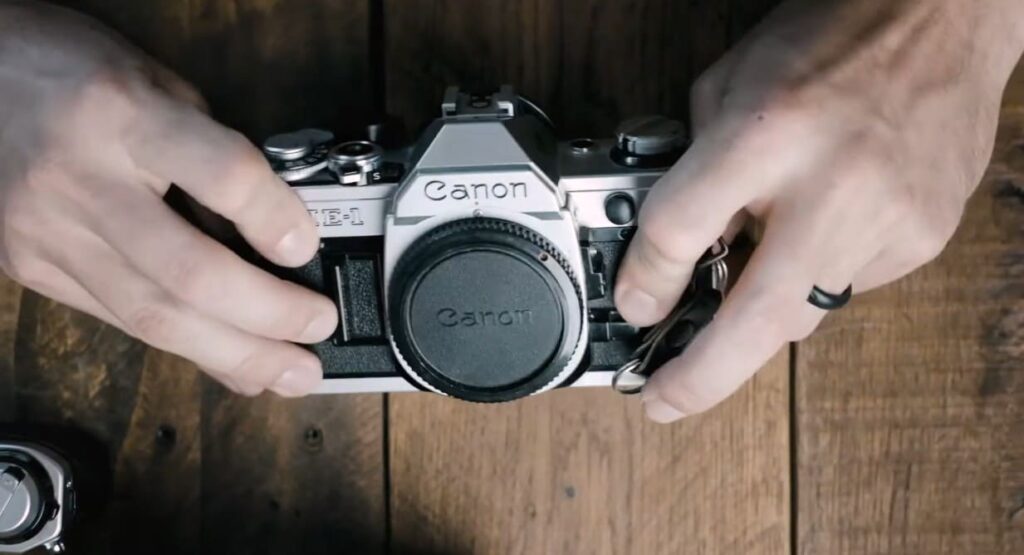
The Canon AE-1: Everything You Need To Know
The Canon AE-1 is an iconic 35mm film camera that was introduced in 1976 and quickly became a favorite among amateur and professional photographers alike. It’s renowned for its versatility, durability, and ease of use. The AE-1 utilizes the popular M42 lens mount system which allows you to attach any number of lenses from various manufacturers including Pentax, Zenit, and Voigtlander. This provides a huge range of options for creative photography.
The Canon AE-1 has a simple, straightforward design that makes it easy to use and familiarize oneself with. Its shutter speeds range from 1 second to 1/1000th of a second, making it suitable for low-light environments as well as fast-paced action shots. It also features a split-image rangefinder which makes it easy to accurately focus the camera.
The Canon AE-1 has received praise for its versatility and durability. It’s capable of capturing beautiful black-and-white photographs as well as vibrant color shots. Many photographers have praised its robust build quality, noting that it can withstand years of frequent use without any major issues. Furthermore, its autofocus system is still considered one of the best in its class.
In addition to all this, the Canon AE-1 is relatively affordable compared to other 35mm film cameras. This makes it an excellent choice for those wanting to experiment with film photography without spending a fortune. Furthermore, many online stores sell refurbished models at discounted prices, which can be a great way to get started with the AE-1.
All in all, the Canon AE-1 is an excellent choice for anyone looking to explore the world of film photography. Its durability, versatility, and affordability make it one of the most popular cameras ever released. It’s well worth considering if you’re in the market for a reliable 35mm camera that won’t break the bank. So if you’re ready to step into the world of film photography, why not try out a Canon AE-1? You won’t be disappointed.
As with any camera, it’s important to keep in mind that the best results come from careful preparation and practice. Familiarizing yourself with your chosen lens and settings can help you achieve the exact look you’re after. Experimenting with various films and developing techniques can also help create unique, one-of-a-kind shots. Whether you’re a beginner or a seasoned professional, the Canon AE-1 is an excellent choice for capturing stunning images.
And finally, when it comes to finding lenses for your AE-1, you have plenty of options. Popular brands such as Pentax, Zenit, and Voigtlander offer a wide range of lenses to choose from. Additionally, some third-party manufacturers are producing compatible lenses at lower prices. With these options in mind, you’ll be sure to find the perfect lens for your AE-1!
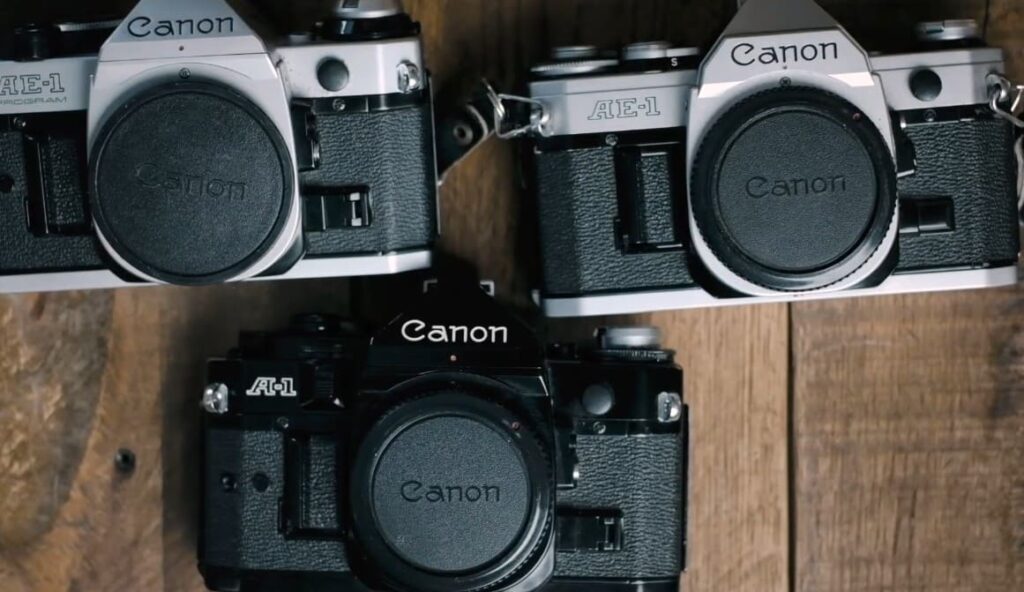
How Does The AE-1 Compare To The A1?
Price
The AE-1, priced at around $800, is a more affordable option compared to the A1, which carries a price tag of $1200. While the AE-1 offers great value with its reliable performance and solid build quality, it’s important to note that the A1 is not to be overlooked.
For professional photographers or serious enthusiasts who demand top-notch features and exceptional craftsmanship, investing a bit more in the A1 could prove worthwhile in the long run. The A1’s advanced capabilities, such as its high-resolution sensor and advanced autofocus system, combined with its superior build quality, make it a compelling choice for those who prioritize uncompromising performance and reliability in their photography equipment.
With the A1, you can confidently capture stunning images with precise details and accurate colors, whether you’re shooting portraits, landscapes, or fast-moving subjects. Its robust construction ensures durability even in challenging environments, making it a reliable companion for any photography adventure.
Size
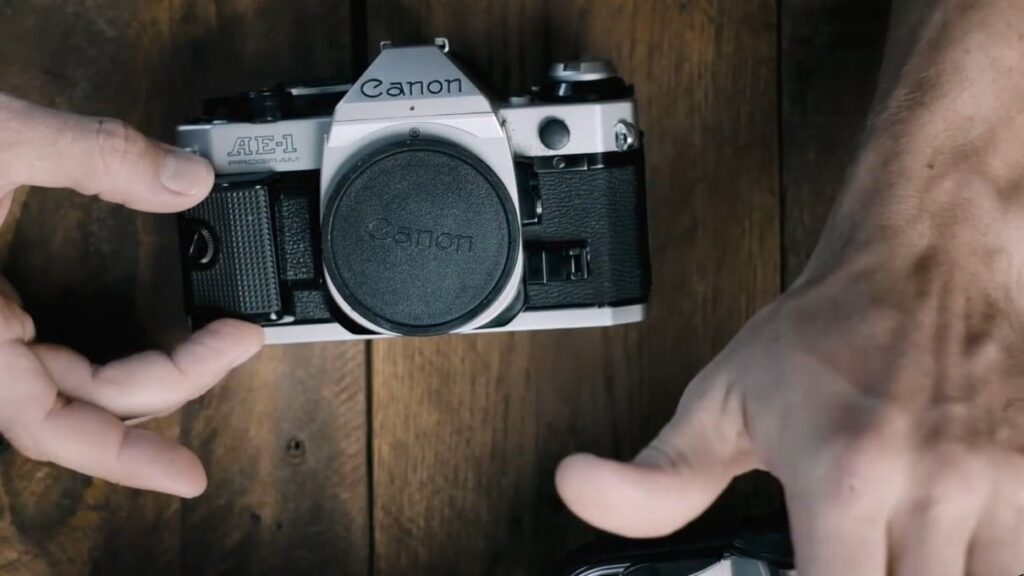
The AE-1, a classic Canon camera, is renowned for its compact size, measuring at 142 x 91 x 50mm. This petite frame allows for effortless storage in pockets or bags, ensuring that it never weighs you down during on-the-go photography sessions. Its diminutive stature makes it the perfect companion for capturing moments spontaneously, whether you’re exploring the streets of a bustling city or hiking through scenic landscapes.
In contrast, the A1, another notable Canon model, is slightly bulkier with dimensions of 166 x 89 x 55mm. While this may make it less ideal for carrying around in your pocket, it excels in studio settings or situations where a larger form factor is desired. The additional size provides a sturdier grip and a more substantial feel, which can be advantageous when you’re focusing on precise compositions or working with accessories like external flashes or battery grips. The A1’s larger body also allows for more physical controls and a spacious viewfinder, enhancing your overall shooting experience.
Speed and Autofocus
The AE-1 has a slightly faster shutter speed of 1/1000 second compared to the A1’s 1/500 second, allowing you to capture sharper images in low light or fast action situations. It also offers much-improved autofocus capabilities when compared to its predecessor. On the other hand, the A1 boasts a more sophisticated autofocus system that is both faster and more accurate than the AE-1’s. This makes it better suited for capturing fast-moving subjects or those that are far away from the camera.
Lenses
Both models, the AE-1 and the A1, offer incredible versatility when it comes to lens compatibility, ensuring that they can meet any photographic requirement. While the AE-1 is optimized for Canon FD lenses, the A1 goes a step further by accommodating a vast array of both FD and EF lenses. This expanded compatibility expands the creative possibilities for photographers, granting them even more freedom to explore and experiment with their shots. Whether it’s capturing stunning landscapes or focusing on intricate details, the A1’s broader range of lens options empowers photographers to push their boundaries and achieve truly remarkable results.
Build Quality
The AE-1 is not only a well-built camera with solid construction, but it also boasts impressive functionality. Its all-metal chassis and robust shutter mechanism ensure not only durability but also smooth operation, providing photographers with a reliable tool for capturing their creative vision. On the other hand, the A1 takes build quality to an entirely different level. Crafted from a lightweight yet sturdy magnesium alloy, this camera exudes a premium feel while maintaining exceptional strength.
Additionally, its advanced system of seals, meticulously designed to resist dust and moisture, gives photographers the confidence to shoot in even the most challenging environmental conditions without compromising performance. Whether you’re a professional photographer or an enthusiast planning to explore various shooting environments, the A1 is an ideal choice that combines durability, precision, and reliability in one remarkable camera.
Battery
The AE-1 is powered by two AA batteries, while the A1 utilizes a dedicated rechargeable battery pack. The difference between these power sources can have a significant impact on your overall experience. Having the ability to quickly change out drained batteries is great for extended shooting sessions, whereas the long-lasting performance of the A1’s rechargeable battery makes it ideal for use in remote locations or for capturing lengthy events. Depending on your needs and preferences, it’s important to consider which type of battery will best serve you before investing in a particular model.
Mount
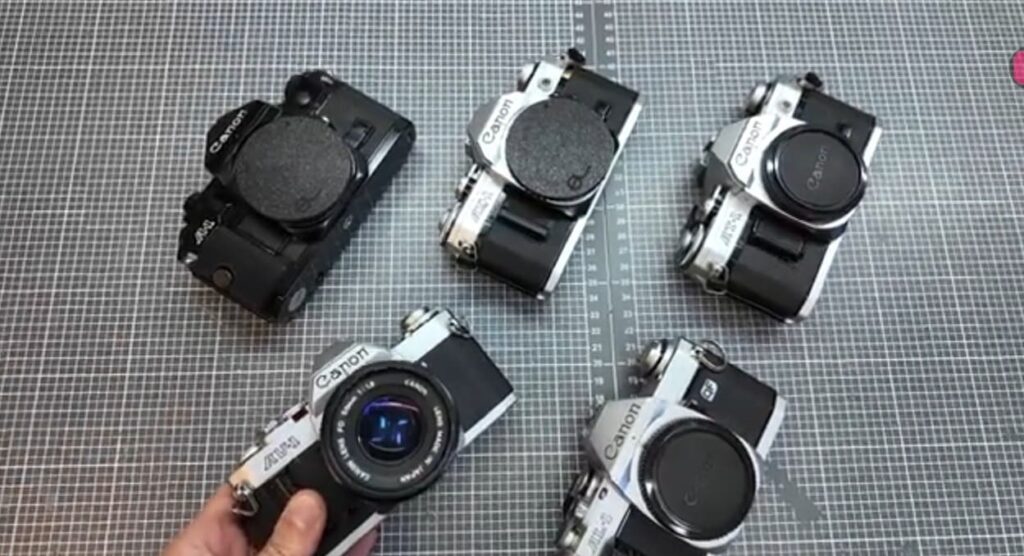
The AE-1 and A1, two popular Canon camera models, feature different mount systems. The AE-1 is equipped with a Canon FD mount, while the A1 boasts an EF mount, which offers compatibility with both FD and EF lenses. This unique advantage grants photographers increased flexibility when it comes to lens selection, enabling them to leverage the strengths of both lens types without the need for additional adapters. Consequently, for those who anticipate the regular utilization of both mounts, the A1 may prove to be the superior choice, ensuring seamless integration and optimal performance.
ISO/ASA
The Canon AE-1 boasts an impressive ISO/ASA range of 25 to 1600, providing flexibility for various lighting conditions. However, its counterpart, the Canon A1, takes versatility to another level with its extended range of 12 to 3200. This wider range proves advantageous in challenging low-light scenarios, as it enables photographers to capture sharp and detailed images without relying on a flash or compromising shutter speed. Therefore, for those frequently immersed in less-than-optimal lighting environments, the Canon A1 emerges as the preferred choice, ensuring exceptional results in every shot.
Exposure Modes
Both the AE-1 and A1, two popular camera models, provide photographers with multiple exposure modes to choose from. These modes include manual, aperture priority, and shutter priority, offering versatility and control over the final image. However, the A1 stands out with an additional semi-automatic mode, which grants photographers the freedom to shoot without the need for constant adjustments. This extra feature makes the A1 an excellent option for beginners or individuals seeking added convenience and flexibility in their photography experience.
Focusing
The AE-1 features a rather basic focusing system that relies on the photographer to manually set focus points. The A1, on the other hand, boasts an advanced electronic eye-controlled autofocus system that automatically adjusts focus based on where you direct your viewfinder. This makes it much faster and more precise than the AE-1’s manual focus mode, making it the better choice if you often find yourself shooting fast-moving subjects or need to precisely adjust focus in challenging situations.
Ease of use
Both cameras are incredibly user-friendly, but the AE-1 stands out as the perfect choice for entry-level photographers. Its intuitive menu system and control layout provide a seamless shooting experience, making it a breeze to adjust settings on the go or capture spontaneous shots. On the other hand, the A1 is a powerhouse packed with advanced features that cater to more experienced photographers. While it might require a bit more technical know-how to fully exploit its capabilities, the A1 rewards users with unparalleled creative control and endless possibilities.
Aesthetics
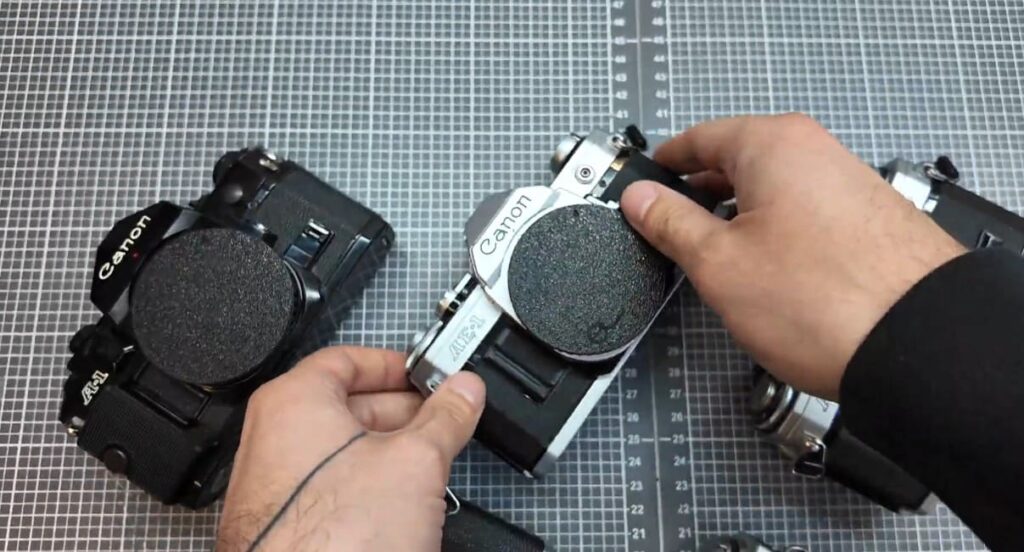
The AE-1 and A1, two legendary cameras, share an iconic design adorned with black, silver, and chrome accents. The AE-1’s sleek aesthetic is a timeless classic, capturing the essence of vintage photography. On the other hand, the A1 takes it to the next level with its larger grip and bright orange shutter release, seamlessly blending modernity with tradition. This combination bestows upon it a distinct and contemporary look, setting it apart from the crowd and making it a true standout in the world of cameras.
Canon A-1 vs. AE1: Types of photos
Portrait
The Canon A-1 and AE1 are both great cameras for taking portrait photos. They provide a wide variety of features to ensure that the user can capture beautiful images with ease. The A-1 has an array of manual exposure control options, while the AE1 offers both Program mode (where the camera will automatically adjust shutter speeds and aperture) as well as Aperture Priority mode (where the photographer can choose the aperture and shutter speed). Additionally, both cameras have a built-in flash for low-light situations.
Landscape
The Canon A-1 and AE1 are both exceptional cameras renowned for their ability to capture breathtaking landscapes. With its aperture priority feature, the A-1 empowers photographers to finely control the depth of field, resulting in stunning and impactful images. On the other hand, the AE1 boasts a wide range of shutter speeds, allowing photographers to freeze or blur motion with precision, adding an artistic touch to their compositions. Moreover, both cameras offer exposure compensation settings and metering modes that are purposefully designed to achieve optimal light balance, ensuring the finest details are captured in every shot. These remarkable features make the Canon A-1 and AE1 the perfect companions for any landscape photographer seeking to create remarkable and visually captivating imagery.
Close-up/Macro
The Canon A-1 and AE1 are undoubtedly excellent choices for close-up photography enthusiasts. These cameras not only offer a wide range of manual focus controls but also provide the opportunity to consistently capture the perfect shot. The A-1 stands out with its dedicated macro mode, enabling you to take stunning photos as close as 4 cm from your subject. On the other hand, the AE1 takes it a step further with its Super Macro mode, allowing you to get incredibly detailed pictures from just 1 cm away. Furthermore, both cameras boast remarkable auto-focus systems that consistently deliver impressive results. With these exceptional features, the Canon A-1 and AE1 are truly the go-to cameras for capturing breathtaking close-up shots.
Sports/Action
The Canon A-1 and AE1 are highly recommended cameras for sports and action photography enthusiasts. The A-1 boasts a high-speed mode that ensures capturing split-second moments with precision, while its continuous shooting mode allows for a seamless sequence of shots, all while maintaining impeccable image quality. On the other hand, the AE1 features a lightning-fast autofocus system that effortlessly tracks and captures fast-moving subjects, complemented by its versatile range of shutter speeds, which empowers photographers to freeze motion at will. With their exceptional capabilities, both cameras excel at capturing stunning images in any action-packed setting, leaving no detail unturned.
Wedding/Event
The Canon A-1 and AE1 are great cameras for wedding and event photography. The A-1 offers a wide range of manual exposure controls, allowing you to easily adjust settings on the fly for different lighting situations. The AE1 also has a wide range of shutter speeds, allowing you to freeze the action while still getting beautiful results. Both cameras offer a variety of scene modes and metering modes specifically designed for wedding and event photography, ensuring that your photos will look amazing.
Low-Light
The Canon A-1 and AE1 are highly regarded cameras known for their exceptional performance in low-light photography. These cameras are equipped with advanced features that allow photographers to capture stunning images even in the darkest of environments.
The A-1, in particular, stands out with its array of manual exposure control options. It provides photographers with the flexibility to adjust shutter speed and aperture as needed, ensuring optimal exposure and image quality in low-light conditions. With the A-1, you have full control over your shots, allowing you to unleash your creativity and capture breathtaking photos in dimly lit settings.
On the other hand, the AE1 offers a wide range of sensitivity settings, enabling photographers to increase the ISO without compromising image quality. This feature is particularly useful when shooting in challenging lighting situations, as it allows you to capture well-exposed and detailed images even in low-light conditions.
Both the Canon A-1 and AE1 are equipped with a built-in flash, providing an additional source of light when needed. This feature comes in handy in those moments when you require a little extra illumination to enhance your photos in low-light situations.
FAQ
Is Canon A-1 better than AE-1 Program?
The Canon A-1 and the AE-1 Program are both excellent cameras for amateur photographers. While the Canon A-1 offers more advanced features such as auto exposure, aperture priority and shutter priority modes, the AE-1 Program is more lightweight and less expensive. Ultimately, it depends on what your specific needs are – if you need to take professional-quality photos quickly then the Canon A-1 is probably a better choice, but if you’re just starting out and need something more affordable then the AE-1 Program may be a better fit.
What are the advantages of shooting film?
Shooting film can produce high-quality photos with unique color tones that cannot be replicated digitally. The film also allows for greater control over exposure settings and can produce an analog look that cannot be achieved with a digital camera. Additionally, shooting film requires more technical skills than digital photography, allowing photographers to learn more about their craft. Finally, film has fantastic archival properties that are not found in digital storage solutions. This means that your photos will last for decades if stored properly.
What’s the difference between the Canon A-1 and the AE-1?
The main difference between the Canon A-1 and the AE-1 is their level of automation. The Canon A-1 offers more advanced features and modes, while the AE-1 is simpler and more beginner-friendly. The A-1 also has a faster maximum shutter speed and a wider ISO range compared to the AE-1. Additionally, the A-1 has a higher build quality and is more durable, making it better suited for professional use. However, both cameras produce high-quality photos and are great options for photographers of all levels.
Conclusion
So, Canon A-1 or AE1? Whichever camera you choose, both are great options for film photographers. It ultimately comes down to personal preference and shooting style. For those who prefer a more traditional approach with manual settings and controls, the Canon A-1 may be the better choice. Its versatile features allow for complete creative control over your images. On the other hand, if automatic modes and simplicity are more important to you, the Canon AE1 may be the better option. Its compact design and easy-to-use features make it a great choice for beginners or those looking for a more effortless shooting experience. Whichever camera you choose, both the Canon A-1 and AE1 have stood the test of time and continue to be popular choices among film photographers.