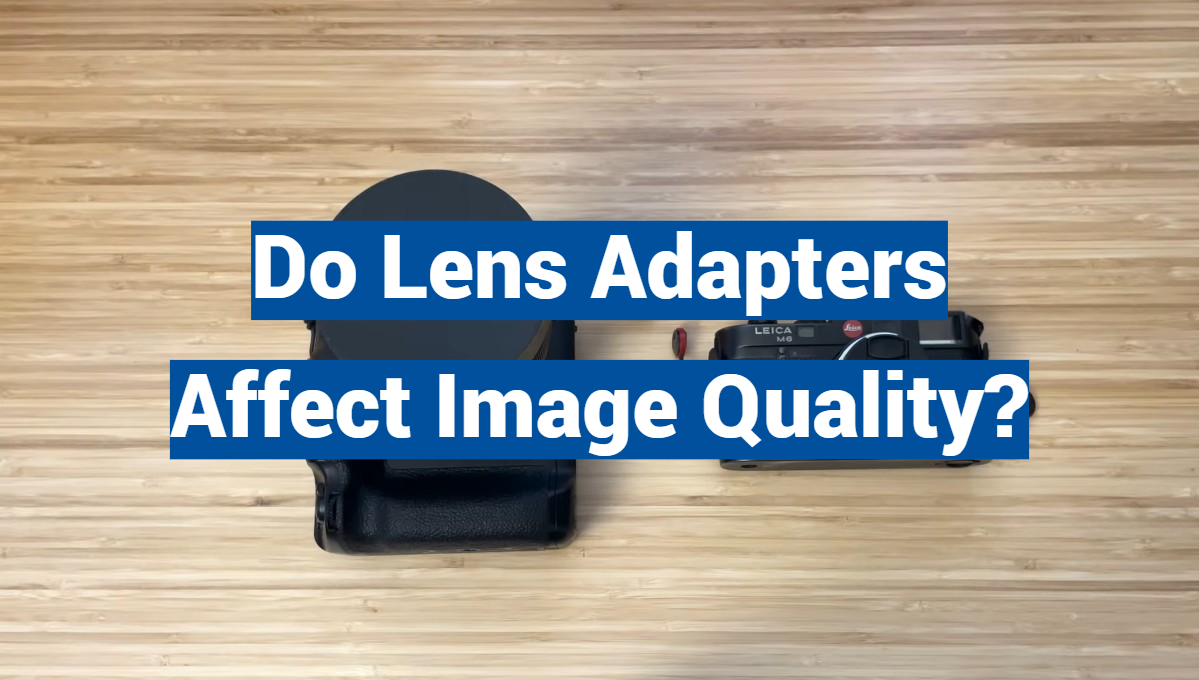
Have you ever found yourself falling head over heels for a new camera lens, only to realize that it’s not compatible with your current camera body? Fret not, for lens adapters are here to save the day! These little wonders are the unsung heroes of the photography world, bridging the gap between lens and camera. But hold on a second, you may ask, what’s the catch? Do these adapters sacrifice image quality in the process? This blog post will unravel the mysteries behind lens adapters and discover their true effect on image quality. So, grab your camera gear and join us on this illuminating journey!
What are camera lens adapters?
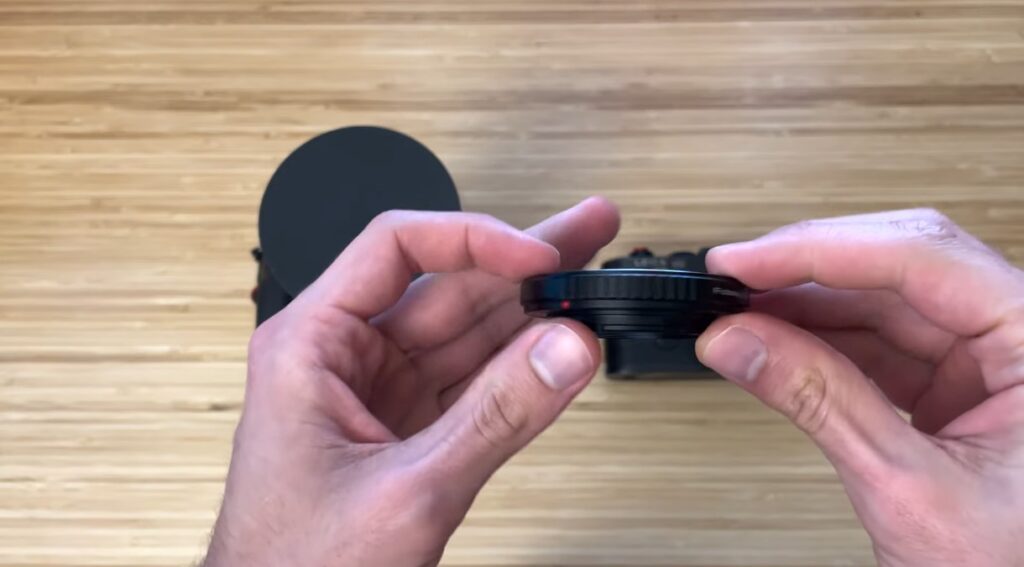
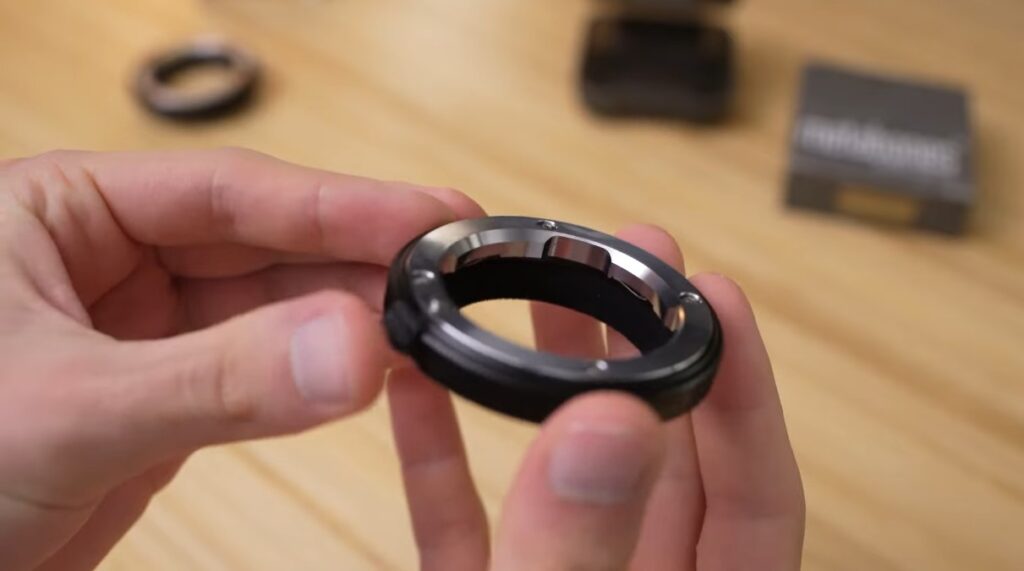
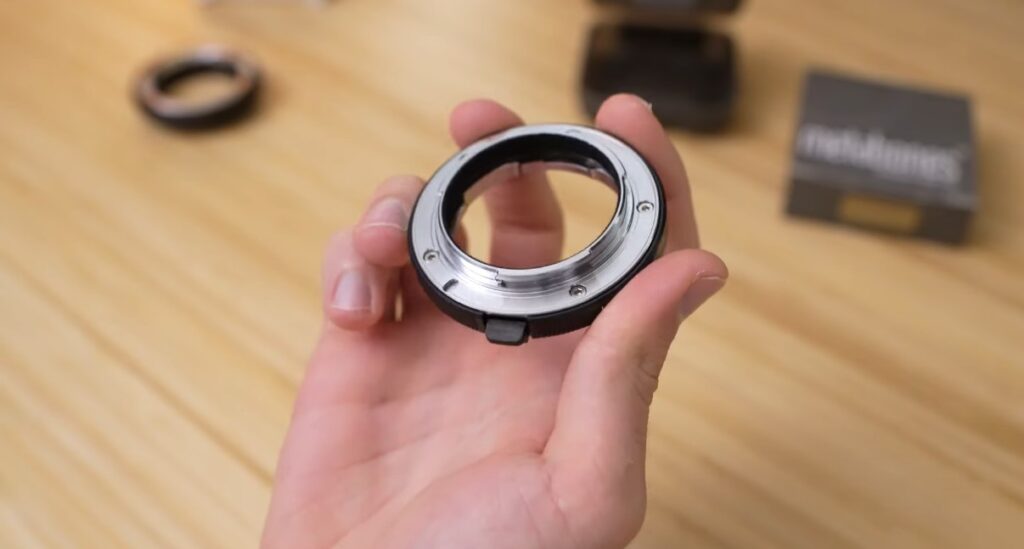
Camera lens adapters are accessories that allow you to mount lenses with different mounts onto a camera body. They function as a bridge between the camera and the lens, allowing for compatibility and expanded versatility in photography.
One of the most common uses of lens adapters is to mount vintage or legacy lenses onto modern cameras. This allows photographers to use older, manual-focus lenses on their digital cameras, creating unique and often desirable effects in their photos.
Lens adapters also allow for the use of lenses from different camera systems. For example, a Canon DSLR user may want to try out a popular lens made for Nikon cameras. With a lens adapter, they can easily mount the Nikon lens onto their Canon camera body and experiment with different shooting options.
Additionally, lens adapters can also be used to adapt lenses for macro or telephoto photography. By using a specific adapter, photographers can turn their regular lens into a macro lens or extend the focal length of their lens for longer reach.
It’s important to note that while lens adapters do expand the capabilities of your camera and lenses, they may also have limitations. Autofocus and other electronic features may not work with certain lens and camera combinations, so it’s important to do research and read reviews before investing in a lens adapter.
Overall, camera lens adapters are valuable accessories for photographers looking to expand their lens options and experiment with different shooting techniques. With the right adapter, you can unlock new creative possibilities and enhance your photography skills. So if you’re looking to add some versatility to your camera setup, consider investing in a camera lens adapter.
When to Use a Lens Adapter
When it comes to photography and videography, having the right equipment is crucial. This includes choosing the right lens for your camera. However, what happens when you have a lens that doesn’t fit your camera? That’s where a lens adapter comes in.
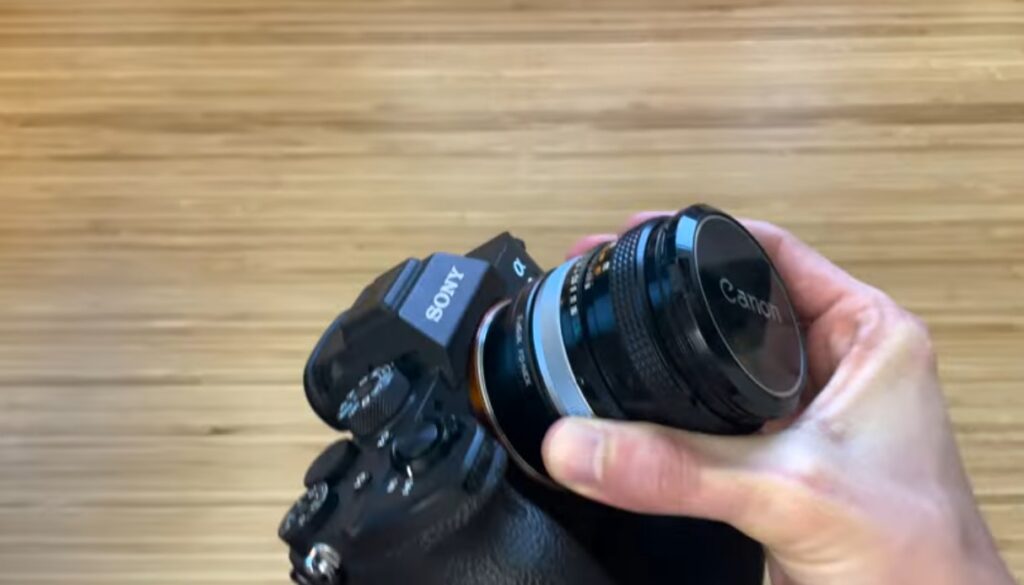
A lens adapter is a device that allows you to attach a lens with one type of mount to a camera body with a different type of mount. For example, you may have a lens with a Canon EF mount but want to use it on your Sony E-mount camera. In this case, you would need a lens adapter that can bridge the gap between the two mounts.
So when should you consider using a lens adapter? Here are some situations where a lens adapter can come in handy:
- When you have a specialty lens: Some lenses, such as tilt-shift or fisheye lenses, may not be available in your camera’s mount. In this case, using a lens adapter allows you to use these unique lenses on your camera.
- To save money: Switching between different camera systems can be expensive and time-consuming. Instead of buying all new lenses for a different camera body, you can invest in a lens adapter and continue using your existing lenses.
- To experiment with different mounts: Lens adapters open up a whole new world of possibilities. You can try out different types of lenses, such as vintage or manual focus lenses, by using a lens adapter.
- To use legacy lenses: If you have inherited or purchased an old film camera, you may have some lenses that are not compatible with modern DSLR or mirrorless cameras. A lens adapter can allow you to use these classic lenses on your digital camera.
- To adapt to different sensor sizes: Some lens adapters also come with focal length reducers, which enable you to use full-frame lenses on crop-sensor cameras without losing image quality.
Before purchasing a lens adapter, it’s important to do some research and make sure it is compatible with your specific camera and lens combination. It’s also essential to consider the potential loss of image quality when using a lens adapter, as it can affect factors such as sharpness and autofocus speed.
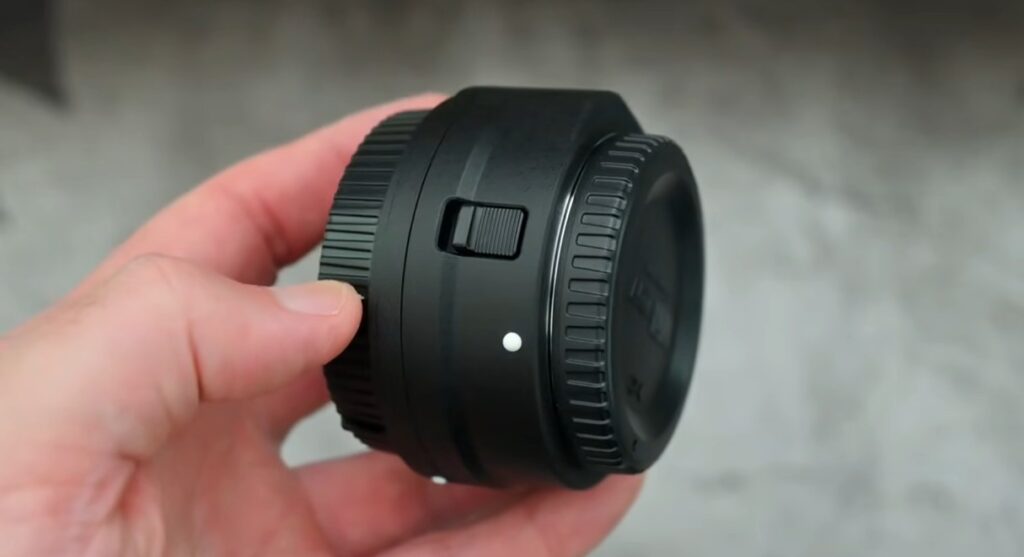
In conclusion, a lens adapter can be a valuable tool for photographers and videographers who want to expand their lens options and capabilities. It allows you to use lenses that may not have been initially compatible with your camera, giving you more creative freedom and flexibility in your work. So next time you come across a lens that doesn’t fit your camera, consider investing in a reliable lens adapter instead of immediately ruling it out. You never know what unique shots and opportunities it may bring.
Knowing What Type of Lens Adapter To Get
As a photographer or videographer, you likely have invested in several lenses over the years. However, as new technologies and camera models emerge, it can be challenging to keep up with all the different lens mounts out there. That’s where lens adapters come in.
Lens adapters are accessories used to connect one type of lens to another type of camera body. They essentially act as a bridge, allowing you to use lenses from different brands or systems interchangeably. This can save you money and also give you more flexibility in your gear choices.
But with so many lens adapters on the market, how do you know which one is right for your specific needs? Here are some factors to consider when choosing a lens adapter:
- Compatibility: The first thing to check is whether the lens adapter you are interested in is compatible with your camera and lenses. Some adapters are only specific to certain brands or models, so make sure to do thorough research before making a purchase.
- Lens size and weight: Most lens adapters add extra bulk and weight to your setup, so it’s essential to consider this when choosing one. If you are using smaller lenses, you may want to opt for a lightweight adapter. However, if you are planning on using larger and heavier lenses, it’s essential to choose an adapter that can support the weight without compromising stability.
- Autofocus and other features: Depending on the brand and type of lens adapter, some may maintain autofocus capabilities while others do not. If this is important to you, make sure to choose an adapter that supports autofocus functions. Additionally, some adapters may also have other features such as image stabilization or aperture control, so consider your specific needs when making a decision.
- Quality and type of materials used: Lens adapters are available in various materials, including plastic, aluminum alloy, and brass. While plastic adapters tend to be more affordable, they may not be as durable or reliable in the long run. On the other hand, brass adapters are more robust and can provide a snug fit but tend to come at a higher price point. Consider your budget and how often you plan on using the adapter when deciding on materials.
- Brand reputation: With any camera gear purchase, it’s always essential to consider the brand’s reputation and customer reviews. This can give you a good idea of the quality, durability, and overall performance of the lens adapter.
Ultimately, the right lens adapter for you will depend on your specific needs and budget. With careful research and consideration, you can find an adapter that allows you to use your existing lenses with new camera bodies or experiment with different brands’ lenses. This can open up a whole new world of creative possibilities for your photography or videography. So next time you’re considering investing in a new lens, don’t forget to also look into lens adapters as an alternative option. So, keep exploring and experimenting with different lenses and adapters to elevate your craft and create unique visuals.
Effects of a Lens Adapter
Image quality
The use of a lens adapter can have both positive and negative effects on image quality. On one hand, using a lens adapter allows for the compatibility of different lenses with different camera bodies, giving photographers access to a wider range of focal lengths and creative options.
However, the addition of an extra piece of equipment between the lens and camera body can also introduce potential problems. One of the main concerns is a decrease in image sharpness and overall quality, as the additional elements in the lens adapter can cause light to scatter and reduce contrast. This is especially noticeable when using lower-quality or poorly made adapters.
To minimize these negative effects, it’s important to choose high-quality lens adapters from reputable brands and to properly mount them onto your camera body. It’s also recommended to use lenses with larger apertures, as they are less affected by the added elements in the adapter.
Autofocus
Another important aspect to consider when using a lens adapter is autofocus performance. Some adapters may not support autofocus at all, while others may have limited functionality or be slower compared to using a native lens on a camera body. This can be a major drawback for photographers who heavily rely on autofocus, such as sports or wildlife photographers.
If autofocus is important to you, it’s crucial to research and choose a lens adapter that specifically supports autofocus for your particular camera and lens combination. It’s also worth noting that even with the best adapters, there may still be some limitations in terms of speed and accuracy compared to using a native lens.
Vignetting and Lens Distortion
Using a lens adapter can also potentially introduce vignetting and lens distortion to your images. Vignetting is the darkening of corners in an image and can be caused by the added elements in the adapter blocking light. Lens distortion, on the other hand, can result in distorted or stretched images due to the adapter’s different optical properties.
To minimize these effects, it’s important to choose a lens adapter that is specifically designed for your camera and lens combination. Additionally, some adapters may have built-in correction features that can help reduce vignetting and lens distortion. However, it’s always best to test out different combinations and make adjustments accordingly in post-processing.
Focal length
Focal length is an important aspect to consider when using a lens adapter. The focal length of a lens determines the angle of view and how much of a scene can be captured in an image. When using a lens adapter, the focal length may change depending on the camera body it’s mounted on.
For example, if you use a full-frame lens with a crop-sensor camera body, the effective focal length will be increased due to the crop factor. This can be advantageous for certain types of photography, such as wildlife or sports, where a longer focal length is desired. However, it’s important to keep in mind that this also means you may lose some wide-angle capabilities when using a lens adapter.
F-stop and Aperture
Using a lens adapter can also affect the f-stop (or aperture) of a lens. The f-stop is the measure of how wide the lens’s opening is, which determines the amount of light that enters the camera. When using a lens adapter, the f-stop may change slightly due to differences in distance between the lens and sensor.
It’s important to be aware of these changes in f-stop and their effects on exposure. Some adapters may also have built-in aperture control, allowing you to manually adjust the f-stop on non-electronic lenses. However, this may not always be possible with certain lens and adapter combinations.
How to use a lens adapter?
Lenses are an important part of any camera setup, as they allow you to control the focus and composition of your photos. However, if you want to use a lens that is not compatible with your camera’s mount, you will need a lens adapter.
A lens adapter is a device that allows you to attach lenses from different camera systems onto your own camera. This is especially useful if you have multiple cameras with different mounts, or if you want to use vintage lenses on modern camera bodies.
To use a lens adapter, follow these steps:
- Choose the right adapter for your camera and lens combination: Lens adapters come in various sizes and types, so it’s important to choose one that is specifically designed for your camera’s mount and the lens you want to attach. Make sure to do some research and read reviews before making a purchase.
- Attach the lens adapter to your camera: Most adapters have two ends – one that attaches to your camera’s mount and another that attaches to the lens. Simply line up the adapter with your camera’s mount and twist it into place.
- Mount the lens onto the adapter: Once the adapter is securely attached to your camera, you can then attach your lens to the other end. The process may vary depending on the type of adapter you have, so make sure to consult the instructions manual.
- Test and adjust: After mounting your lens, check that it is secure and properly aligned with your camera’s sensor. You may also need to manually adjust the focus and aperture settings on your lens, as they may not be automatically detected by your camera.
- Start shooting: Once everything is properly set up, you can start taking photos with your adapted lens. Keep in mind that using a lens adapter may affect the quality of your images, so it’s important to test different settings and techniques to get the best results.
FAQ
What is a lens adapter?
A lens adapter is a versatile tool that enables photographers to utilize lenses from one camera system on a different camera body, expanding their creative possibilities. This becomes particularly valuable when transitioning between various brands or types of cameras, as each manufacturer typically employs its own distinctive lens mount, necessitating the use of an adapter for seamless compatibility. By offering this flexibility, photographers can explore a wider range of lenses and experiment with different photography styles, ultimately enhancing their artistic expression.
What kind of lens adapter do I need?
There are different types of lens adapters that you can use, depending on the type of camera and lens you have. Here are some common types:
- Mount adapters: These adapters allow you to mount a lens with a different mount onto your camera. For example, if you have a Canon DSLR and want to use a Nikon lens, you would need a Canon-to-Nikon mount adapter.
- Focal length reducers: These adapters reduce the focal length of a lens, effectively making it wider-angle. This is useful if you want to use lenses designed for larger sensor cameras on smaller sensor cameras.
- Teleconverters: These adapters increase the focal length of a lens, effectively making it zoom in more. This is useful if you want to extend the reach of your telephoto lenses.
It’s important to note that not all lens adapters are created equal. Some may affect image quality, and autofocus capabilities, or even cause compatibility issues. It’s always best to do some research and read reviews before purchasing a lens adapter.
Conclusion
So, lens adapters can surely affect image quality. However, the extent of this effect depends on various factors such as the type of adapter used, the quality of lenses and adapters, and the specific camera system being used. It is important to thoroughly research and carefully consider these factors before purchasing lens adapters to achieve optimal image quality. Additionally, it is worth noting that lens adapters can also bring new creative possibilities to photography, such as using lenses from different camera systems or vintage lenses with modern cameras. Ultimately, the decision to use lens adapters should be based on the individual needs and goals of each photographer.