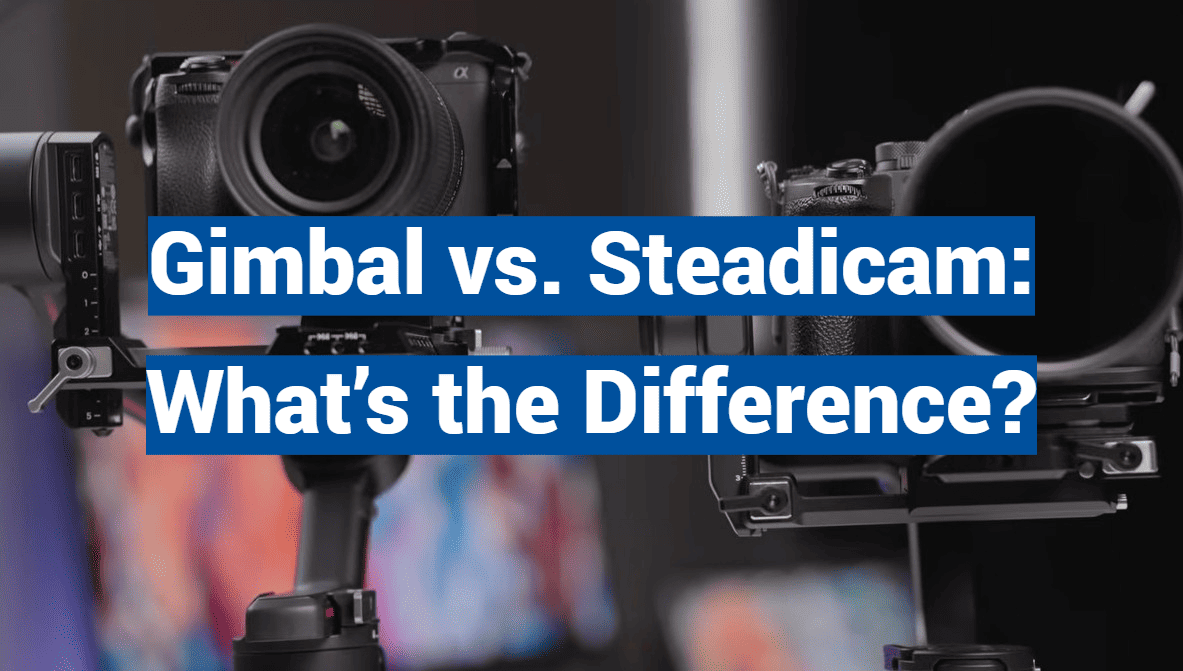
In the vast world of videography, where smooth and stabilized footage is the holy grail, two titans stand tall – the Gimbal and the Steadicam. These technological marvels have revolutionized the way you capture motion, offering unrivaled stability and fluidity to your shots. But amidst their shared goal of eliminating jerky movements and shakes, what sets them apart? Join this thrilling journey and unveil the differences between these two giants of stabilization, that can help you make an informed decision on which one to wield for your next cinematic masterpiece. So, grab your cameras and brace yourselves, because the Gimbal vs. Steadicam showdown is about to commence!
What is a Gimbal camera for?
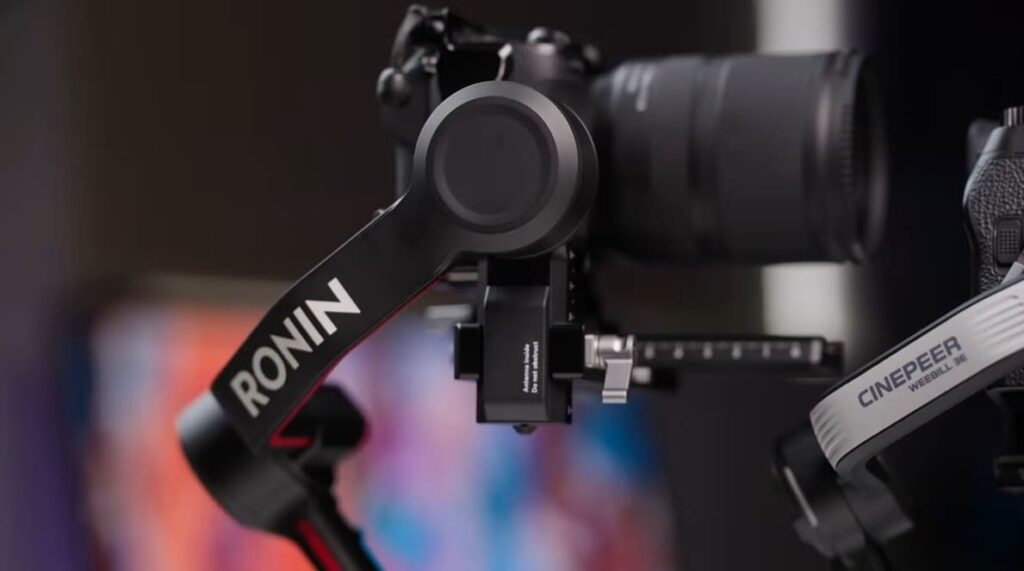
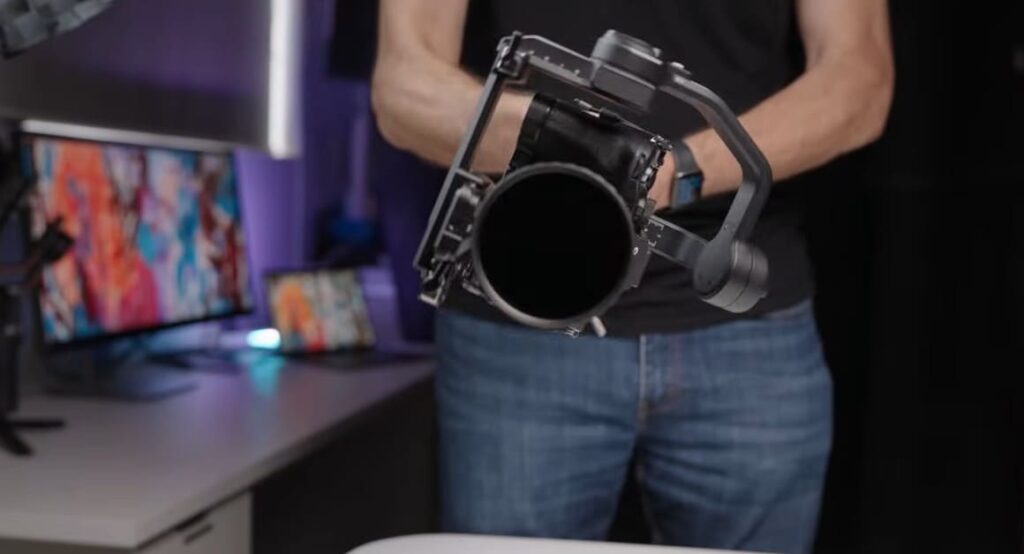
A gimbal camera is a camera mounted on a servo-controlled, motorized mount that allows for 360° panning and tilting capabilities. This type of camera is often used in applications such as filmmaking, surveillance and even live streaming. The benefit of using a gimbal camera is that it can be used to capture shots from any angle or height, and can also be used to capture smooth, steady footage. Gimbals are typically used in combination with drones for aerial cinematography, as well as on the ground for low-angle shots or tracking shots. Additionally, they are often used in virtual reality (VR) applications to capture up-close shots of objects in motion.
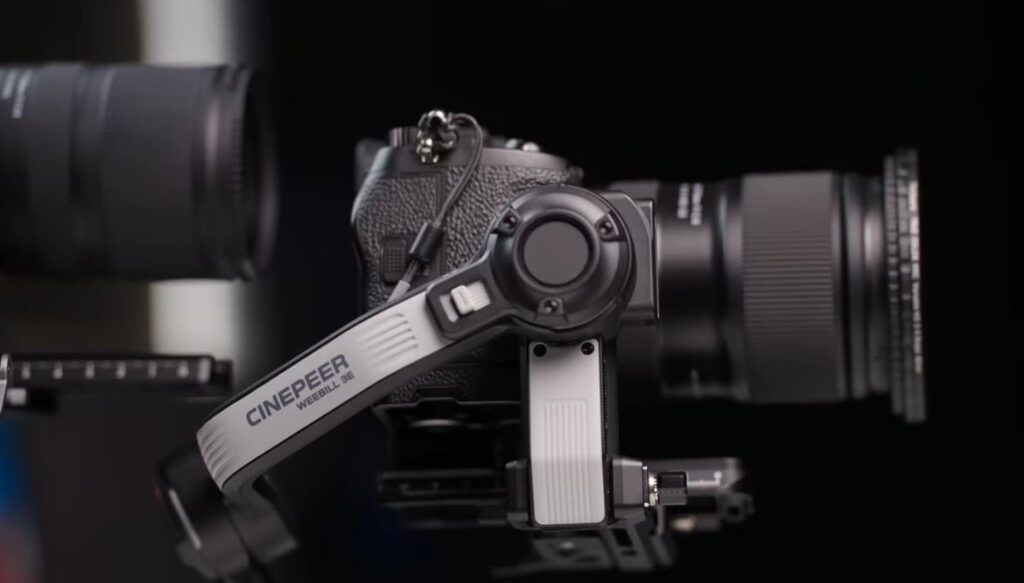
Gimbal cameras come in a variety of sizes and configurations, with some models being small enough to fit in the palm of your hand. They also feature a range of features such as built-in Wi-Fi connectivity, image stabilization, auto-focus and even facial recognition capabilities.
Gimbals are becoming increasingly popular for their ability to capture unique shots that would otherwise be difficult or impossible to obtain. Their portability and versatility make them a great addition to any filmmaker’s toolkit, allowing them to capture shots from any angle or height with minimal effort. Whether you’re shooting aerial footage or just trying to capture something unique, a gimbal camera can help you get the shot you need.
Gimbals also have many practical applications outside of filmmaking. They can be used in surveillance applications, allowing security personnel to monitor areas from a distance without having to physically move the camera. They are also being used in robotics and autonomous vehicle applications, helping robots navigate their surroundings with ease. Finally, they can be used for live streaming, making it easier for broadcasters to capture smooth video footage on the go.
What is a Steadicam camera?
The Function of the Steadicam
The Steadicam camera, a groundbreaking camera mount invented by Garrett Brown in 1975, has revolutionized the art of filmmaking. This ingenious device utilizes a harness system to impeccably stabilize the camera’s weight, allowing it to move effortlessly throughout a scene. Unlike traditional handheld cameras or cranes, the Steadicam provides silky-smooth shots, devoid of any jolts or bumps. Not only does it grant unprecedented stability, but it also empowers the camera operator to swiftly maneuver and capture dynamic shots, making it the ultimate tool for action scenes and navigating a set or location with agility. Its ability to seamlessly adapt to changing environments has forever altered the landscape of motion picture production.
Advantages and disadvantages of a Steadicam Camera
One of the main advantages of a Steadicam is its versatility. It can be used seamlessly on land, in water, and even airborne. Its lightweight construction allows it to move freely with only one operator, making it ideal for tight or confined spaces. Additionally, its ability to provide smooth shots without any added stabilizers like trackers or cranes makes it more affordable and time-efficient.
However, the Steadicam also possesses some drawbacks as well. Its small size means it can be difficult to manage for extended periods due to the amount of weight it carries. Moreover, although its design makes it ideal for capturing fluid motion, long takes or complex moves may require additional support such as specialty rigs or jib arms. Lastly, due to its delicate nature, the Steadicam must be handled with extreme care and calibrated regularly to ensure optimal performance.
Steadicam Adjustments
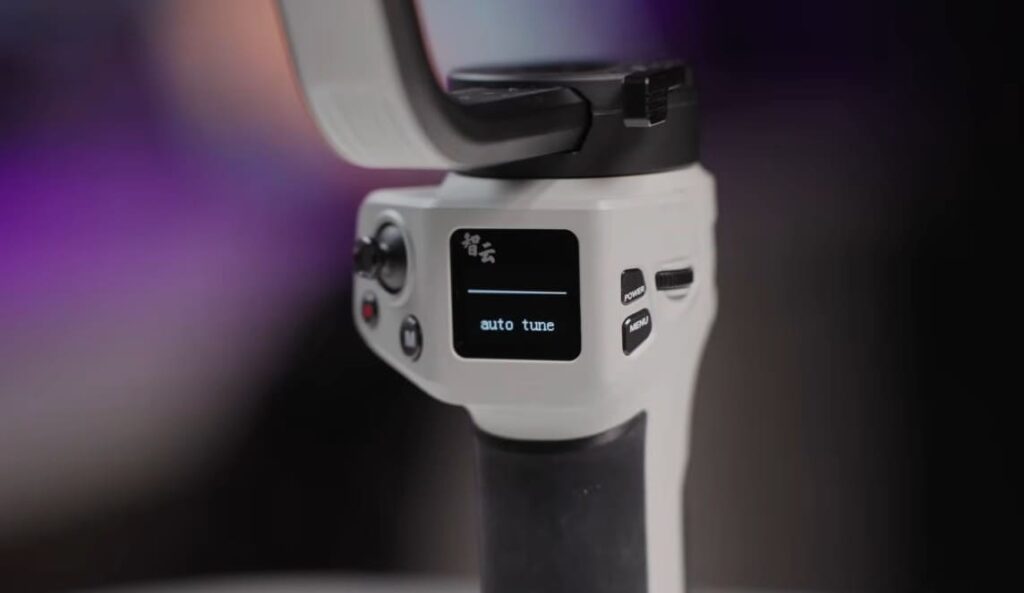
Once a Steadicam has been properly fitted to the operator, it’s important to make sure that all of the adjustments are correct. The camera should be balanced and centered on its mount, while tension can easily be adjusted depending on the type of shot being captured. Additionally, as an operator becomes more experienced with using a Steadicam, they may want to adjust further settings to customize the feel of the camera and create their own signature look.
Overall, the Steadicam is an essential tool for any filmmaker looking to capture dynamic shots with unparalleled stability. With proper usage and maintenance, a Steadicam can last for years, providing breathtaking results on every shoot. Whether you’re filming a commercial, a music video, or even a feature-length film, the Steadicam is sure to elevate your production.
Uses for a Steadicam Camera
The primary use of a Steadicam camera is in filmmaking, where it allows operators to capture smooth tracking shots and other creative compositions. It can also be used in television production, as its stability makes it ideal for capturing live events. Additionally, Steadicam cameras have been used to shoot documentaries and reality shows that require frequent movement. Finally, Steadicam cameras are also popular in sports broadcasting, where they can be used to capture dynamic shots from the sidelines or even on the field.
Gimbal vs. Steadicam: Which One Should You Choose As A Beginner?
Stability and smoothness of footage
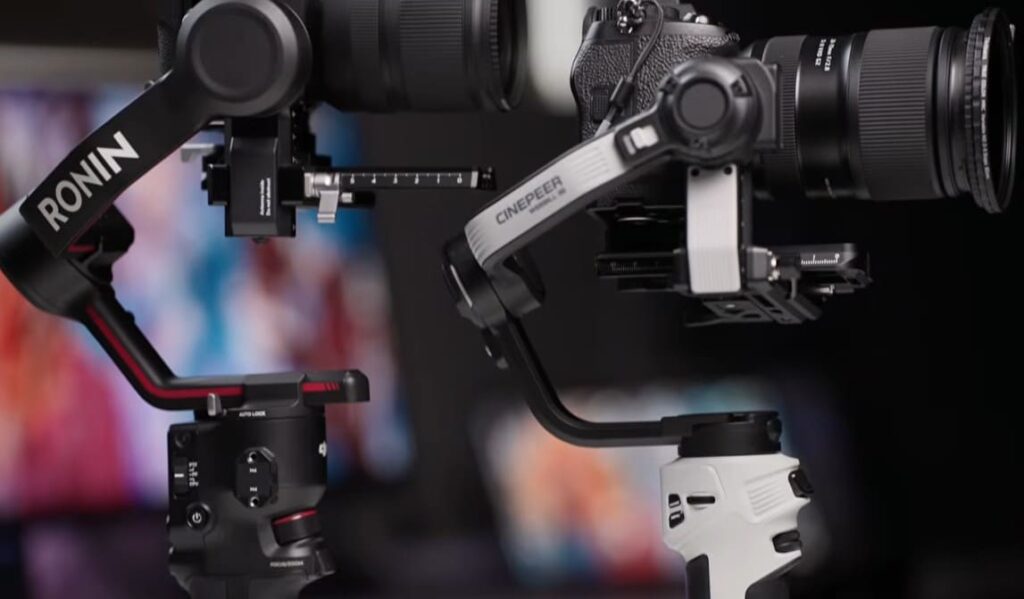
When choosing between a gimbal and Steadicam as a beginner, it’s important to consider the stability and smoothness of the footage they will deliver. Gimbals are designed for very stable shots since their brushless motors keep the camera stabilized even during movement. This makes them an ideal choice for any type of motion shot, such as tracking shots, crane shots, and aerial shots.
On the other hand, Steadicams offer a much smoother shot since they use a counterweight system to balance out any movement. This makes them ideal for shooting long tracking shots or smooth dolly movements as well as static shots. While gimbals may be able to handle some of these tasks with practice and skill, it’s more difficult to get the smoothness of Steadicams.
Cost and portability
Another factor to consider when choosing between a gimbal and Steadicam is cost and portability. Gimbals are typically much cheaper than Steadicams, making them an attractive option for beginners who want to get started without breaking the bank. Additionally, they are usually much lighter and easier to transport than Steadicams, making them ideal for those who need to shoot in multiple locations.
Steadicams, on the other hand, tend to be more expensive due to their complex counterweight system. Additionally, they are bulkier and heavier, making them less portable and more difficult to transport between locations.
Range of motion
It’s important to consider the range of motion each type of stabilizer can offer. Gimbals offer a wider range of motion since their motors can rotate 360 degrees, allowing for more complex shots. Steadicams, however, are limited by their counterweight system and often cannot rotate as freely. This makes them better suited for static shots or tracking shots with limited movement.
Ease of use and setup time
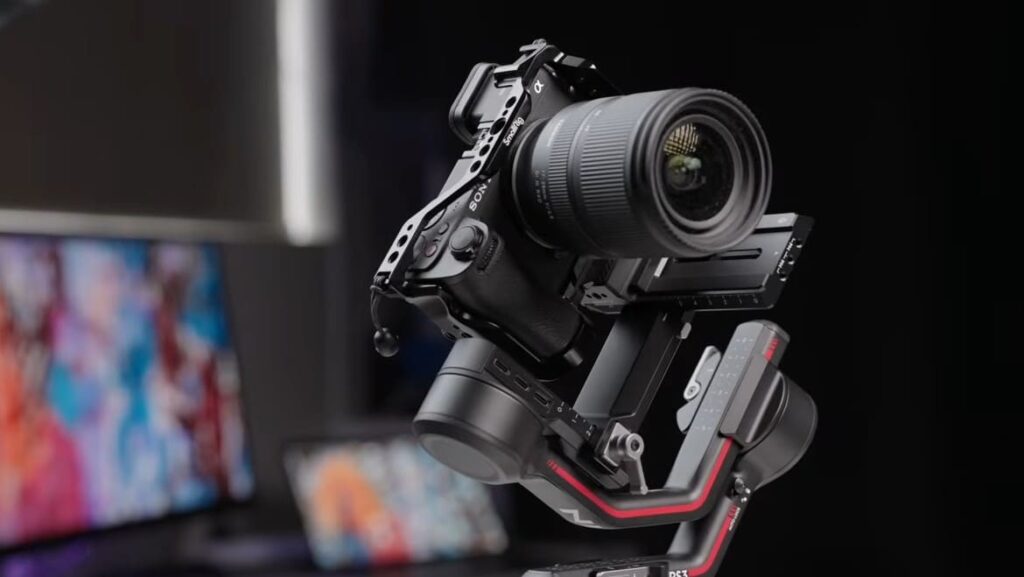
Ease of use and setup time are other important factors to consider when choosing between a gimbal and Steadicam. Gimbals are usually much easier to set up since they have fewer parts and can be quickly adjusted with the press of a button. Additionally, they don’t require as much practice to get the hang of, making them ideal for beginners.
Steadicams, on the other hand, can be more difficult to set up and require more practice to use effectively. Additionally, they have a lot of parts that need to be balanced and adjusted correctly to get smooth shots. This means they can take longer to set up and may require multiple people to operate.
Weight and portability
The weight and portability of each type of stabilizer should be taken into consideration. Gimbals are usually much lighter than Steadicams, making them easier to transport between locations. Additionally, they typically have smaller footprints, allowing them to fit in tight spaces or on small platforms such as drones.
Steadicams tend to be bulkier and heavier, making them more difficult to transport and less ideal for tight spaces. They also tend to take up more space, which can be an issue if you’re shooting in a confined area.
Compatibility with different camera types and sizes
The compatibility of each type of stabilizer should also be considered. Gimbals are usually designed to be used with lighter cameras such as DSLRs and mirrorless cameras, but they can also be used with larger cameras if necessary. Steadicams, on the other hand, tend to be better suited for heavier setups since their counterweight system is designed to balance out the weight of the camera.
Accessories and replacement parts
When choosing between a gimbal and Steadicam, it’s also important to consider the availability of accessories and replacement parts. Gimbals usually come with an array of accessories such as additional batteries, counterweights, and quick-release plates. Most manufacturers also have a wide selection of replacement parts in case something breaks or needs to be replaced.
Steadicams typically have a more limited selection of accessories and replacement parts, as their counterweight system is much more complex. Additionally, some manufacturers may not offer spare parts for older models, so it’s important to check with the manufacturer before making a purchase.
Flexibility and Suitability
When choosing between a gimbal and Steadicam, it’s important to consider the flexibility and suitability of each one for your particular needs. Gimbals are usually more flexible since they can be used with different types of cameras and they offer a wide range of motion. They are also typically easier to set up and use, making them an ideal choice for beginners.
Steadicams are usually better suited for more experienced users, as they require more practice to use effectively and their counterweight system is more complex. Additionally, they offer a smoother shot than gimbals but are less flexible in terms of the types of shots they can do.
Operator Fatigue
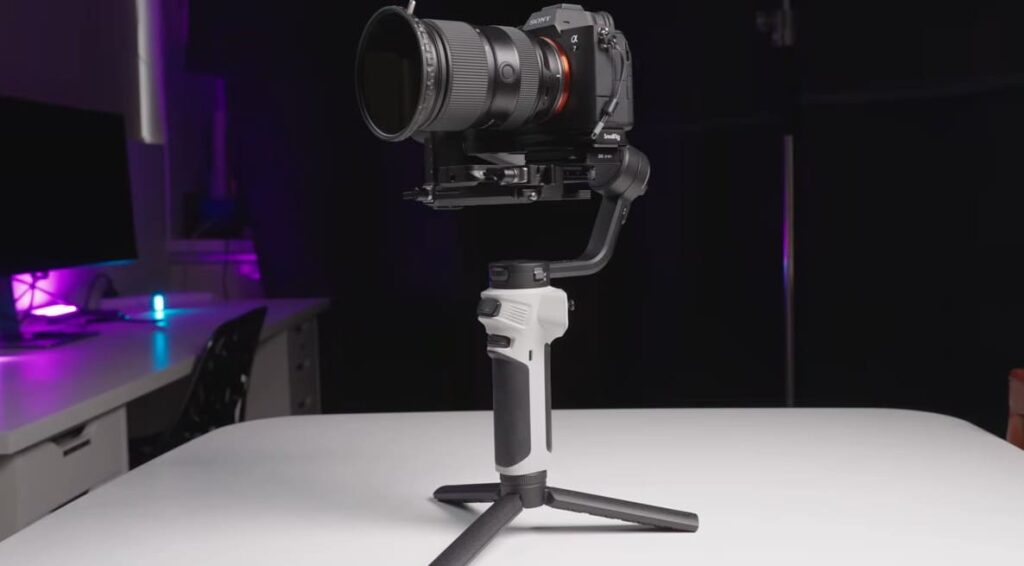
Finally, it’s important to consider operator fatigue when choosing between a gimbal and a Steadicam. Gimbals are typically much easier to operate since their motors do most of the work in stabilizing the camera. This makes them ideal for longer shoots or extended periods of use.
Steadicams require more effort from the operator as they rely on their counterweight system for stabilization. This can be tiring over extended periods of use, making them better suited for shorter shoots or static shots.
Overall, choosing between a gimbal and Steadicam is a matter of personal preference and the particular needs of each user. Both offer unique advantages and disadvantages that should be taken into consideration when making a decision. It’s important to consider factors such as cost, portability, range of motion, ease of use and setup time, weight and portability, compatibility with different camera types and sizes, accessories and replacement parts, flexibility and suitability, and operator fatigue.
Advantages and disadvantages of using Gimbal cameras
Gimbal cameras provide several advantages for videographers. These include the ability to create smooth motion shots, minimize camera shake, and even operate in low-light settings. However, gimbal cameras also have their drawbacks. One significant disadvantage is their weight and size, which can be awkward for portability and storage purposes. Additionally, using a gimbal camera requires a certain level of technical proficiency, and can take time to set up properly for each shot. Finally, gimbal cameras can be expensive compared to more traditional camera options.
Overall, while Gimbal cameras offer many advantages for videographers, they also have their drawbacks that should be considered before investing in one. To make the most out of your gimbal camera, you should ensure that you have the necessary technical knowledge and are willing to take the time to properly set it up for each shot. Additionally, if you know you’ll be frequently moving your equipment around, consider investing in a lightweight model or accessories to make transport easier. With the right preparation and research, gimbals can open up exciting new possibilities for your next video project.
In addition to traditional camera gimbals, there are now drone-mounted systems available that use similar stabilization technology. These aerial gimbals can be mounted on drones and provide the same benefits as a regular gimbal but with the added advantage of allowing you to capture stunning shots from unique angles in the air. However, be aware that these drones are significantly heavier than traditional gimbals and may require additional training to operate properly. If you plan on shooting aerial footage, investing in a drone-mounted gimbal system is an excellent way to get steady shots from the sky.
Regardless of which type of gimbal camera you use, they can offer amazing results when used correctly. With the proper preparation and research, you can make sure that your gimbal camera is ready to help you capture stunning shots for any project. And with a variety of models on the market, there’s sure to be one that suits both your budget and needs.
FAQ
Is a gimbal better than IBIS?
That depends on what type of footage you are trying to capture. Generally, a gimbal will provide smoother and more precise movement controls when shooting video. However, for stills or low-light scenes, IBIS can offer superior image stabilization and better results. Ultimately it comes down to the individual’s preference and specific needs as to which system is best suited for their needs.
What type of gimbal should I buy?
When choosing a gimbal, there are several important factors to consider. Firstly, you should take into account the size of the gimbal, as this will determine its portability and ease of use. Additionally, it’s crucial to consider the weight capacity of the gimbal, especially if you plan on using it with heavier cameras or equipment. Another key factor to think about is the maximum battery life of the gimbal, as this will affect how long you can use it without needing to recharge.
Moreover, the choice between mechanical and electronic stabilizers is an important decision to make. If you prioritize stability in your shots, then a mechanical gimbal might be the better option for you. These gimbals use physical mechanisms to counteract movement and provide excellent stability. On the other hand, if you value portability and ease of setup, then an electronic gimbal might be more suitable. Electronic gimbals use motors and sensors to stabilize the camera, allowing for smoother footage while still being lightweight and easy to handle.
Are there any drawbacks to using a gimbal?
One potential drawback is that they are usually quite bulky and can be difficult to transport. Additionally, some gimbals may require additional maintenance or calibration after extended periods of usage. Finally, gimbals may not be suitable for shooting fast-paced scenes or dynamic movements, as they are more suited to slow pans and tracking shots.
How do I clean my gimbal?
It’s important to take proper care of your gimbal to keep it running smoothly. Firstly, make sure that the battery is disconnected before cleaning any part of the gimbal. Using a soft cloth, gently wipe down the exterior of the gimbal to remove any dirt or dust. Additionally, you can use compressed air to blow away any stubborn particles from hard-to-reach areas. Finally, it’s important to make sure that no liquids come into contact with the gimbal, as this could damage its internal components.
What is the difference between Steadicam vs handheld?
A Steadicam is a device that uses counterweights and an arm to suspend the camera and absorb any shakes or bumps while filming. It usually requires a bit of practice to master, but once you do it allows for smooth tracking shots with minimal effort. On the other hand, handheld filming involves using your hands to support the camera while shooting. This method provides more flexibility but can be more tiring, and it’s difficult to get steady shots without using additional support such as a tripod or monopod. Ultimately, the choice between Steadicam vs handheld will depend on your individual needs and preferences.
What is the best way to mount my gimbal?
In most cases, it’s best to mount the gimbal onto a tripod, slider, or other support system. This will provide extra stability and make it easier to adjust the gimbal’s settings as needed. Additionally, mounting the gimbal on a support system allows for more creative shots, such as low-angle or high-angle shots that can’t be achieved by hand. Finally, when using a tripod or other support system, make sure that the gimbal is securely mounted and won’t move during use. This will ensure that your shots are as smooth and steady as possible.
How much is the Steadicam price?
The cost of a Steadicam will vary depending on the model and manufacturer. Generally, entry-level Steadicams can range from around $200 to $500, while more professional models can be upwards of $1000. It’s important to consider your budget when looking for a Steadicam, as well as any additional accessories that might be needed. Additionally, it’s wise to compare different models and read reviews before making your purchase. This will ensure that you get the best Steadicam for your needs at an affordable price.
What are the disadvantages of Steadicam?
One disadvantage of Steadicam is that it usually requires a bit of practice to master. Additionally, the arm and counterweights can be quite heavy, making setup time longer than with other systems. Furthermore, some Steadicams are not suitable for use with heavier cameras or equipment, as they may lack the necessary strength and stability. Finally, due to its bulky design, it can be difficult to transport a Steadicam from one location to another.
All in all, the decision of whether or not a Steadicam is right for you will depend on your individual needs and preferences. It’s important to consider the advantages and disadvantages before making your purchase to ensure that you get the best value for your money.
Conclusion
So, what is better? Gimbal or Steadicam? Both of these camera stabilizers have their advantages and disadvantages. Gimbal is more compact, lighter, and easier to use but the Steadicam offers a much smoother glide shot that works better for larger cameras or heavier payloads. Ultimately it’s up to you as the filmmaker to decide which one best suits your needs in terms of budget, weight, size, ease of use, and shot quality. Both options offer a great way to get smooth shots with your camera, so make sure you do your research before you make the decision.