In the orchestration of cinema magic, movie theater projectors play a starring role, wielding light with cinematic precision. The measure of lumens, universally acknowledged as the unit of measurement for brightness, is a crucial component dictating how vividly the big screen narrative unfolds. This exhaustive journey into lumens and their dynamic relationship with movie theaters will illuminate not just screens, but knowledge as well. So, this article will ensure you leave with the answer to the million-dollar question: “How many lumens are movie theater projectors?”
6 things to know before you buy a Movie Theater Projector
Lovely lumens and where to find them
Lumens, the unit of measure for brightness or light output, plays a crucial role in determining the quality of visuals produced by movie theater projectors. The higher the lumens, the more brilliant and vibrant the image on the screen becomes, captivating the audience with its lifelike portrayal. To ensure a captivating cinematic experience, standard movie theaters typically employ projectors with a minimum of 14,000 lumens, while IMAX screens demand projectors with an astonishing output of up to 60,000 lumens. With these high lumens, every frame comes to life, immersing viewers in a world of unparalleled visual delight.

Laser, lamp or LED?
Movie theater projectors utilize various technologies to attain the desired brightness levels. Among the most prevalent are laser, lamp, and LED projectors. Laser projectors, while pricier, provide exceptional brightness and color accuracy. On the other hand, lamp projectors offer a more budget-friendly option, albeit necessitating frequent bulb replacements. LED projectors, with their extended lifespan and reduced energy consumption, outshine other types in these aspects, although they may fall short in achieving comparable brightness levels. With these distinctive characteristics, each technology presents a unique set of advantages and considerations for cinema projection systems.
Throw distance matters
The throw distance, also known as the projection distance, refers to the measurement between the projector and the screen. It plays a crucial role in determining the image size and clarity when selecting a movie theater projector. A shorter throw distance allows for a more compact image size, which can be useful in smaller spaces. Conversely, a longer throw distance offers the advantage of projecting larger images, making it ideal for larger venues or outdoor screenings. It’s worth noting that certain projectors come equipped with a zoom function, enabling users to adjust both the throw distance and the resulting image size according to their specific needs and preferences.
Contrast ratio is key
Apart from lumens, contrast ratio is another crucial element that determines the overall image quality of a projector. It measures the difference between the darkest and brightest parts of an image, allowing for a more immersive viewing experience. A higher contrast ratio not only enhances the clarity and sharpness of the image, but also adds depth and richness to the colors, making the visuals more vibrant and lifelike. For movie theater projectors, a contrast ratio of at least 1000:1 is recommended to ensure an optimal viewing experience that truly brings movies to life on the big screen. So, when choosing a projector, don’t forget to consider the contrast ratio for a truly remarkable and cinematic display.
Don’t forget about color accuracy
Color accuracy plays a crucial role in the visual appeal and overall quality of a movie theater projector. It refers to the projector’s ability to faithfully reproduce colors on the screen, ensuring that they closely match the original source material. This aspect becomes even more significant for films that heavily rely on color as a storytelling element. By investing in projectors with a wide color gamut and excellent color accuracy, viewers are guaranteed an immersive cinematic experience, where every hue and shade is accurately represented, enhancing the overall visual impact and allowing them to fully immerse themselves in the movie’s world of colors.
Maintenance and cost
Lastly, it is important to consider the maintenance and cost of owning a movie theater projector. Laser projectors may require more expensive maintenance, while lamp projectors need frequent bulb replacements. LED projectors have lower maintenance and running costs, but may not have the same brightness levels. Consider all these factors when choosing the right projector for your movie theater to ensure a long-lasting and cost-effective investment.
Understanding Lumens
Before you dive into the specific number of lumens used in movie theater projectors, it’s important to first understand what lumens actually are. In simple terms, a lumen is a unit of measurement for brightness. It’s a measure of the total light output from a source, taking into account all angles. In other words, lumens are used to describe how bright or dim an object appears to the human eye.
Lumens are often confused with watts, which is actually a measure of power and not brightness. The higher the number of watts, the more energy consumed by a light bulb or other electrical appliance. On the other hand, lumens measure how much light is actually produced.
Lumens in Movie Theaters
When it comes to movie theater projectors, lumens play a crucial role in providing an immersive viewing experience for audiences. In fact, the brightness of a projector directly affects image quality on the big screen.
For instance, if a projector is not bright enough, the images on screen will appear dull and washed out. On the other hand, if a projector is too bright, it can cause eye strain and discomfort for viewers. This is why finding the perfect balance of lumens is essential in creating an enjoyable movie experience.
The number of lumens used in movie theater projectors varies depending on several factors such as screen size, ambient lighting conditions, and the type of projector being used. Typically, movie theaters use projectors with a range of 9,000 to 14,000 lumens for standard screens and up to 35,000 lumens for larger screens or IMAX theaters.
Types of Projectors
The silver screen’s luminous forte is owed to a diverse cast of projectors that work behind the scenes. Each type of projector boasts its own unique technology and functionalities, shaping its role in the theater.
The Role of Lumens in Different Projector Types
When it comes to projectors, there’s a whole world of complexity beyond what meets the eye. From the classic film-based projectors to the state-of-the-art digital marvels, the utilization of lumens can vary greatly. For instance, digital projectors rely on lumens as a standard to measure the brilliance they can provide, but the methods to achieve such brightness can differ significantly. It’s fascinating to explore the intricate mechanisms and technologies behind these devices that bring images to life on the big screen.
The Dichotomy: Film vs. Digital
In the age-old debate of film vs. digital, lumens have always been a point of contention. The luminosity of a traditional 35mm film projector is intricately linked to the wattage of the bulb and the exposure index of the film stock, creating a unique and immersive cinematic experience. On the other hand, modern digital projectors have revolutionized the game, offering unprecedented control and flexibility over luminosity. With just a touch of a button, digital projectors allow for the manipulation and optimization of lumens to suit any viewing environment and enhance the visual impact of the content. It’s truly remarkable how technology has transformed this aspect of film projection, providing filmmakers and audiences alike with endless possibilities for creative expression and immersive storytelling.
The Projector Technologies
Delving into the fascinating world of projectors, we discover a rich palette of diverse technologies that cater to our visual needs. From the widely used DLP (Digital Light Processing) to the vibrant LCD (Liquid Crystal Display) and even the cutting-edge Laser technology, each projection method is carefully configured to deliver a unique and captivating visual experience. And amidst this symphony of light, lumens take center stage, orchestrating the brightness and clarity that bring our favorite movies, presentations, and immersive gaming sessions to life.
Impact of Lumens on Viewing Experience
With the spotlight trained on lumens, we turn to the grand narrative of how these units of brightness actually impact the audience, painting the experience of movie-going with a vivid brush of light and shadow.
Lumens and the Art of Brightness
The connection between lumens and the viewing experience is not a tenuous one; it’s a symbiotic dance that goes beyond mere brightness. The interplay between lumens and projection harmonizes contrast and color, intricately weaving together the visual elements to create a captivating and immersive journey for the audience. With the right balance of brightness, contrast, and color, the audience is transported into a world where every detail comes to life, elevating the cinematic experience to new heights.
The Chromatics Unleashed: Lumens and Color
Color saturation is not just a mere element, but the very heartbeat that drives the essence of any film. It breathes life into every frame, infusing it with the lifeblood of light. From the darkest shadows to the brightest highlights, the lumens play a pivotal role in dictating the intensity of the visual emotion, whether it’s a brooding and mysterious scene or a jubilant and vibrant moment that bursts with energy. The lumen count, like the pulse of a living entity, guides us through a mesmerizing journey of captivating visuals, leaving an indelible mark on our senses.
Size Does Matter: Lumens and Screen Size
The canvas on which a film is presented is crucial, as it sets the stage for the cinematic experience. Just like brush strokes on a masterpiece, the size of the screen plays a vital role in the equation of lumens. A larger canvas demands a higher lumen count to ensure optimal brightness and vividness throughout every inch of the presentation. This meticulous attention to detail creates an immersive viewing experience, captivating audiences and allowing them to truly lose themselves in the mesmerizing world of the film.
Do High Lumens Equal Excellent Viewing Quality? Not Necessarily.
While lumens play a vital role in creating an enjoyable viewing experience, it’s important to note that a high lumen count doesn’t always equate to excellent quality. Other factors such as contrast ratio and resolution also contribute significantly to the overall image quality.
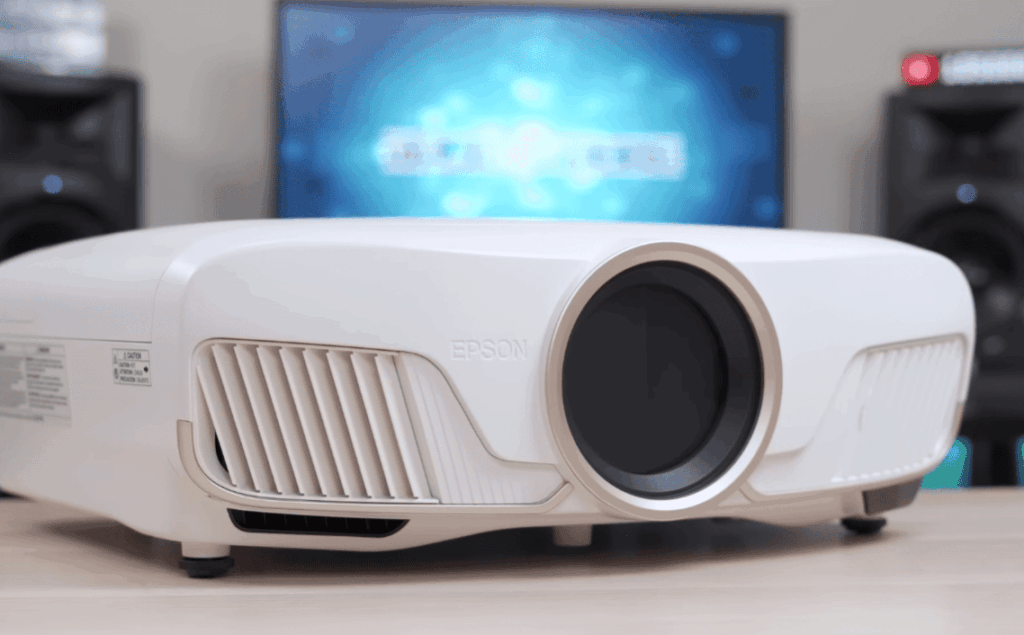
In addition, higher lumens do not necessarily mean a brighter image. Ambient light and screen color can also impact perceived brightness. This is why it’s crucial for movie theaters to carefully calibrate their projectors and screens to achieve the perfect balance of lumens for optimal viewing quality.
Determine the Ideal Projector Brightness for Your Needs
Whether you’re setting up a home theater or planning a movie event, understanding the impact of lumens on the viewing experience is crucial in selecting the right projector for your needs. Consider factors such as screen size, ambient lighting conditions, and intended use to determine the ideal lumen count for an immersive viewing experience that will leave audiences in awe.
With modern technology constantly improving and evolving, the possibilities for ultimate visual experiences are endless. So grab some popcorn and get ready to be immersed in a world of lumens, color, and brightness like never before. So next time you step into a movie theater or set up your own home cinema, don’t forget to appreciate the magic of lumens that brings it all to life on the silver screen.
FAQ
How many lumens does a cinema projector have?
The number of lumens in a cinema projector can vary, but the average range is between 9,000 to 15,000 lumens. However, some projectors can have up to 100,000 lumens for large-scale events or specialized screenings.
What is the ideal brightness level for a movie theater?
The ideal brightness level for a movie theater depends on various factors such as screen size, ambient lighting, and type of content being shown. Generally, a brightness level of 14 to 16 foot-lamberts (ftL) is recommended for optimal viewing quality in a darkened theater.
Can lumens affect eye strain?
While high levels of brightness can cause eye strain, it’s worth noting that the screen type and viewing distance also play a significant role. A well-calibrated projector with optimal brightness levels can actually reduce eye strain by providing a comfortable viewing experience. It’s important to find the right balance of lumens for your specific needs to avoid eye fatigue.
Can I increase the lumen count on my projector?
It is not recommended to manually increase the lumen count on a projector as it can potentially damage the device and reduce its lifespan. It’s best to consult with a professional or refer to the manufacturer’s guidelines when adjusting the lumen count on a projector.
Conclusion Paragraph
So, the amount of lumens in movie theater projectors is a crucial element in creating an immersive viewing experience. These units of brightness work hand in hand with other factors such as contrast, color, and screen size to bring movies to life on the big screen. With advancements in technology, there are endless possibilities for creating mesmerizing visual experiences that captivate audiences. So next time you watch a movie, take a moment to appreciate the magic of lumens and their role in bringing the cinematic world to life. So, grab some popcorn and get ready to be transported into a world of vibrant colors, sharp contrast, and captivating visuals.