
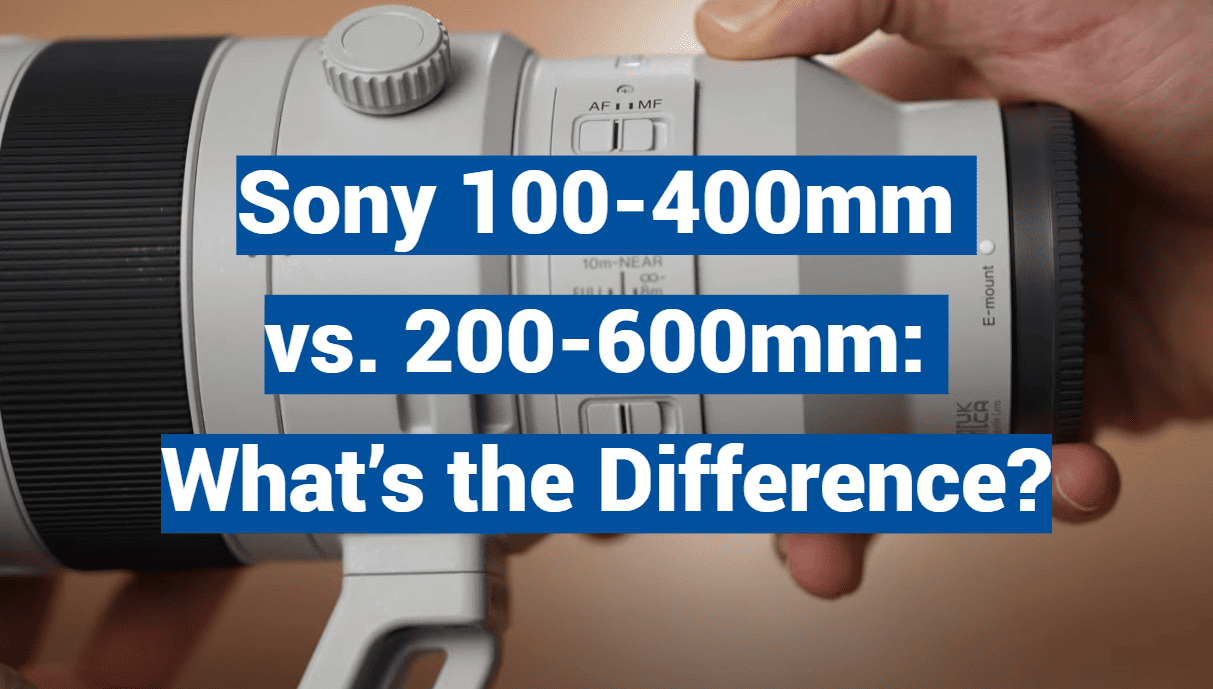
When it comes to capturing those picture-perfect moments, having the right lens can make all the difference. In the world of photography, two lenses that often stand out are the Sony 100-400mm and the Sony 200-600mm. Both promising exceptional image quality and impressive zoom capabilities, these two lenses have become the talk of the town among photography enthusiasts. But what sets them apart? This article will delve into the key differences between the Sony 100-400mm and the Sony 200-600mm, helping you make an informed decision and choose the perfect lens for your photographic adventures. So, grab your camera and let’s dive into the world of lens comparisons!
Sony 200-600 G vs 100-400 GM Review
Body Design
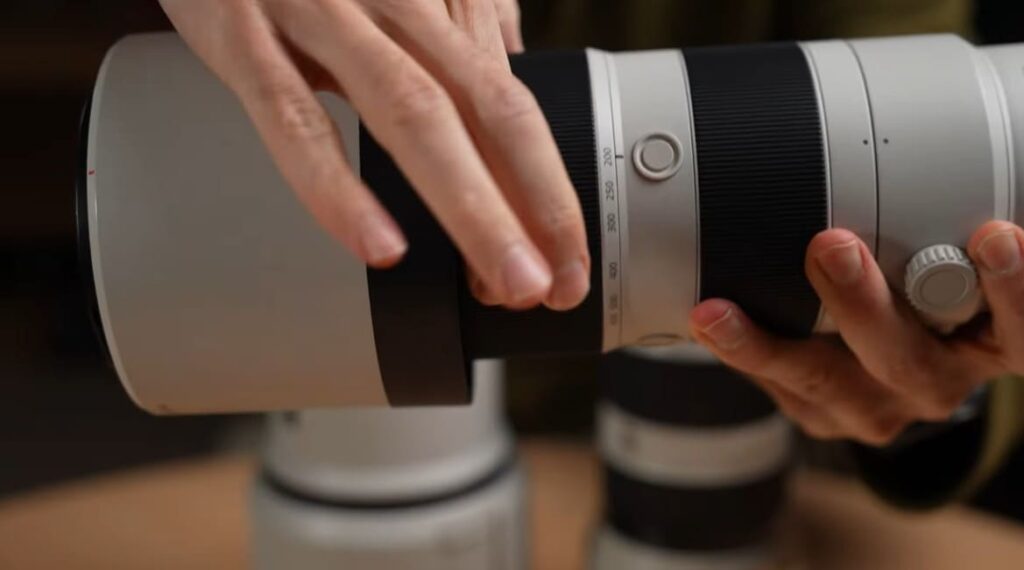
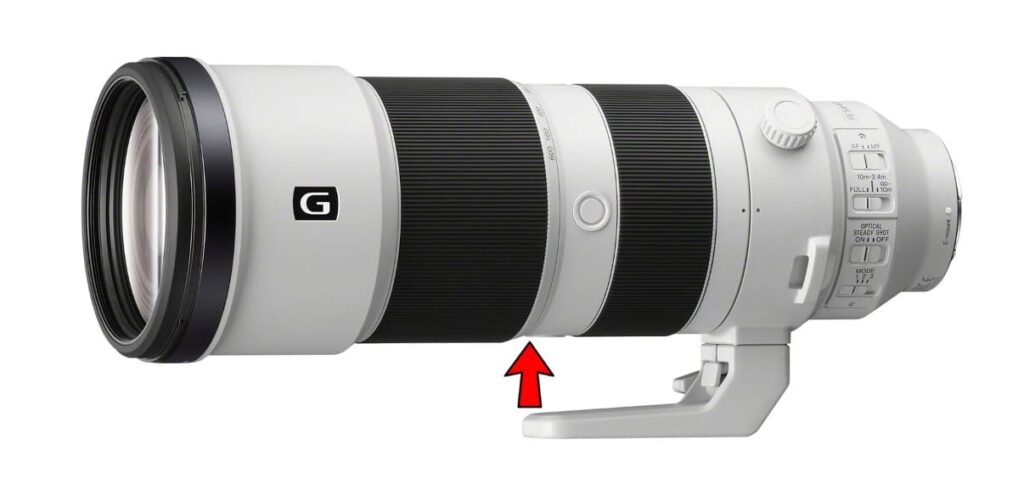
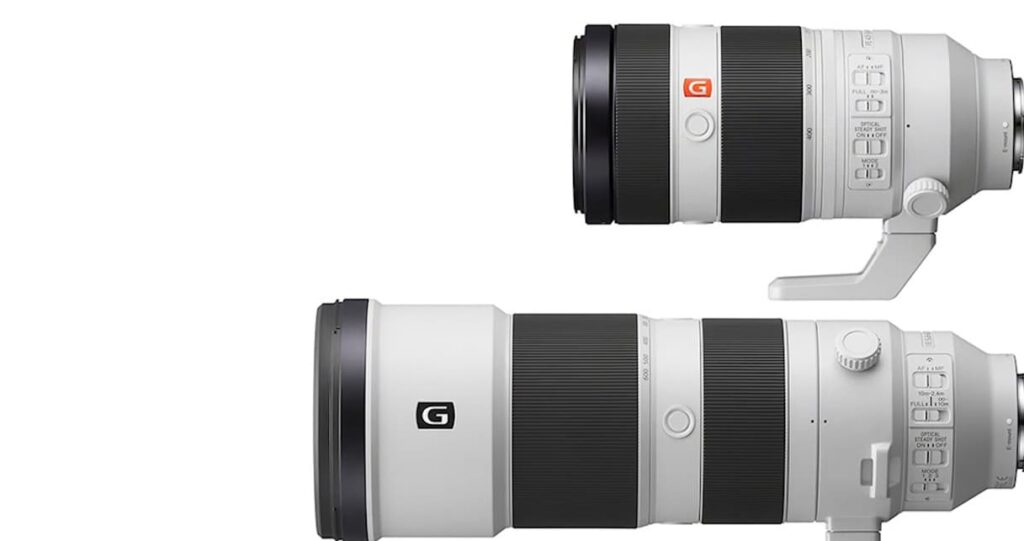
The Sony 200-600 G and the 100-400 GM are both telephoto lenses designed for professionals who need to capture distant subjects such as wildlife, sports events or concerts. Both lenses have a similar body design with a durable, weather-sealed construction that can withstand harsh shooting conditions. One noticeable difference between the two is their size and weight. The Sony 200-600 G is longer and heavier, weighing 2.1kg compared to the 100-400 GM’s weight of 1.4kg.
Despite their size difference, both lenses have a comfortable grip for handling and are well-balanced when mounted on a camera body. The Sony 200-600 G also features a zoom lock switch that prevents any unwanted lens extension during transportation.
Size and Weight
As mentioned earlier, the Sony 200-600 G lens is noticeably bigger and heavier compared to the 100-400 GM lens. With its extended length of up to 305mm when fully zoomed in, the 200-600 G offers an impressive reach, surpassing the maximum length of 205mm provided by the 100-400 GM. While the 200-600 G’s additional 700g of weight may be noticeable during long shoots, many photographers find it manageable and well worth the extra weight due to the lens’s superior zoom range. The extended reach and enhanced versatility of the Sony 200-600 G make it a valuable tool for capturing distant subjects with remarkable detail and precision.
Control Buttons
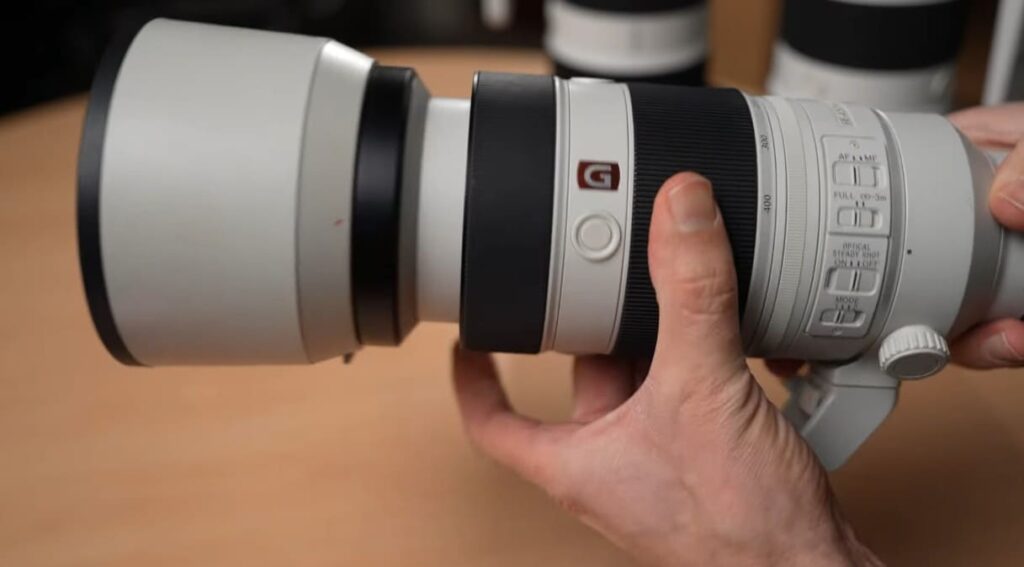
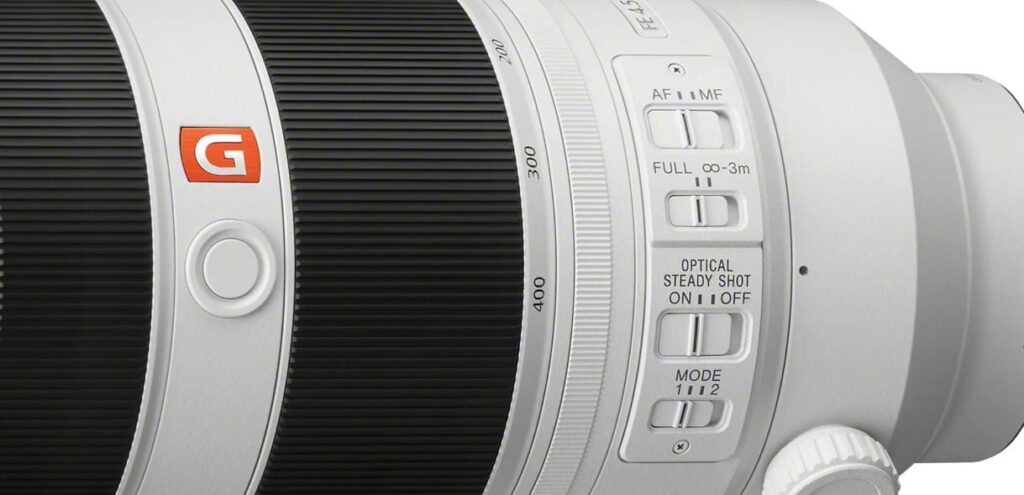
One significant difference between the two lenses is their control buttons. The Sony 200-600 G has a dedicated AF range limiter switch, allowing photographers to limit the lens focusing distance to improve autofocus performance and avoid hunting for focus when shooting distant subjects. The 100-400 GM, on the other hand, does not have this feature.
Another notable difference is the customizable focus hold button on the 200-600 G, which can be assigned to different functions such as eye autofocus or AF/MF control. This feature provides added convenience for photographers who want to customize their controls according to their shooting needs.
Focal Length, Zoom and Focus Rings
Both lenses have a similar focal length range, with the 200-600 G offering an extended reach of 600mm compared to the 100-400 GM’s maximum focal length of 400mm. The zoom and focus rings on both lenses are smooth and well-damped, allowing for precise adjustments while shooting.
One significant advantage of the Sony 200-600 G is its internal zoom design, meaning the lens does not extend when zooming in or out. This feature helps maintain a balanced weight distribution and makes it easier to handle while shooting.
Image Quality
When it comes to image quality, both lenses offer exceptional sharpness and deliver stunning results. However, based on feedback from numerous photographers, the Sony 200-600 G lens stands out with its slightly superior image quality, resulting in even sharper and more detailed images, especially when compared to the 100-400 GM lens.
Tripod Collar and Foot
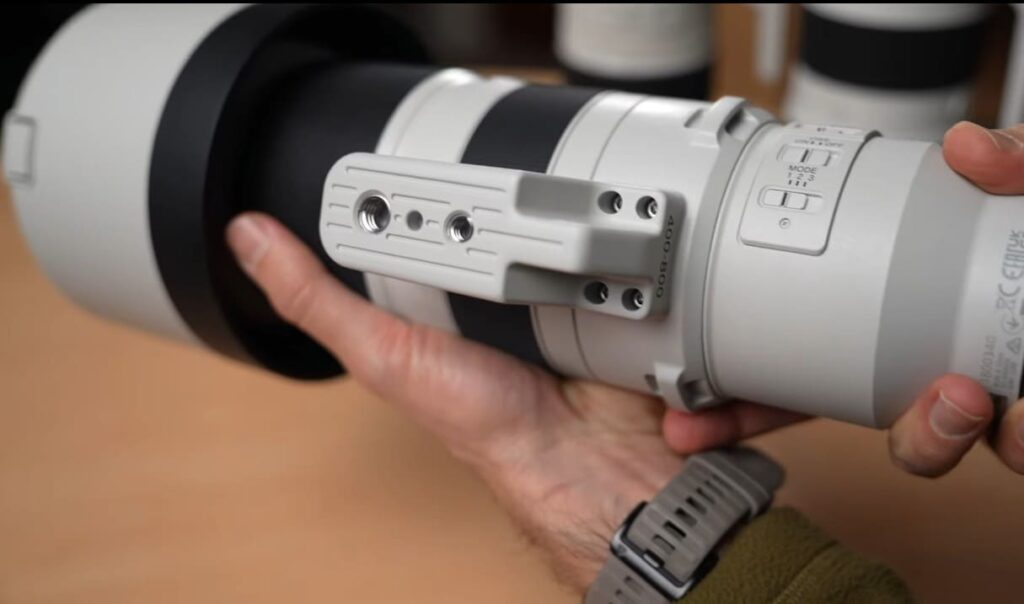
Both lenses, the Sony 200-600 G and its counterpart, are equipped with a sturdy tripod collar and foot that can be effortlessly attached or detached, providing enhanced stability during shooting. However, what sets the Sony 200-600 G apart is its additional feature of an Arca-Swiss compatible foot. This particular feature proves to be incredibly convenient for photographers who prefer using Arca-Swiss compatible tripods, allowing for seamless compatibility and ease of use.
Lens Hoods
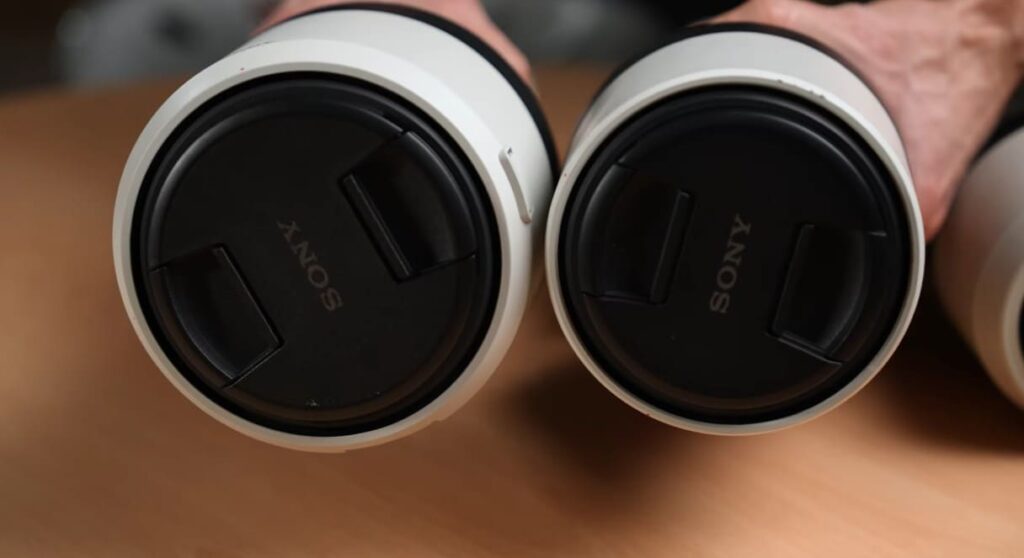
Both lenses come with a lens hood included in the package. The lens hood for the 200-600 G is slightly larger and offers improved coverage compared to the 100-400 GM’s hood. With its enhanced size, it provides even better protection from stray light, ensuring minimal interference and reducing the chances of glare affecting the quality of your images. This feature is designed to enhance your photography experience and ensure optimal image capture in various lighting conditions.
Filter Threads
The Sony 200-600 G lens, known for its exceptional performance, boasts a filter thread size of 95mm, allowing photographers to experiment with a wide range of filters for creative effects. On the other hand, the 100-400 GM lens features a slightly smaller thread size of 77mm, which may limit the options for photographers already invested in filters with larger thread sizes. However, both lenses are thoughtfully designed with their own hoods, providing adequate protection from stray light and reducing the need for additional filters in most shooting scenarios.
Teleconverter Support
Both lenses, the Sony 200-600 G and the 100-400 GM, offer exceptional versatility for photographers in need of extended reach. By incorporating teleconverters into the mix, these lenses provide even greater magnification capabilities. The Sony 200-600 G lens takes it a step further by being compatible with both 1.4x and 2x teleconverters, allowing photographers to achieve astonishing levels of zoom. On the other hand, the 100-400 GM lens is also compatible with a 1.4x teleconverter, providing an excellent option for those seeking a slightly more compact setup with extended reach. With these teleconverter options, photographers can capture stunning images from a distance, expanding their creative possibilities.
Specifications Comparison of Sony 100-400mm vs. 200-600mm
Focus Motors
Both the Sony 100-400mm and 200-600mm lenses are equipped with a powerful Dual Linear Motor System, which ensures not only fast and precise autofocus performance but also smooth and quiet operation. This advanced technology allows photographers to effortlessly capture moving subjects in sports or wildlife photography, delivering stunningly detailed and sharp images. Whether you’re tracking athletes on the field or capturing the grace of wild animals in their natural habitats, these lenses are the perfect choice for professional-level results.
Aperture Blades
In terms of aperture blades, the Sony 100-400mm has a circular 9-blade diaphragm, while the 200-600mm boasts an impressive 11-blade design. This translates to smoother and more pleasing bokeh (out-of-focus areas) in your images with the latter lens. Additionally, both lenses have a maximum aperture of f/4.5 at 100mm, but the 200-600mm has a wider aperture range of f/5.6-f/6.3 at its maximum focal length, making it more versatile for different lighting conditions.
Optical Design
The Sony 100-400mm and 200-600mm lenses are meticulously crafted with high-quality glass elements, meticulously engineered to guarantee exceptional image quality. Both lenses provide outstanding optical performance, but the 200-600mm takes it a step further with its superior optical design. With 24 elements in 17 groups, compared to the 100-400mm’s 22 elements in 16 groups, this lens delivers enhanced resolution, sharper details, and superior contrast. The 200-600mm lens is truly an ideal choice for professional photographers seeking to capture the finest details and bring their vision to life.
Minimum Focusing Distance
When it comes to minimum focusing distance, the Sony 100-400mm and 200-600mm lenses are neck and neck. The former boasts a minimum focusing distance of 3.22 feet (0.98m), allowing you to get impressively close to your subjects. On the other hand, the latter takes it even further with a slightly shorter distance of 2.40 feet (0.73m), enabling you to capture intricate details and tiny nuances with ease. This subtle difference in minimum focusing distance may not seem significant at first, but it can truly make all the difference when you’re aiming to capture small subjects up close and bring out their extraordinary features.
Image Stabilization (OSS)
Both lenses come with built-in Optical SteadyShot (OSS) image stabilization, which is essential for handheld shooting and reducing camera shake. This feature allows you to shoot at slower shutter speeds without worrying about blur or loss of detail in your images. However, the 200-600mm lens has an added advantage with its advanced OSS system that provides up to 5 stops of stabilization, compared to the 100-400mm’s 4 stops. This makes the 200-600mm ideal for capturing sharp images in low-light conditions or when shooting handheld without a tripod. With these lenses, you can confidently shoot at slower shutter speeds and still get stunningly clear and sharp images every time.
Range Focus Limiter
One unique feature of the Sony 200-600mm lens is its range focus limiter, which allows you to limit your autofocus searching distance based on your subject’s distance. This can greatly improve autofocus speed and accuracy, especially when capturing distant or moving subjects. On the other hand, the 100-400mm does not have this feature, but it still provides excellent autofocus performance in a wide range of shooting situations.
Price
Last but not least, the price is an important factor to consider when comparing these two lenses. The Sony 100-400mm lens is priced at around $2500, while the 200-600mm comes in at a slightly higher cost of around $2200. However, considering the superior optical design and added features of the 200-600mm lens, it is still an excellent value for its price and a worthy investment for professional photographers.
Sony 200-600 G vs 100-400: Comparison according to phototypes
There are different photo types you can take with Sony 100-400mm lenses and Sony 200-600mm lenses. Each lens has its strengths and weaknesses, and it’s important to understand how they compare to choose the right one for your needs.
Landscape Photography
When it comes to landscape photography, both lenses can produce stunning images. The 100-400mm lens offers a versatile range of focal lengths, allowing you to capture a larger field of view and include more elements in your composition. This lens excels at capturing sweeping vistas and wide-angle shots, giving your landscapes a sense of grandeur.
On the other hand, the 200-600mm lens provides an extended reach, allowing you to zoom in and capture more distant subjects with exceptional detail. This lens is perfect for photographing wildlife in their natural habitats or getting up close to those hard-to-reach scenic spots. Additionally, its superior close-up capabilities enable you to capture intricate details in landscapes, such as delicate flowers or fascinating textures.
Wildlife Photography
When it comes to wildlife photography, the longer focal length of the 200-600mm lens proves to be extremely beneficial. With this lens, you can capture stunning shots of animals, bringing you closer to the action without risking scaring them off. It allows you to observe and photograph wildlife from a safe distance, ensuring both your safety and the comfort of the animals. On the other hand, the 100-400mm lens is also a great option, but it may require you to be a bit closer to your subject to capture that perfect shot. So, whether you opt for the 200-600mm lens or the 100-400mm lens, both choices offer unique advantages for capturing mesmerizing wildlife moments in all their glory.
Sports Photography
When it comes to capturing fast-moving subjects like sports, both lenses excel in their autofocus capabilities. However, the 200-600mm lens truly stands out with its remarkable autofocus speed and pinpoint accuracy. This exceptional performance makes it the ultimate choice for professional sports photography, particularly when combined with its impressive longer focal length. With its superior autofocus capabilities, the 200-600mm lens ensures that every action-packed moment is captured with stunning precision and clarity, allowing photographers to freeze the most exhilarating moments in time.
Portrait Photography
When it comes to portrait photography, both lenses excel in terms of image quality and bokeh, creating stunning and captivating results. The 100-400mm lens, with its wider aperture range, offers the advantage of capturing more creative depth-of-field shots, allowing you to play with the foreground and background blur in your portraits. On the other hand, the 200-600mm lens, with its longer focal length, provides an excellent option for capturing portraits with a unique perspective, emphasizing details and creating a sense of intimacy. Whichever lens you choose, you can be assured of achieving exceptional portrait shots that truly stand out.
FAQ
What is the minimum focus distance at 600mm Sony 200-600mm?
The minimum focus distance for the Sony 200-600mm lens at 600mm is approximately 2.4m (7.9ft). This means that you can focus on objects as close as 2.4 meters away from your camera when using this lens at its maximum zoom. This close focusing capability allows for capturing intricate details and fine textures even when shooting from a distance. However, it’s important to note that the minimum focus distance may vary depending on the camera model and focus mode being used. Experimenting with different settings and techniques can help achieve the desired results in various shooting scenarios.
Can I use the Sony 200-600mm lens with a crop sensor camera?
Yes, you can definitely use the Sony 200-600mm lens with crop sensor cameras like APS-C or Micro Four Thirds. It’s important to note, however, that due to the crop factor of these sensors, the effective focal length of the lens will increase. This means that on an APS-C camera, for instance, the 200-600mm lens will have an effective focal length of 300-900mm. This additional reach can be particularly advantageous for photographers who are seeking extra magnification in their telephoto shots, allowing them to capture more detail and bring distant subjects closer. So, whether you’re photographing wildlife or sports events, the Sony 200-600mm lens paired with a crop sensor camera can provide you with the versatility and extended reach you need to capture stunning images with exceptional clarity and precision.
Is the Sony 200-600mm lens weather-sealed?
Yes, the Sony 200-600mm lens is weather-sealed. This means that it can withstand a variety of environmental conditions such as rain, dust, and moisture without compromising its performance. The lens features rubber gaskets and seals at all moving parts to prevent water or debris from entering and damaging the internal components. This makes it an ideal choice for outdoor photography, especially in challenging weather conditions. Additionally, this weather seal also ensures the longevity of the lens, allowing you to use it for years to come without worrying about potential damage caused by adverse weather conditions.
What type of photography is the Sony 200-600mm lens best suited for?
The Sony 200-600mm lens is a telephoto zoom lens that offers a versatile range and excellent image quality. As such, it is well-suited for a wide range of photography genres. Its long focal length makes it ideal for wildlife and sports photography, allowing you to capture distant subjects with exceptional detail and clarity. Additionally, the fast and accurate autofocus system of the lens makes it suitable for capturing action shots and fast-moving subjects in any lighting conditions. It can also be used for landscape, portrait, and even some macro photography, depending on the photographer’s style and creative vision. Overall, the Sony 200-600mm lens is a highly versatile and reliable option for any photographer looking to expand their telephoto capabilities.
Are there any recommended accessories for the Sony 200-600mm lens?
Some recommended accessories for the Sony 200-600mm lens include a tripod or monopod for added stability and support when shooting at longer focal lengths. A lens hood can be a useful addition to reduce glare and lens flare, especially when shooting in bright sunlight. Additionally, using a remote shutter release or cable release can help minimize camera shake, resulting in sharper images. It’s also recommended to invest in high-quality filters such as a UV filter for protection and a polarizing filter for reducing reflections and enhancing contrast in your images. Ultimately, the choice of accessories will depend on your specific needs and shooting style, but having these options available can greatly enhance your overall photography experience with the Sony 200-600mm lens.
What is the difference between modes 1 and 2 on Sony 100 400?
The Sony 100-400mm lens features two different stabilization modes: Mode 1 and Mode 2. In Mode 1, the image stabilization system corrects for both horizontal and vertical camera shake, providing overall stability to your images. This mode is recommended for general photography situations where you are standing still or using a tripod. On the other hand, Mode 2 only corrects for vertical camera shake, making it ideal for panning shots where the camera is moving horizontally while tracking a moving subject. It’s important to note that not all cameras are compatible with both modes, so it’s best to consult your camera’s manual or do some research beforehand to determine which mode is available for use with your specific lens and camera combination.
What is the minimum focus distance for Sony 100 400mm?
The minimum focus distance for the Sony 100-400mm lens is approximately 0.98m (3.22ft). This means that you can focus on objects as close as 0.98 meters away from your camera when using this lens at its maximum zoom. This close-focusing capability allows for capturing intricate details and fine textures even when shooting from a distance, making it a versatile option for various shooting scenarios. However, it’s important to note that the minimum focus distance may vary depending on the camera model and focus mode being used. Experimenting with different settings and techniques can help achieve the desired results in different shooting situations.
What is the zoom distance for the Sony 200 600?
The Sony 200-600mm lens has a zoom range of 400mm. This means that the lens can zoom in from its widest focal length of 200mm to its longest focal length of 600mm, providing a total zoom distance of 400mm. This wide range allows for capturing a variety of subjects, from expansive landscapes at the shorter end to distant wildlife or sports action at the longer end. The zoom range is also useful for creative composition, allowing photographers to experiment with different perspectives and framing options without having to switch lenses constantly. Overall, the 400mm zoom distance of the Sony 200-600mm lens provides a versatile range for capturing a wide range of subjects and scenes with precision and detail.
Why is the Sony 200-600mm lens a popular choice among photographers?
The Sony 200-600mm lens is a popular choice among photographers due to its exceptional performance and versatility. Its long focal length range, fast autofocus system, and excellent image quality make it well-suited for various photography genres such as wildlife, sports, portrait, and landscape. Additionally, the weather-sealed construction of the lens makes it a reliable choice for outdoor shooting, even in challenging weather conditions. The lens is also compatible with a wide range of Sony cameras, offering flexibility and convenience to photographers. Overall, the Sony 200-600mm lens provides a high level of quality and functionality, making it a highly sought-after option for both amateur and professional photographers alike.
How does the Sony 200-600mm lens compare to other telephoto lenses in its price range?
The Sony 200-600mm lens is often compared to other telephoto lenses in its price range, such as the Canon EF 100-400mm f/4.5-5.6L IS II USM and the Nikon AF-S NIKKOR 200-500mm f/5.6E ED VR. While all three lenses offer similar focal length ranges and image stabilization capabilities, the Sony 200-600mm stands out for its fast autofocus system and sharp image quality. It also has a longer maximum reach than the Canon and Nikon lenses, making it ideal for capturing distant subjects with greater detail and clarity. However, the choice ultimately depends on your specific photography needs and preferences, so it’s important to do thorough research and possibly try out different lenses before making a decision.
Conclusion Paragraph
So, the comparison of Sony 100-400mm and 200-600mm lenses comes to an end. Both these lenses have their own unique features and benefits, making them popular among photographers and videographers. However, it can be seen that the Sony 200-600mm lens offers a wider focal length range and slightly better image quality compared to the 100-400mm lens. On the other hand, the 100-400mm lens has a more compact design and is lighter in weight, making it a better option for travel or outdoor photography.