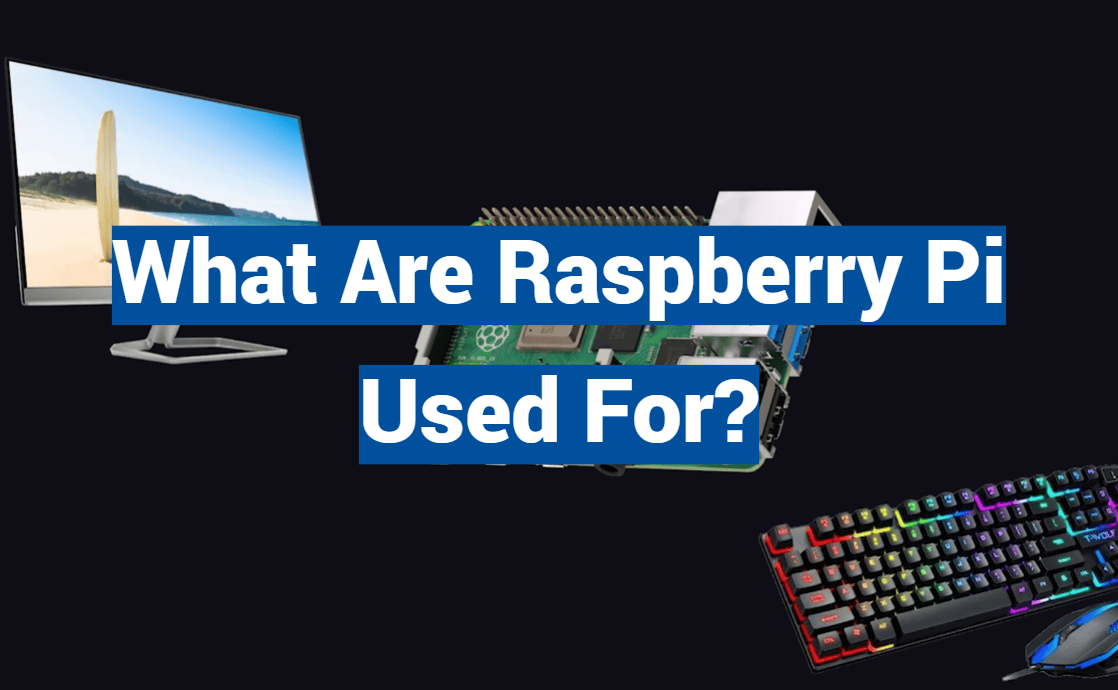
Over 40 million units have sold worldwide, making this tiny computer a global phenomenon. This small board has sparked a revolution in how people learn and create with technology.
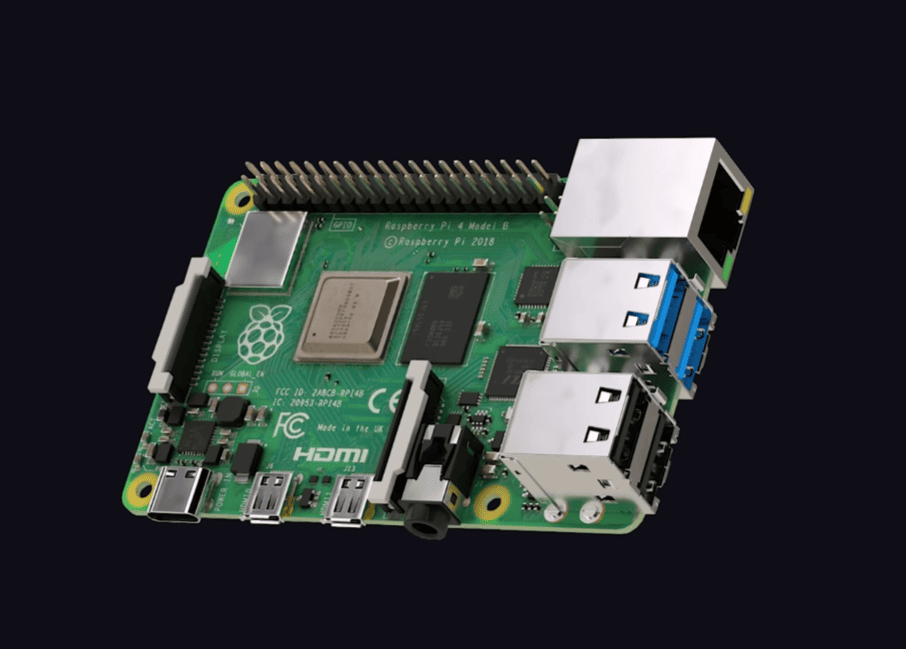
The Raspberry Pi is a versatile, affordable single-board computer. It has captured the imagination of hobbyists, educators, and professionals everywhere. This article explores the incredible range of applications for these powerful devices.
You can start with simple beginner projects and advance to complex professional setups. This technology is more than just hardware; it’s a gateway to hands-on learning. It empowers you to turn imaginative ideas into real-world solutions.
We will uncover practical uses in education, home automation, and entertainment. Discover networking tools, robotics, and innovative DIY projects. The friendly nature of this platform makes computing accessible to all skill levels.
Get ready for a journey through educational roots and community innovations. We will showcase the true versatility that makes these tools so remarkable.
Key Takeaways
- The Raspberry Pi is an affordable, credit-card-sized computer that has sold tens of millions of units.
- Its versatility allows for a vast range of applications, from simple hobbies to complex professional systems.
- This technology is designed to be accessible and friendly for users of all experience levels.
- Practical uses span education, home automation, entertainment, networking, and robotics.
- It serves as a powerful tool for hands-on learning and creative problem-solving.
- The platform has a strong global community that continuously develops new innovations.
Introduction to Raspberry Pi and Its Versatile Applications
In 2008, a group of computer scientists noticed a troubling trend among university applicants. Enrollment and programming skills were declining at Cambridge University. This observation sparked the creation of an affordable learning tool.
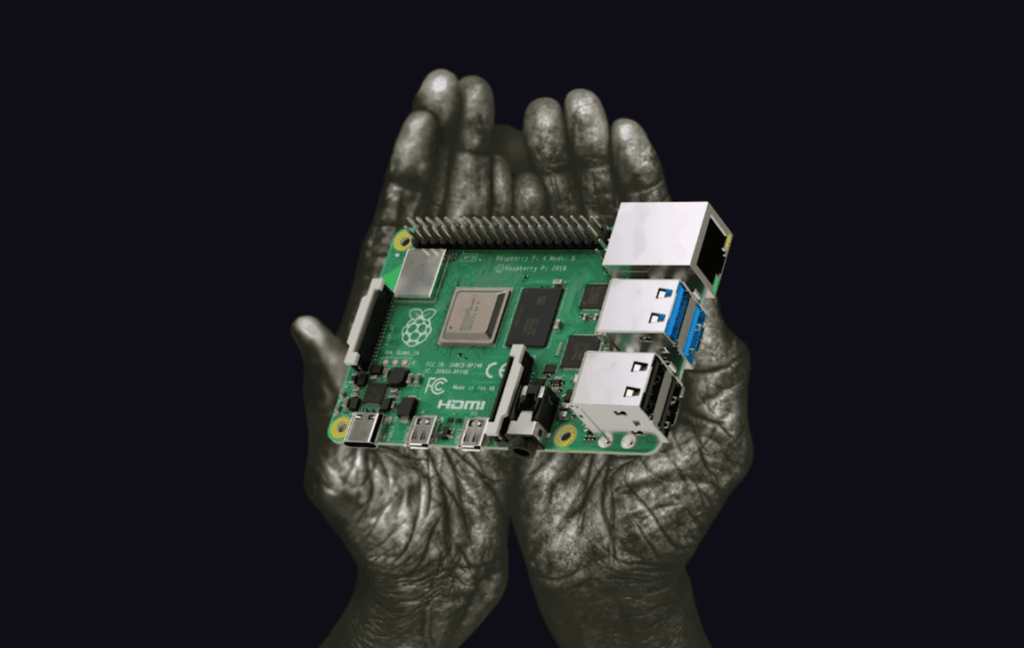
The Raspberry Pi Foundation aimed to reignite passion for computer science. They wanted to make programming accessible to schoolchildren everywhere. Their inspiration came from successful educational computers like the BBC Micro.
Origins and Educational Roots
The first commercial model launched in February 2012 with surprising impact. The $35 Model B generated over 100,000 pre-orders on day one. Distributor websites crashed from overwhelming demand.
This tiny computer quickly surpassed its educational origins. It became a worldwide phenomenon with 68 million units sold by 2025. The credit-card-sized device now ranks among Britain’s best-selling computers.
Evolution into a Multifunctional Device
The compact size and low power requirements opened new possibilities. Users without space for traditional desktop systems found perfect solutions. Compatibility with common peripherals like USB keyboards reduced barriers.
Today’s models serve diverse needs across multiple product lines. From ultra-affordable Zero series to powerful flagship computers, the evolution continues. These devices now feature HDMI output, wireless networking, and up to 16 GB of RAM.
The platform grew from simple educational tool to multifunctional powerhouse. It demonstrates remarkable versatility while maintaining its accessible nature.
what are raspberry pi used for: Exploring Real-World Projects
Creative minds worldwide have transformed these affordable computers into practical tools that enhance daily life and streamline workflows. The spectrum of real-world implementations demonstrates exactly what are raspberry pi used for in solving actual problems.
Simple Coding Projects and DIY Innovations
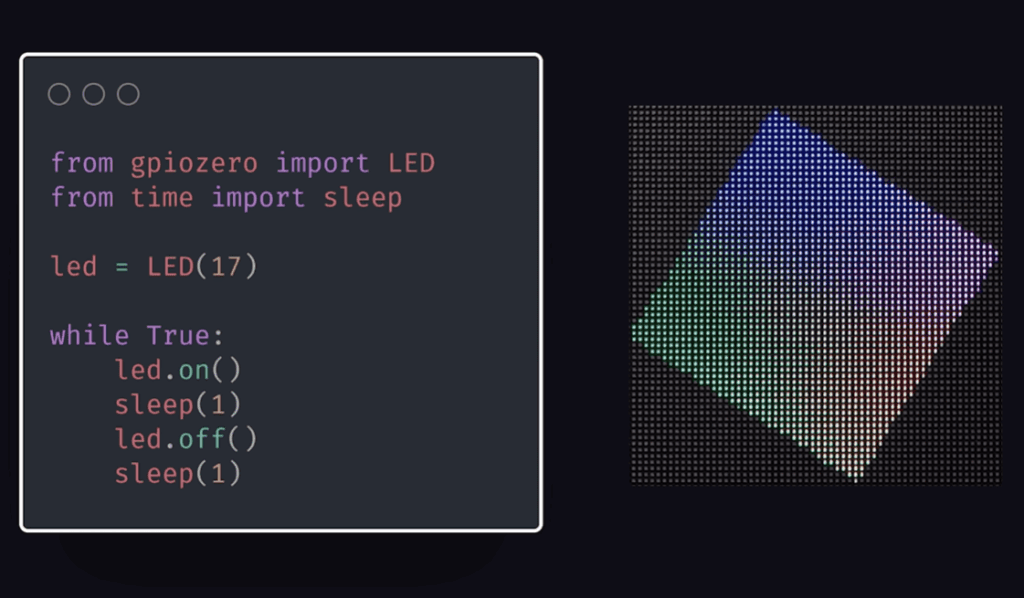
Beginners can start with basic Python scripts that control blinking LEDs or create simple games. These introductory electronics projects teach fundamental programming concepts through hands-on experimentation.
DIY enthusiasts build custom digital picture frames and retro gaming consoles. These creative things showcase how imaginative thinking transforms a basic board into uniquely useful gadgets. The platform offers a fun way to learn while building practical applications.
Advanced Automation Applications
Professional implementations include servers running custom Flask web apps that streamline team work. One user created a system that monitors emails and triggers bright LED alerts when new orders arrive.
Home automation projects range from camera-based pet door notifications to precision dosing pumps. Industrial applications include digital signage systems and secure VPN servers. These advanced things demonstrate professional-grade capabilities for complex project requirements.
Raspberry Pi in Home Automation and IoT
Today’s connected homes benefit from flexible automation platforms that adapt to individual lifestyles. These systems transform ordinary living spaces into responsive environments. The tiny computer board serves as an affordable cornerstone for intelligent home management.
Smart Home Hub Integration
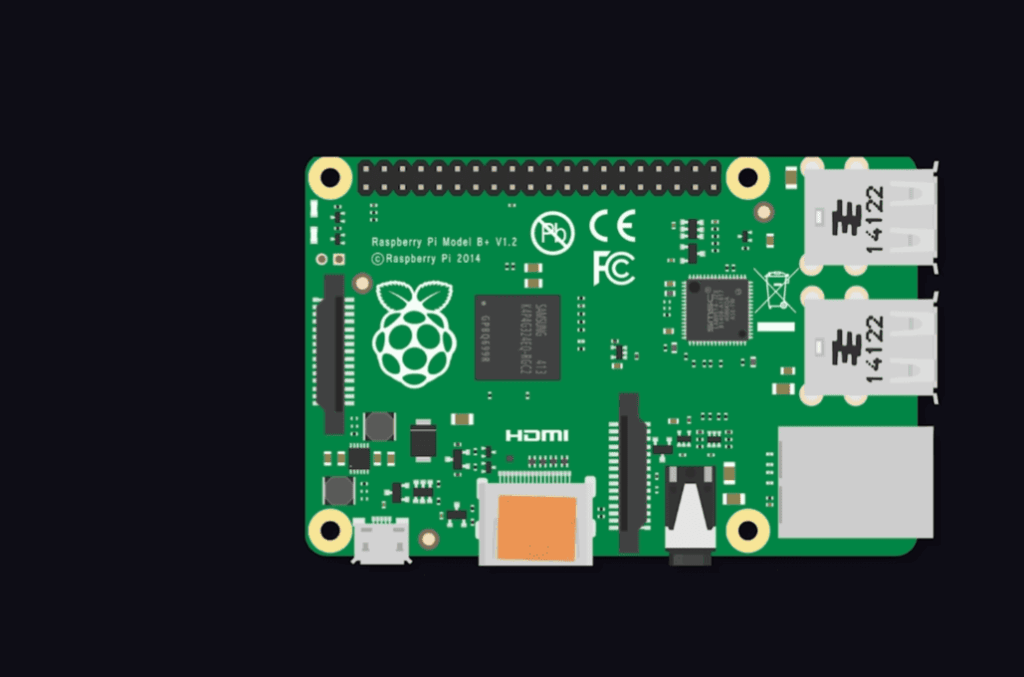
Open-source platforms like Home Assistant and OpenHAB turn the device into a powerful control center. This approach connects lights, thermostats, and security cameras seamlessly. Users maintain complete data privacy while enjoying professional-grade automation.
Built-in Wi-Fi and Ethernet capabilities enable reliable communication with various smart devices. The system supports protocols like MQTT and Zigbee for comprehensive integration. This creates a unified network that responds to your daily routines.
Remote Control and Sensor-Based Solutions
Motion detectors can trigger lighting sequences when you enter a room. Temperature sensors monitor climate conditions for optimal comfort. These responsive systems learn from your habits to anticipate needs.
Web interfaces and mobile apps provide remote access from anywhere. You can adjust settings while away from home for peace of mind. Custom rules automate irrigation based on weather forecasts.
Energy monitoring tracks power consumption to reduce costs. Voice-controlled assistants respond to natural commands. The platform’s flexibility supports unique workflows that commercial systems cannot match.
Raspberry Pi in Digital Media, Entertainment, and Gaming
Digital media consumption takes on new dimensions when powered by versatile single-board computers. These tiny devices transform ordinary televisions into smart entertainment centers. They provide complete control over personal media libraries and streaming services.
Media Centers and Streaming Devices
Popular software like Kodi and LibreELEC create powerful media players. These systems handle 4K video playback with impressive smoothness. They organize extensive collections while streaming from multiple sources.
Retro gaming enthusiasts love RetroPie and Recalbox applications. These platforms emulate classic systems from NES to PlayStation. They bring nostalgic arcade experiences to modern displays.
Audio applications showcase remarkable versatility. Whole-home systems using Volumio create seamless music experiences. AirPlay receivers and Spotify Connect endpoints offer modern connectivity.
External drives provide convenient media storage solutions. This creates personal streaming servers accessible throughout home networks. Users enjoy content without relying on cloud services.
Gaming extends beyond emulation to native Linux titles. Steam Link streams games from powerful computers. Creative cases house custom arcade cabinets for authentic experiences.
Practical setups include bedroom media players and kitchen displays. Portable systems built into laptop-style cases offer mobility. Dedicated music streamers deliver audiophile-grade audio quality.
The combination of affordability and capability makes these solutions exceptional. A Raspberry Pi media center costs far less than commercial devices. Yet it offers superior customization and functionality for entertainment needs.
Raspberry Pi for Networking and Server Applications
Network enthusiasts have discovered remarkable server capabilities in compact single-board systems that redefine home computing. These devices offer enterprise-grade functionality at a fraction of traditional server costs.
The low power consumption makes them ideal for always-on applications. Running continuously costs just a few dollars annually in electricity.
Building Personal Servers and VPNs
Secure remote access becomes simple with VPN implementations. Software like OpenVPN and WireGuard creates encrypted connections to your home network from anywhere.
This protects your privacy on public Wi-Fi and allows access to home resources. Personal web servers host websites, blogs, and applications using Apache or Nginx.
Some users successfully run multiple Flask web apps on a single device.
Creating File and Proxy Servers
Centralized storage solutions organize documents, photos, and media files across your network. Samba and NFS protocols create accessible file sharing systems.
Proxy servers provide content filtering and speed up browsing through caching. Specialized services like Pi-hole block ads at the DNS level.
Backup systems automatically protect important files from other computers. This provides data redundancy with minimal power requirements.
Embracing Robotics and Automation with Raspberry Pi
Building robots and automated systems no longer requires expensive industrial equipment, thanks to versatile single-board computers. These platforms serve as the intelligent core for machines that move, sense, and respond to their environment.
Constructing DIY Robots
Enthusiasts create remarkable robotics projects ranging from wheeled rovers to sophisticated drones. The GPIO pins connect directly to motors and servos, while the processing power handles complex behaviors.
Computer vision enables robots to recognize objects and navigate spaces autonomously. Walking robots and underwater ROVs demonstrate the platform’s versatility for mobile applications.
Integrating Motion Sensors and Automated Alerts
Motion detection opens creative possibilities for practical automation. A simple sensor can trigger Halloween decorations or help drivers park perfectly.
Camera integration creates smart monitoring systems that alert when pets need attention. These intelligent things respond to real-world events automatically.
Portable robotics benefit from efficient power consumption. Battery-operated systems run for hours, enabling mobile robots and remote monitoring devices.
Industrial applications include precision dosing pumps for chemistry and manufacturing. The learning value comes from combining hardware and software to create tangible solutions.
Educational and Programming Uses of Raspberry Pi
The core mission of this single-board computer remains empowering the next generation of creators. It provides an incredibly accessible entry point into the world of technology and code.
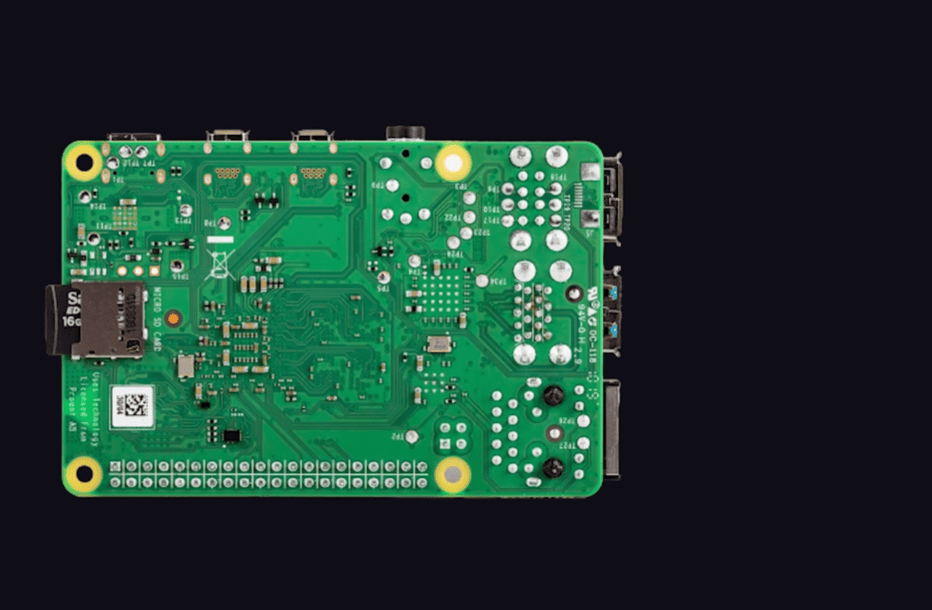
Classrooms worldwide leverage these devices to make abstract concepts tangible. Students gain hands-on experience by building simple circuits and writing their first lines of code.
STEM Learning and Classroom Projects
Teachers find the platform ideal for introducing programming with languages like Python and Scratch. These beginner-friendly tools allow students to see immediate results from their code.
STEM projects often combine software with hardware. Activities include programming LED light shows, collecting data with environmental sensors, and building basic robots.
This practical approach turns learning into an engaging adventure. Students are not just reading about science; they are actively doing it.
Experimenting with New Software and Coding Techniques
The low cost of the hardware encourages fearless experimentation. Users can try different operating systems and programming languages without worry.
Specialized keyboard computer models, like the Pi 400, simplify setup. This all-in-one design is perfect for schools and beginners.
The journey starts with a simple “Hello, World!” program. It can advance to complex web development and even machine learning applications.
A vast online community offers endless tutorials and project ideas. This support network helps users overcome challenges and build confidence.
| Language | Best For | Key Feature |
|---|---|---|
| Scratch | Visual Programming & Logic | Drag-and-drop code blocks |
| Python | General Purpose & Web | Simple, readable syntax |
| JavaScript | Web Interactivity | Runs directly in web browsers |
Creating a real, working project provides a tremendous sense of accomplishment. This tangible success fuels a lasting passion for technology and innovation.
Creative Projects: Weather Stations, Cameras, and Sensor Applications
From backyard weather tracking to intelligent security systems, sensor-based projects demonstrate remarkable versatility. These applications turn environmental data into actionable insights for daily life.
Creative monitoring setups collect information about your surroundings. They analyze patterns and trigger useful responses automatically.
Building a Home Weather Station
A complete home weather station connects multiple sensors to a single board. It measures temperature, humidity, and barometric pressure accurately.
Wind speed and rainfall sensors add professional capabilities. The device creates personal forecasts for your exact location.
Advanced systems email daily weather reports automatically. They help plan activities based on local conditions. Remote sensors expand coverage across larger properties.
Data visualization tools like Grafana display trends beautifully. This turns raw numbers into understandable charts and graphs.
Integrating Camera and Video Projects
The official camera module enables sophisticated imaging applications. Time-lapse photography captures gradual changes over hours or days.
Security monitoring uses motion detection to alert homeowners. Wildlife observation documents nature without human disturbance.
Intelligent systems analyze video footage in real time. They can notify you when pets need attention or visitors arrive.
Portable setups run on battery power for field research. Weather-resistant enclosures protect the equipment outdoors.
These projects teach valuable skills in data science and programming. They produce genuinely useful information about your environment.
Evaluating Raspberry Pi Models and Community Insights
The ecosystem of compact computing platforms offers various options that balance performance, size, and cost considerations. Understanding these differences helps you select the right foundation for your projects.
Comparing Hardware Capabilities and Limitations
Different models serve distinct purposes. The flagship Model B series provides maximum power with quad-core processors and up to 16GB RAM. These computers handle demanding applications smoothly.
Budget-friendly options like the Zero series prioritize compact size and low cost. Despite modest specs, they excel in countless creative applications. The integrated keyboard computers offer convenient all-in-one solutions.
| Model Series | Best Use Cases | Key Features | Limitations |
|---|---|---|---|
| Model B | Media centers, servers, complex projects | High performance, ample RAM, multiple ports | Larger size, higher power needs |
| Zero Series | Embedded systems, portable projects | Tiny footprint, ultra-low cost, minimal power | Limited processing power, fewer connections |
| Keyboard Computers | Education, desktop replacement | Integrated keyboard case, easy setup | Fixed form factor, less flexible |
| Compute Module | Industrial applications, custom products | Professional-grade, designed for embedding | Requires carrier board, advanced setup |
Exploring Community-Driven Innovations
The global community continuously discovers new applications for every model. Members share creative case designs and project ideas through forums and social media.
Community testing reveals unexpected capabilities. Even the humble Pi Zero finds uses in network peripherals and automation controllers. Collective knowledge accelerates problem-solving and innovation.
This vibrant network provides invaluable resources for learning and development. The shared experience saves time and inspires new technology applications.
Conclusion
Ultimately, the platform’s success is measured not in specs, but in the millions of unique projects it has inspired. From a humble educational beginning, it has grown into a tool for home automation, media centers, and robust network servers.
The compact size and low power needs are huge practical benefits. They allow for 24/7 operation and creative installations anywhere. A supportive global community provides endless tutorials and shared software.
This makes the learning experience much less intimidating for newcomers. Whether you’re a student or a professional, you can find value in this flexible computer.
Your first project, like a simple media server or a home weather station, often leads to discovering new applications. The only real limit is your imagination. This accessible technology truly empowers everyone to create amazing things.